



Fine Wood Furniture
Fine wood furniture brings together centuries of cabinet-making skill, offering rich grains and lasting forms from the 17th to the 20th century.
Fine Wood Furniture
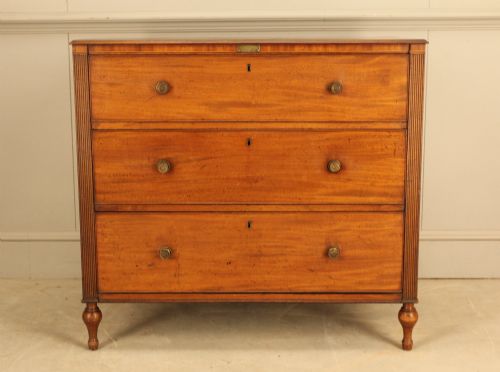
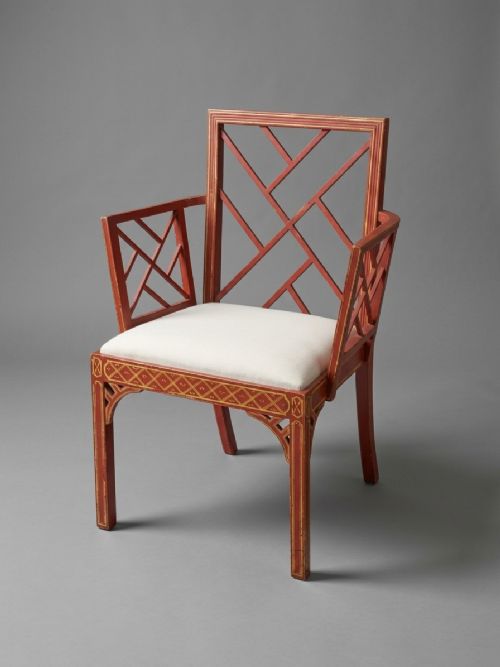
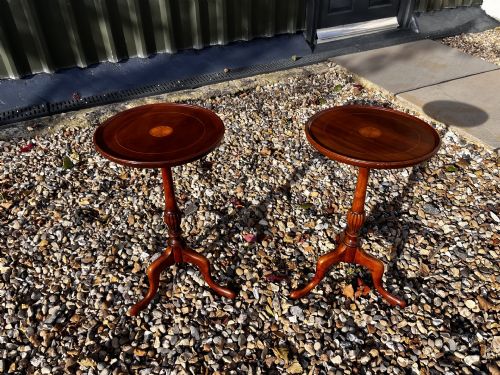
Fine wood furniture encompasses practical and decorative objects built from timbers such as mahogany, rosewood, walnut, satinwood, oak, and yew. Buyers seeking this phrase encounter diverse forms ranging from Georgian tripod tables and Regency card tables to Victorian chests of drawers and Art Deco dining sets.
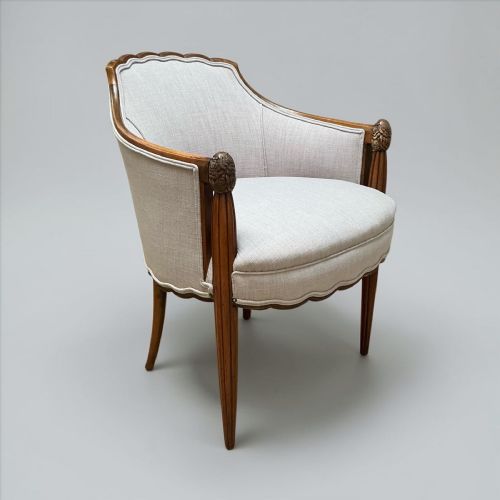
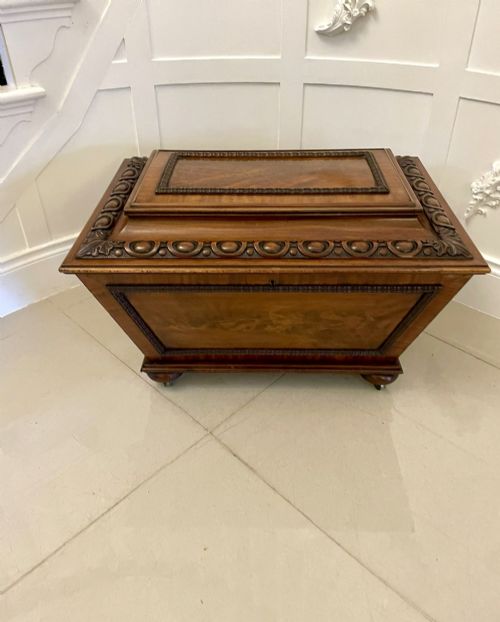
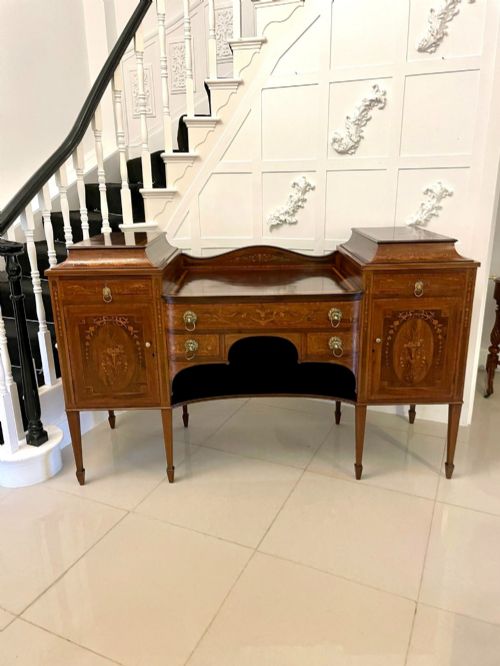
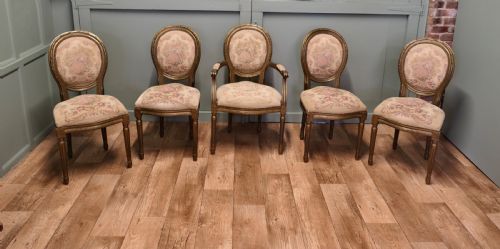
The pieces on this page span several periods, with particular emphasis on 18th-century, 19th-century, Edwardian, and Art Deco eras. Makers utilised traditional forms like console tables, display cabinets, writing desks, and sideboards, applying specialist skills suited to each domestic function.
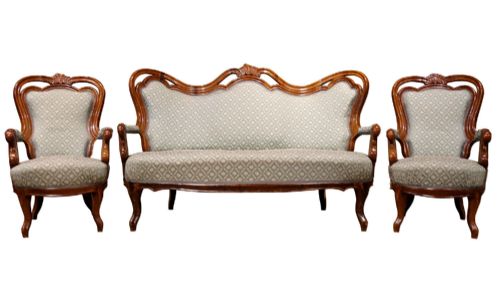
Origin points vary widely across these listings, including English workshops, French ateliers, Chinese export pieces, and Indian production. Whether selecting a small lamp table or a substantial salon suite, each object reflects the specific design vocabulary of its decade and region.
How It Was Made
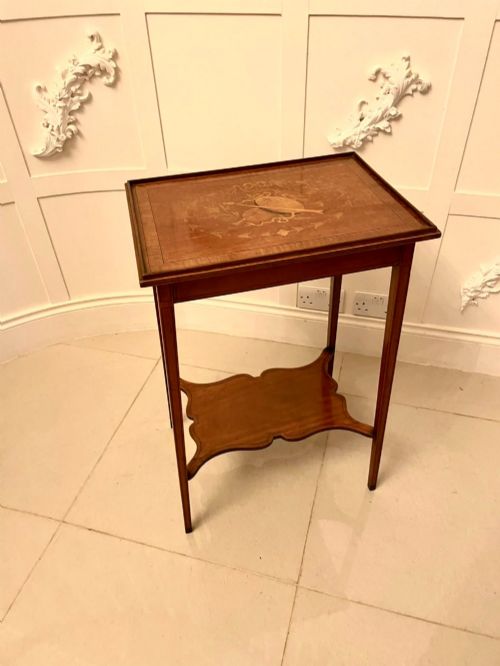
Cabinet-makers relied on dense, figured hardwoods including mahogany, burr walnut, and rosewood, often enhanced by contrasting stringing in satinwood, ebony, or brass inlay. Surfaces frequently display intricate marquetry patterns or hand-painted details, particularly in Edwardian and Dutch pieces.
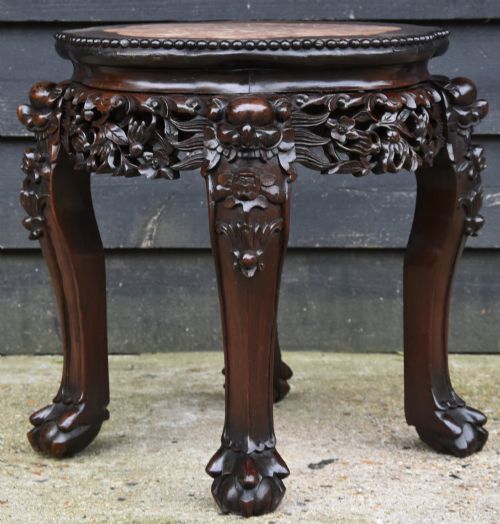
Construction techniques involved stable joinery such as dovetailing for drawers and mortise and tenon frames for seating and tables. Carving ranged from subtle thumb-moulding on pie crust edges to deep, profuse relief work found on Black Forest linden wood and Chinese rosewood stands.
Fine Wood Furniture Retail Price Guide 2026
Typical asking prices for fine wood furniture among the pieces listed under this phrase on Sellingantiques today, from the lower quarter to the upper quarter. They describe what is for sale here now, not the wider market.
Cabinet-makers occasionally hid secret compartments inside writing desks, rewarding future owners with tiny locking drawers for confidential notes.
What Varies in Quality
The standard of fine wood furniture depends heavily on the selection of timber figure, such as flame mahogany or burr walnut, and how harmoniously the grain matches across primary surfaces. Superior pieces display thoughtful construction where secondary woods are chosen with care and secondary elements like brass mounts are cast and chased with precision.
Proportion and restraint in ornament separate standard workshop production from master-led output, such as pieces attributed to Gillows or Edwards & Roberts. The integration of marquetry, inlay, and hand-carved detail reveals the artisan's control over design and execution.
Druce and Co·Hewetsons London·Louis Constantin Le Gaigneur·Émile Gallé·Hille·Edwards and Roberts
The Fine Wood Furniture Glossary
- Marquetry
- Decorative veneer applied to furniture in geometrical patterns or pictorial scenes using various tinted woods. This technique required immense patience and skill to ensure every piece locked together seamlessly before application.
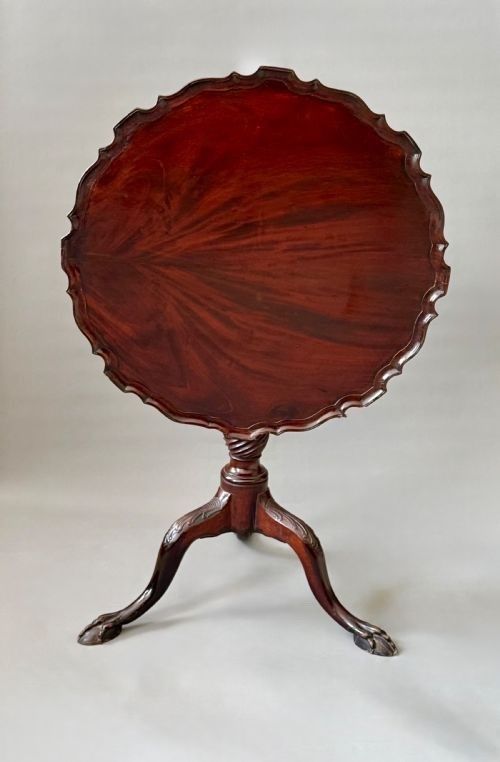
- Pie Crust Table
- A small occasional table featuring a raised, carved edge resembling pastry crimping, typically supported on a central tripod base. It gained popularity during the 18th century for serving tea or display.
- Vitrine
- A glass-fronted cabinet designed for displaying porcelain, silver, or curiosities. Georgian and later examples utilise delicate glazing bars to maximise light entry while maintaining structural integrity.
- Quartetto Nest
- A set of four graduated occasional tables designed to slide neatly beneath one another when not in use. Regency makers favoured rosewood for these versatile sets.
- Patina
- The deep, lustrous surface sheen developed on timber over decades through natural ageing, waxing, and handling. Collectors prize a rich patina for the visual warmth it adds to antique surfaces.
Fine Wood Furniture: Frequently Asked Questions
How do I identify a Georgian card table?
Georgian card tables typically feature a folding top supported on hinged legs or a swing frame, revealing a baize-lined playing surface inside. Look for crisp mahogany or walnut timber and classical carving details such as claw and ball feet.
Inspect the hinge mechanisms and timber movement underneath to understand the period construction methods. These tables were central to polite society and combined utility with elegant parlor design.
Where should I place an etagere?
An etagere works well in drawing rooms or corners where its multiple open tiers can hold books, small ceramics, or decorative objects. Their slender vertical frames provide display space without dominating a room's floor plan.
Ensure the piece sits away from direct sunlight to protect vulnerable rosewood or marquetry surfaces from fading. These open display stands bring height and structural variety to traditional or eclectic interiors.
What is a campaign desk?
A campaign desk is a portable writing station designed to dismantle or fold for military transport during the 19th century. They often feature brass bound corners and recessed drawer pulls to withstand rugged travel.
Examine the internal fittings and secondary timbers to appreciate the ingenuity required to build durable, lightweight furniture. They offer compact workspaces suited to modern studies.
How do I care for antique satinwood?
Antique satinwood requires gentle dusting with a soft, dry cloth and occasional treatment with quality beeswax to maintain its pale, luminous glow. Avoid modern spray polishes containing silicone, which can penetrate porous historical finishes.
Keep satinwood pieces away from direct heat sources and moisture fluctuations to prevent timber shrinkage or veneer lifting. Proper environmental control preserves the delicate hand-painted scenes often found on Edwardian pieces.