



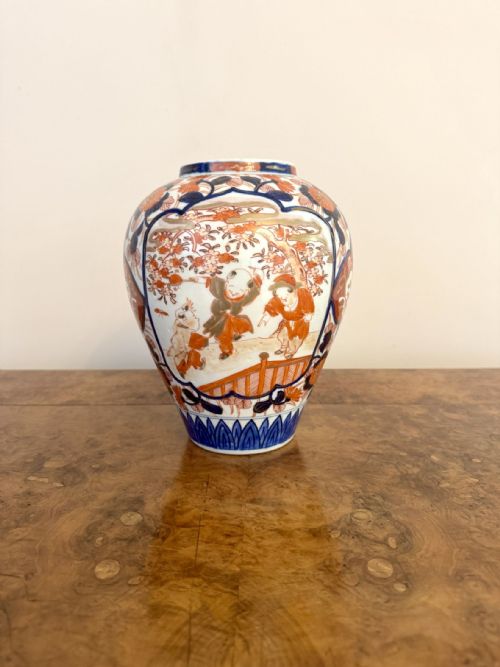

Fine Porcelain Vase
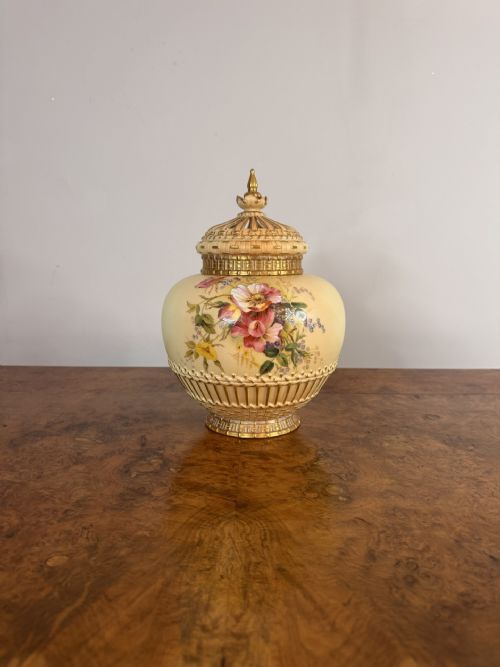
A fine porcelain vase brings together centuries of skilled hand-painting, rich ceramic traditions and careful glaze work from British, European and Asian workshops.
Fine Porcelain Vase
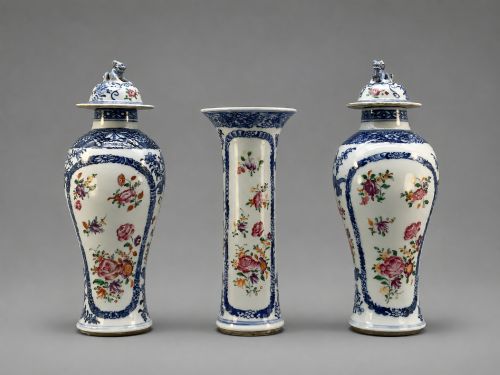
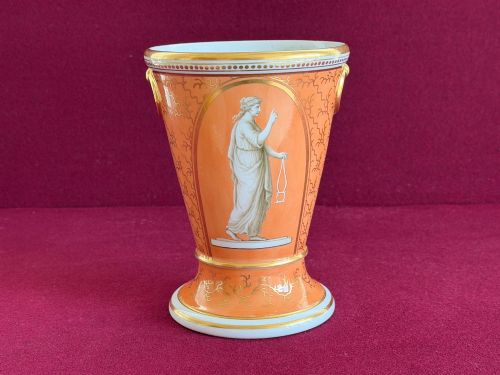
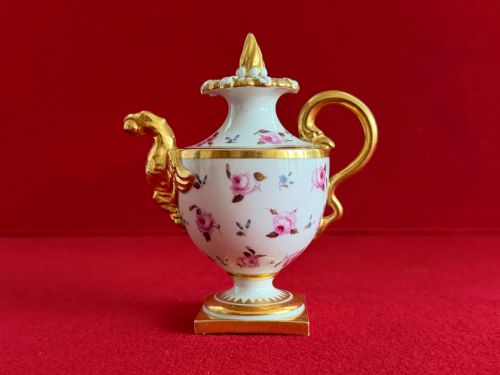
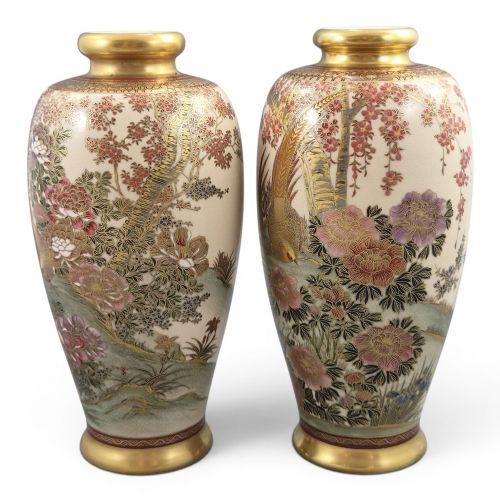
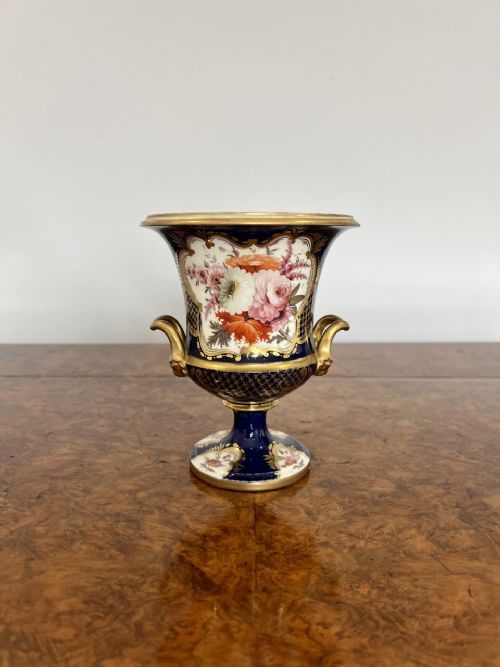
A fine porcelain vase encompasses everything from Georgian English porcelain jardinières and Victorian campana vessels to hand-painted Japanese Satsuma and Chinese Imari forms.
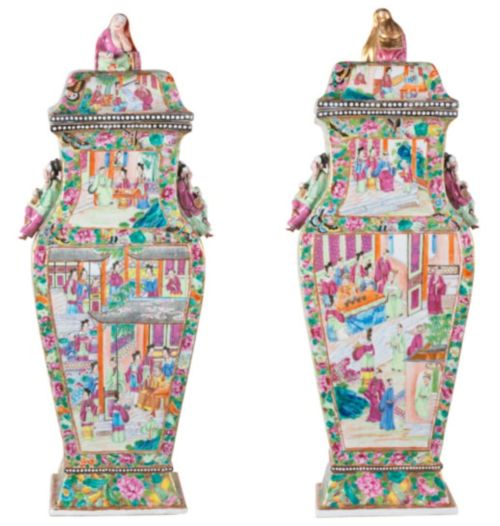
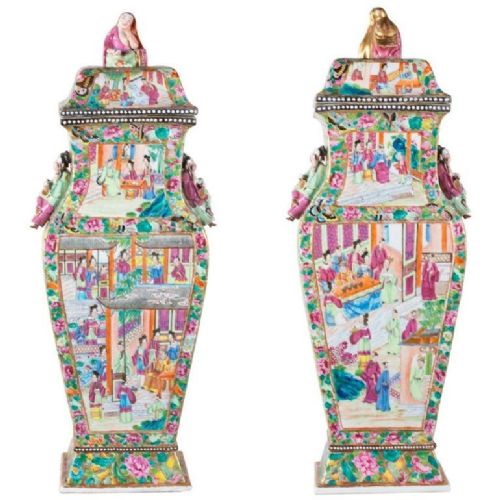
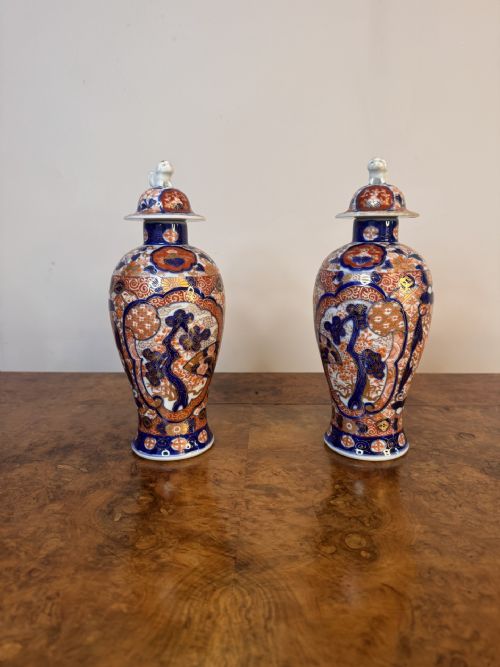
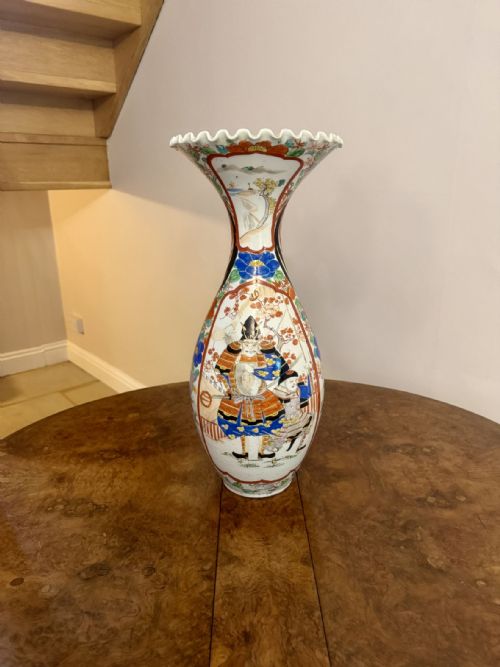
Buyers seeking a fine porcelain vase will frequently encounter Japanese Imari pieces, Chinese export wares, and English factory productions spanning the eighteenth and nineteenth centuries.
How they were made
Potters shaped fine clay bodies before applying underglaze blue, enamel colours, and detailed hand-painting depicting figures, birds, landscapes and floral motifs.
Gilding, gold leaf, and raised enamel decoration were frequently added during secondary firings to highlight specific surface details and borders.
Fine Porcelain Vase Retail Price Guide 2026
Typical asking prices for fine porcelain vase among the pieces listed under this phrase on Sellingantiques today, from the lower quarter to the upper quarter. They describe what is for sale here now, not the wider market.
Listings feature porcelain, earthenware, enamel, gold leaf, and glaze across Victorian, Georgian, Regency, and Meiji periods.
What varies in quality
Quality rests upon the precision of the hand-painting, the clarity of the glaze, and the crispness of the moulded or turned ceramic form.
Works bearing identifiable artist signatures, factory marks from established kilns, or intricate Moriage and gold leaf detailing demonstrate superior craftsmanship.
Flight and Barr·Flight Barr and Barr·Royal Worcester·Royal Crown Derby·Kinkozan
The Fine Porcelain Vase Glossary
- Imari
- A style of Japanese export porcelain decorated in underglaze blue, iron red, and gold, named after the port of shipment.
- Satsuma
- Earthenware pottery originating from the Satsuma province in Japan, characterised by an ivory crackle-glaze and detailed polychrome and gilt decoration.
- Campana
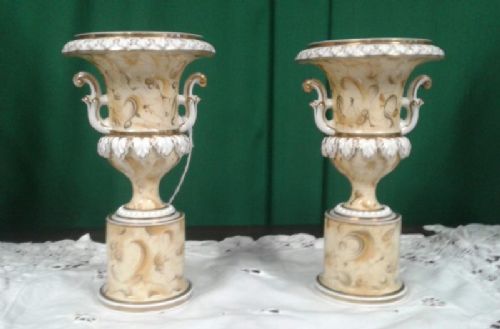
- A bell-shaped classical urn form popular in porcelain during the Georgian and Victorian periods.
- Moriage
- A decorative technique in Japanese ceramics where slip is piped onto the surface to create raised, textured patterns.
Fine Porcelain Vase: Frequently Asked Questions
What periods do these porcelain vases come from?
The pieces span the eighteenth, nineteenth and early twentieth centuries, covering periods such as the Georgian era, Victorian era, Meiji period and the late Qing dynasty.
Different manufacturing centres developed distinct painting styles and glaze formulas during these eras, allowing collectors to trace the evolution of ceramic art across continents.
How do I identify Japanese Satsuma ware?
Satsuma pieces typically display a distinctive creamy crackle-glaze covered with intricate hand-painted figural or landscape scenes enriched by gold leaf and enamels.
Many of these vessels carry artisan or studio signatures on the underside, which help pinpoint the specific Kyoto or Kobe workshop of origin.
Where were English porcelain vases made?
English manufacturers such as Worcester, Spode, Coalport and Derby produced decorative vases, jardinières and ewers featuring hand-painted botanical, landscape and fruit scenes.
These factories employed skilled artists who specialised in delicate overglaze enamel work and raised gold decoration.
How should I display porcelain vases at home?
Position vases in stable locations away from direct sunlight and heavy foot traffic to protect delicate hand-painted surfaces and raised gilding from accidental damage.
Pairing vases with complementary items like brush pots and lidded jars from similar periods creates a cohesive display that highlights contrasting glaze colours.