


Fine Persian Carpet
When you search for a fine persian carpet, you enter a world of woven artistry spanning city workshops and tribal looms from the nineteenth and twentieth centuries.
Fine Persian Carpet
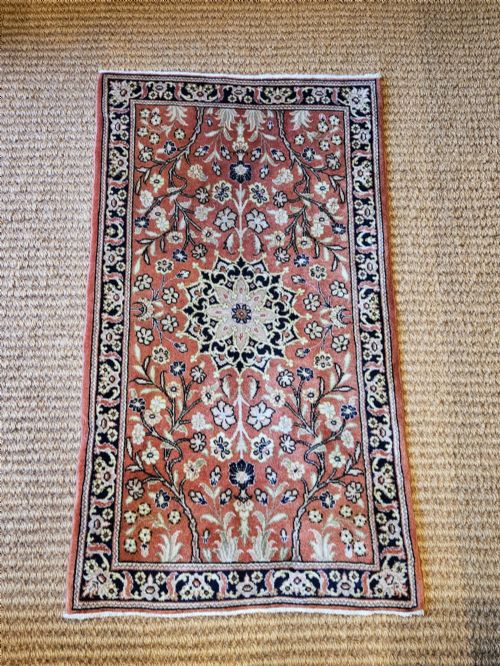
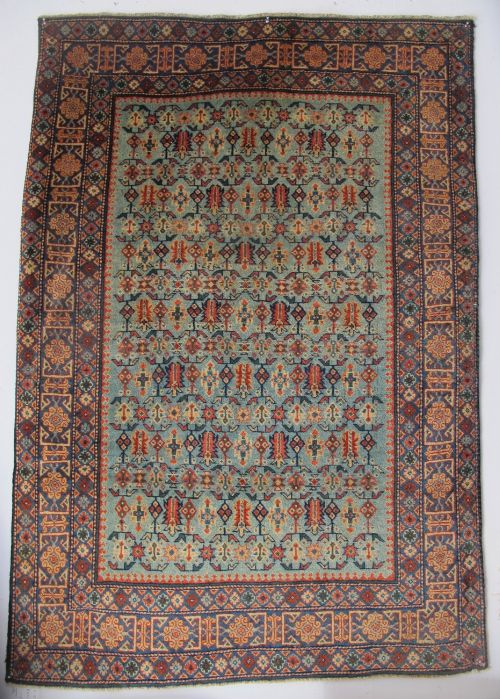
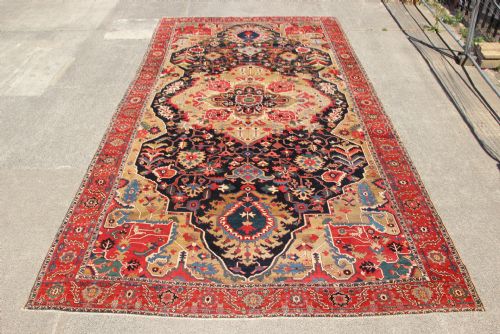
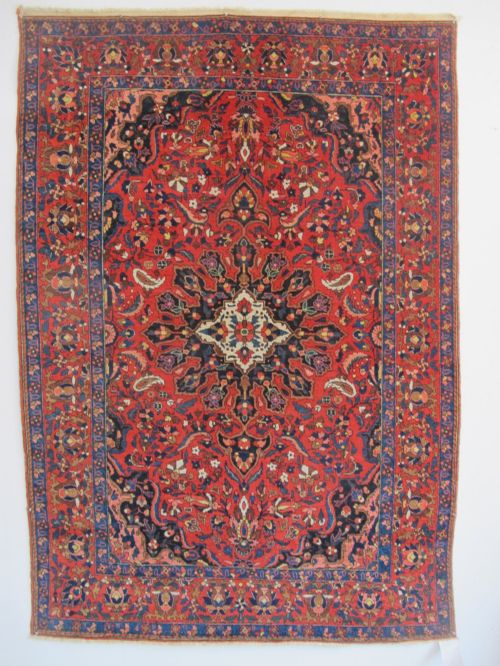
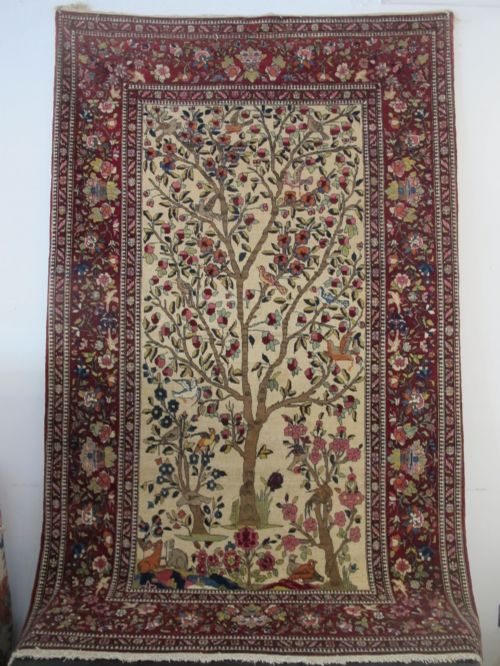
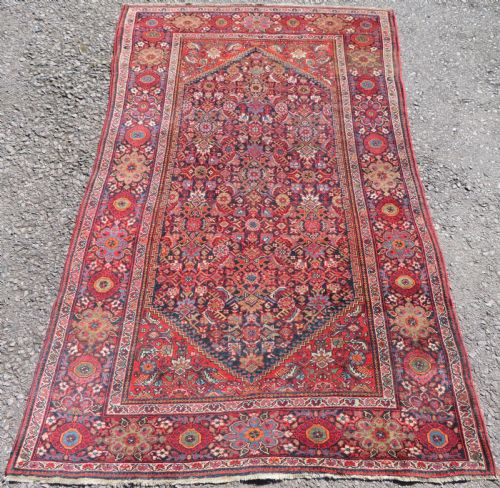
A fine persian carpet represents centuries of textile tradition originating from distinct weaving centres and tribal regions across Iran. Buyers searching for a fine persian carpet encounter regional classifications such as Kashan, Isfahan, Tabriz, Heriz, and Kerman, each possessing unique design vocabularies.
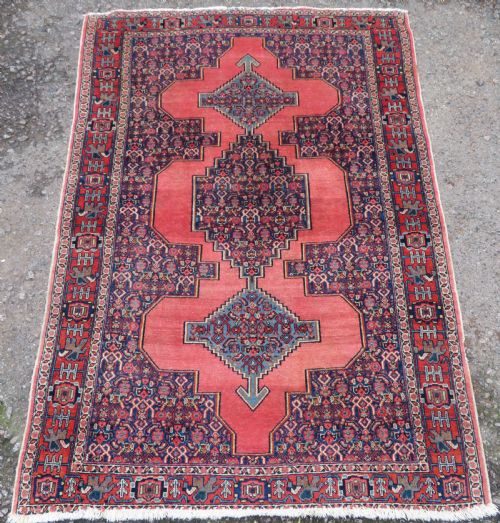
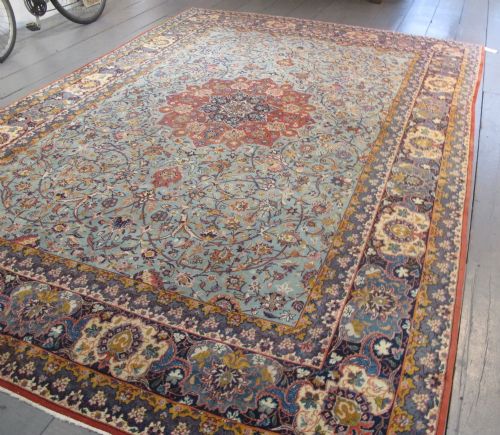
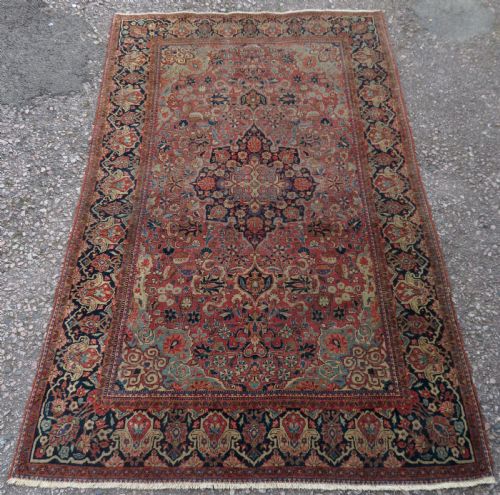
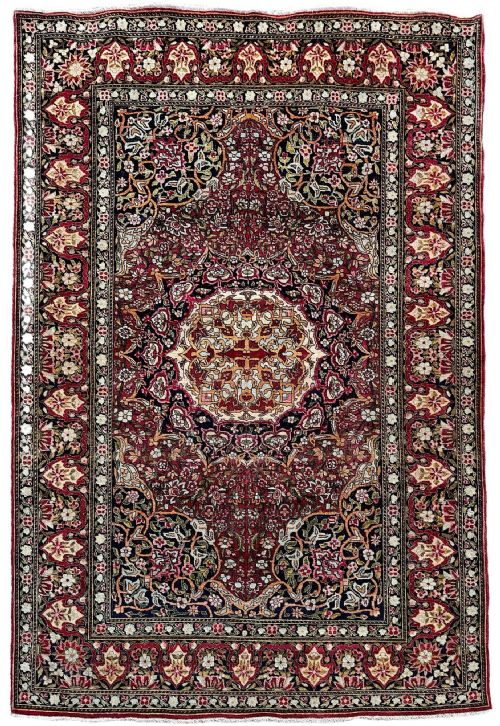
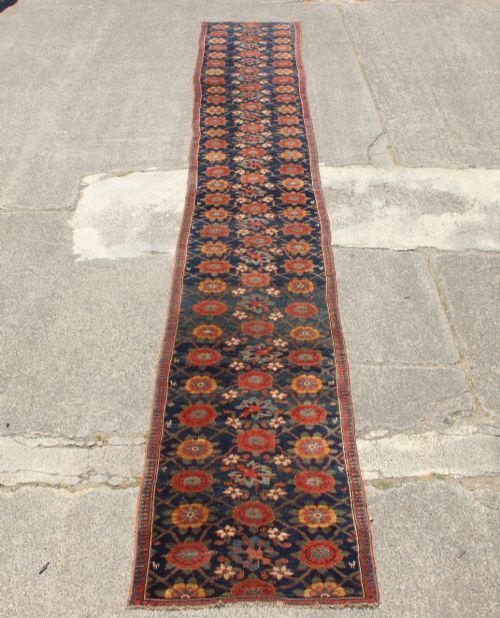
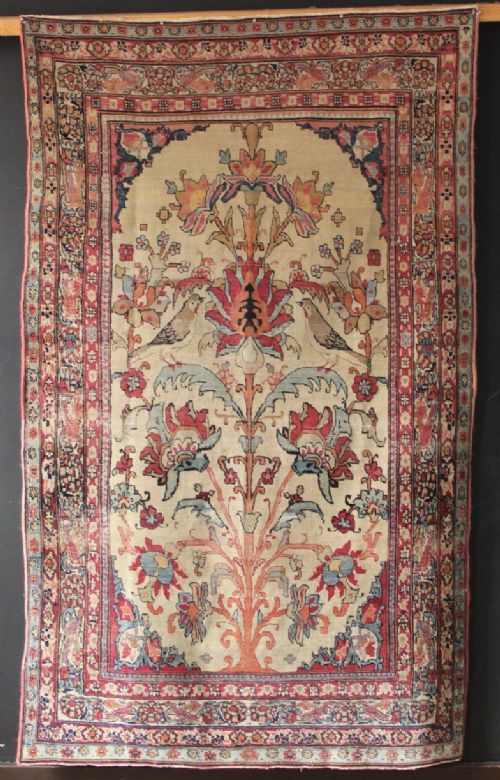
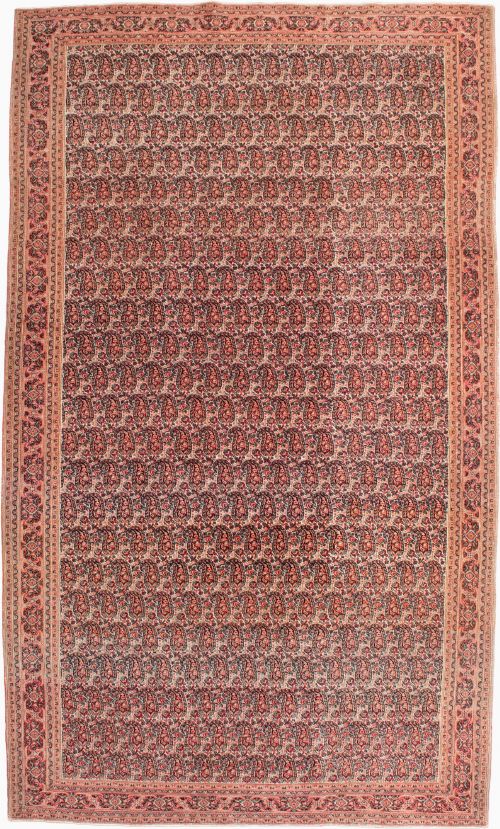
The pieces available span from the mid-nineteenth century through to the mid-twentieth century, encompassing both large room-sized floor coverings and smaller hearth rugs. Traditional formats include central medallion layouts, all-over floral repeats, and pictorial prayer designs.
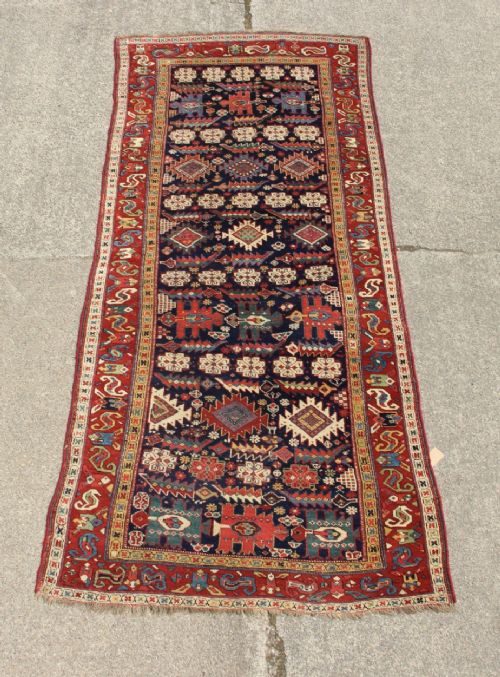
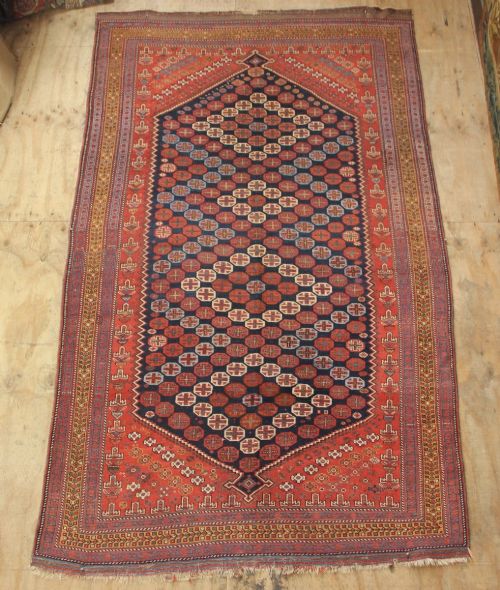
Tribal examples such as Kurdish, Bakhtiar, and Afshar pieces sit alongside urban workshop productions, offering varied textures and robust regional characteristics. These floor coverings function both as historical artefacts and durable domestic furnishings.
Materials and Construction
Weavers constructed these textiles primarily using hand-knotted wool, cotton foundations, and occasionally silk for finer pile work or structural highlights. The choice of material dictates the weight, drape, and structural density of each rug or carpet.
Natural dyeing techniques provided the deep palettes seen across nineteenth and early twentieth-century examples, utilising wool and lambswool yarns spun by hand. Foundation warps and wefts of cotton or wool support the intricate knotting that defines each regional style.
Fine Persian Carpet Retail Price Guide 2026
Typical asking prices for fine persian carpet among the pieces listed under this phrase on Sellingantiques today, from the lower quarter to the upper quarter. They describe what is for sale here now, not the wider market.
Some nineteenth-century tribal weavers incorporated small spontaneous human and animal figures into geometric borders, escaping strict symmetry.
Assessing Quality and Execution
Knot density and structural fineness separate standard workshop output from exceptional master-weaver commissions, influencing the precision of curved lines and intricate floral motifs. The quality of the wool or silk used for the pile directly affects longevity and surface lustre.
Design clarity and the balance of the central composition reveal the skill of the original atelier. Regional consistency in palette and the integrity of the original borders indicate superior workshop standards.
Mohtasham Kashan·Ahmadi Isfahan
The Fine Persian Carpet Glossary
- Medallion
- A central ornamental motif dominating the field of the carpet. This decorative element often dictates the symmetrical layout of surrounding floral or geometric patterns.
- Warp
- The vertical foundation threads stretched lengthwise on the loom before knotting begins. Weft threads are then interlaced across these structural elements.
- Weft
- The horizontal threads passed through the warp yarns after rows of knots are completed. They stabilize the structure and secure the pile in place.
- Pile
- The dense surface of cut yarn that forms the visible and tactile layer of the carpet. Its height and density vary between sturdy tribal floor coverings and delicate urban silk pieces.
- Prayer Rug
- A specialised format featuring a mihrab or niche design representing a prayer arch. These pieces were traditionally used for individual devotional practices.
Fine Persian Carpet: Frequently Asked Questions
How do I identify a regional style?
Regional styles reveal themselves through specific design motifs, border arrangements, and colour palettes tied to historical weaving centres like Tabriz or Heriz. Examining the structural foundation and knotting style provides further clues to geographic origin.
Urban workshops utilised precise floral curves, whereas tribal weavers favored geometric repeats and rustic coloration.
Are these carpets suitable for heavy foot traffic?
Many traditional wool carpets were built for durability and withstand regular domestic use in living spaces or hallways. Denser weaves handle daily movement better than delicate silk or high-pile antique pieces.
Placing a proper underlay beneath the carpet prevents slippage and reduces fibre wear from friction against hard floors.
How should I clean and maintain an antique rug?
Routine maintenance involves gentle vacuuming without a beater bar to remove surface dust without pulling the pile fibres. Professional textile cleaning is necessary for deep washing to protect natural dyes and fragile wool.
Keeping the textile out of direct sunlight prevents fading and preserves the original intensity of the vegetable or aniline dyes.
What is the difference between village and city carpets?
City carpets from centres like Isfahan or Kashan feature refined cartoons, high knot counts, and sophisticated floral designs executed by master weavers. Village and tribal carpets display geometric abstraction, memory-woven patterns, and heavier wool structures.
City pieces prioritize symmetry and detail, while tribal pieces emphasise bold local traditions and robust utility.