


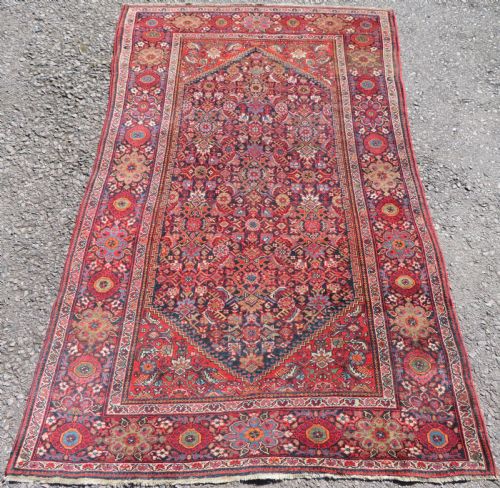


Fine Persian Area Rug
A fine persian area rug brings centuries of woven artistry, intricate medallions and rich floral motifs into a room.
Fine Persian Area Rug
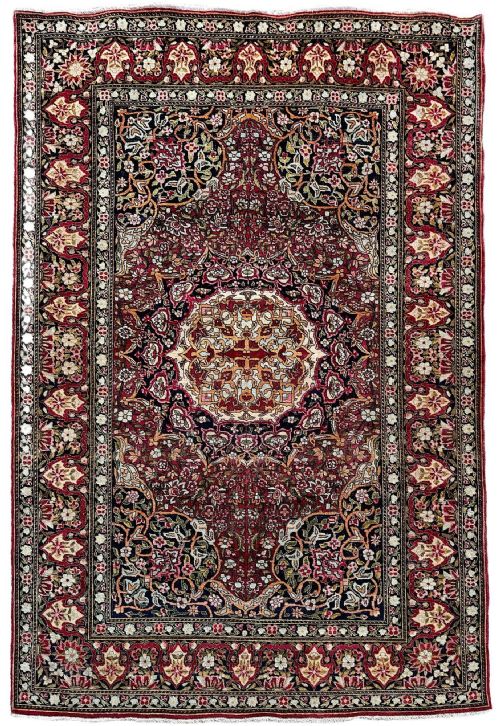
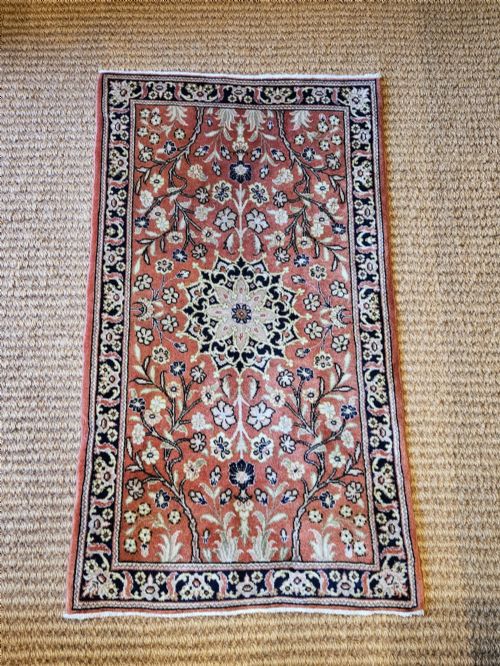
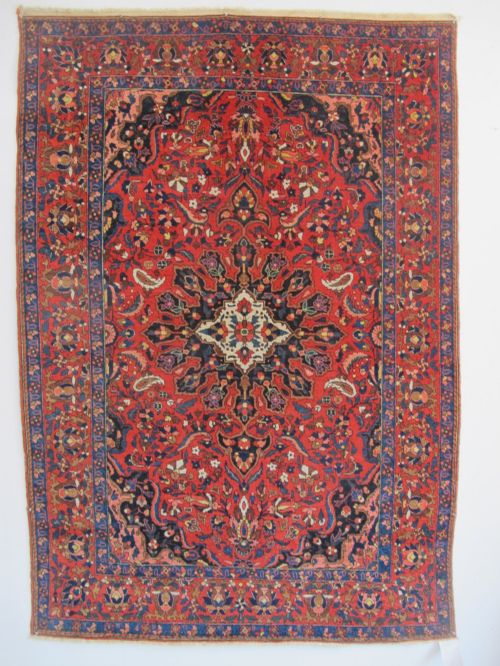
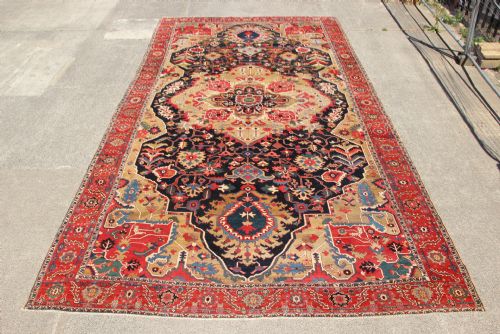
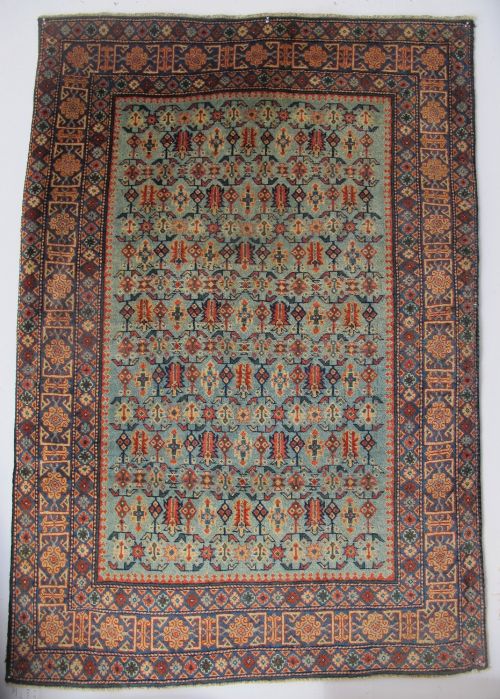
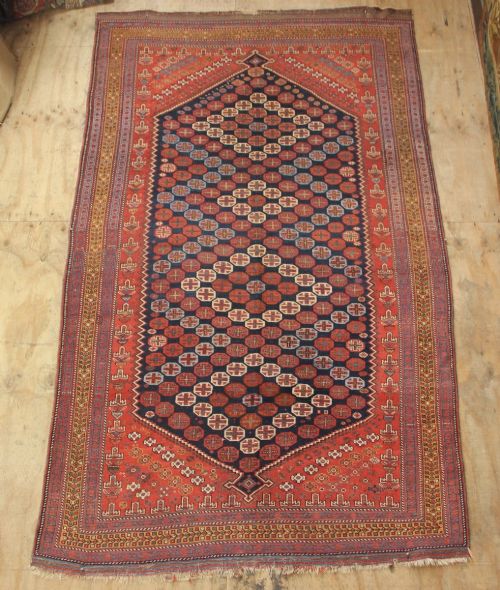
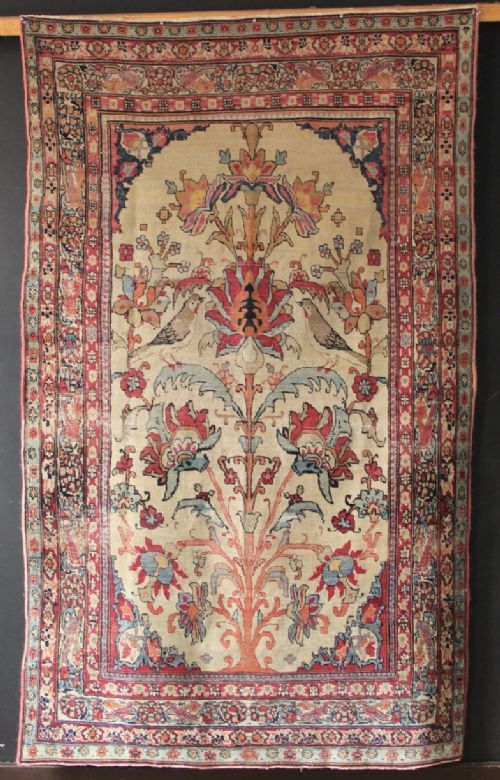
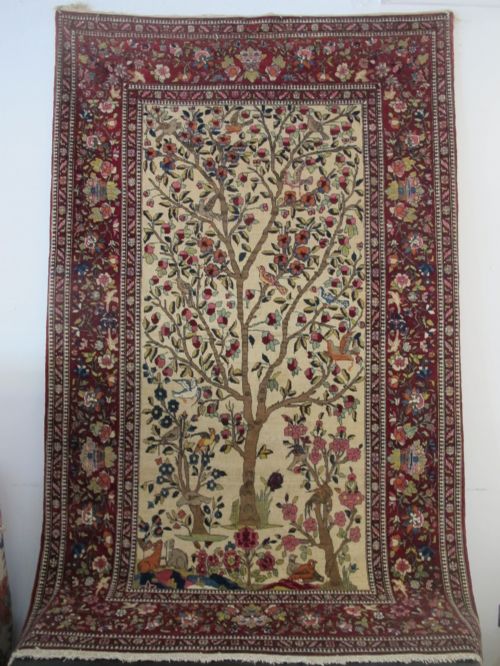
A fine persian area rug represents centuries of traditional craftsmanship originating from weaving centres across Persia, including Isfahan, Tabriz, Kashan, and Heriz. These floor coverings vary from compact hearth sizes to expansive room-sized carpets, displaying distinct regional designs.
The pieces encountered on this page encompass various production eras spanning the mid-nineteenth century to the early twentieth century. Buyers encounter structured city carpets alongside village and tribal pieces like Afshar, Bakhtiar, and Senneh weaves.
Makers utilised traditional patterns such as central medallions, all-over floral sprays, and pictorial hunting scenes. Each region imparted specific characteristics to the weave, resulting in distinct geometric or curvilinear compositions.
How They Were Made
Weavers constructed these textiles by hand-knotting soft wool, lambswool, and occasional silk onto sturdy cotton or wool foundations. Silk highlights frequently accentuate details within city carpets from centres like Kashan and Nain.
Natural dyestuffs provided the deep madder reds, indigos, and subtle abrashed background tones seen across nineteenth and early twentieth-century examples. Skilled artisans tied thousands of knots per square decimetre to achieve precise, intricate pictorial and geometric layouts.
Several carpets preserve the subtle footprints of nomadic weavers who walked away from the loom before finishing the border.
What Varies In Quality
Knot density and structural fineness dictate the clarity of the design and the resilience of the pile. Finer weaves executed with high-grade wool or pure silk allow for complex curves and detailed rendering of floral motifs.
The complexity of the regional design, the integrity of the original borders, and the harmonious fading of natural dyes determine the visual standing of an antique piece. Master workshops from cities like Isfahan and Tabriz achieved exceptional precision in their symmetrical compositions.
The Fine Persian Area Rug Glossary
- Medallion
- A symmetrical central ornamental design motif placed in the middle of the field. Most classical Persian carpets feature this focal element.
- Abrasch
- A subtle tonal variation in the colour of the yarn, caused by independent dye batches or changes in wool supply over time. This characteristic confirms the use of traditional natural dyeing methods.
- Pile
- The vertical or slanted upright yarn that forms the soft surface of the rug. It is created by knotting warp and weft threads together.
- Warp
- The stationary longitudinal threads stretched across the loom that form the structural skeleton of the rug. Fringe ends typically emerge directly from these parallel cords.
- Weft
- The horizontal threads passed across and interlaced between warp threads to secure the knots in place. Multiple weft shots often stiffen the foundation of village weaves.
Fine Persian Area Rug: Frequently Asked Questions
How do I choose the right size rug?
Consider the proportions of your room and the furniture arrangement you plan to use. Smaller hearth sizes suit intimate spaces or entryways, while larger room-sized carpets anchor main living areas.
Measure your floor space carefully, leaving an appropriate border of exposed flooring around the perimeter of the rug. This frames the textile and balances the overall room composition.
Where were these rugs made?
These textiles originate from specific cities, towns, and tribal regions across Persia. Prominent weaving centres include Isfahan, Tabriz, Kashan, Kerman, and Heriz.
Each location developed distinct aesthetic traditions, colour palettes, and knotting techniques that allow knowledgeable observers to identify their geographical origin.
Are these pieces made of silk or wool?
Most examples utilise hand-knotted wool or lambswool piled onto cotton foundations. Some finer pieces incorporate pure silk piles or feature delicate silk highlights within wool fields.
Material choices typically reflect the weaving traditions of specific regions, with city workshops frequently employing finer materials than remote tribal groups.
How do I care for an antique rug?
Vacuum gently using suction attachment tools without revolving beater bars to protect the delicate wool or silk pile. Professional antique textile cleaning is recommended for deep maintenance.
Keep the rug out of direct, prolonged sunlight to prevent natural dyes from fading unevenly across the surface over the years.