

Fine Diamond Necklace
A fine diamond necklace brings together historic craftsmanship and precious stones, offering an enduring piece of wearable history for any collector.
Fine Diamond Necklace
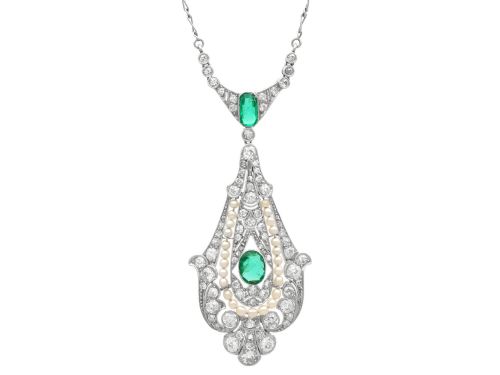
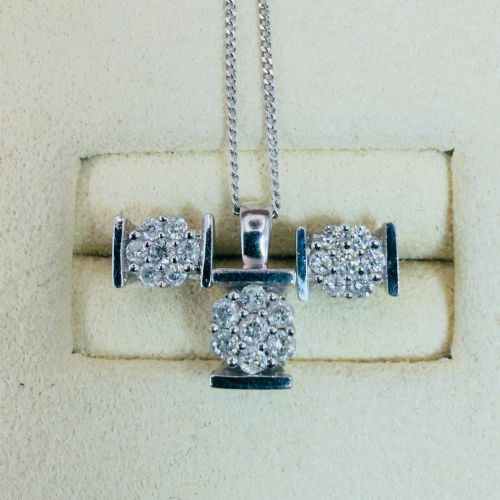
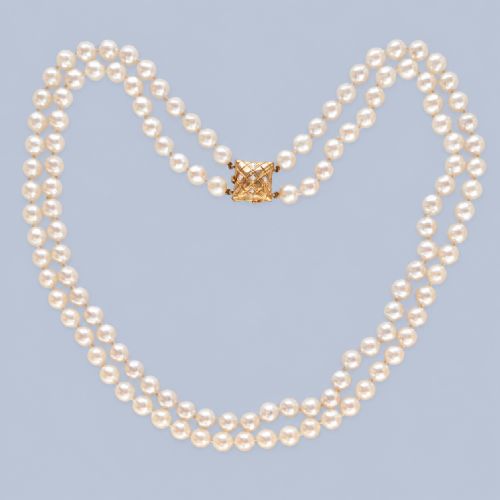
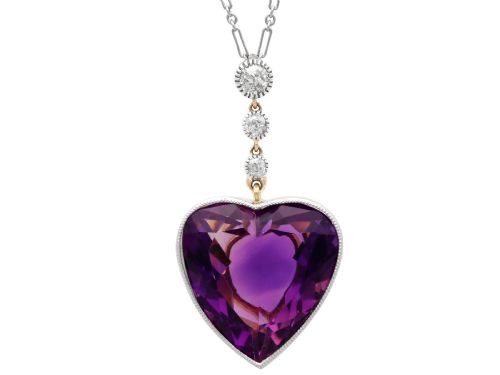
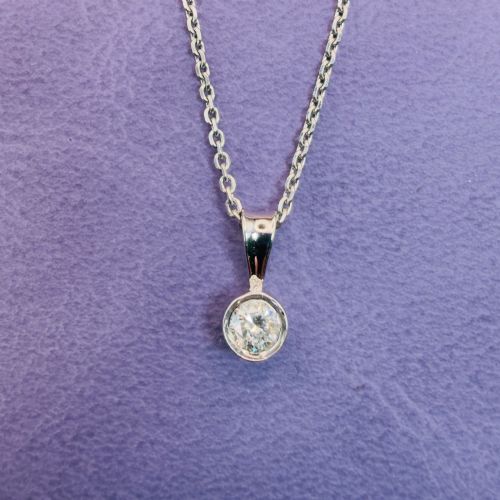
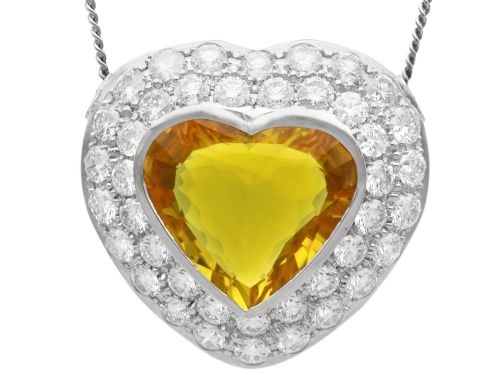
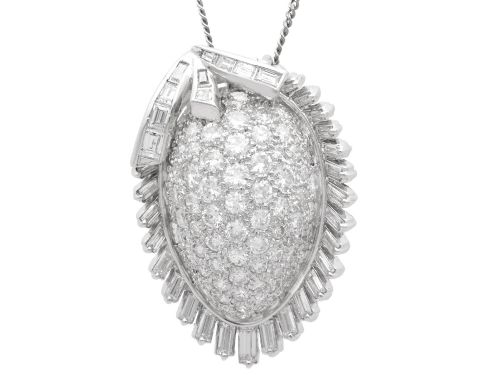
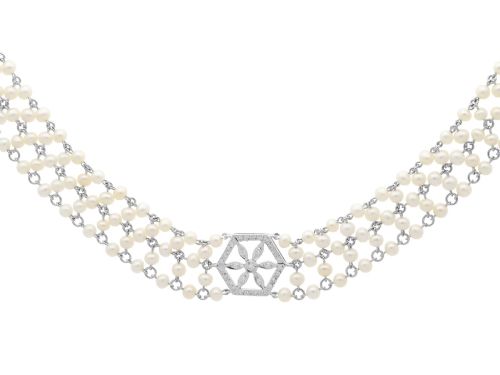
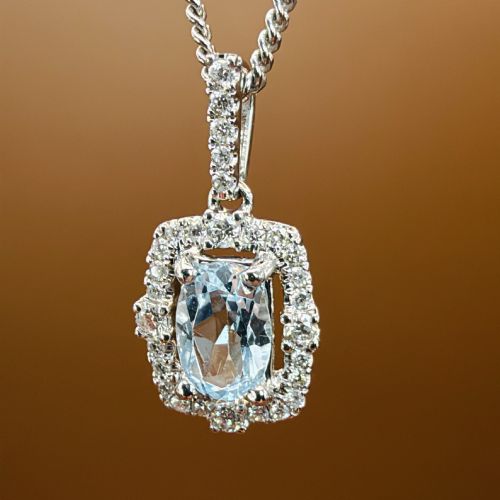
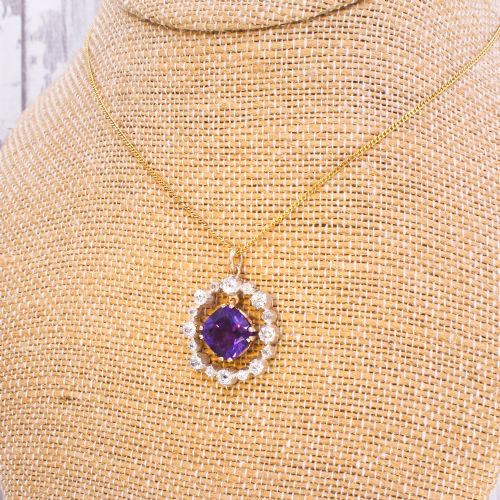
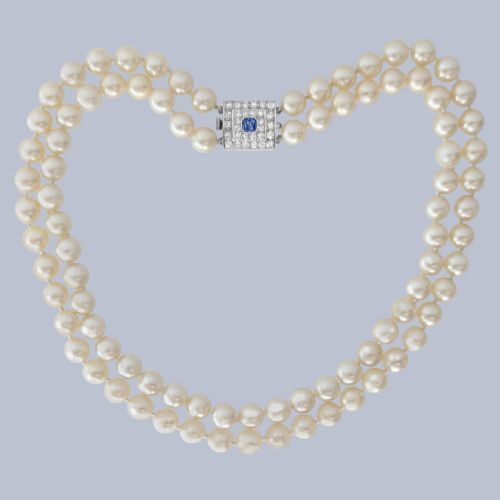
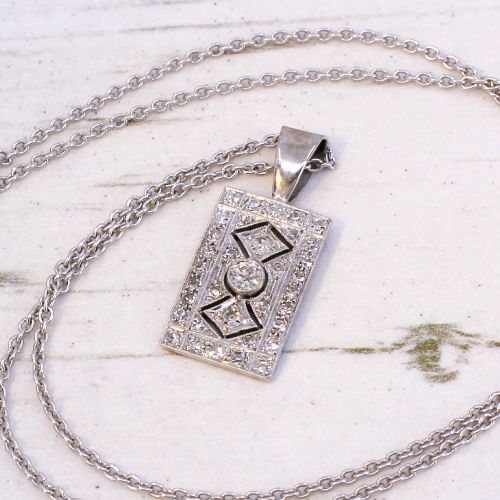
When searching for a fine diamond necklace, you encounter an array of historical periods ranging from the turn of the twentieth century through the Art Deco era and into the mid-century decades. These pieces primarily manifest as pendants, drop necklaces, and pearl strands secured with gem-set clasps.
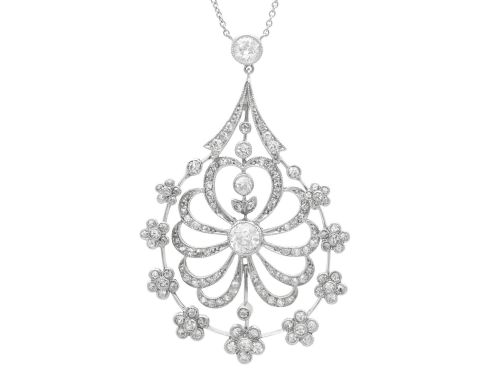
The selection on this page relies heavily on Edwardian delicacy and the geometric precision of the 1920s and 1930s. Platinum settings and various karats of gold frequently house central diamonds accompanied by sapphires, emeralds, aquamarines, and cultured pearls.
How they were made
Master jewellers of the early to mid-twentieth century predominantly utilised platinum and white gold to construct lightweight, robust settings that maximised the brilliance of old-cut and modern brilliant-cut diamonds. Platinum allowed for intricate piercing and millegrain edging without compromising structural integrity.
Coloured gemstones such as emeralds, sapphires, and aquamarines were meticulously cut and calibrated to complement the surrounding diamond clusters. Pearls were strung with silk, often incorporating ornate clasps functioning simultaneously as functional closures and decorative pendant elements.
Fine Diamond Necklace Retail Price Guide 2026
Typical asking prices for fine diamond necklace among the pieces listed under this phrase on Sellingantiques today, from the lower quarter to the upper quarter. They describe what is for sale here now, not the wider market.
Some mid-century designers incorporated carved tourmaline carved into miniature horse heads alongside diamonds, proving that historical jewellers loved a touch of whimsy.
What varies in quality
The tier of a piece depends on the proportion and quality of the central stones relative to the supporting melee diamonds, alongside the finesse of the metalwork. Hand-worked platinum detailing and precise claw or bezel settings indicate superior atelier production.
The origin and grading of accompanying pearls, rubies, or emeralds heavily influence the overall standard. Original components that remain unaltered and retain their synchronised clasp designs command greater appreciation among discerning collectors.
Chaumet
The Fine Diamond Necklace Glossary
- Millegrain
- A decorative jewellery technique involving a line of tiny raised metal beads along the edge of a setting. This method softens the transition between metal and stone, prevalent in Edwardian and Art Deco designs.
- Old Cut
- A diamond cutting style popular before the advent of the modern brilliant cut in the mid-twentieth century. These stones typically feature smaller tables, higher crowns, and larger culets that produce a softer, candlelight shimmer.
- Solitaire
- A single gemstone mounted by itself on a ring, earring, or pendant necklace. In fine diamond jewellery, this focuses attention entirely on the weight, clarity, and optical properties of one principal stone.
- Cluster
- An arrangement of smaller gemstones clustered tightly around a larger central stone or grouped to form a unified decorative motif. This technique amplifies the overall visual presence of the jewellery piece.
Fine Diamond Necklace: Frequently Asked Questions
How do I date a diamond necklace?
Dating relies on examining the metal choices, gemstone cuts, and manufacturing techniques evident in the piece. Platinum dominance and delicate millegrain often point to Edwardian or Art Deco periods, whereas heavier yellow gold points toward mid-century production.
Examining the clasp construction and chain type provides further clues to the decade of origin. Consulting hallmarks and professional certifications helps confirm the exact manufacturing era.
Are pearl strands considered diamond necklaces?
Many antique and vintage pearl necklaces feature prominent diamond-set clasps designed to be worn at the front or side of the neck. These pieces bridge the category between pearl strands and diamond pendants.
Collectors often seek these combination pieces for their versatility and intricate clasp work. The diamond content in the clasp frequently elevates the piece into fine jewellery territory.
How should I care for antique necklaces?
Historic jewellery requires gentle handling due to the age of the settings and organic materials like pearls. Regular checks on claw integrity and silk stringing prevent the loss of precious stones or beads.
Professional cleaning should be performed with caution, avoiding harsh ultrasonic baths for pieces containing emeralds or pearls. Storing items individually in soft pouches protects the metalwork from surface scratches.
What is an old cut diamond?
An old cut diamond refers to stones shaped by hand before modern machinery standardised facet counts. These diamonds display distinct optical characteristics, including deeper pavilions and smaller tables.
Their faceting pattern is optimised for ambient and candlelight rather than electric illumination. This historical cutting method imparts a distinct charm highly prized by antique jewellery enthusiasts.