
Fine Diamond Jewellery
Fine diamond jewellery brings together historic gold and platinum settings with brilliant stones to wear every day.
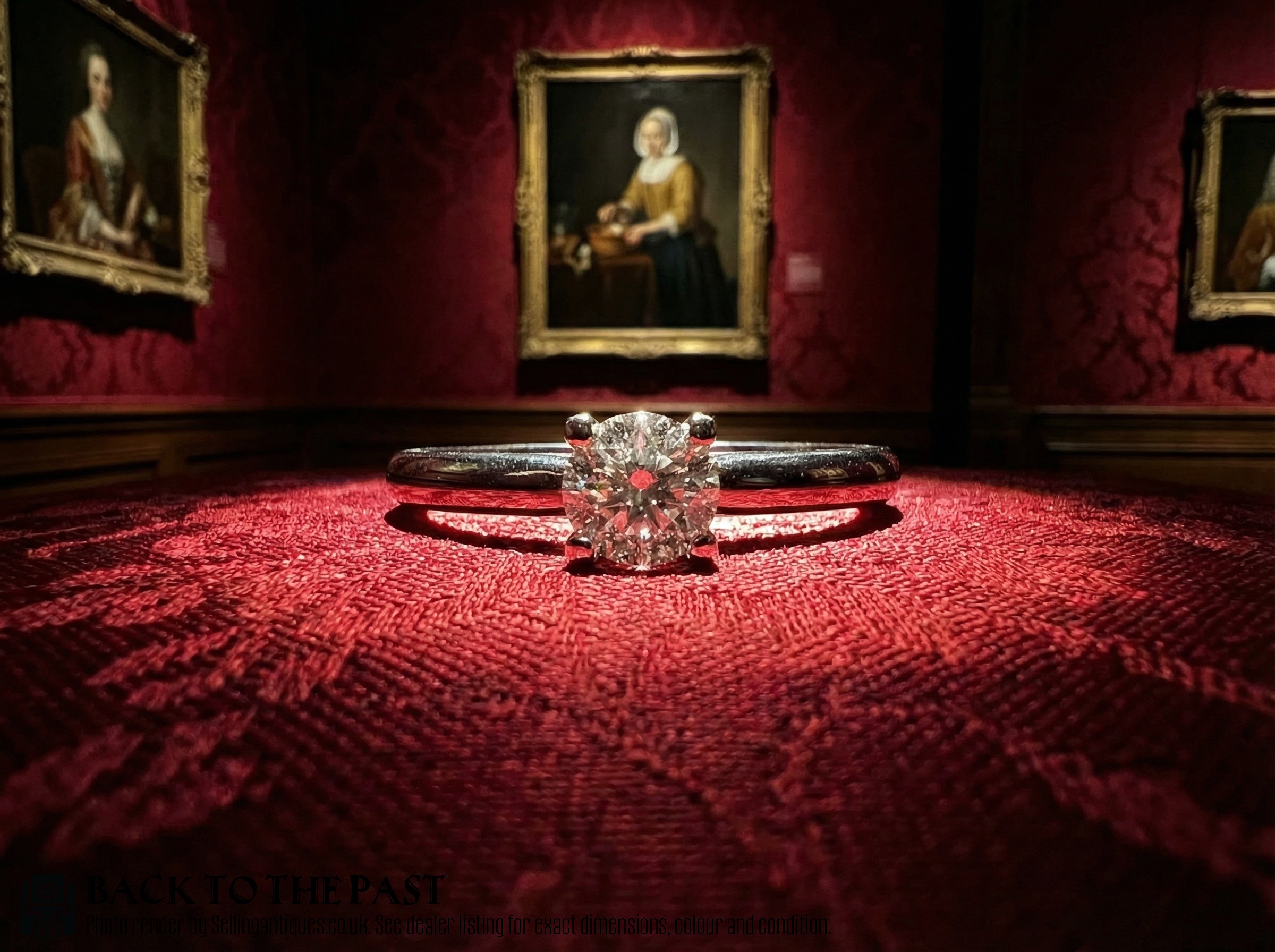
Fine Diamond Jewellery
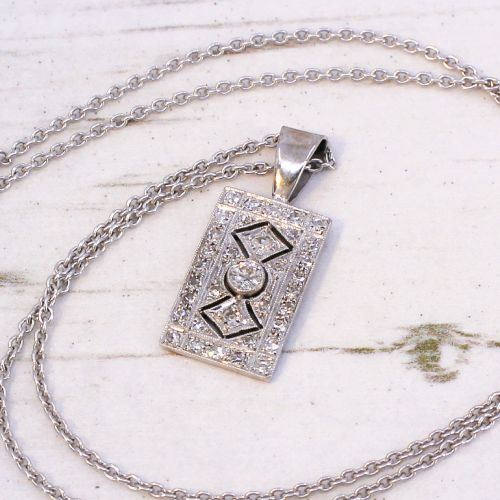
When you search for fine diamond jewellery, you encounter rings, earrings, pendants, and bangles spanning multiple historic periods. Victorian, Edwardian, and Art Deco designs sit alongside mid-century pieces set in yellow gold, white gold, and platinum.
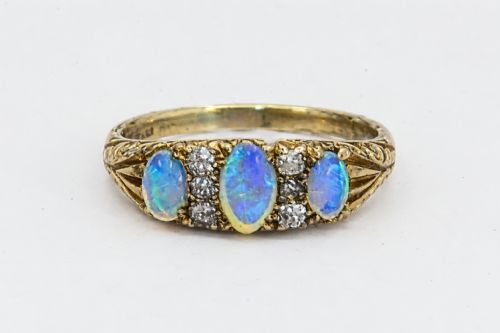
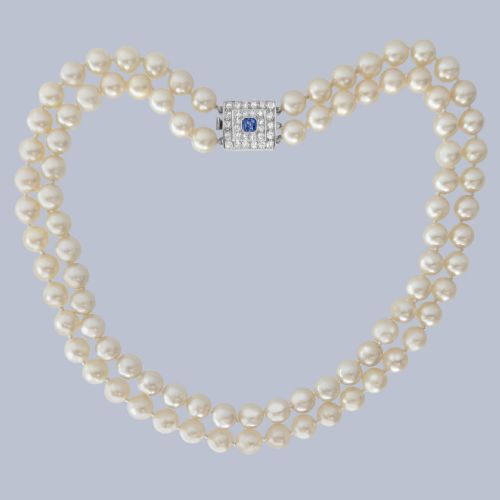
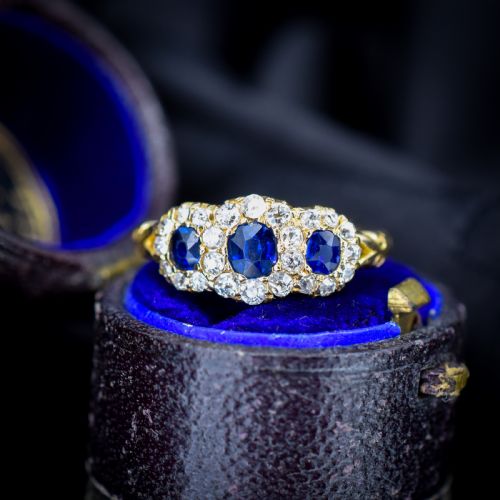
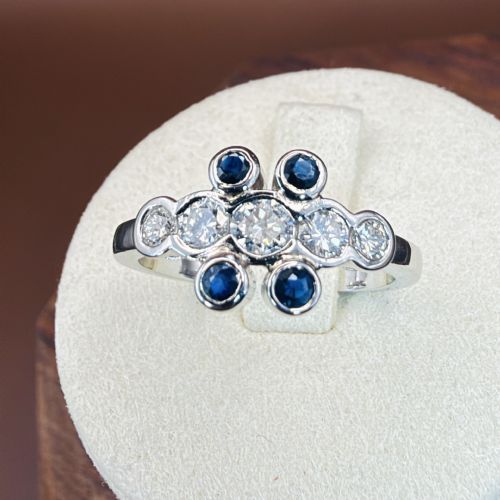
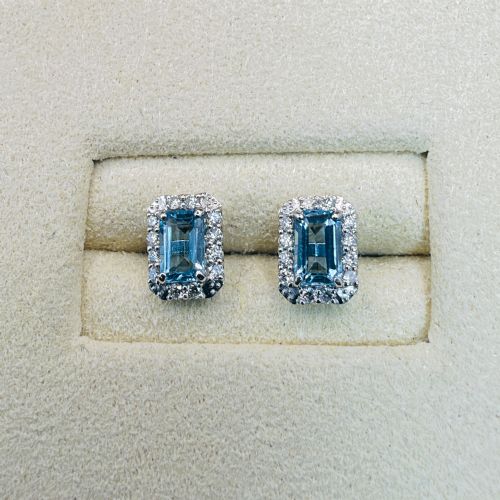
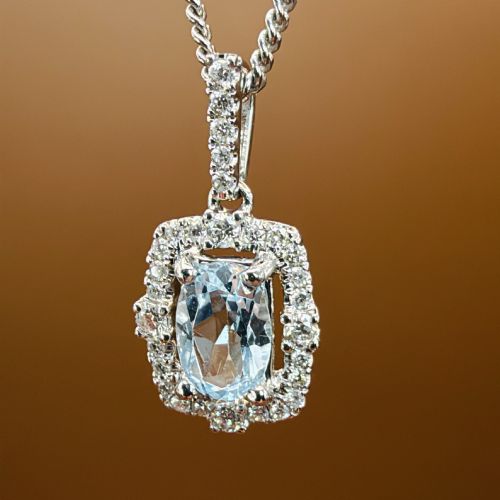
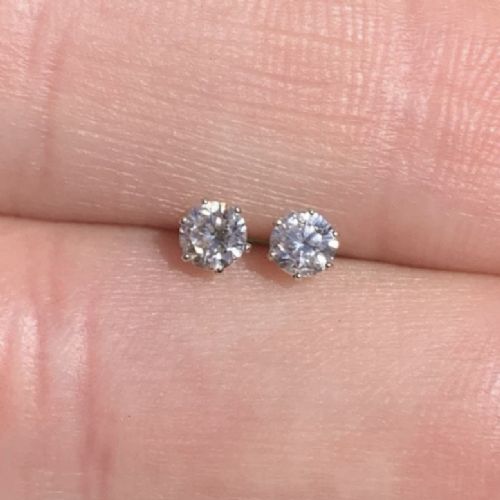
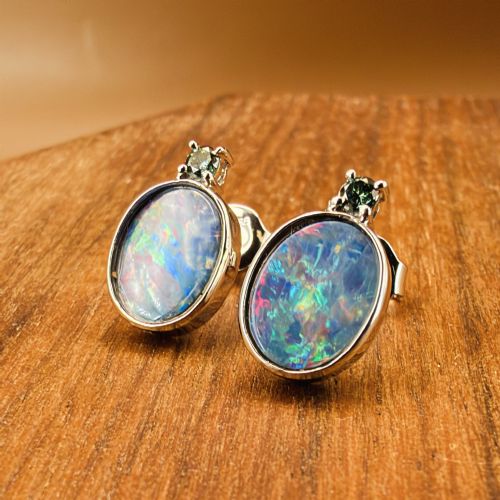
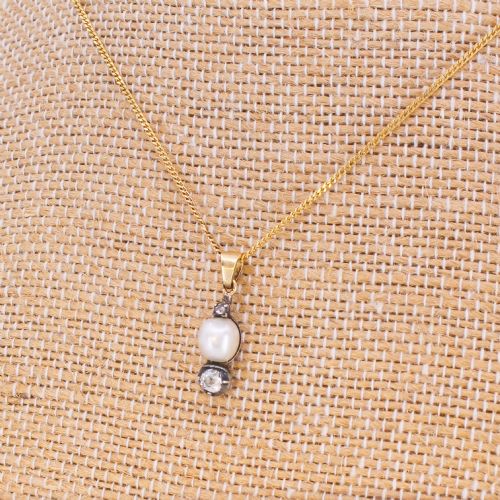
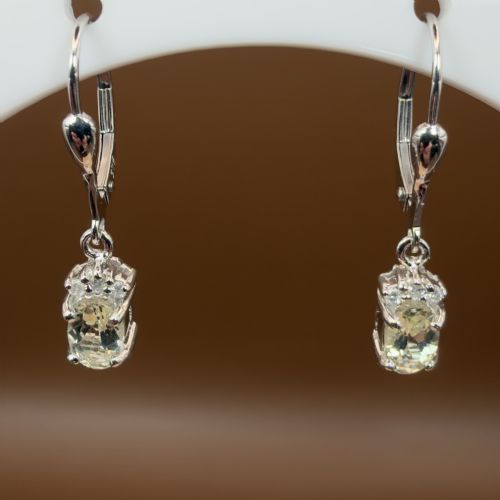
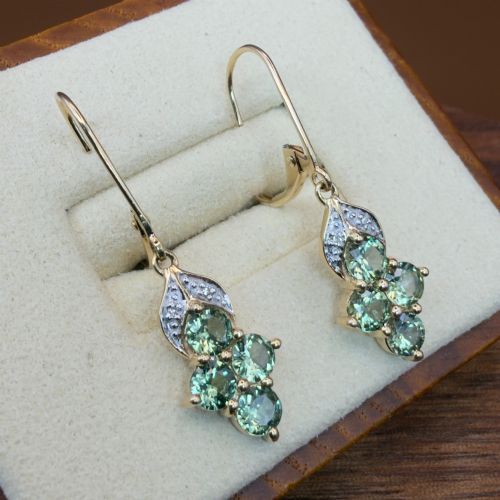
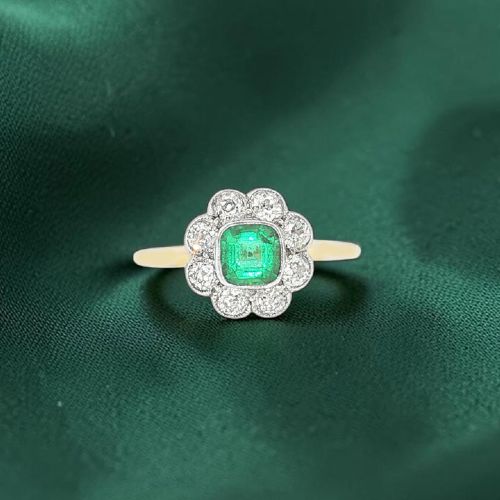
The pieces most frequently met on this page include cluster rings, drop earrings, and pearl necklaces secured with diamond clasps. Gemstones such as sapphire, emerald, ruby, aquamarine, and opal frequently accompany the diamonds.
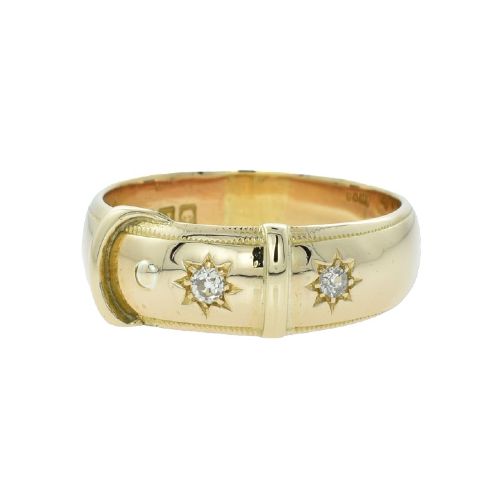
Makers and periods range from nineteenth-century buckle rings to mid-century cocktail rings and twentieth-century brooches. Each item reflects the metalworking and gemstone-cutting standards of its specific decade.
How they were made
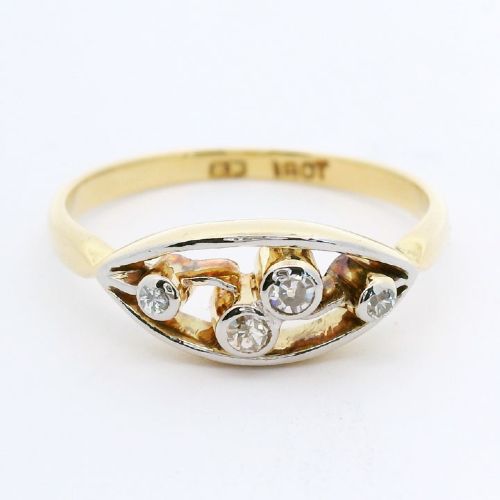
Craftsmen utilised platinum and various grades of gold, including 9ct, 14ct, 15ct, and 18ct, to anchor the stones securely. Settings often involve intricate claw, bezel, or flush mounts designed to showcase the brilliance of the diamonds.
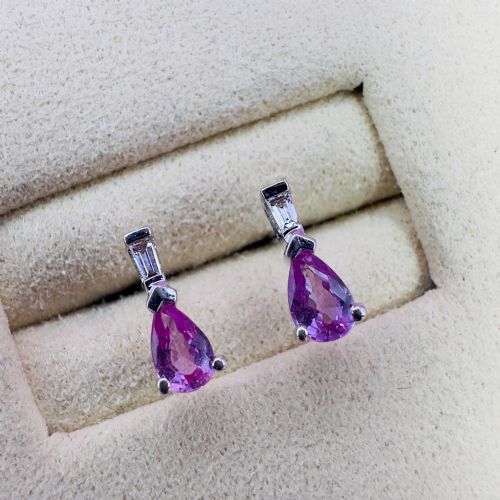
Stones encountered on these pieces include old-cut, old mine-cut, and rose-cut diamonds alongside square, oval, pear, and navette-cut coloured gemstones. Pearls are strung and secured with clasps formed from precious metals and set with smaller accent stones.
Fine Diamond Jewellery Retail Price Guide 2026
Typical asking prices for fine diamond jewellery among the pieces listed under this phrase on Sellingantiques today, from the lower quarter to the upper quarter. They describe what is for sale here now, not the wider market.
Gemstones paired with diamonds across these pieces include sapphires, emeralds, rubies, aquamarines, kunzite, opals, and natural pearls.
What varies in quality
Quality rests upon the harmony of the design and the integrity of the setting work. Metalwork that maintains crisp lines and secure stone mounts separates superior examples from heavier, less refined pieces.
The character of the stones defines the piece. Natural, unheated gemstones and older diamond cuts with distinct facet patterns hold greater distinction than uniform modern equivalents.
Kutchinsky·Le Vian
The Fine Diamond Jewellery Glossary
- Old cut
- A diamond cut characteristic of the late nineteenth and early twentieth centuries, featuring a small table and deep pavilion designed to catch candlelight.
- Navette
- A boat-shaped ring setting that tapers to points at either end, popular in Victorian and Edwardian jewellery.
- Cluster ring
- A central gemstone surrounded by a border of smaller stones, frequently diamonds framing a sapphire, ruby, or emerald.
- Platinum
- A dense, durable white metal utilised extensively in Edwardian and Art Deco fine jewellery for delicate filigree and secure settings.
- Rose-cut
- A historic diamond cut with a flat base and a domed top covered in triangular facets, resembling an unopened rosebud.
Fine Diamond Jewellery: Frequently Asked Questions
How do I care for antique diamond jewellery?
Clean historic settings gently using warm water and a soft brush, avoiding harsh ultrasonic cleaners that can loosen delicate stones.
Store pieces individually in lined boxes to prevent softer gems like pearls or opals from scratching against harder diamonds.
Can antique rings be resized safely?
Most gold and platinum bands can be adjusted by a skilled jeweller without compromising the structural integrity of the setting.
Eternity rings and heavily engraved shanks require specialist attention to alter the band without disturbing the surrounding stones.
What defines an Art Deco piece?
Art Deco jewellery relies on geometric symmetry, platinum settings, and strong contrasts between diamonds and vibrant coloured gemstones.
Designs from this era discard Victorian ornamentation in favour of streamlined, architectural forms.
How are old-cut diamonds different?
Old-cut stones are shaped by hand rather than modern machinery, resulting in broader facets that produce a softer, warmer glow under low light.
Each stone is unique to the cutter who faceted it, giving historic jewellery an individuality absent in mass-produced items.