



Fine Art Religious Portrait
A fine art religious portrait brings centuries of devotion, dramatic iconography and masterly oil painting straight onto the wall.
Fine Art Religious Portrait
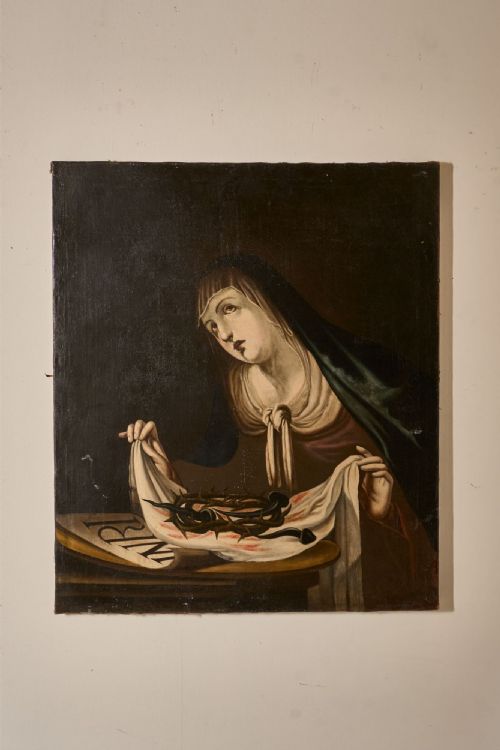
When you search for a fine art religious portrait, you encounter centuries of devotional imagery rendered in oil on canvas, pastel and copper. These works span the seventeenth, eighteenth and nineteenth centuries, alongside twentieth-century revivals of earlier aesthetics.
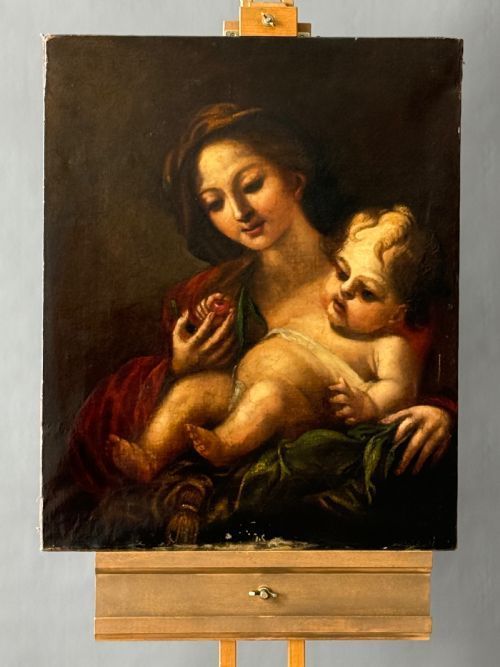
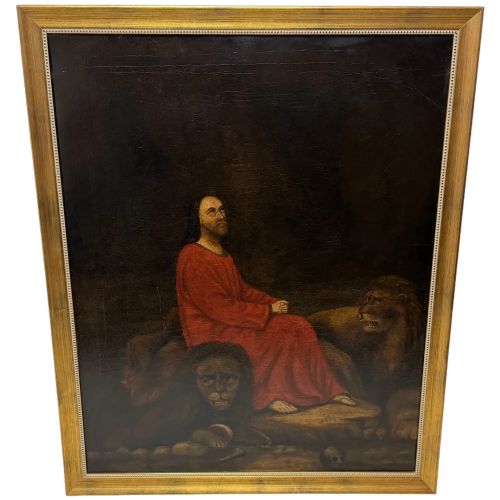
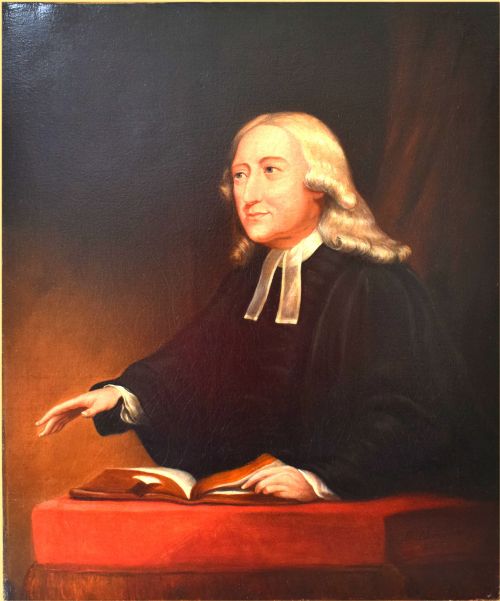
The subjects range widely from biblical narratives such as Daniel in the lions' den and depictions of Christ the Saviour to Marian scenes including the Madonna of the Cherries and the Passion of Christ. You also meet portraits of figures from church history like Martin Luther and John Wesley.
Italian Baroque, Venetian Baroque, Spanish School and Renaissance style works dominate the visual landscape. Alongside these, French Symbolist and English portrait traditions offer distinct regional interpretations of sacred themes.
Materials and Technique
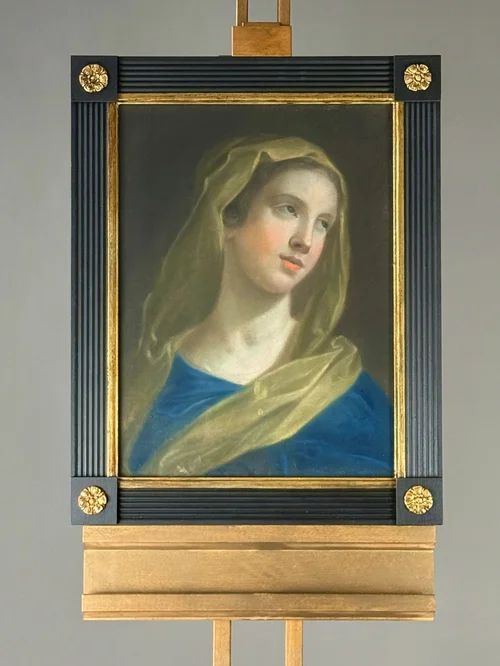
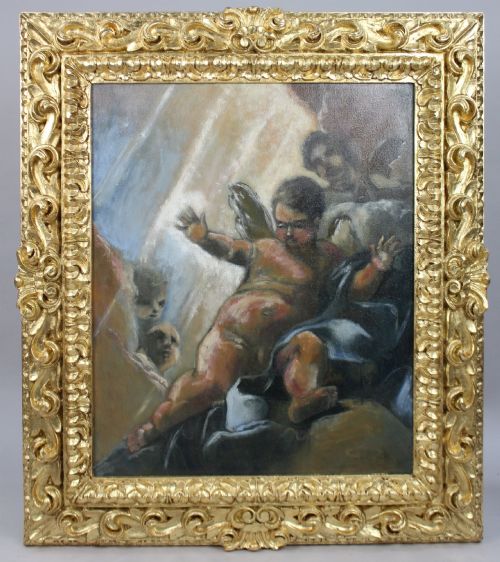
The foundational medium for these works is oil paint applied to canvas, wood panels or copper plates, complemented by occasional pastel works. Canvases are frequently housed within ornate carved giltwood or gilt wood frames that enhance the visual weight of the devotional subject.
Techniques draw upon established European schools, utilising the rich palette and dramatic chiaroscuro associated with Italian and Venetian Baroque masters. Artists balance detailed portraiture of religious figures and historical ministers with symbolic drapery, devotional books and architectural backgrounds.
Listings feature works executed in oil on canvas, wood and copper, alongside pastel, all framed primarily in giltwood.
Assessing Quality
The integration between the painting and its housing also dictates the standard of the piece. Authentic period frames, particularly carved giltwood settings that complement the age and origin of the canvas, elevate the entire object.
Benedetto Luti·Edgard Maxence·Guido Reni·John Scougall·John Jackson
The Fine Art Religious Portrait Glossary
- Oil on Canvas
- Pigments bound in a drying oil applied to a stretched cloth surface. This medium allows for rich blending of colour and enduring depth.
- Giltwood
- Wood carved and covered with a thin layer of gold leaf. It provides a luminous, reflective border suited to devotional artwork.
- Baroque
- An artistic style characterised by exaggerated motion and clear detail used to produce drama, tension and grandeur. It defines many seventeenth- and eighteenth-century Italian works.
- Symbolist
- A late nineteenth-century movement that rejected realism in favour of spiritual and mystical themes. It appears in French and Breton religious paintings.
- Old Master
- A term for a European artist of high skill working before the nineteenth century. These paintings often form the stylistic bedrock for later religious portraiture.
Fine Art Religious Portrait: Frequently Asked Questions
What periods do these religious portraits cover?
The works span from the seventeenth century through the eighteenth and nineteenth centuries, with occasional later interpretations. You will find seventeenth-century English portraits alongside Venetian and Spanish seventeenth-century devotional paintings.
Later pieces include nineteenth-century biblical narratives and twentieth-century revivals of Renaissance and Symbolist styles.
Who are the subjects depicted in these paintings?
Subjects include traditional sacred figures such as Christ, Mary Magdalene, and the Madonna and Child. Biblical narratives like Daniel in the lions' den also feature prominently.
In addition to biblical figures, the selection includes historical religious leaders and ministers such as Martin Luther and John Wesley.
How should I care for an antique religious oil painting?
Keep the painting away from direct sunlight and maintain stable indoor humidity levels to protect both the canvas and the oil paint. Avoid touching the painted surface directly.
Dust the carved giltwood frames gently with a soft, dry brush to preserve the gold leaf without disturbing the carved details.
What framing styles accompany these artworks?
Many of these pieces are set within carved giltwood or gilt wood frames that reflect their period of origin. These frames range from ornate Baroque designs to simpler Renaissance style mouldings.
The frame often serves as an integral part of the piece, complementing the devotional nature of the central portrait.