


Fine Art Portrait Drawing
A fine art portrait drawing captures a likeness through hand-applied graphite, pastel, or chalk, offering a direct window into the sitter's character.
Fine Art Portrait Drawing
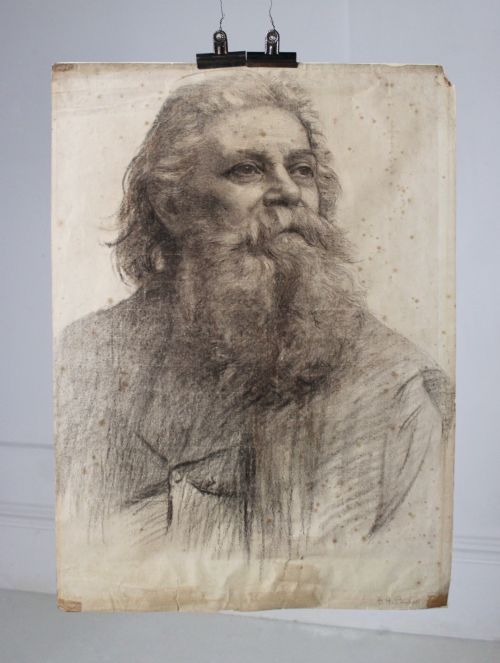
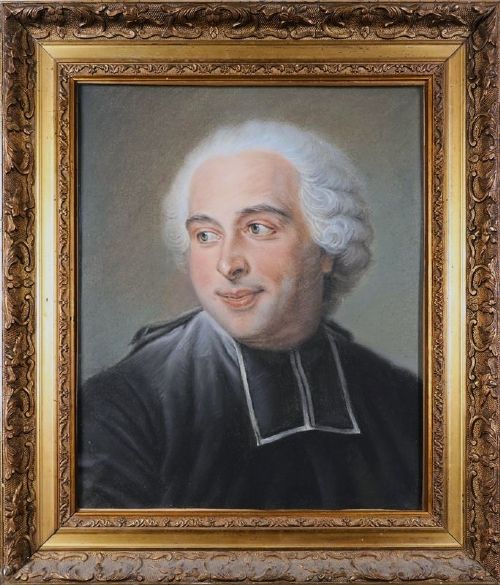
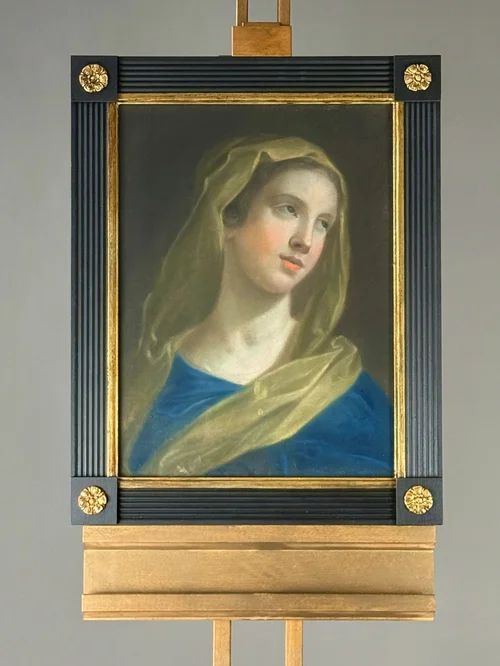
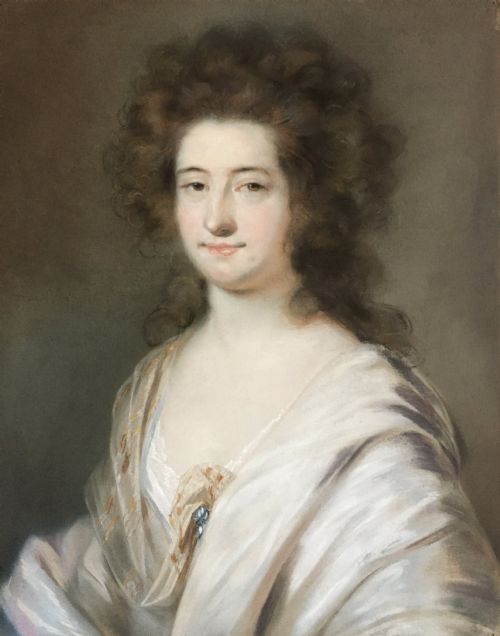
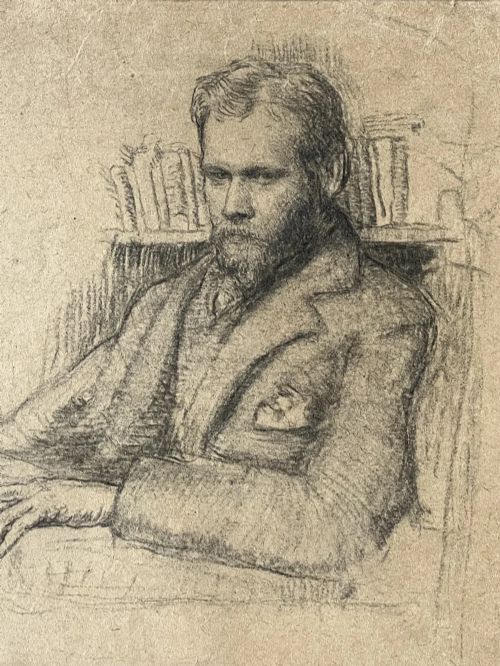
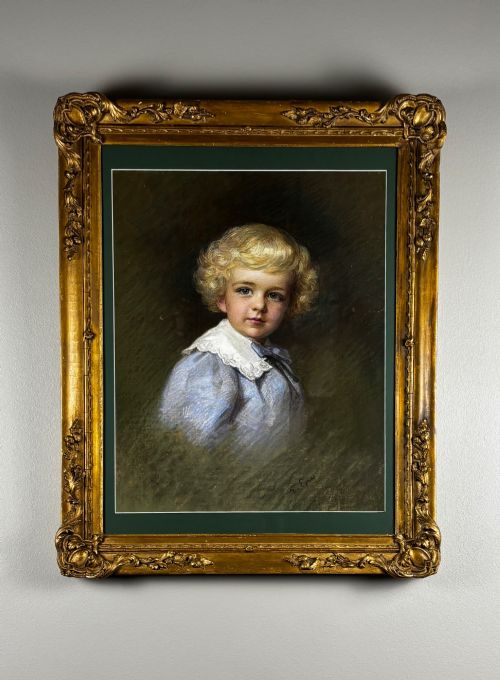
A fine art portrait drawing sits at the intersection of intimate observation and technical draughtsmanship, preserving the likeness of historical figures, family members, and sitters of note. The pieces seen here span from the eighteenth century through to the mid twentieth century, encompassing both finished exhibition pieces and rapid preparatory studies.
The selection on this page relies heavily on works executed in pastel and graphite on paper, framed behind glass to protect the fragile media. Buyers frequently encounter eighteenth and nineteenth century examples, alongside early twentieth century academic studies and modernist interpretations.
Origins vary across British, French, and Italian schools, bringing distinct regional approaches to facial structure and shadow. Whether depicting nobility, artists, or everyday subjects, these drawings function as records of human expression across successive centuries.
Materials and technique
Pastel and graphite form the backbone of these works, complemented by chalk, charcoal, sanguine, and plumbago. Artists applied these dry media to prepared paper or occasionally canvas, utilising the tooth of the surface to hold pigment and build tonal depth.
Draughtsmen worked with fine lines and deliberate cross-hatching in pencil and ink, or layered soft pigments in pastel to achieve realistic skin tones and fabric textures. The lack of liquid binders meant artists relied entirely on precise control of pressure and pigment placement.
Protective framing under glass became essential for survival, safeguarding the powdery surfaces of pastel and charcoal from disturbance and environmental degradation over generations.
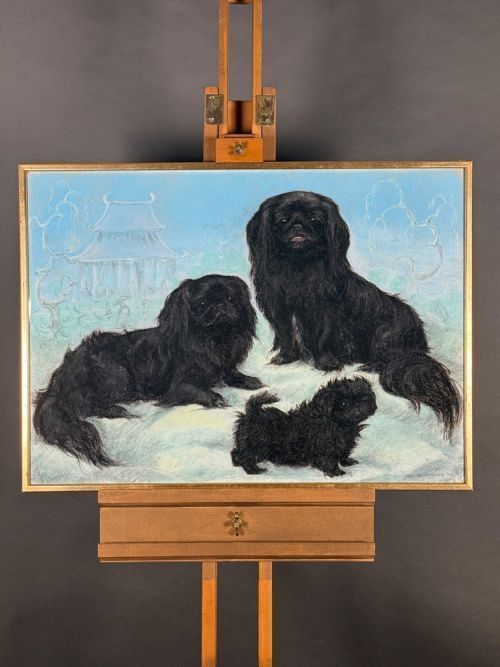
Cats and dogs occasionally share wall space with Lord Chancellors and explorers.
Distinctions in quality
The primary marker of quality lies in the draughtsman's command of anatomy and the subtlety of expression captured in the sitter's face. Superior works convey personality and bone structure with minimal, confident strokes, whereas weaker pieces rely on stiff outlines and flat shading.
Condition and originality dictate much of the standing of an antique drawing, particularly with works on paper that suffer from fading, foxing, or acid damage. Intact original frames and untouched surfaces elevate a piece above those that have undergone aggressive cleaning or restoration.
John Taylor·John Raphael Smith·Robert Faulkner·Henri Josephe Hesse·George Richmond
The Fine Art Portrait Drawing Glossary
- Plumbago
- An early form of pencil drawing utilising pure native graphite, highly popular in the seventeenth and eighteenth centuries for miniature and detailed head studies. The resulting grey metallic sheen requires careful preservation behind glass.
- Sanguine
- A reddish-brown chalk used extensively from the Renaissance onwards for life drawing and portraiture. It allows artists to model warm flesh tones with speed and sensitivity.
- Pastel
- A medium consisting of powdered pigment combined with a binder, shaped into sticks for drawing. It yields vibrant matte colours that sit directly on the paper support.
- Foxing
- Brown spots caused by chemical reactions in antique paper, common in works dating from the eighteenth and nineteenth centuries. Proper conservation can arrest its spread.
- Follower
- An artist working closely in the style of a master, either during their lifetime or shortly after, without being a direct pupil in a formal workshop.
Fine Art Portrait Drawing: Frequently Asked Questions
How do I care for antique drawings?
Keep works on paper away from direct sunlight and high humidity, which cause fading and paper degradation. Framing with acid-free mounts and UV-filtering glass ensures the delicate media remains stable.
Avoid hanging portrait drawings in kitchens or damp spaces where moisture can trigger foxing or mould growth on the paper support.
Can I remove a drawing from its frame?
Opening antique frames risks damaging the paper and disturbing historic mount boards or backing papers. Leave the framing undisturbed unless conservation work is strictly necessary.
Historic frames often provide clues to the age and provenance of the portrait, making preservation of the entire ensemble desirable.
How do I date an antique portrait?
Costume, hairstyle, and framing styles offer the most reliable clues for dating works when signatures or dates are absent. Examining the type of paper and watermark can also narrow down the decade of execution.
Inscriptions on the reverse of the frame or paper often record the sitter's identity and dates, though these should be verified against historical records.
What is the difference between pastel and graphite?
Graphite relies on carbon-based lead for monochromatic line work and subtle tonal shading. Pastel uses coloured pigment sticks to build up opaque layers of rich colour.
Pastel portraits generally function more like paintings in their use of colour and light, while graphite drawings focus on line, contour, and precise form.