


Fine Art Oil Study
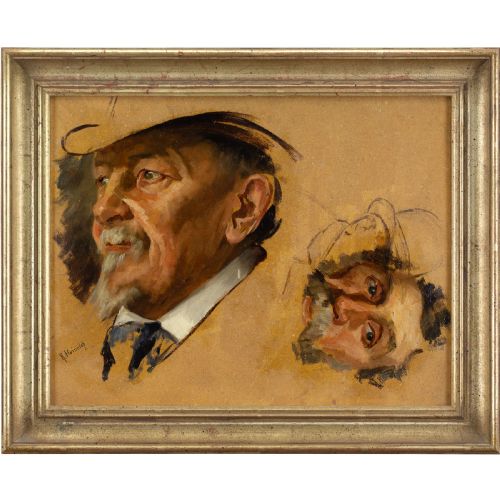
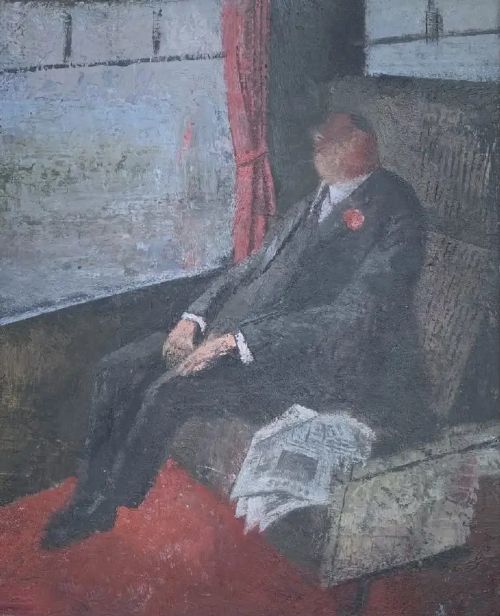
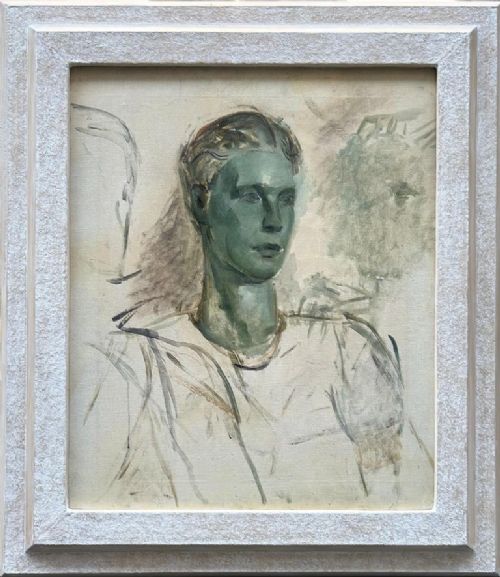
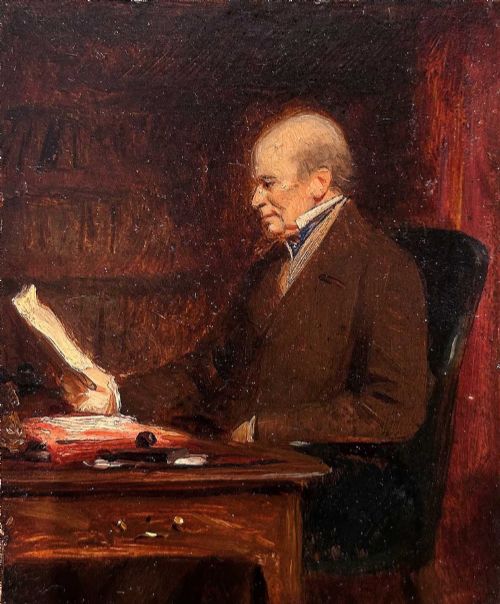
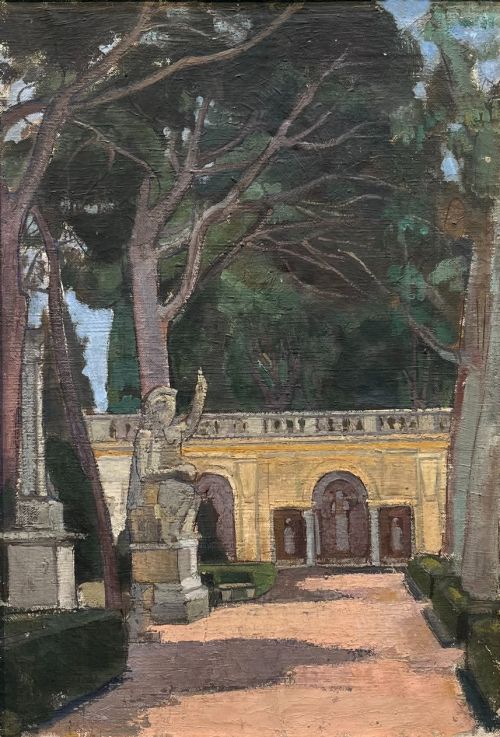
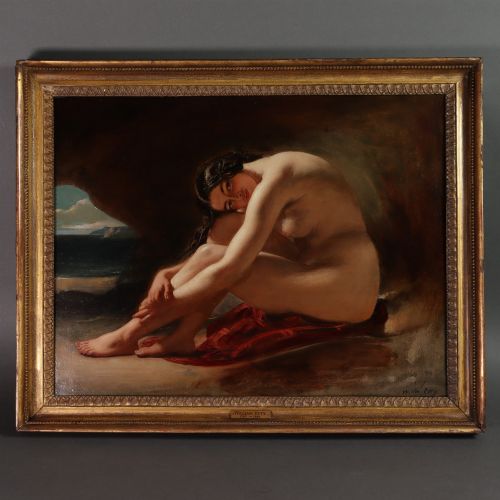
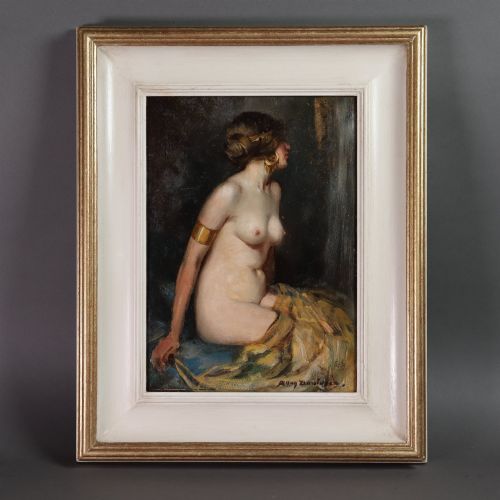
A fine art oil study captures the immediate observation or preliminary thought of an artist before it reaches a finished gallery canvas.
Fine Art Oil Study
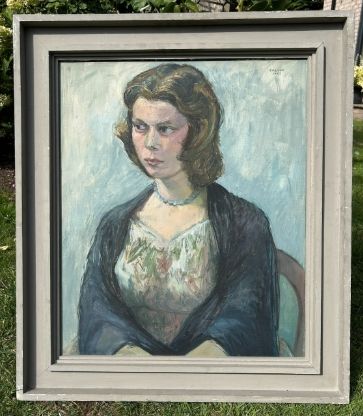
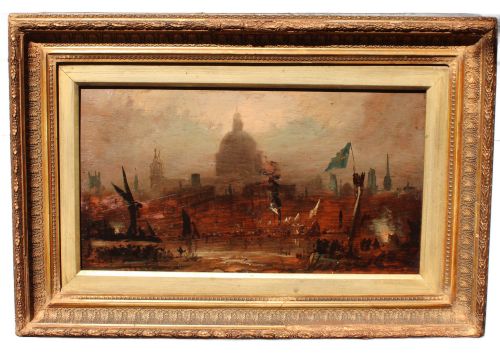
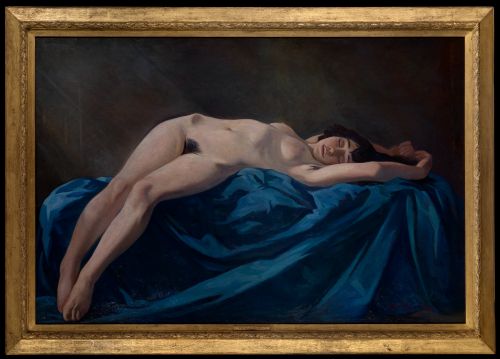
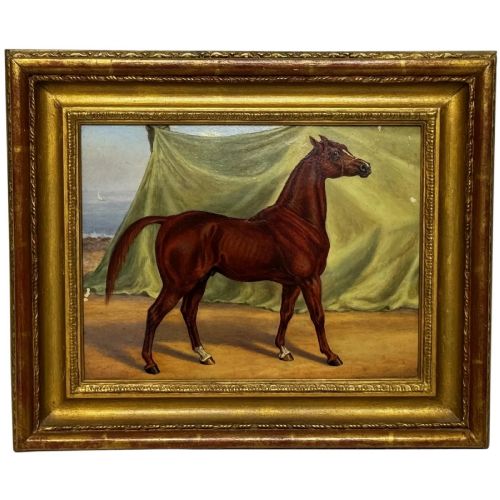
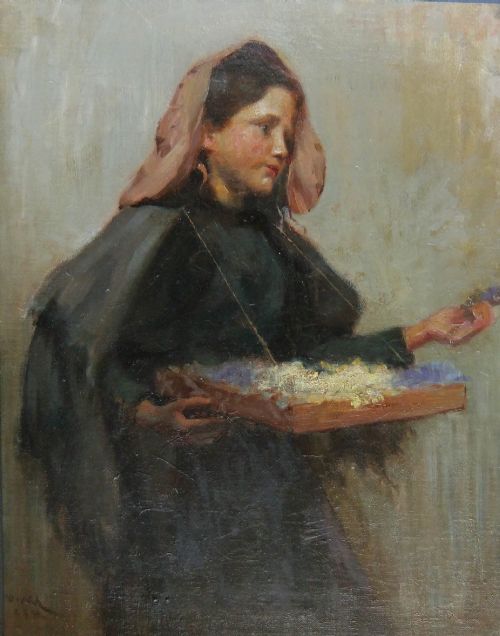
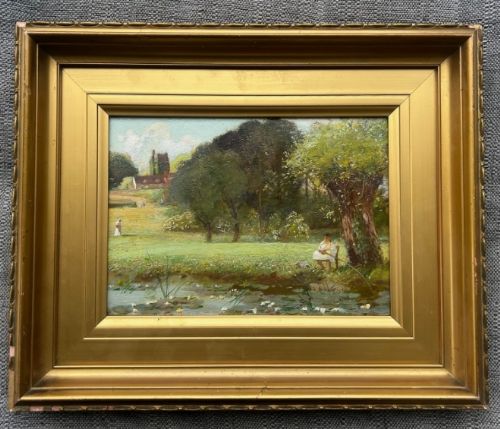
A fine art oil study represents a direct window into an artist's working method, often created to test light, tone, or composition before embarking on a larger canvas. These works range from quick portrait sketches and figurative poses to landscapes and still-life arrangements recorded across the nineteenth and twentieth centuries.
The versions most commonly met on this page include nineteenth-century and early twentieth-century examples on canvas, board, or wood panel. Painters working in British Impressionism, academic realism, and continental European schools feature prominently among the surviving pieces.
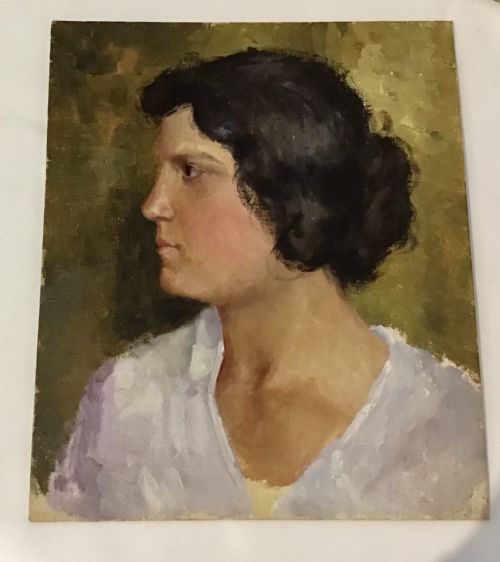
Collectors encounter rapid portrait studies of identifiable sitters alongside anonymous academic exercises and plein-air landscape sketches. Each piece preserves the spontaneous brushwork and expressive freedom that often disappears in heavily polished final paintings.
How they were made
These works rely on oil paint applied to prepared surfaces such as canvas, wood panels, or sturdy board. Artists used loaded brushes and palette knives to build up wet layers quickly, capturing transient effects of light and shadow before the medium dried.
Substrates varied according to the painter's portable requirements, with small wood panels and boards frequently utilised for outdoor excursions and studio sketches alike. Preparatory grounds applied to the canvas or panel dictated the luminous undertones visible beneath thin glazes of pigment.
Several panels preserve the accidental thumbprints of artists who clearly could not wait for their wet paint to dry.
What varies in quality
The strength of a fine art oil study lies in the confidence of the mark-making and the immediacy of the observation. Superior pieces display economy of line and purposeful brushwork that convey form and atmosphere without unnecessary elaboration.
Context and execution elevate certain works, particularly when a study links directly to a documented major commission or demonstrates the distinct palette of a recognised regional school. The tension between unfinished spontaneity and resolved draftsmanship determines the visual impact of each individual panel or canvas.
William Etty·Allan Douglas Davidson·James Clark·Hans Temple·Frank Moss Bennett
The Fine Art Oil Study Glossary
- Oil study
- A preparatory or independent painting executed in oil paint to explore a subject, lighting scheme, or composition. These works prioritise direct observation over polished finish.
- Panel
- A rigid wooden support used by artists instead of stretched canvas. Panels offered a stable and smooth surface for rapid sketching.
- Impressionism
- A nineteenth-century painting style focused on the accurate depiction of light in its changing qualities. Practitioners favoured visible brushstrokes and unblended pigments.
- Giltwood
- Carved wood treated with gold leaf or gold paint, commonly utilised for traditional picture frames. It provides a warm, reflective border that complements oil pigments.
Fine Art Oil Study: Frequently Asked Questions
What is an oil study?
An oil study is a preliminary painting created by an artist to test colours, lighting, or compositional elements before starting a larger, finished work. Many artists also painted them simply to capture a fleeting scene directly from life.
Because they were often kept in the artist's studio rather than exhibited, these works reveal uninhibited brushwork and experimental techniques that formal portraits or landscapes conceal.
Are oil studies considered finished art?
While originally intended as working tools or preparatory exercises, historical oil studies are now widely collected as complete works of art in their own right. Their raw immediacy offers a direct connection to the creator's thought process.
Collectors often value the spontaneous energy of a study above the more rigid constraints of a fully realised gallery painting.
How do I display an oil study?
Oil studies on canvas, board, or wood panel suit traditional framing that protects the edges of the substrate while complementing the period of the piece. Proper wall placement away from direct heat sources ensures the oil paint and support remain stable.
Good lighting brings out the textured impasto and subtle tonal shifts characteristic of these smaller painted works.
How can I tell the age of a study?
Dating relies on examining the physical support, the type of ground preparation used on the canvas or panel, and the framing style. Pigment analysis and the handwriting of signatures or inscriptions on the reverse also provide solid clues.
Stylistic indicators such as clothing, subject matter, and the handling of paint help narrow down the decade of creation.