





Fine Art Engraving
Fine art engraving brings together centuries of printed mastery, portraiture, and intricate metalwork that transform plain walls and personal collections.
Fine Art Engraving
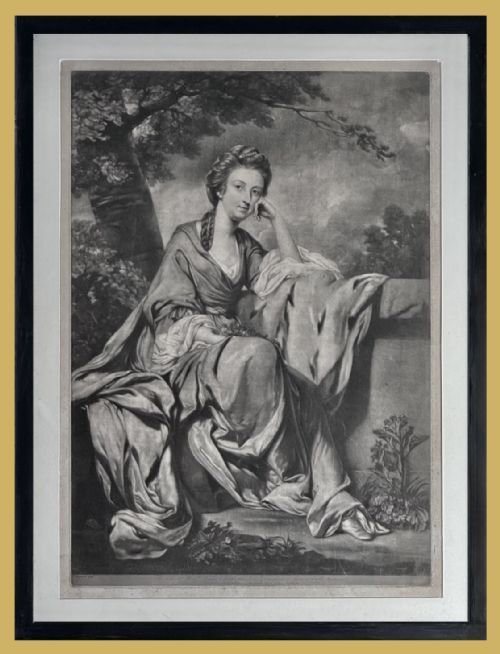
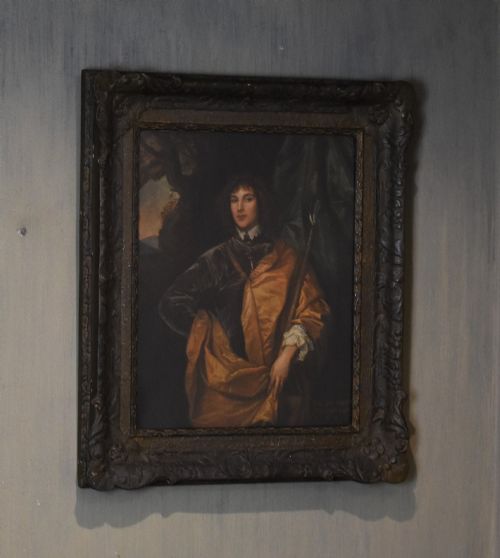
Fine art engraving encompasses printed paper works, framed prints, and engraved metal objects spanning from the seventeenth century through the art deco era. Buyers searching for fine art engraving encounter detailed copperplate prints, mezzotint portraits, and etched scenes alongside personal adornments like gold and silver bracelets.
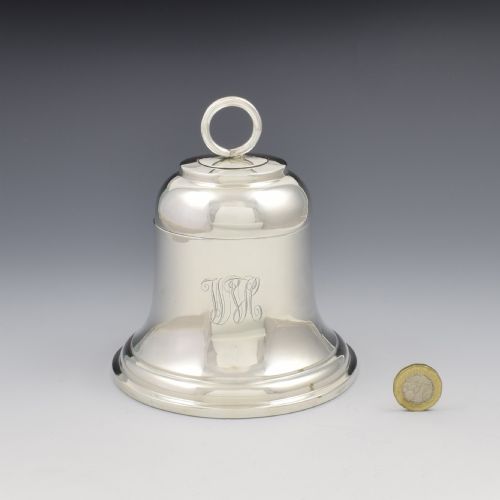
The selection ranges from eighteenth-century portrayals after Sir Joshua Reynolds and Hogarth portfolios to early twentieth-century drypoint etchings and nineteenth-century French prints. Alongside works on paper, the category includes functional items such as silver inkwells and engraved gold or silver bracelets showing period craftsmanship.
Materials and techniques of production
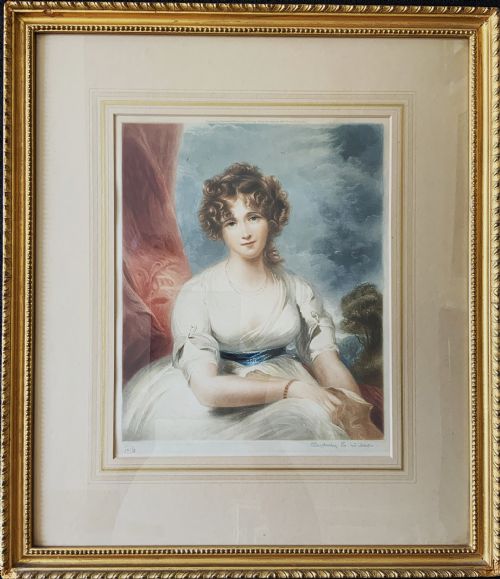
Makers utilised paper, ink, and pigment for printed works, often pairing copperplates with hand-applied colour or reverse glass painting techniques. Printmakers incised lines directly into metal plates to hold ink, transferring crisp impressions under pressure.
Metal items rely on solid silver, sterling silver, fourteen-carat and eighteen-carat gold, embellished with giltwood frames or gold leaf accents. Jewelers and silversmiths carved decorative patterns directly into metal surfaces using specialised graving tools.
Listings feature paper, glass, wood, ink, and precious metals including fourteen-carat gold, eighteen-carat gold, and solid silver.
Distinctions in quality
The distinction between tiers rests upon the crispness of the impression and the skill of the original hand behind the plate. Early strikes from copperplates display sharp lines and tonal depth, whereas worn plates yield softened details.
For metalwork and framed pieces, quality reveals itself in the precision of the engraved cartouches, the integrity of the paper or precious metal, and the harmony of period framing like giltwood.
Edward Fisher·Sebastiaan Vrancx·Valentine Green·Sydney Wilson·E.L. Riepenhausen·Sir Thomas Lawrence·Herbert Dicksee·CB Prescott·Edward Smith·Martin Hall & Co·Angelica Kauffman
The Fine Art Engraving Glossary
- Mezzotint
- A printmaking method where the copper plate is roughened to achieve rich dark tones and subtle graduations of light. This technique became particularly popular for reproducing eighteenth-century portraits.
- Drypoint
- An intaglio printmaking process where an artist scratches directly into a metal plate with a sharp needle. This creates a distinctive velvety burr along the lines that holds ink.
- Reverse glass painting
- An artwork created by painting or applying coloured mezzotints onto the back of a glass panel to be viewed from the front. This technique produces a glossy, luminous surface finish.
- Copper engraving
- A meticulous process where lines are cut directly into a copper plate with a burin. It allows for extraordinary fineness and detail in printed editions.
- Artist proof
- An impression of a print taken before the final edition is standardised, meant for the creator's personal review. These often carry particular collector value due to their early pull.
Fine Art Engraving: Frequently Asked Questions
What is a mezzotint engraving?
A mezzotint is an intricate print created by roughening a copper plate evenly to produce rich dark areas, then smoothing sections to create highlights. This tonal method allows for velvety shadows and subtle gradients.
Printers often utilised this technique for grand portraits after painters like Sir Joshua Reynolds during the eighteenth century.
How do I care for antique prints?
Antique prints on paper require protection from direct sunlight and excessive humidity to prevent fading and foxing. Acid-free mounting ensures the paper remains stable within its frame over decades.
Keep framed works away from moisture sources and maintain stable room temperatures to preserve both the ink and the paper substrate.
What distinguishes an etching from an engraving?
Engravings are cut directly into metal plates using a sharp tool called a burin, producing clean and precise lines. Etchings rely on acid biting into the metal through a protective ground layer.
Both methods produce distinct line qualities that trained collectors look for when identifying period works on paper.
How are art deco bracelets engraved?
Art deco bracelets feature geometric patterns and linear motifs carved directly into solid gold or silver surfaces. Artisans used small graving tools to cut crisp, repeating designs into the metal.
These pieces reflect the architectural aesthetic popular during the 1920s and 1930s.