


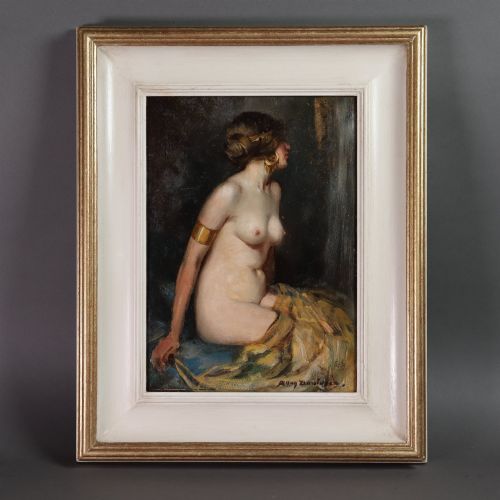


Figurative Nude Painting
Figurative nude painting captures the human form across diverse movements, offering buyers an enduring exploration of posture, light and shadow.
Figurative Nude Painting
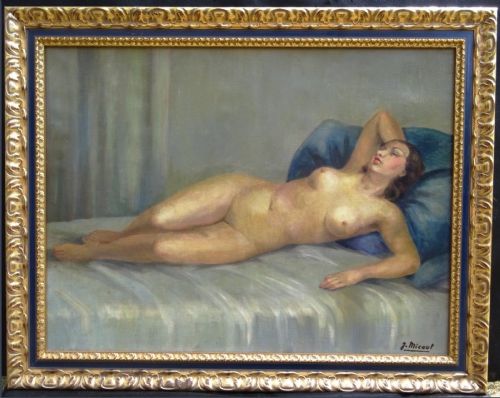
A figurative nude painting presents the human form as the central subject, rendered in styles spanning impressionism, modern british and post-impressionism.
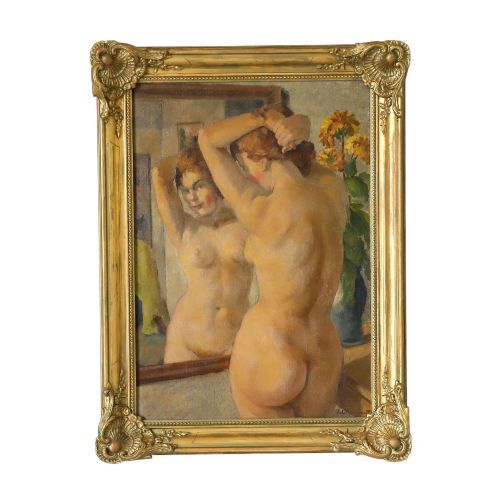
The selections available here range from intimate interior scenes and studio studies to expansive outdoor sunbathing compositions.
Originating largely from the late nineteenth century through to the mid twentieth century, these works frequently employ canvas, wood and paper supports.
How they were made
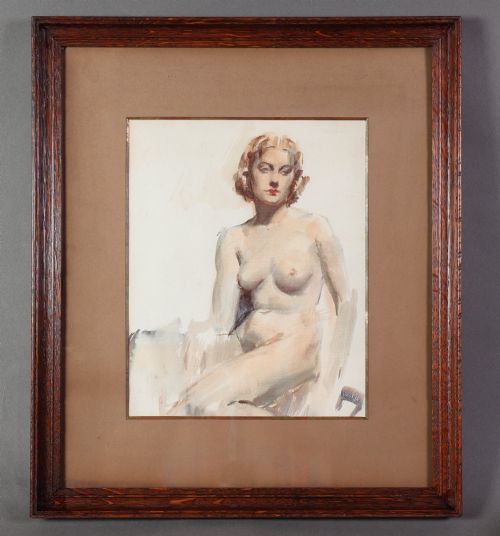
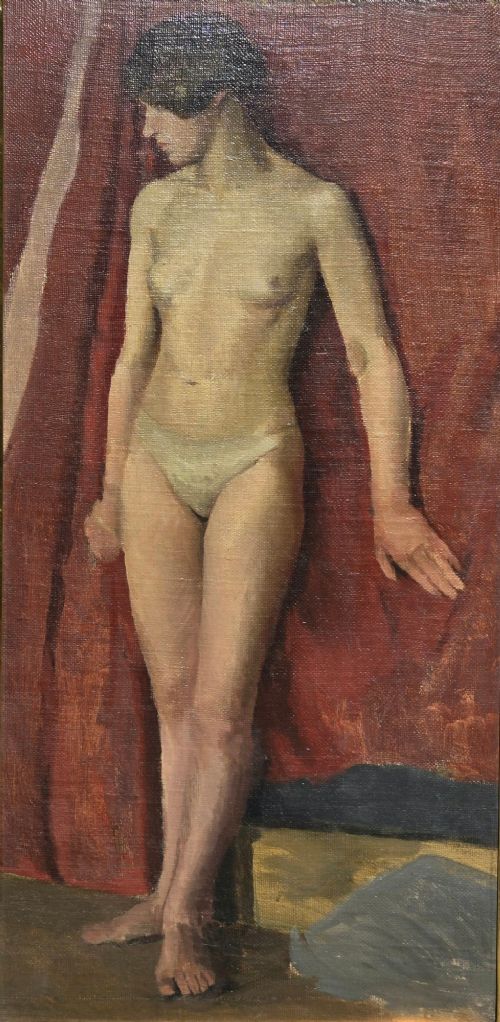
Artists deployed oil paint and pastel onto wood, canvas and paper, capturing skin tones and textures through varied brushwork.
Works often feature layered application, utilising gilt frames and glass protection to preserve the delicate pigment on paper or board.
Listings feature works spanning from the late nineteenth century through the 1960s, executed in oil, pastel and watercolour.
What varies in quality
The strength of composition and anatomical confidence dictate the distinction between a routine study and a compelling gallery piece.
Mastery in handling light, such as chiaroscuro or impressionist illumination, elevates the presence of the subject within the painted space.
Winifred Rymer·Philippe de Rougemont·Margaret Maitland Howard·Raymond Moritz·Henri Vincent-Anglade·Allan Douglas Davidson·James Clark·Fernand Jean Barbier·Peter Jackson·Jean Hippolyte Marchand·Pinchus Krémègne·Raymond Arthur Roadnight·Frank Dobson·Kees van Dongen·Auguste Renoir
The Figurative Nude Painting Glossary
- Chiaroscuro
- Strong contrast between light and dark to give a three-dimensional volume to figures. This technique emphasises dramatic lighting on the body.
- Impressionism
- A nineteenth-century movement focusing on small, thin brush strokes and accurate depiction of light. Painters prioritised open compositions and everyday scenes.
- Post-Impressionism
- An art movement extending impressionism while rejecting its limitations. Artists sought greater emotional expression and symbolic depth.
- Fauvism
- A style characterised by strong colours and painterly qualities over realistic values. Practitioners explored expressive potency through bold palettes.
- Intimist
- A style depicting domestic interior scenes with quiet, private moods. Artists in this tradition recorded intimate moments of daily life.
Figurative Nude Painting: Frequently Asked Questions
What defines a figurative nude painting?
These works focus primarily on the unclad human body, using it to explore form, light and movement.
They reflect the shifting aesthetic priorities of European and British artists across successive decades.
How were these paintings used?
Most began as studio studies, academic exercises or independent gallery works intended for private collection and domestic display.
Over time, framing with gilt or wood helped integrate them into residential interior design.
How do I live with one?
Position the artwork away from direct sunlight to protect oil paint and paper from fading over the years.
Pair the piece with neutral wall colours to let the painted tones and framing stand out.
How can I tell periods apart?
Earlier works often lean towards classical restraint or impressionist lighting, while mid-century pieces embrace bolder expressionism and post-war abstraction.
Examining the canvas support, framing style and recorded artist dates helps narrow down the decade of creation.