




Figural Torchere Lamp
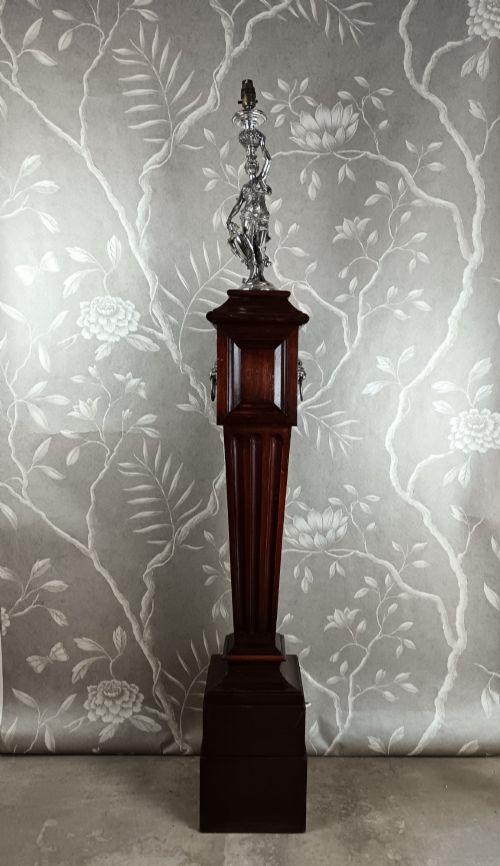
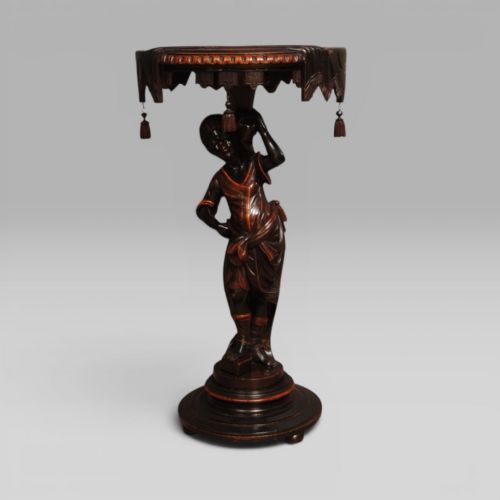
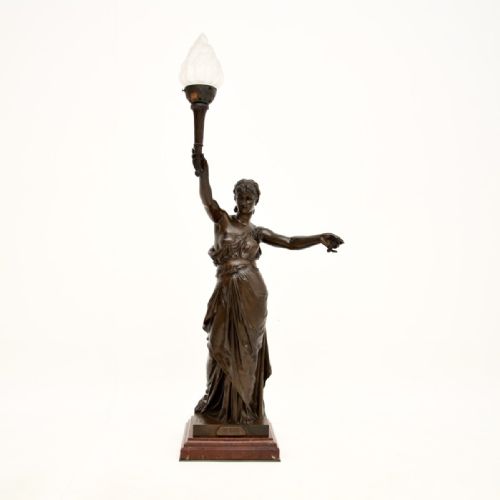
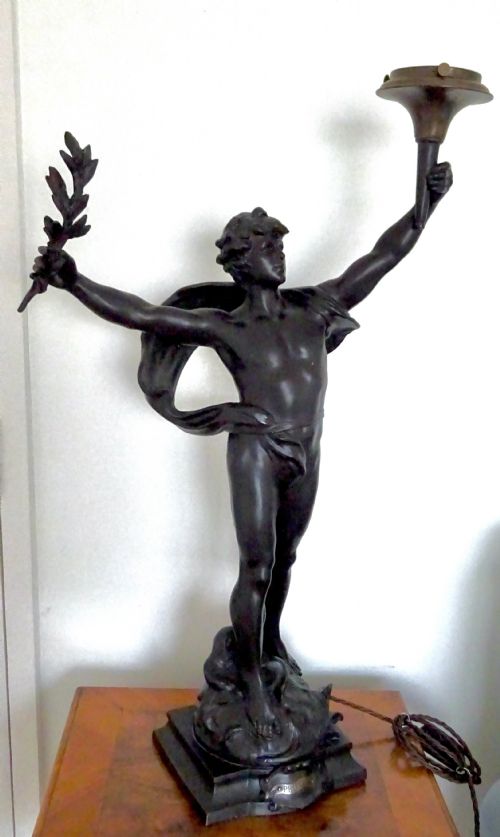
These figural torchere lamp pieces bring cast bronze and carved wood figures holding light into a room, shaped by nineteenth-century French and Venetian hands.
Figural Torchere Lamp
A figural torchere lamp combines a sculptural human or allegorical figure with a standard or table lamp structure, often holding aloft a torch or light source. When you search for figural torchere lamp pieces, you encounter works ranging from monumental bronze standing figures to carved wooden standards and smaller table lamp versions.
The materials span cast bronze, patinated spelter, carved wood and gesso, resting upon marble or china bases. Origins reach from Regency and Victorian England to French neoclassical workshops and Venetian carving traditions.
Forms include towering floor-standing torcheres alongside table lamps and standard lamps, frequently appearing in pairs or as single substantial statues.
Materials and Construction
Metal pieces rely on bronze casting or spelter moulding, often utilising mercury gilding or patination to finish the surface of figures representing classical deities, allegories or exotic subjects. Bronze examples demonstrate careful chasing of details in the drapery and hair.
Wooden examples employ carved timber finished with gesso and polychrome paint or gilding, particularly seen in Venetian traditions. Glass and frosted glass components provide the shades held by the figures.
Figural Torchere Lamp Retail Price Guide 2026
Typical asking prices for figural torchere lamp among the pieces listed under this phrase on Sellingantiques today, from the lower quarter to the upper quarter. They describe what is for sale here now, not the wider market.
Listings feature works spanning the nineteenth century up to nineteen twenty, utilising materials from carved wood and marble to cast bronze and spelter.
Judging Quality
The distinction between tiers rests upon the crispness of the casting or the depth of the wood carving in the figure's musculature and facial expression. Finer works display meticulous hand-chasing on bronze surfaces and signed bases by known sculptors, whereas simpler pieces utilise cast spelter with painted or plated finishes.
Proportion and stance dictate the visual balance of the standard, separating ambitious sculptural compositions from standard production lighting.
WMF·F. De Luca·Emile Picault·Humphrey Hopper·Jean-Jules Cambos·François-Christophe-Armand Toussaint·Coutan·Moreau
The Figural Torchere Lamp Glossary
- Torchere
- A tall ornamental stand or floor lamp designed to carry a light source, originating from seventeenth-century candle stands. They elevate the illumination above eye level.
- Spelter
- An alloy of zinc and lead used as a less costly alternative to bronze, commonly electroplated or painted to simulate heavier metals. It takes fine mould details but feels lighter to the touch.
- Patinated
- Treated with chemical solutions or heat to give the metal surface an aged colour or dark tone. This finish protects the underlying bronze from oxidation.
- Gesso
- A plaster mixture applied to wood surfaces as a smooth base for gilding or polychrome paint. It allows intricate relief decoration before finishing.
- Jugendstil
- The continental European variant of Art Nouveau, prominent around nineteen hundred, favouring flowing organic lines. It influences the decorative motifs on the lamp bases and shades.
Figural Torchere Lamp: Frequently Asked Questions
What is a figural torchere lamp?
A figural torchere lamp is a lighting fixture featuring a sculpted human figure holding a light source or torch. These pieces function as both sculptural statues and functional lamps.
They appear as large floor-standing standards or smaller table lamp versions in bronze, spelter, and carved wood.
How do I distinguish bronze from spelter?
Bronze is heavier, colder to the touch, and allows for sharp hand-chased surface details after casting. Spelter is a softer zinc alloy that feels lighter and typically relies on surface paint or plating for its finish.
Signatures from known sculptors generally appear on bronze casts rather than spelter.
Where should I place a floor torchere?
Floor torcheres suit corners of reception rooms or beside large pieces of furniture where their height provides upward ambient light. Their sculptural presence works best with clearance around the base.
Pair examples anchor either side of a fireplace or doorway effectively.
How do I date these lamps?
Dating relies on the stylistic markers of the figure, the foundry signatures, and the materials used. Nineteenth-century examples often feature cast bronze with classical allegorical themes, while later pieces from the early twentieth century introduce spelter and new manufacturing marks.
Wiring is typically modernised for safety while retaining the original metal body.