


Female Figure Statuette
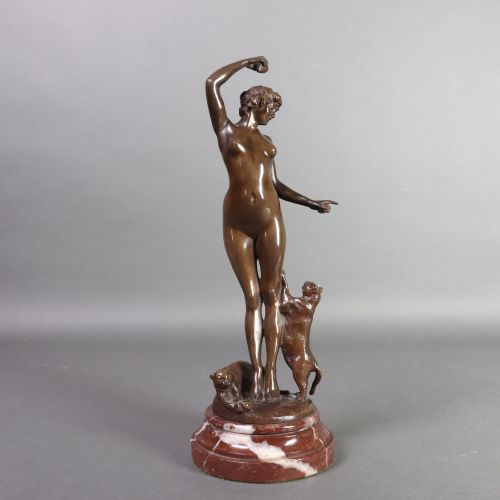
When you handle a female figure statuette, you hold a compact bronze, marble or porcelain study that captures human form through the tastes of the nineteenth and twentieth centuries.
Female Figure Statuette
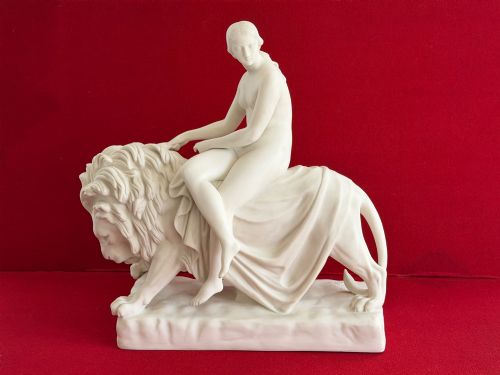
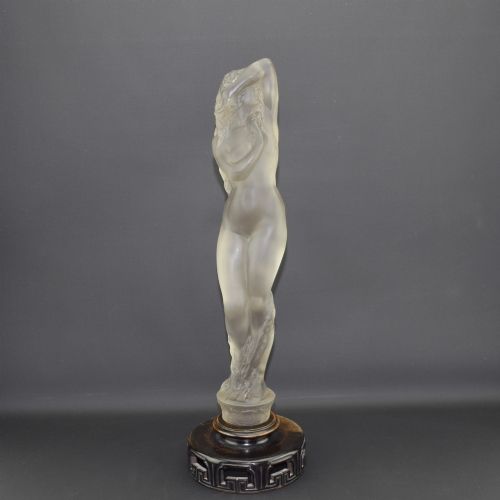
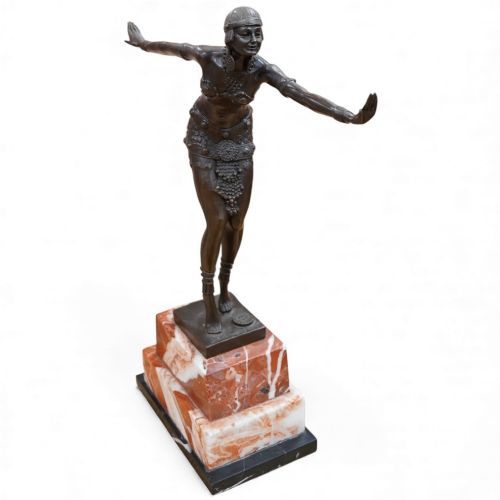
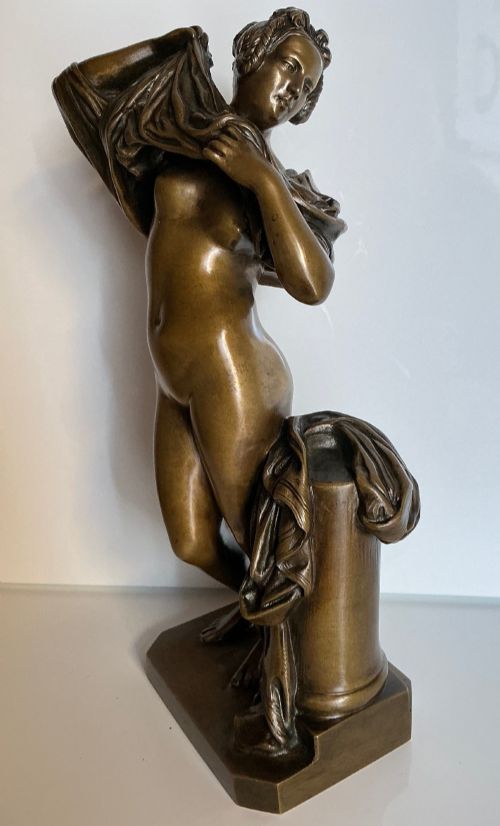
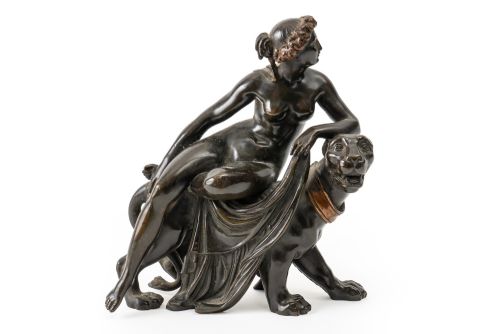
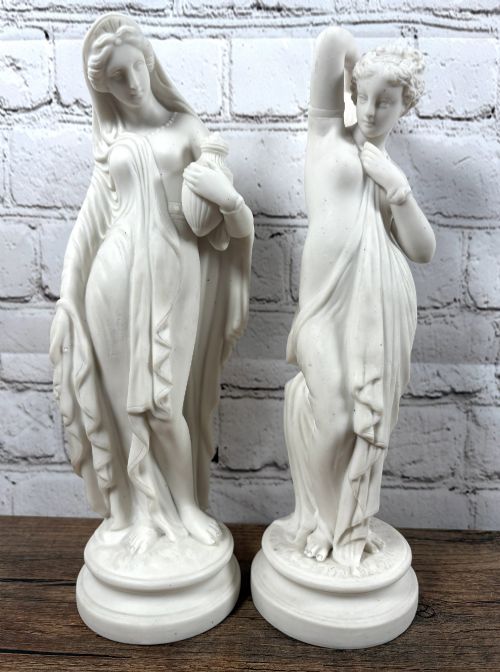
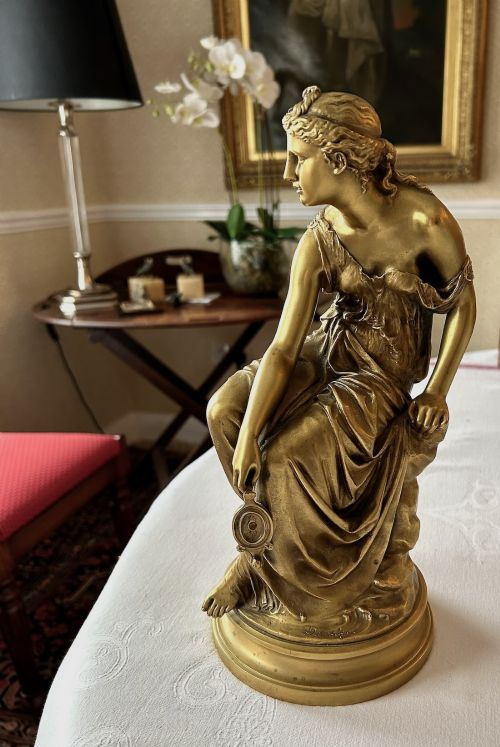
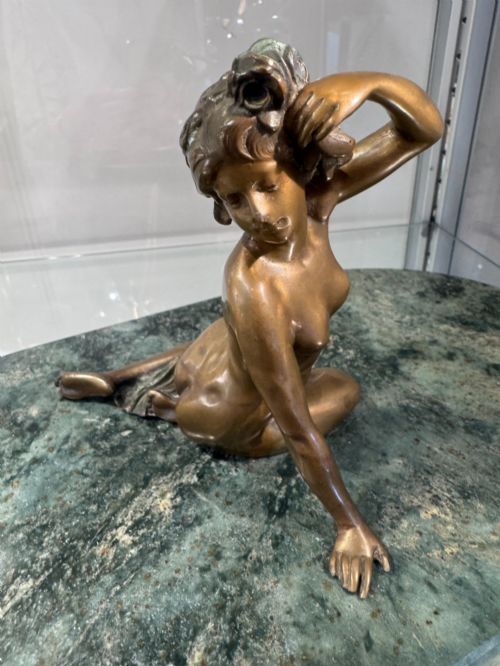
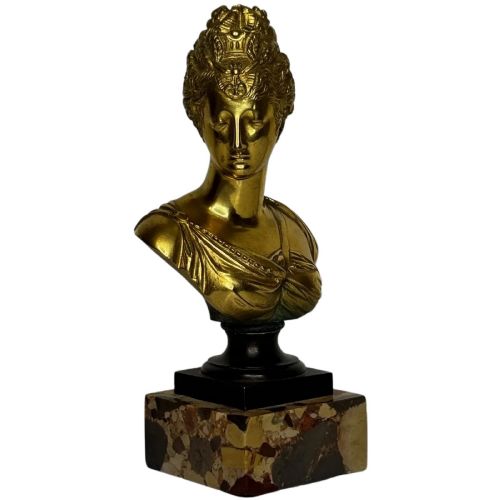
A female figure statuette encompasses small sculptural works in bronze, porcelain, marble, and alabaster depicting women in classical, allegorical, or modern poses. You encounter subjects ranging from mythological figures like Venus and Diana to Art Deco dancers and Victorian maidens.
The selection on this page draws heavily from nineteenth-century classical revivals, Art Nouveau organics, and Art Deco modernism. These pieces served as decorative cabinet sculptures and mantle ornaments for domestic interiors across Europe.
Most examples originate from French, Austrian, and English workshops spanning the Victorian era through the nineteen-thirties. You find both signed works by known sculptors and unmarked foundry editions intended for broader domestic display.
How they were made
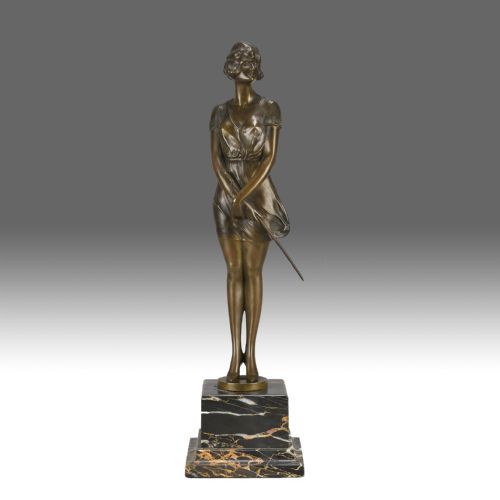
Foundries cast bronzes using the lost-wax method, often mounting the metal figures on heavy marble or onyx plinths to provide stability and visual contrast. Cold-painted surfaces and patinated treatments added colour and depth to the metallic drapery and skin.
Potteries shaped porcelain, parian ware, and bisque figures in moulds before firing and hand-glazing the details. Stoneware and earthenware statuettes frequently utilised polychrome glazes such as sancai to achieve rich surface variation.
Carvers worked soft stone such as alabaster and white marble directly with chisels and rasps to create translucent limbs and flowing garments. Artisans finished these stone surfaces by polishing to varying degrees of matte and gloss.
Female Figure Statuette Retail Price Guide 2026
Typical asking prices for female figure statuette among the pieces listed under this phrase on Sellingantiques today, from the lower quarter to the upper quarter. They describe what is for sale here now, not the wider market.
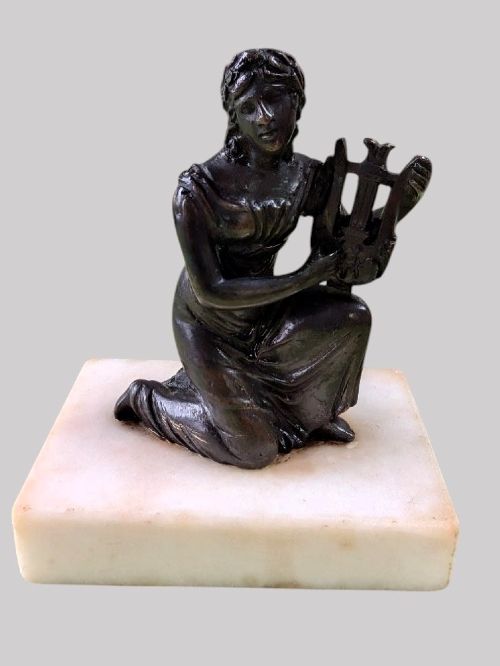
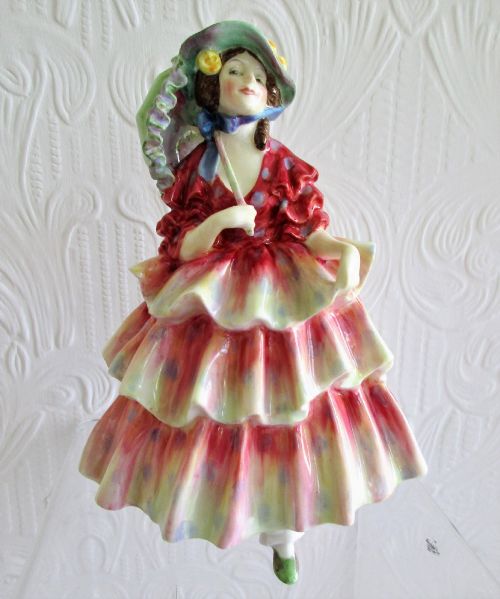
Several ladies on this page hold books, lyres, parasols, and even a small lizard, proving that bronze and porcelain women have very busy schedules.
What varies in quality
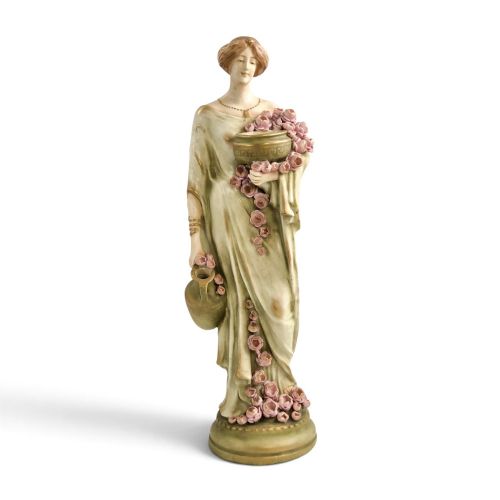
The choice of base materials indicates the original tier of production, with multi-coloured marble and onyx plinths accompanying higher-grade bronzes. Porcelain examples depend on the delicacy of hand-modelled floral elements and the evenness of the glaze.
Signatures and foundry marks provide evidence of authorship, though high-quality unsigned casts from established European centres still demonstrate exceptional sculptural proportions and balance.
Rene Lalique·Demetre Chiparus·James Pradier·Johann Heinrich von Dannecker·Gustave Dussart·Etienne-Henri Dumaige·Rudolf Küchler·Bruno Zach·August Moreau·Josef Lorenzl·Antonio Canova·Jules Dalou·Fritz Kochendorfer·S. Kinsburger·Anders Zorn
The Female Figure Statuette Glossary
- Parian ware
- A fine-grained unglazed porcelain developed in the nineteenth century to imitate carved marble. It takes its name from Parian marble of the Greek islands.
- Cold-painted bronze
- A technique where paint is applied to a bronze object without heat firing. This method was widely used on Austrian figures to achieve vibrant polychrome effects.
- Spelter
- A zinc alloy used as a cheaper alternative to bronze for decorative statuettes. It is lighter than bronze and typically carries a bronze-coloured plating or paint.
- Bisque porcelain
- Unglazed white porcelain fired once to produce a matte, porous surface resembling marble. It became popular for nineteenth-century classical figures.
- Patination
- The chemical treatment applied to metal surfaces to produce colour and age the appearance. Artisans used acids and heat to create green, brown, or black tones on bronze.
Female Figure Statuette: Frequently Asked Questions
How do I identify Art Deco statuettes?
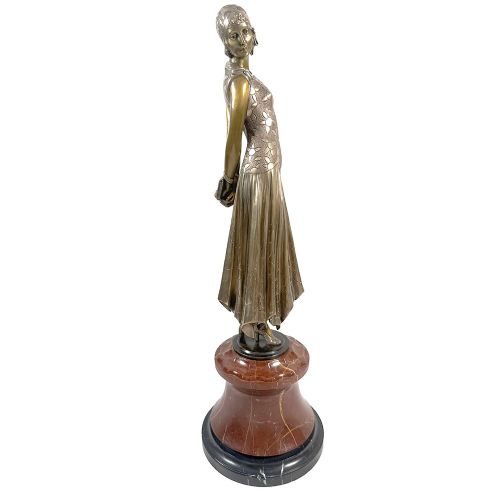
Art Deco statuettes typically feature streamlined silhouettes, geometric bases, and subjects such as dancers or athletes from the nineteen-twenties and nineteen-thirties. You often find them cast in patinated bronze or spelter mounted on stepped marble plinths.
These pieces reflect the machine-age aesthetic through sharp lines and stylized drapery. Makers like Demetre Chiparus and Josef Lorenzl defined this style with dynamic movement.
What is the difference between bronze and spelter?
Bronze is a durable copper alloy that accepts fine detail and holds a deep patina over centuries. Spelter is a softer zinc alloy that feels lighter and was used for more affordable decorative figures.
Underneath a worn finish, spelter shows a grey metal rather than the warm reddish-gold tone of bronze. Many period statuettes utilised spelter to offer artistic designs to middle-class homes.
Where were nineteenth century porcelain figures made?
Nineteenth century porcelain figures came from major European ceramic centres including Royal Doulton, Royal Worcester, and Derby in England, alongside continental factories. These manufactories produced both glazed earthenware and unglazed parian figures.
Porcelain statuettes often depicted classical maidens, allegorical characters, or street vendors. Factory stamps and impressed numbers on the base help identify the specific pottery and production date.
How should I clean marble bases?
Marble bases require gentle dusting with a dry microfibre cloth to prevent dirt accumulation in porous surfaces. Avoid abrasive cleaners or excess water which can stain or etch the stone.
If the marble has stubborn grime, a damp cloth with mild soap followed by immediate drying is sufficient. Natural stone develops a gentle patina that benefits from minimal intervention.