

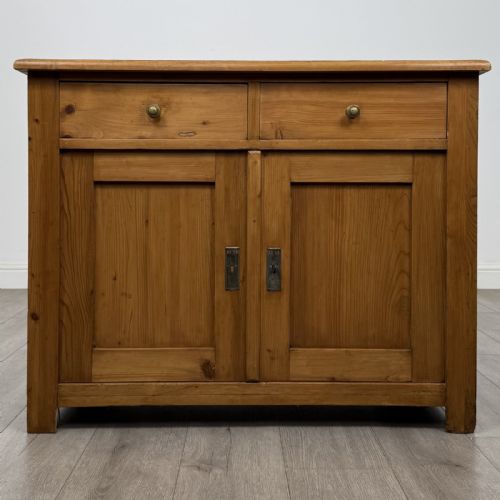
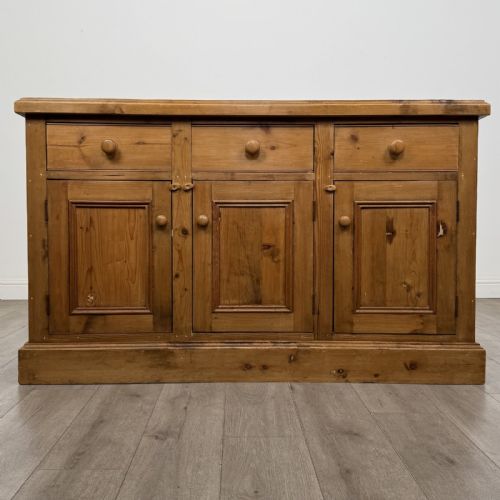
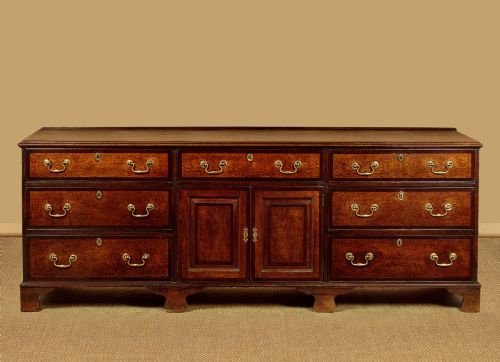
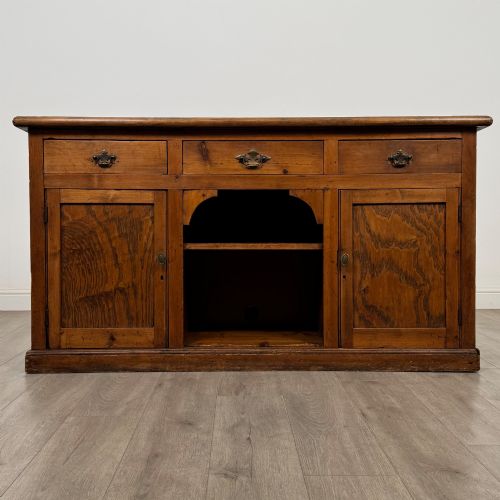


Farmhouse Kitchen Sideboard
A farmhouse kitchen sideboard grounds a room with honest utility, offering deep surface space and sturdy storage rooted in domestic tradition.
Farmhouse Kitchen Sideboard
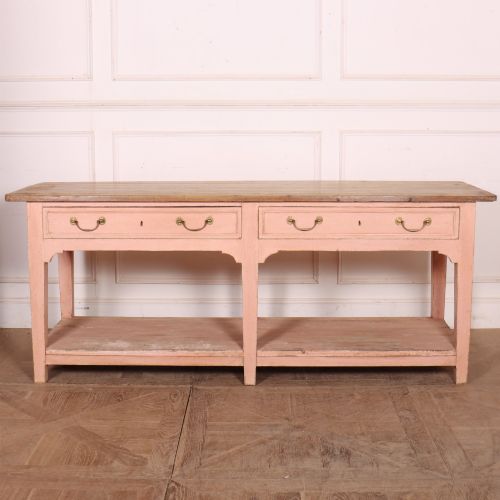
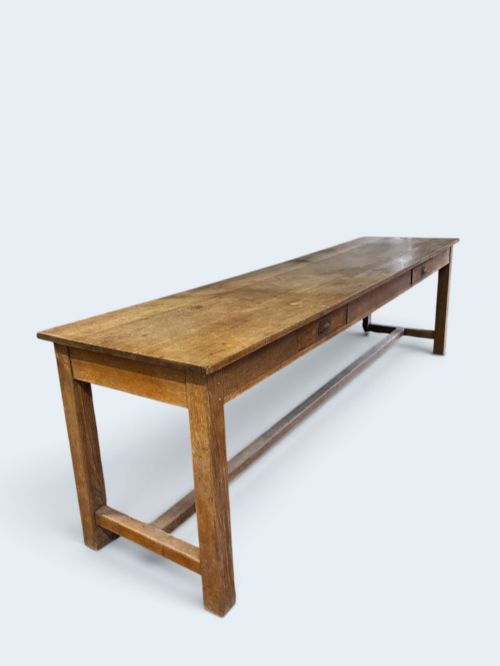
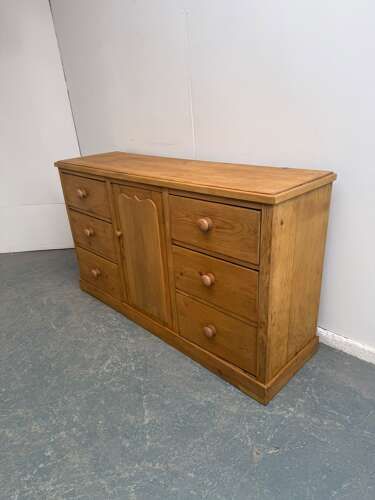
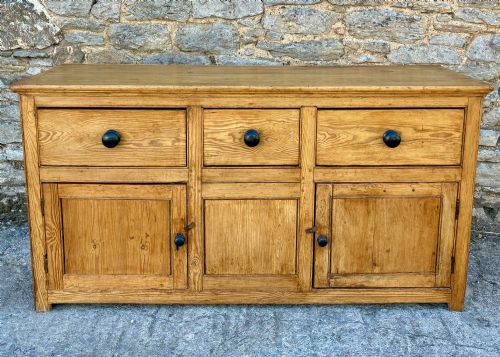
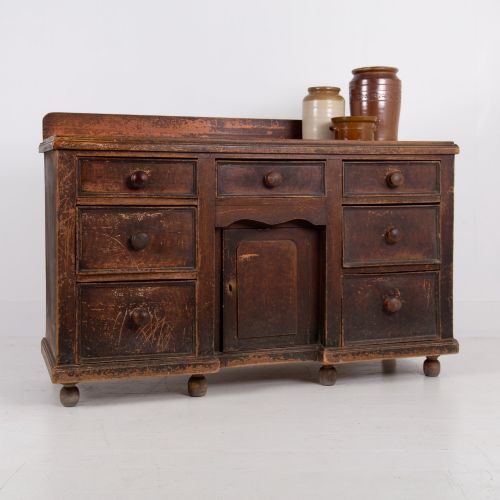
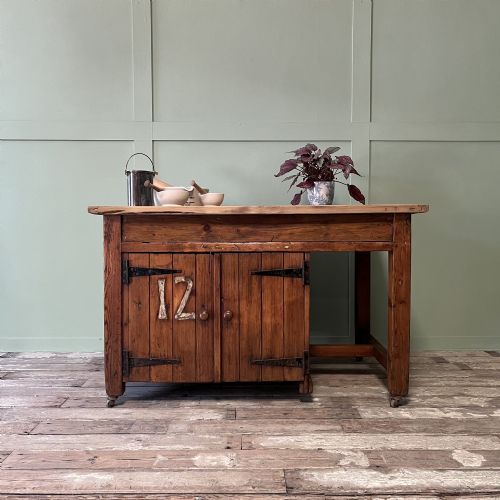
A farmhouse kitchen sideboard serves as a robust working surface and storage piece, often taking the form of a dresser base, potboard server, or serving table. These pieces emerge predominantly from the nineteenth century, alongside examples from the early twentieth century and the Victorian era, reflecting practical domestic needs.
Regional variations shape these forms, ranging from Scottish potboard dresser bases and Yorkshire pine iterations to English country house designs and French primitive work benches. Buyers encounter various designations across listings, including prep tables, dressers and hutches, and sideboards and buffets, all sharing a heavy utilitarian character.
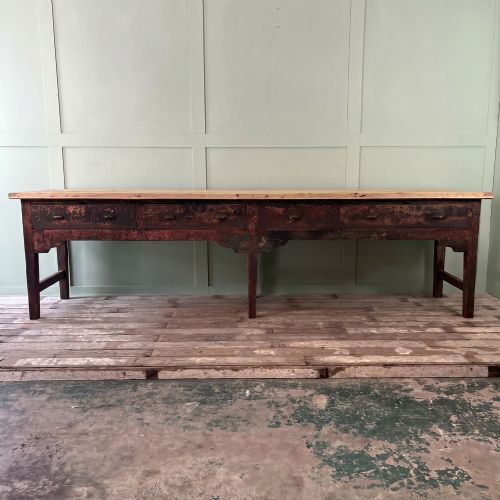
The primary structures combine storage cabinetry or drawers with open lower shelves known as potboards, or extend into long sideboards designed for heavy daily use. Their origins span English, Scottish, and French workshops, utilising regional timbers and straightforward joinery to support food preparation and kitchen storage.
Materials and construction methods
Makers relied heavily on solid pine and oak, utilising these resilient timbers to build heavy-duty frames capable of withstanding constant kitchen labour. Surfaces often received simple wax finishes, or retained layers of original paint in various tones, showing the utilitarian aesthetic of country dwellings.
Hardware components integrate brass and iron handles, hinges, and drawer pulls, securing doors and heavy drawers while adding functional metalwork detail. Construction prioritises durability above all else, employing thick tabletops and sturdy legs joined to bear substantial weight.
Farmhouse Kitchen Sideboard Retail Price Guide 2026
Typical asking prices for farmhouse kitchen sideboard among the pieces listed under this phrase on Sellingantiques today, from the lower quarter to the upper quarter. They describe what is for sale here now, not the wider market.
Several pieces double as French primitive work benches, proving that past cooks were not afraid to prep dinner on a carpenter's bench.
Differentiating quality across pieces
Quality rests upon the integrity of the timber selection and the retention of original surfaces, such as early paint layers or deep waxed patina. Pieces exhibiting dense, solid oak or well-selected pine demonstrate superior structural longevity compared to heavily altered examples.
Proportion and scale distinguish finer country house iterations from standard utility furniture, particularly when proportioned with narrow profiles or monumental scale. The survival of original potboards, drawers, and working brass or iron hardware elevates the integrity of a piece.
The Farmhouse Kitchen Sideboard Glossary
- Potboard
- An open lower shelf beneath a dresser base or sideboard, traditionally used for storing heavy pots and pans. This lower tier provides structural stability to the legs.
- Dresser Base
- The lower portion of a kitchen dresser, functioning independently as a sideboard with drawers and cupboards. It provides a flat working surface above storage compartments.
- Serving Table
- A long, narrow table designed for food presentation and kitchen preparation, typically featuring one or more drawers beneath the top. These pieces omit lower cupboards in favour of open leg room.
- Waxed Finish
- A protective treatment applied to timber using natural waxes to nourish the wood and create a soft sheen. This finish highlights the natural grain of pine and oak.
Farmhouse Kitchen Sideboard: Frequently Asked Questions
What is a farmhouse kitchen sideboard?
A farmhouse kitchen sideboard is a utilitarian storage and work piece originating from nineteenth and early twentieth-century country homes. These items include dresser bases, serving tables, and potboard servers built from pine and oak.
They provide durable surfaces for food preparation alongside deep drawers and cupboards for kitchenware. Their design prioritises practical domestic service over ornamental flourish.
How were these sideboards used originally?
Families utilised these pieces in country kitchens for food prep, baking, and storing heavy pots, pans, and serving dishes. The open potboards and deep drawers kept everyday utensils within arm's reach during busy household tasks.
Prep tables and serving benches also accommodated butchery, pastry rolling, and meal staging. Their heavy wooden tops absorbed the daily friction of rural domestic life.
Where do these sideboards originate?
The listings show origins spanning English, Scottish, and French country houses, workshops, and farmsteads. Regional carpentry traditions influenced whether a piece took the form of a Scottish potboard dresser or a French primitive work bench.
Local timber availability dictated whether pine or oak formed the primary structure. This regional diversity creates distinct variations in proportion and hardware across the pieces.
How do I live with a pine sideboard?
Living with a nineteenth-century pine or oak sideboard involves embracing its existing marks of use as part of its history. These pieces anchor modern or traditional kitchens by providing generous surface area and practical storage.
Maintenance requires simple waxing to protect the wood grain from moisture and daily wear. Their sturdy construction ensures they easily handle the demands of contemporary dining and kitchen spaces.