

Farmhouse Country Kitchen Chairs
Farmhouse country kitchen chairs bring honest utility and robust timber construction to domestic interiors.
Farmhouse Country Kitchen Chairs
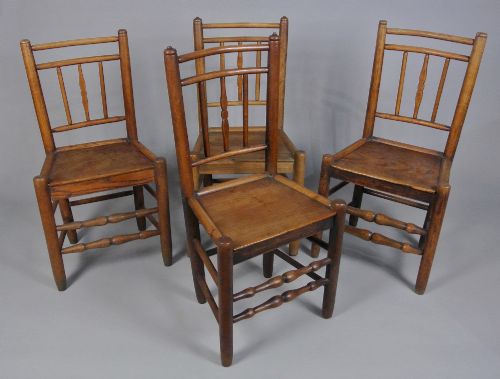
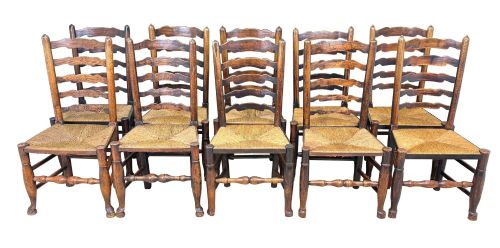
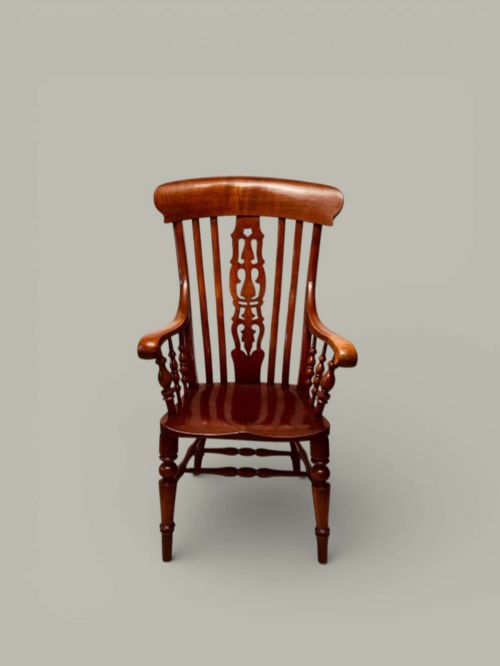
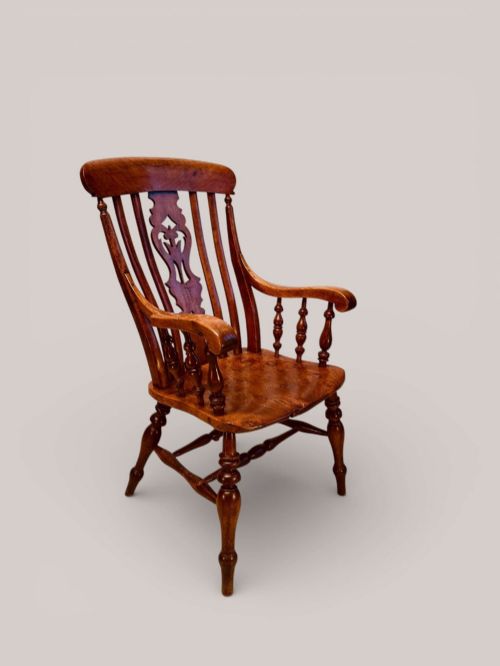
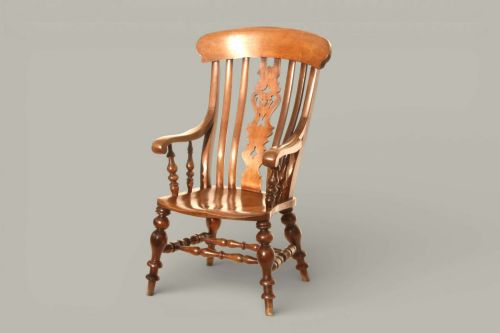
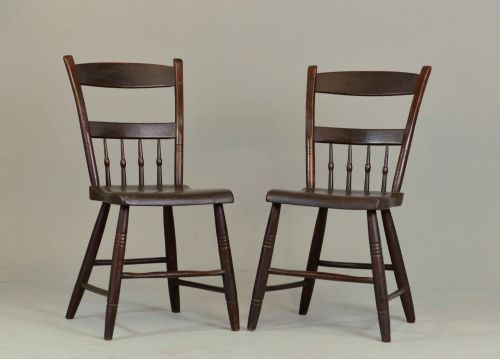
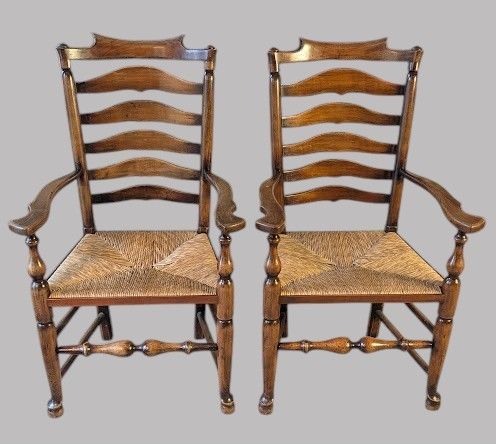
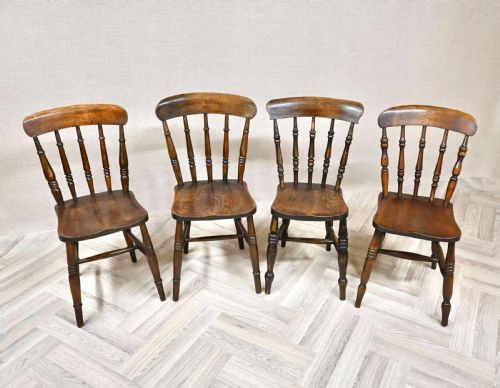
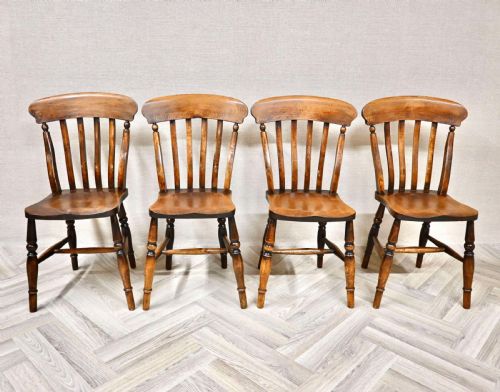
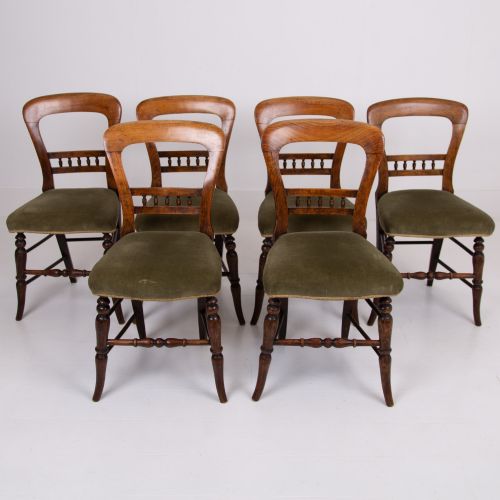
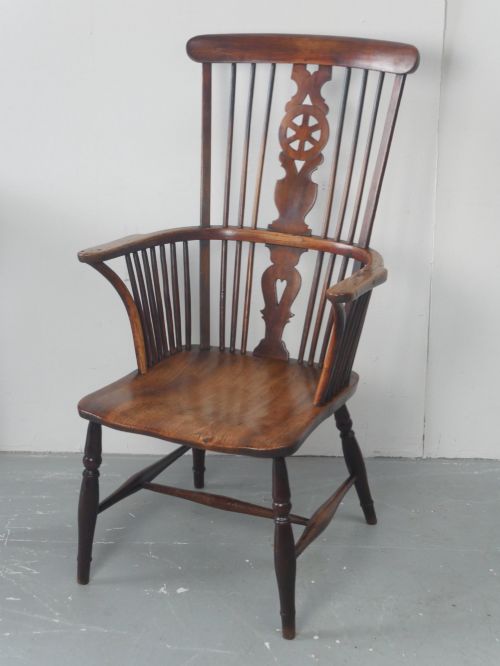
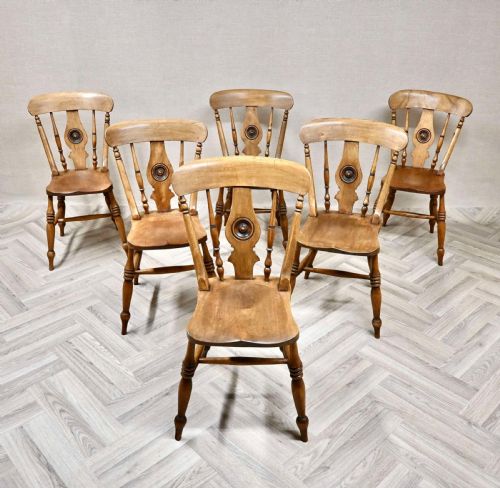
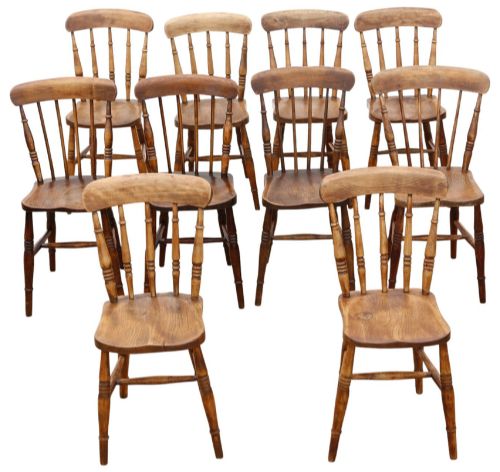
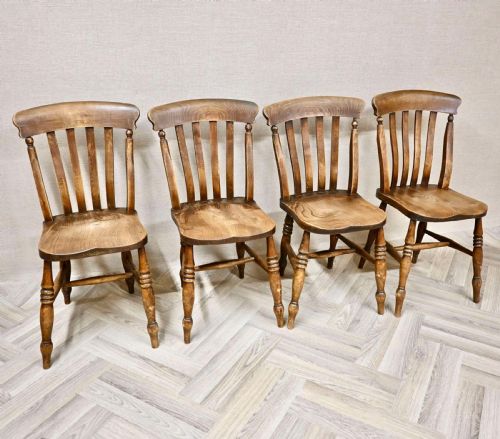
Farmhouse country kitchen chairs combine functional daily seating with traditional regional forms spanning the Georgian, Victorian and early twentieth-century periods. A buyer browsing this selection meets numerous sets of Windsor lathback, stick back and spindle back designs alongside ladderback and rush-seated variants.
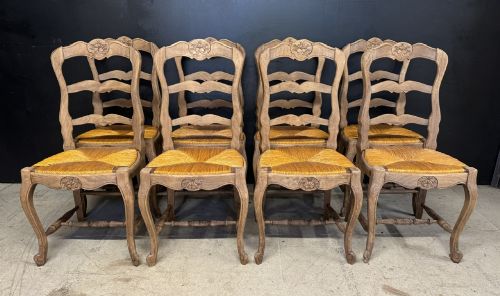
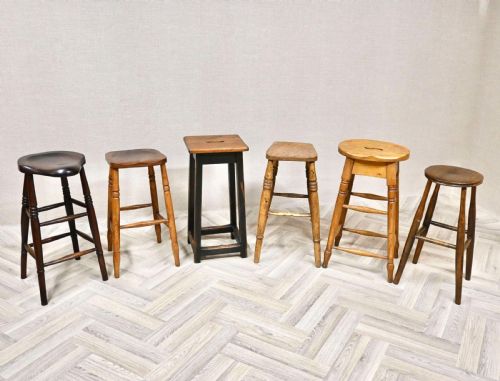
Makers produced these dining chairs, armchairs, benches and bar stools predominantly in English, French and general rustic country styles. Sets range from small pairs to large groupings of ten, frequently appearing as matching assemblages or harlequin sets gathered over time.
Materials and Construction
Joiners and chairmakers utilised native hardwoods such as elm, ash, beech, oak and pine, often combining multiple timbers within a single frame for strength and flexibility. Seats were typically carved from solid elm or fitted with rush seating, supported by turned legs and double stretchers.
Traditional construction methods relied on steam bending for hoops and backs, with spindles and legs secured through wedged mortise and tenon joints. This framework created resilient chairs capable of withstanding heavy daily use in busy domestic kitchens.
Farmhouse Country Kitchen Chairs Retail Price Guide 2026
Typical asking prices for farmhouse country kitchen chairs among the pieces listed under this phrase on Sellingantiques today, from the lower quarter to the upper quarter. They describe what is for sale here now, not the wider market.
Several sets retain distinct carpenter's marks carved beneath the solid seats, identifying the precise position each chair occupied at the table.
Assessing Quality and Character
Quality rests upon the integrity of the timber, the depth of the patination accumulated through decades of use, and the balance of the proportions. Superior examples retain their original turned components, well-sculpted seats and tight joints without excessive replacement timber.
Harlequin sets vary according to how closely matched the individual chairs are in scale, turning detail and wood grain. Finer regional models exhibit more complex spindle work, comb backs or deep-seated armchair proportions.
Worksop
The Farmhouse Country Kitchen Chairs Glossary
- Windsor
- A traditional chair construction where legs and back spindles are wedged directly into a solid carved wooden seat. This design offers immense structural strength through its socketed joints.
- Lathback
- A chair back featuring vertical wooden slats or laths secured between a top rail and the seat. These slats provide sturdy upright support during dining.
- Harlequin set
- A collection of dining chairs sharing a similar style, period or material, but assembled from different sources. Such sets offer matched visual harmony while retaining individual variations in turning and grain.
- Rush seat
- A seating surface woven from dried marsh rushes around a wooden frame. This technique provides a resilient and textured platform for traditional ladderback chairs.
- Spindle back
- A chair design utilising numerous slender, turned vertical wooden rods to form the backrest. The method distributes pressure evenly while keeping the frame lightweight.
Farmhouse Country Kitchen Chairs: Frequently Asked Questions
How do I care for antique kitchen chairs?
Maintain timber chairs by applying natural beeswax periodically to nourish the dry wood and preserve the surface sheen. Avoid placing them near direct heat sources or rapid temperature shifts that cause the timber to split.
Check the joints regularly for movement and keep the rush seats dry to prevent deterioration of the natural fibres.
Can I mix different chair styles together?
Mixing different styles is common practice when assembling a harlequin set for a rustic interior. Ensure the seat heights and overall proportions remain roughly consistent so diners sit at a comfortable level around the table.
Matching the wood tone or general period helps tie disparate ladderback and Windsor designs into a cohesive arrangement.
What makes a Windsor chair different?
Windsor chairs differ from standard framed dining chairs because their components mount directly into a thick, solid wooden seat rather than connecting to a separate underframe. This method creates an exceptionally rigid and durable structure.
Makers shaped the elm seats using adzes and scorps to create a comfortable, contoured depression for the sitter.
How do I date these country chairs?
Dating relies on examining tool marks, timber shrinkage, construction methods, and the turning profiles of the legs and spindles. Georgian and early nineteenth-century examples often feature heavier hand-turned components and deeper patination.
Later Victorian and Edwardian pieces frequently incorporate machine-assisted turning while maintaining traditional stick back or lathback forms.