
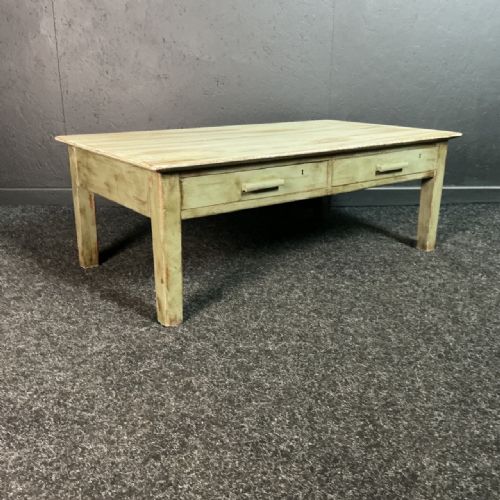


Farmhouse Coffee Table Drawer
A farmhouse coffee table drawer brings daily utility and rustic warmth to a room through solid timber construction and practical storage.
Farmhouse Coffee Table Drawer
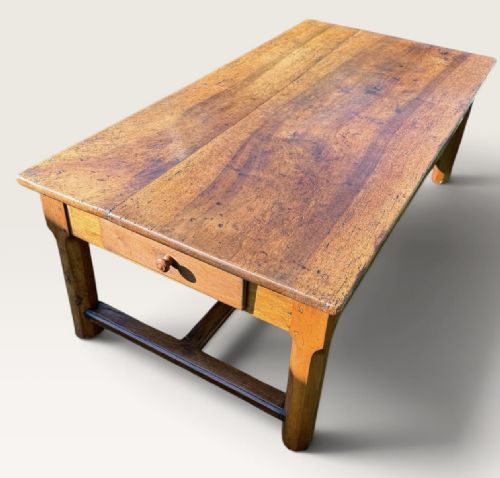
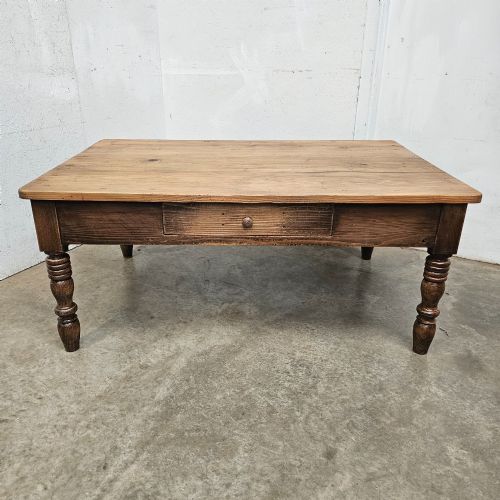
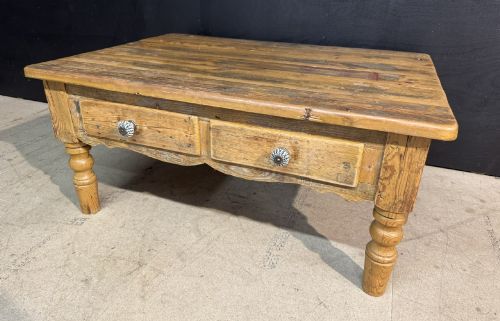
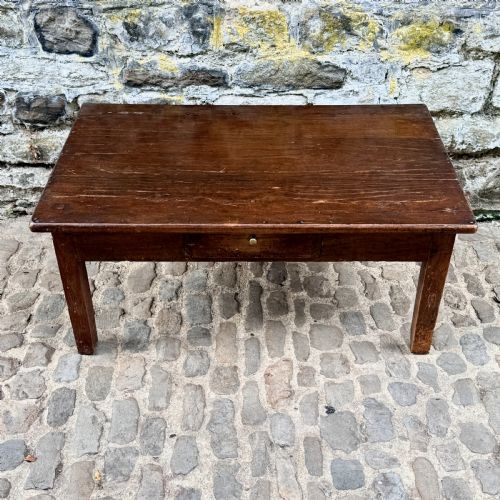
A farmhouse coffee table drawer is a low wooden table designed for a sitting room, combining a surface for everyday use with built-in storage. These tables span several centuries, originating from periods such as the eighteenth, nineteenth, and early twentieth centuries.
Makers shaped these low tables from various hardwoods and softwoods, sometimes applying paint for a distinct finish. The forms range from simple low tables on turned legs to larger proportions suited to spacious living areas.
How they were made
Carpenters constructed these tables using solid woods including pine, walnut, oak, chestnut, and cherrywood, selecting each timber for its grain and durability. Joinery methods relied on traditional hand tools to shape sturdy frames and fit drawers securely beneath the top surface.
Some examples received coats of paint during their working life, while others display the natural grain of hardwood and softwood finished with simple wax or oil. Turned legs and robust side drawers show the steady hand of regional cabinetmakers working within rustic traditions.
The furniture styles represented across the inventory include rustic farmhouse, French provincial, and English country.
What varies in quality
Quality rests upon the selection of timber and the integrity of the construction, where dense hardwoods like walnut and oak command attention for their resilience. Tables built with well-fitted drawers and stable framing demonstrate superior craftsmanship compared to simpler utilitarian builds.
The visual character of the wood and the preservation of original painted surfaces or patination separate standard examples from finer pieces. Honest signs of age on pine and cherrywood enhance the integrity of the piece without compromising its structure.
The Farmhouse Coffee Table Drawer Glossary
- Apron
- The vertical wooden strip connecting the legs beneath the tabletop. It frequently houses the drawer.
- Turned leg
- A pillar shaped on a lathe to create cylindrical or decorative profiles. These appear frequently on nineteenth-century examples.
- Patina
- The surface sheen and colour developed through years of handling, polish, and exposure. It marks genuine age on timber.
- Hardwood
- Timber derived from broad-leaved deciduous trees such as oak, walnut, and cherry. These woods offer greater density and durability than softwoods.
Farmhouse Coffee Table Drawer: Frequently Asked Questions
How were these tables used originally?
These tables served practical domestic purposes in rural homes, providing a stable surface for daily tasks alongside a concealed compartment for small items. The inclusion of a drawer kept everyday utensils or documents close at hand.
Over time, their sturdy construction and low height made them natural candidates for conversion into modern coffee tables.
How do I tell the periods apart?
Distinguishing periods involves examining the choice of timber, the style of the legs, and the construction methods used in the frame. Eighteenth-century pieces often utilise walnut or oak with hand-cut joinery, while nineteenth-century versions frequently feature turned pine or cherrywood.
Later pieces from the early twentieth century show subtle shifts in proportion and smoother machined finishes.
How do I live with a wooden table?
Living with a timber table involves appreciating the natural movement and marks acquired through daily use. Regular dusting and occasional waxing help preserve the finish of hardwoods like oak and walnut.
Keeping them away from direct heat sources prevents the wood from drying out and maintains the stability of the drawer mechanism.