


Traditional Pine Low Table
These traditional pine low table pieces bring honest vernacular character into a room, offering practical surface space rooted in centuries of utilitarian design.
Traditional Pine Low Table
A traditional pine low table brings together low-slung surfaces and robust country forms, often drawn from repurposed domestic items or purpose-built low furniture. Pieces appearing under this description span the nineteenth century, the eighteen-eighties, the eighteen-nineties, the Edwardian era, and the nineteen-twenties.
The selection here encompasses coffee tables, low pantry tables, and rustic work tables alongside forms adapted from dresser bases and stools. These items originate primarily within English and Scottish vernacular traditions, reflecting the straightforward needs of rural households.
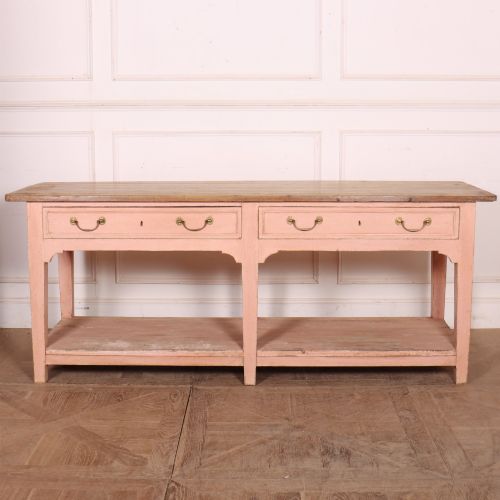
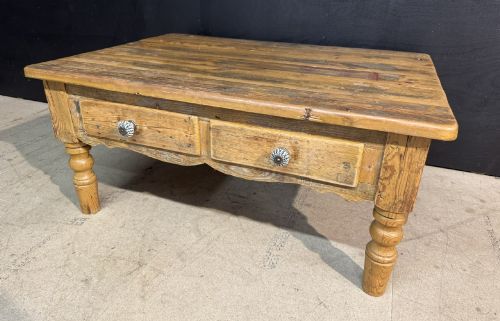
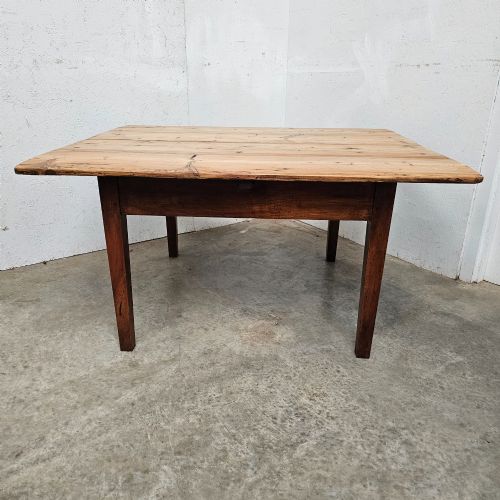
Buyers seeking a traditional pine low table will encounter pieces finished in plain timber, scrubbed fruitwood tops, or original painted surfaces. The construction relies on sturdy softwood frames, sometimes paired with brass, ceramic, or metal details.
How they were made
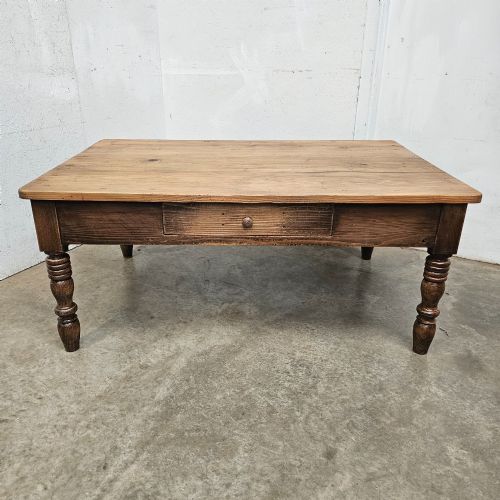
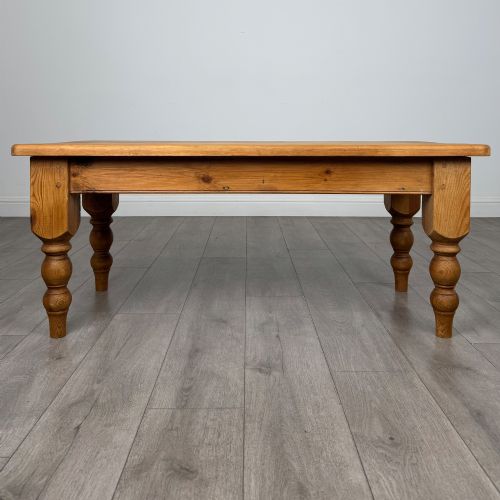
Makers constructed these pieces using solid pine and occasional fruitwood for scrubbed tops, employing honest joinery suited to daily domestic labour. Turned legs, plain board tops, and robust stretchers provide the foundational architecture for these low-slung tables.
Surfaces exhibit either a clean scrubbed finish or surviving traces of original paint, showing the direct application of historic coatings. Metal fixtures like brass fittings appear sparingly, while ceramic components sometimes feature in related utilitarian forms.
Listings span the nineteenth century through nineteen-twenty, featuring pine, fruitwood, and painted wood alongside brass and ceramic hardware.
What varies in quality
Quality rests in the integrity of the timber and the honesty of the surface patina, where centuries of wear distinguish purposeful utility from later alterations. Tables retaining their original painted finishes or authentic scrubbed tops command closer attention from purists.
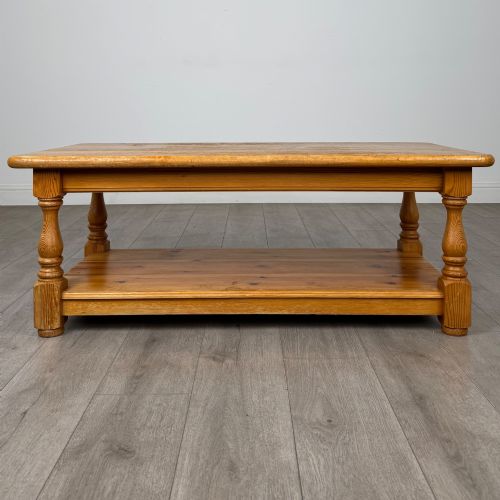
The balance of proportions and the strength of the structural frame define the better examples within this category. Heavier turned legs and substantial potboard bases indicate a sturdier build than lighter domestic adaptations.
The Traditional Pine Low Table Glossary
- Scrub Top
- A tabletop finished by vigorous scouring with water and sand to keep the softwood pale and hygienic. This process creates a distinctive textured grain over decades of use.
- Potboard
- A low slatted shelf fitted near the floor beneath a dresser base, designed originally for storing pots and pans. It adds substantial structural stability to lower furniture frames.
- Joint Stool
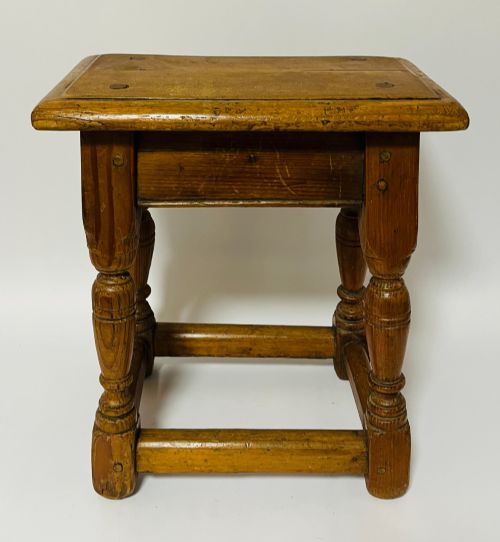
- An early form of wooden seating constructed with mortise and tenon joints held together by wooden pegs. These sturdy frames often double in modern settings as compact low tables.
- Vernacular
- Architecture and furniture built by local craftsmen using regional materials for everyday functional needs. Such pieces lack high-style academic ornament in favour of practical utility.
- Pig Bench
- A heavy utilitarian low bench historically used in rural slaughtering and butchering tasks. Their low, solid proportions make them enduringly popular for modern coffee table use.
Traditional Pine Low Table: Frequently Asked Questions
How do I style a low table?
Pair these pieces with deep upholstered seating to contrast the pale softwood against textured fabrics. Keep surface decoration minimal to let the historic grain and tool marks remain the focal point.
Allow the natural patina of the wood to sit comfortably alongside modern lighting and textiles. Their neutral tones suit both minimalist and cluttered country interiors equally well.
Are these tables sturdy enough daily?
Constructed for hard rural use, nineteenth and early twentieth century pine tables offer robust daily service. Their solid timber frames absorb knocks gracefully without losing structural integrity.
Simple joinery makes them resilient, though care should be taken with unsealed scrubbed surfaces against liquid spills. Use coasters to protect historic timber from water rings.
How do I date an old table?
Examine the tool marks, joinery methods, and the type of fixings used in the frame construction. Hand-sawn boards and wooden pegs generally point to nineteenth-century manufacture.
Surface wear also tells a chronological story, from early nineteenth-century scrubbed finishes to Edwardian painted coats. Compare the turned leg profiles with established vernacular furniture styles.
What is scrubbed pine?
Scrubbed pine refers to tabletops cleaned repeatedly with coarse brushes and water to maintain a pale, hygienic timber surface. This traditional kitchen maintenance removed grease and food stains.
Over generations, this scrubbing erodes the softer early-growth rings of the pine, leaving the harder grain raised in relief. This creates the characteristic undulating texture prized by collectors today.