



Pine Storage Table
A pine storage table brings the robust utility of country houses and workshops directly into a modern room.
Pine Storage Table
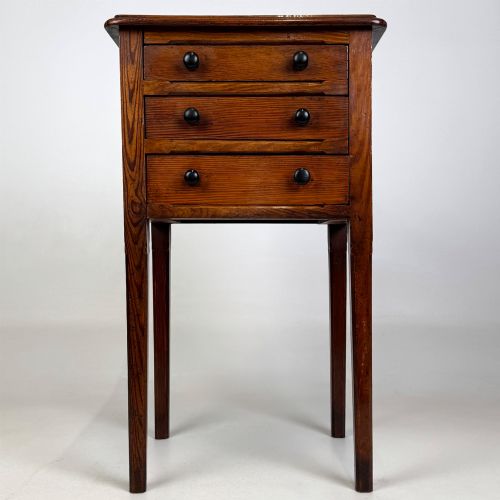
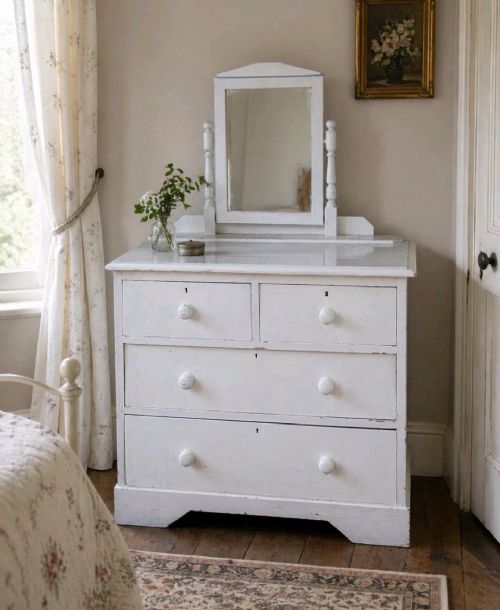
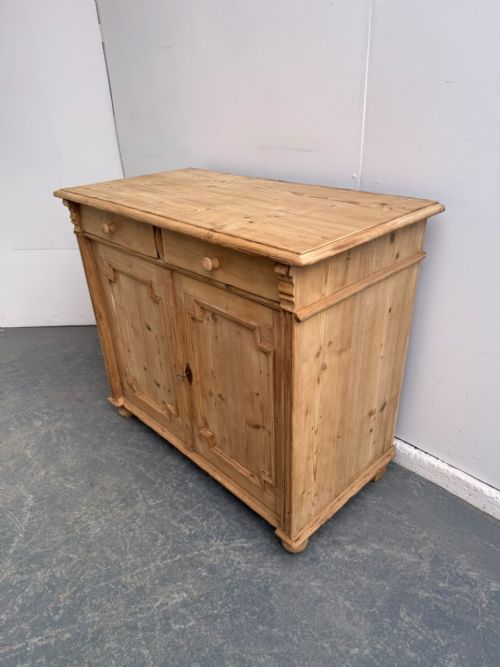
When you search for a pine storage table, you are looking at utilitarian furniture designed to hold household goods while serving a secondary surface function. The pieces in this category draw heavily on Victorian and Georgian country traditions, spanning items originally built as blanket boxes, dresser bases, chests, and pot cupboards.
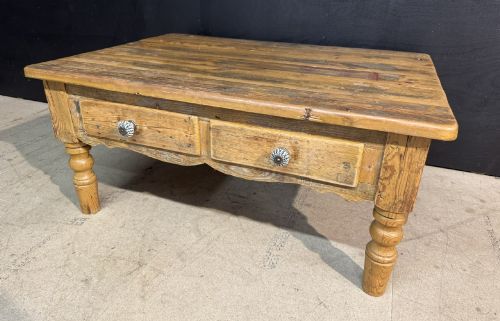
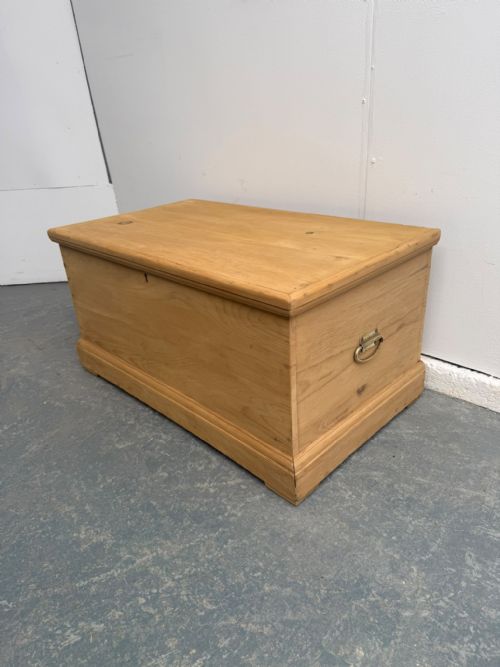
You are most likely to meet low, wide blanket boxes adapted for coffee table use, alongside robust dresser bases and fitted chests with internal compartments. These functional forms range from modest household boxes to large military utilitarian trunks and shop fittings.
The origins of these items are tied to English and Hungarian domestic spaces, utilising durable softwood timbers that were frequently painted, waxed, or left in a raw state. Their dual nature as containers and tables makes them versatile additions to contemporary living arrangements.
Materials and construction
Construction relies primarily on solid pine, pitch pine, and Oregon pine, chosen for their resilience and availability during the nineteenth and early twentieth centuries. Timber surfaces were frequently treated with wax finishes, historical paint layers, or left unpainted to develop a natural patina through decades of use.
Hardware played a functional role in reinforcing these heavy storage pieces, incorporating iron handles, brass binding, and ceramic elements to secure corners and lids. Dovetail joints and internal divisions, such as secret drawers or fitted compartments, demonstrate the practical joinery techniques employed by period carpenters.
Forms range from low coffee tables and blanket boxes to dresser bases, pot cupboards, and carpenter chests.
Assessing quality and character
Quality in these storage pieces rests on the integrity of the timber, the robustness of the original hardware, and the survival of authentic surface finishes like early paint or deep wax patination. Superior examples retain their original hinges, locks, and internal fittings without intrusive modern alterations.
The distinction between standard utility items and finer pieces lies in the subtlety of the proportions, such as low, wide profiles suited for coffee tables, and the presence of sophisticated internal carpentry like secret drawers or multi-drawer configurations.
The Pine Storage Table Glossary
- Pitch pine
- A dense, resinous softwood often used in nineteenth-century cabinetry and industrial pieces for its durability and distinctive grain pattern. It resists wear well and takes a deep polish.
- Dresser base
- A lower kitchen or dining sideboard featuring cupboards or drawers beneath a solid wooden surface. These provide substantial enclosed storage alongside a functional top.
- Blanket box
- A deep chest traditionally hinged at the top for storing textiles, woollens, and household linens. Many period examples are now repurposed as coffee tables due to their low, flat proportions.
- Pot cupboard
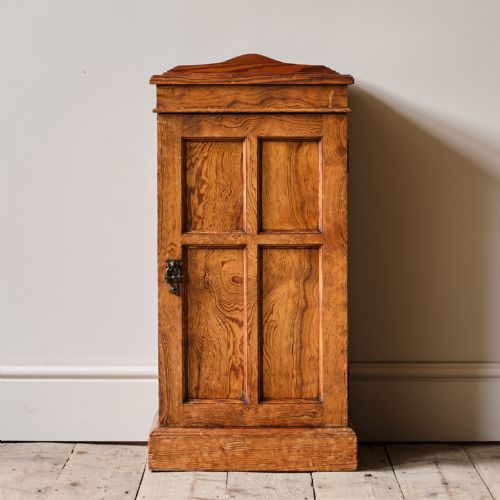
- A small bedside or standalone cabinet originally designed to house a chamber pot. These compact units typically feature a single door and a small interior shelf.
- Military utilitarian
- Furniture constructed for transport and field use by armed forces, characterised by recessed brass handles, metal corner brackets, and robust pine or hardwood carcasses.
Pine Storage Table: Frequently Asked Questions
How were these pine tables used?
These pieces functioned as practical storage containers for household goods, blankets, tools, and kitchen provisions while doubling as sturdy tabletops or work surfaces. Many began life as blanket chests, carpenter trunks, or kitchen dresser bases before finding new utility in living spaces.
Their robust construction allowed them to withstand heavy daily use in domestic and workshop environments. Today, their dual capacity for storage and surface use makes them adaptable for modern rooms.
Can I use a blanket box as a coffee table?
Low and wide pine boxes serve well as coffee tables because their flat lids provide a stable surface for everyday items while keeping clutter concealed inside. Many period examples naturally share the proportions required for modern seating arrangements.
When selecting a box for this purpose, check the height and the stability of the lid when closed. The internal space remains accessible for storing books, blankets, or media equipment.
How do I care for a waxed pine surface?
Waxed pine benefits from occasional applications of beeswax to nourish the timber and maintain a soft, protective sheen. Avoid placing hot or wet items directly on the bare wood to prevent water rings and heat marks.
Gentle dusting with a dry cloth is sufficient for routine maintenance. Allowing the wood to breathe preserves the historic patina accumulated over decades of use.
What is the difference between standard pine and pitch pine?
Pitch pine contains a higher resin content than ordinary softwood, giving the timber a heavier weight, greater strength, and a more pronounced reddish-brown grain. It was frequently selected for nineteenth-century furniture that required extra durability.
Standard pine offers a lighter colour and softer texture, which responds readily to traditional waxing or painting. Both materials age distinctively depending on their original exposure to light and household use.
How do I identify a Victorian piece?
Victorian pine pieces often feature traditional joinery such as hand-cut dovetails, iron or brass hardware, and construction methods characteristic of the nineteenth century. Stylistic cues like Gothic Revival details or specific forms like pot cupboards and fitted blanket boxes point to this era.
The presence of original paint finishes, maker marks, or historical wear patterns also helps determine the age of the timber. Comparing the construction to documented nineteenth-century examples confirms the period.