


Extending Rustic Dining Table
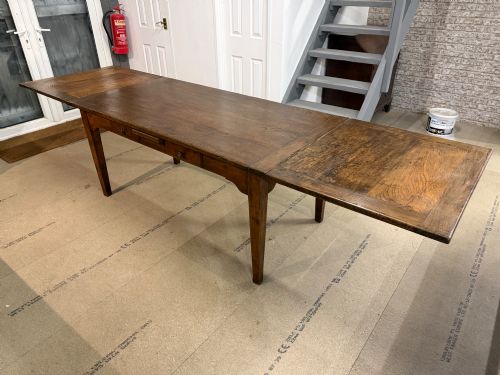
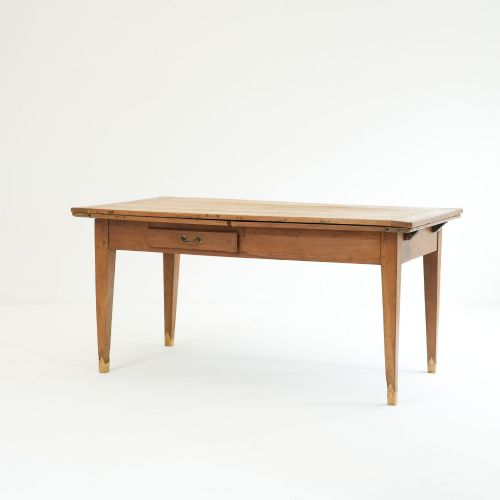
An extending rustic dining table brings practicality and warmth to a room, offering adaptable dining space through traditional mechanisms.
Extending Rustic Dining Table
An extending rustic dining table combines utilitarian heritage with practical design, providing extra surface area when needed. The selection ranges from nineteenth-century pieces to earlier examples, spanning styles from French provincial to Edwardian.
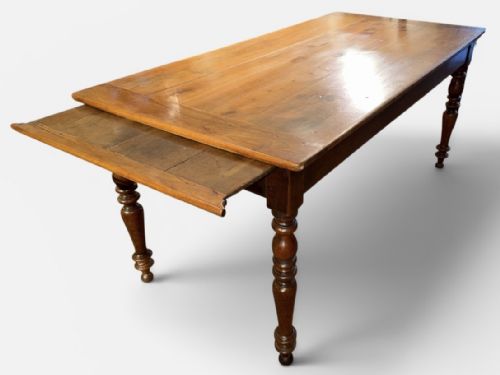
Buyers will encounter various formats on this page, including double extending mechanisms, draw leaf designs, and tables equipped with traditional bread slides. Woods such as oak, pine, fruitwood, and cherry predominate across these kitchen and dining pieces.
How they were made
Construction relies heavily on solid timbers like oak, pine, and fruitwood, often featuring scrubbed oak or parquetry surfaces. Traditional joinery underpins the stability of these large dining pieces.
Functional additions such as brass hardware, bread slides, and clever leaf extensions demonstrate historical craftsmanship tailored for everyday domestic use.
The listings feature extending rustic dining tables constructed from oak, pine, fruitwood, and cherry across the nineteenth and twentieth centuries.
What varies in quality
The sophistication of the joinery and the preservation of original timber patination distinguish standard farmhouse utility tables from more refined provincial or period examples.
The Extending Rustic Dining Table Glossary
- Draw leaf table
- A table with leaves stored beneath the main top that pull out to extend the surface. This mechanism allows for quick adjustment without removing separate boards.
- Bread slide
- A pull-out wooden shelf historically used for cooling bread or expanding workspace. It sits just beneath the main tabletop.
- Parquetry
- Geometric wood patterning formed by small fitted pieces laid on a surface. This technique adds decorative texture to tabletops.
- Gateleg table
- A table with hinged legs that swing out to support drop-down leaves. It provides a compact footprint when folded.
- Fruitwood
- Timber derived from fruit-bearing trees such as cherry or pear, valued for its fine grain. It is frequently seen in provincial furniture.
Extending Rustic Dining Table: Frequently Asked Questions
How do extending mechanisms work on old tables?
Many older pieces utilise draw leaves or internal sliding frames that allow the main surface to pull apart smoothly. Additional leaves are then inserted or slid into position from beneath.
These systems rely on well-fitted wooden runners and tracks designed to handle daily adjustments reliably over centuries of use.
What is a bread slide used for?
A bread slide is a pull-out wooden board integrated beneath the main tabletop. Historically utilised for cooling loaves or food preparation, it doubles as a handy surface extension.
In modern homes, it serves as a charming period detail that provides extra room when serving drinks or small dishes.
How do I care for a scrubbed oak top?
Scrubbed oak surfaces benefit from regular cleaning with a damp cloth and mild soap, avoiding harsh chemical cleaners. Maintaining the natural unpolished finish preserves the historic timber character.
Applying occasional specialist wax or oil helps protect the wood from moisture and daily wear without creating an artificial gloss.
Are these tables suitable for everyday family dining?
These pieces were originally built for heavy kitchen and farmhouse use, making them robust and durable for modern family life. Solid woods like oak and pine withstand regular gathering and daily meals.
The extending capability also provides the necessary flexibility for hosting larger groups or everyday family routines.