




European Impressionist Oil Painting
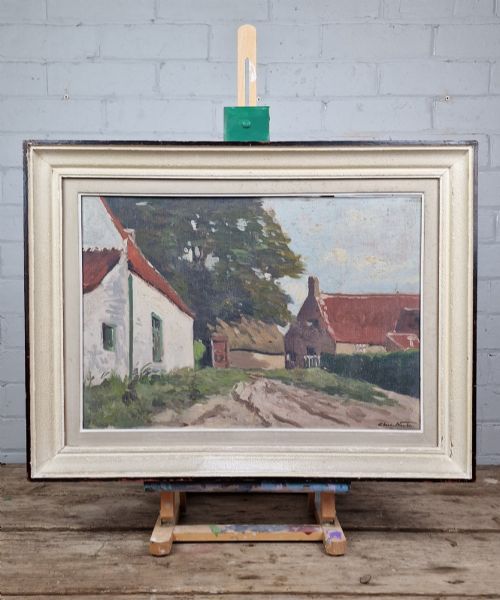
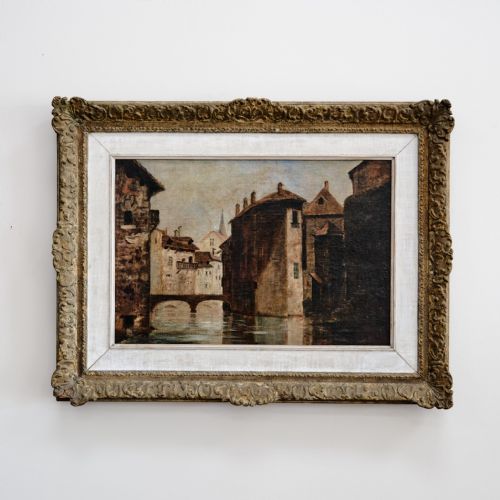
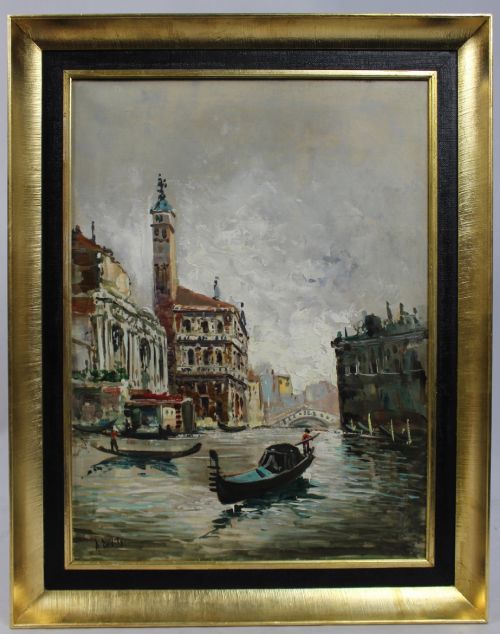
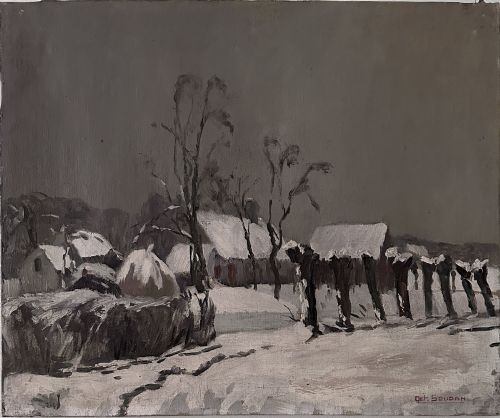
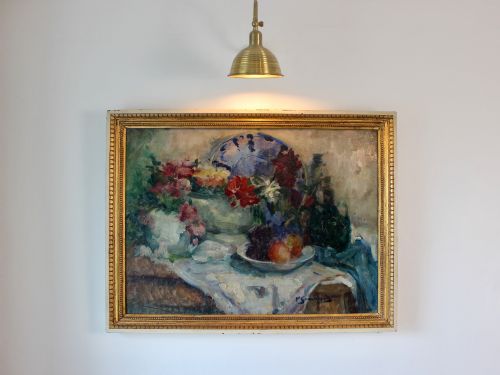
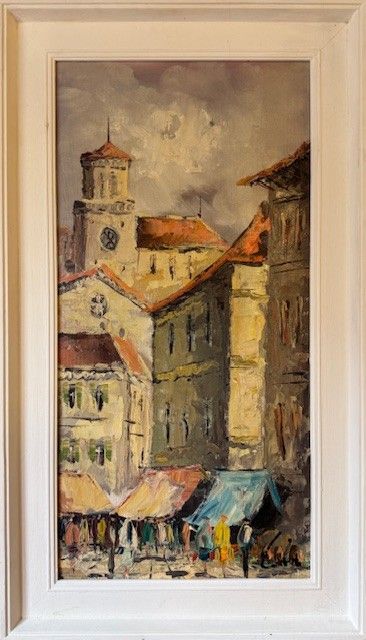
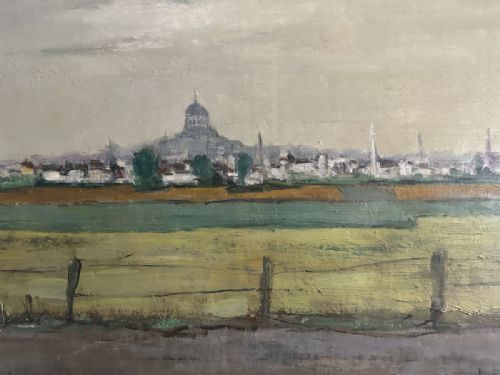
These european impressionist oil painting works capture fleeting light across streets, canals, and countryside scenes from the nineteenth and twentieth centuries.
European Impressionist Oil Painting
A european impressionist oil painting represents a specific approach to light, brushwork, and subject matter spanning from the nineteenth century through the mid-twentieth century. Buyers frequently encounter canvases depicting continental street scenes, quiet farmyards, Venetian canals, and rural landscapes.
The selections on this page range across various regional schools including Flemish, French, and Dutch traditions. Many pieces concentrate on everyday motifs such as market squares, village paths, and domestic interiors.
Works appear in formats from intimate panel boards to large-scale canvas compositions. The period spans traditional nineteenth century studies up to mid-century impressionism and related avant-garde movements.
Quality and Execution
Quality rests upon the confidence of the brushwork and the artist's command of light and tonal harmony. Stronger examples demonstrate purposeful handling of pigment on canvas or panel that creates an immediate sense of atmosphere.
Compositional balance and the preservation of the original surface condition differentiate superior works from simpler decorative pieces. The relationship between the painted scene and its period frame also influences the overall integrity of the piece.
Listings feature works spanning from the nineteenth century through the 1960s, executed in oil on canvas, panel, and board.
Charles Houben·Antonio DeVity·Paul-Élie Gernez·Victor Simonin·Frans Gailliard·Jean Hippolyte Marchand·Alois Arnegger·Franz Reder-Broili·Henri Therme·Letitia Marion Hamilton
The European Impressionist Oil Painting Glossary
- Impressionism
- A nineteenth century painting style focused on the depiction of light and its ephemeral qualities using small, visible brush strokes. This approach broke away from rigid academic studio traditions in favour of capturing immediate visual impressions.
- Oil on Canvas
- A traditional painting medium where oil-based pigments are applied to stretched woven fabric. This combination allows for rich colour blending and textured impasto application.
- Post-Impressionism
- An art movement extending impressionist techniques while rejecting its limitations for more expressive structural forms and symbolic content. Artists working in this manner emphasised distinct colour choices and geometric clarity.
- Luminism
- An aesthetic emphasis on the effects of light in landscape painting, particularly regarding atmospheric glow and reflection. Works in this category often highlight the interplay of sunlight across water or open terrain.
- Gesso
- A primer mixture consisting of a binder mixed with chalk, gypsum, or pigment used to prepare wood panels or canvas for painting. This layer creates a smooth, stable surface for oil application.
European Impressionist Oil Painting: Frequently Asked Questions
What is a european impressionist oil painting?
These works are oil-based paintings on canvas or wood that capture scenes of everyday life, landscapes, and architecture through the lens of nineteenth and twentieth century impressionism.
They reflect regional schools across Europe, showing how artists recorded shifting natural light and atmosphere.
How should I hang and light these paintings?
Position the canvas away from direct, harsh sunlight to protect the oil pigments and gold leaf frames over time.
Use soft, neutral picture lighting placed above the piece to highlight the varied brushwork and texture of the surface.
How do I identify the period of a painting?
Examine the materials, stretcher bars, framing methods, and canvas preparation used on the reverse side of the work.
Signatures, artist registry records, and stylistic markers such as post-impressionist or mid-century techniques also help narrow down the date.
Where were these paintings originally displayed?
Many of these works hung in private homes, artist studios, and provincial galleries throughout Belgium, France, Italy, and the Netherlands.
They were created by regional painters who exhibited locally or travelled across continental Europe to capture landscapes and cityscapes.