



European Fine Art
European fine art encompasses centuries of painted canvases and tapestries that bring historic depth and character into any room.
European Fine Art
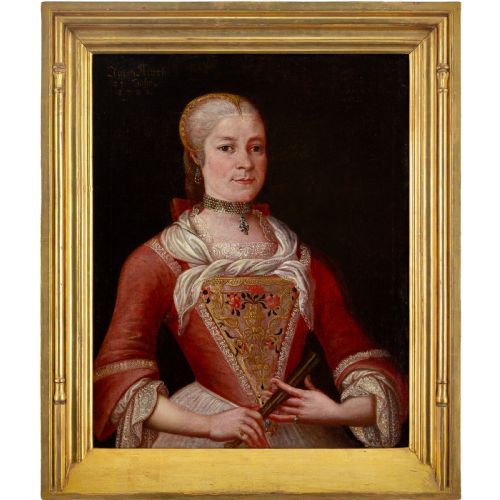
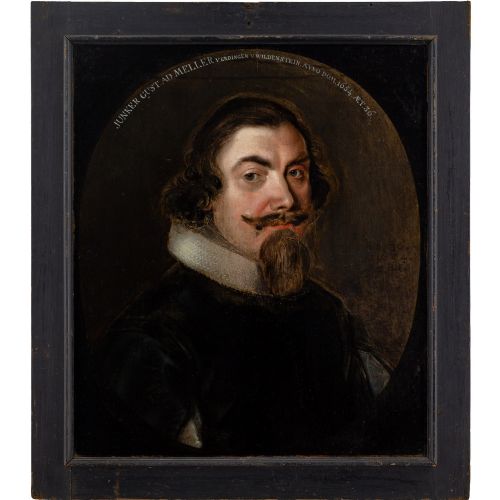
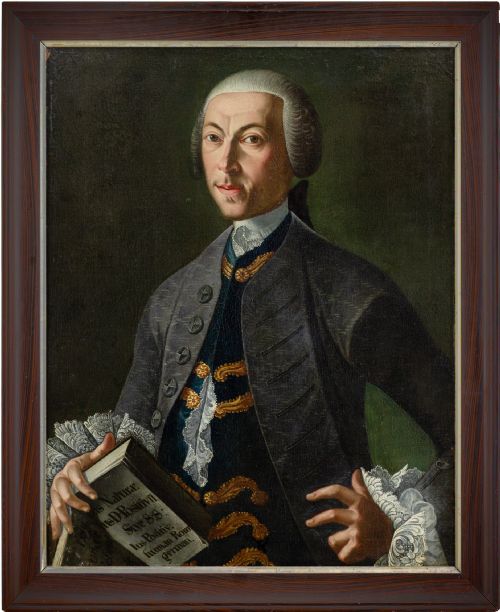
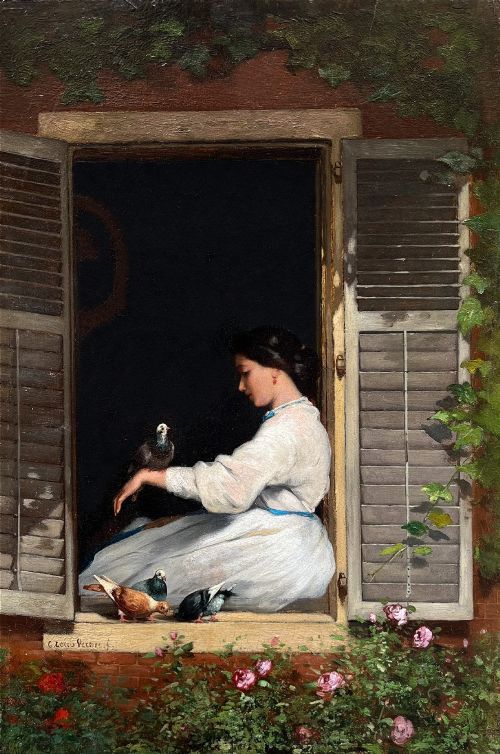
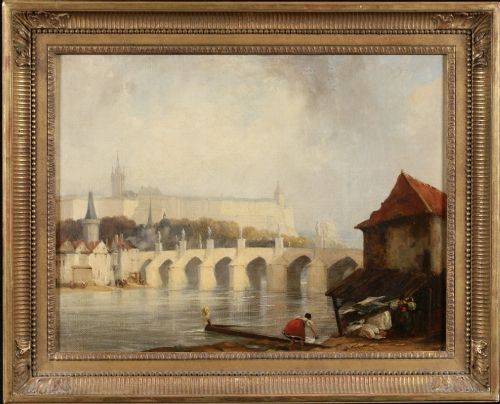
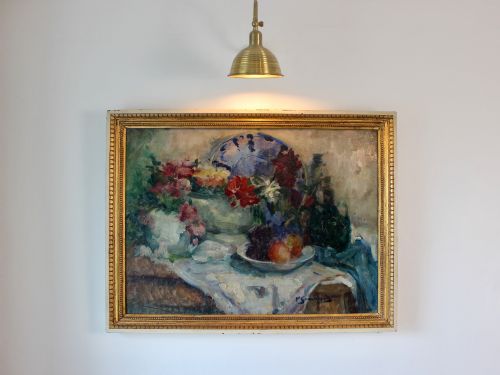
When you search for European fine art, you encounter a rich selection of historical paintings, portraits, landscapes, and tapestries originating from various regional schools across the continent. These works span multiple centuries, ranging from seventeenth-century portraits to twentieth-century avant-garde scenes.
The most common items on this page are oil paintings on canvas or panel, frequently housed in period frames of wood and gesso. Alongside these pictorial works, you also find occasional decorative pieces such as tapestries and rings from later periods.
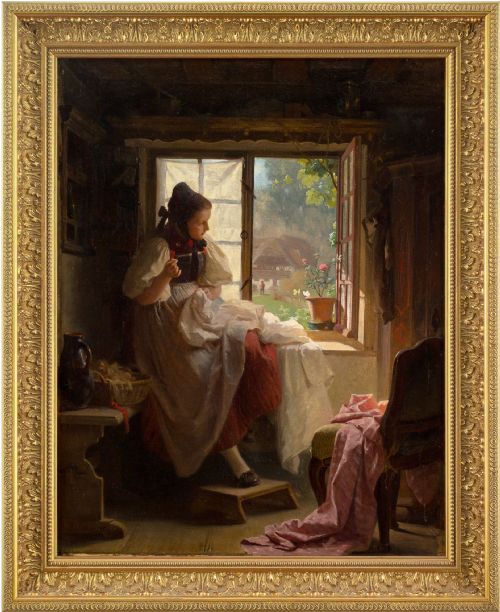
Regional schools from countries such as Germany, the Netherlands, Belgium, and France dominate the selection. Buyers find everything from formal portraits of nobility to atmospheric genre landscapes and floral still lifes.
How they were made
The makers of these works utilised oil paint applied to prepared surfaces of canvas or wood panels, building up layers of pigment to achieve depth and luminosity. Many of these paintings rely on traditional techniques developed during the Dutch Golden Age and refined through subsequent centuries of European realism and impressionism.
Frames are integral to the physical composition, constructed from carved wood and finished with layers of gesso and gilding or polychrome. Textile panels involve intricate weaving using wool and metal threads to construct large-scale figurative designs.
Several portraits preserve the solemn gazes of historical figures who likely sat patiently while artists battled flickering candlelight.
What varies in quality
The degree of artistic execution and handling of light separates the masterworks from standard workshop output. Subtle nuances in brushwork, particularly in the rendering of facial expressions or fabrics, distinguish the finest portraits and landscapes.
The original condition of the paint surface and the survival of matching period frames contribute heavily to the overall integrity of the piece. Works that retain their unlined canvases and original gilded surrounds command greater appreciation among collectors.
Max Kaltenmoser·Louis Charles Verwee·Victor Simonin·Frans Gailliard·Jules Rambo·Mercedes Legrand·Frederick Tully Lott·Hendricus Joseph Dillens·Jan Evert Morel·Jean Hippolyte Marchand·Franz Reder-Broili·Karel Frans Philippeau·Joseph Emmanuel Weiser·Louis Smets·Wilhelm Alexander Meyerheim·Paul Paul
The European Fine Art Glossary
- Oil painting
- A method of painting using pigments bound with a medium of drying oil. This technique allows for rich blending of colours and detailed textural work.
- Gesso
- A plaster-like mixture used as a smooth base for paint or applied beneath gilding on wooden frames. It provides a durable ground for decorative detailing.
- Genre painting
- The pictorial representation of scenes from everyday life, typically depicting ordinary people in work or leisure settings. These works offer social insight into past eras.
- Tapestry
- A form of textile art woven by hand on a loom, using coloured threads to form pictorial designs. They were traditionally hung on walls for insulation and decoration.
- Luminism
- An impressionistic style focusing on the effects of light on landscapes. Artists using this approach captured atmospheric radiance with precise tonal control.
European Fine Art: Frequently Asked Questions
How do I choose an oil painting?
Consider the subject matter and period that resonates with your personal taste and interior space. Portraits offer historical presence, while landscapes bring natural depth into a room.
Examine the brushwork and composition to ensure the artistic execution meets your expectations. A harmonious frame also enhances the visual impact of the canvas.
Where should I hang a tapestry?
Tapestries suit large wall spaces in living rooms or hallways where they can hang flat without obstruction. Avoid placing textiles in areas with direct sunlight to protect the threads.
Ensure the hanging mechanism distributes the weight evenly across the top edge. This prevents distortion of the woven wool and metal threads over time.
How do I date an antique painting?
Look at the style of clothing, hair, and accessories in portraits to establish a baseline era. Technical aspects such as the preparation of the canvas and the style of the stretcher also provide clues.
Signatures, inscriptions on the reverse, and the construction of the wooden frame often confirm the period of creation. Comparative study with known regional schools helps narrow down the decade.
How do I care for antique wood frames?
Keep frames away from sudden temperature fluctuations and excessive moisture to prevent the wood and gesso from cracking. Dust them gently with a soft, dry brush.
Avoid using liquid cleaners or chemical polishes on gilded surfaces. Gentle maintenance preserves the original patina of the historic finish.