



European Carved Statue
These european carved statue pieces bring centuries of sculptural craft into your home, offering tangible history carved from wood and marble.
European Carved Statue
A european carved statue encompasses centuries of sculptural tradition, ranging from religious figures to classical portraiture. Buyers searching this phrase encounter works shaped across the sixteenth, seventeenth, eighteenth, and nineteenth centuries.
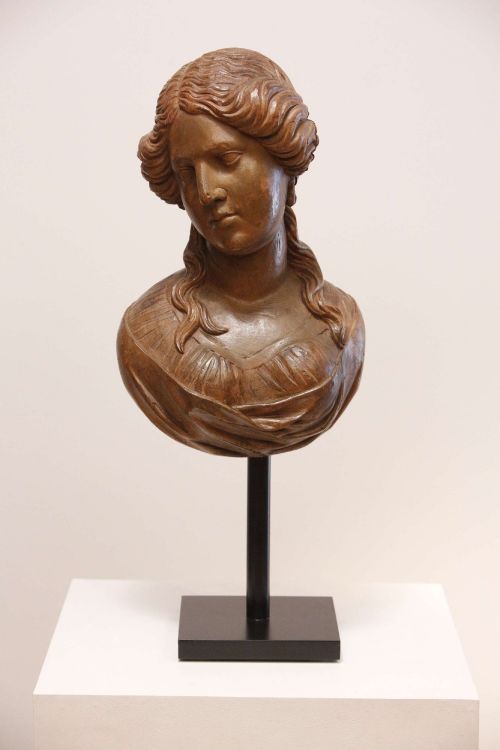
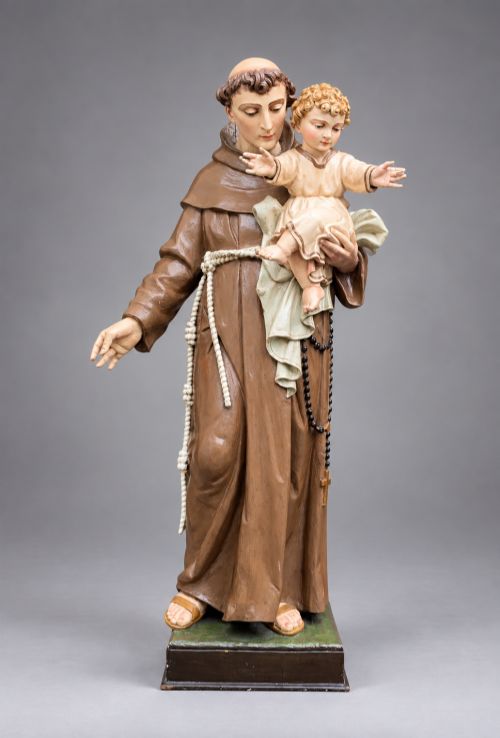
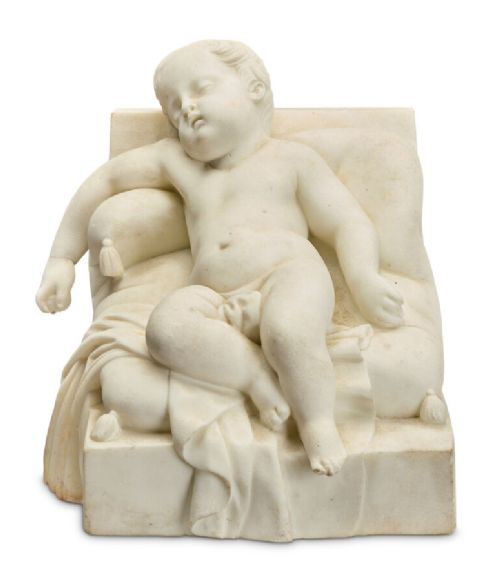
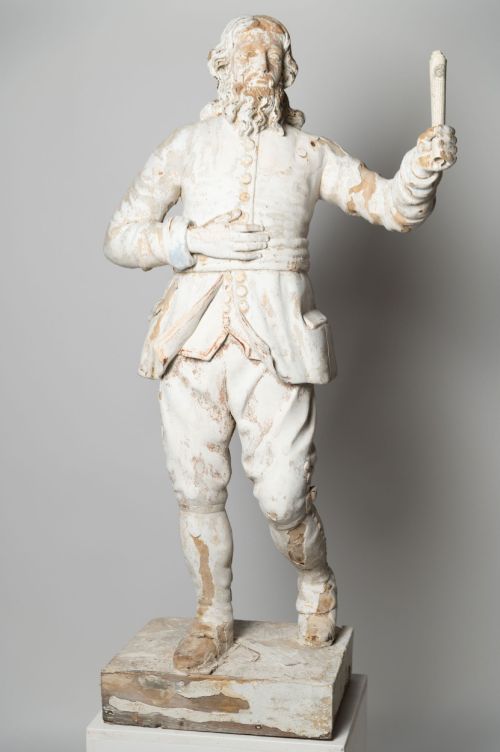
Wooden and marble interpretations dominate the selection, often bearing traces of polychrome paint, gesso, or gilding. Subjects span from saints and cherubs to noblemen, night watchmen, and mythological figures like the Farnese Flora.
How they were made
Sculptors shaped these pieces from various woods such as oak, limewood, and giltwood, alongside solid marble like Carrara stone. Artisans utilised hand tools to carve intricate details into the raw materials, defining drapery, facial expressions, and anatomical forms.
Many wooden statues received layers of gesso followed by polychrome paint and gilding to enhance their visual depth and realism. Marble portraits and figures were carved and polished to achieve smooth finishes characteristic of neoclassical and grand tour traditions.
European Carved Statue Retail Price Guide 2026
Typical asking prices for european carved statue among the pieces listed under this phrase on Sellingantiques today, from the lower quarter to the upper quarter. They describe what is for sale here now, not the wider market.
Among the solemn saints and classical deities, an amusing twentieth-century night watchman from Ukraine stands guard with quiet charm.
What varies in quality
The depth of anatomical understanding and fluidity in carved drapery distinguish finer sculptures from simpler provincial works. Master carvers achieved realistic weight in fabric and convincing musculature, whereas folk art pieces prioritise expressive charm over strict proportion.
The preservation of original surface treatments, including early polychrome paint, gilding, and gesso layers, heavily influences the character of a piece. Subtle tool marks left by the maker reveal the direct hand of the sculptor, adding depth to the surface.
The European Carved Statue Glossary
- Polychrome paint
- Decoration applied in several colours on sculpture surfaces. This technique was frequently utilised on wooden religious statues to heighten realism.
- Carrara marble
- A type of white or blue-grey marble from Italy used extensively for classical sculptures. Italian carvers favoured this stone for its fine grain.
- Gesso
- A plaster mix applied as a surface preparation before painting or gilding wood. It provides a smooth base for polychrome finishes.
- Folk art
- Artistic work produced from an indigenous culture or peasant tradition. These figures often display simpler stylistic traits compared to academic court sculpture.
European Carved Statue: Frequently Asked Questions
How do I care for a wooden statue?
Keep wooden sculptures away from direct heat sources and fluctuating humidity to prevent splitting. Dust gently with a dry, soft cloth without applying liquid polishes.
How can I tell the age of a marble bust?
Age is determined by stylistic markers, tool marks left on the unpolished undersides, and the natural patina acquired over centuries. Neoclassical and Grand Tour pieces often mirror classical antiquity.
Where were these statues displayed originally?
Religious figures stood inside churches, chapels, and domestic shrines, while marble busts and mythological subjects adorned grand European homes. Folk art figures typically belonged to simpler rural interiors.