



European Ceramics
European antique ceramics bring centuries of kilns, figures and painted glazes to a room, offering porcelain groups and earthenware jugs made for display.
European Ceramics
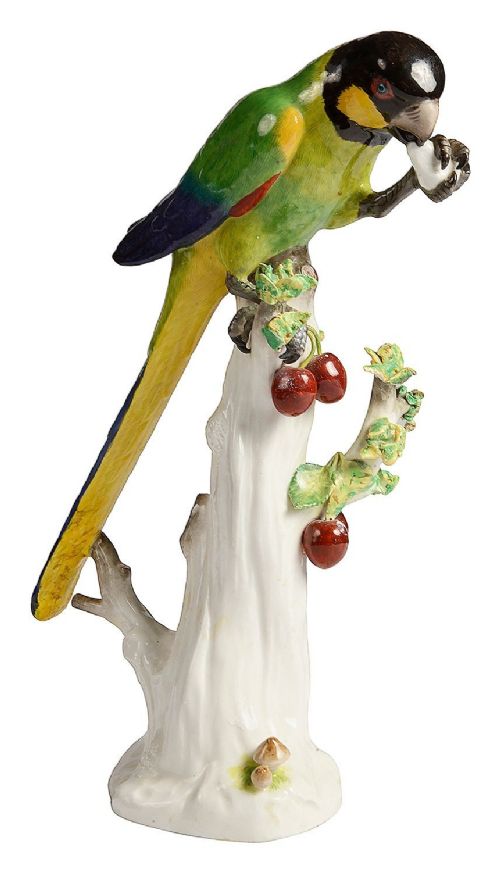
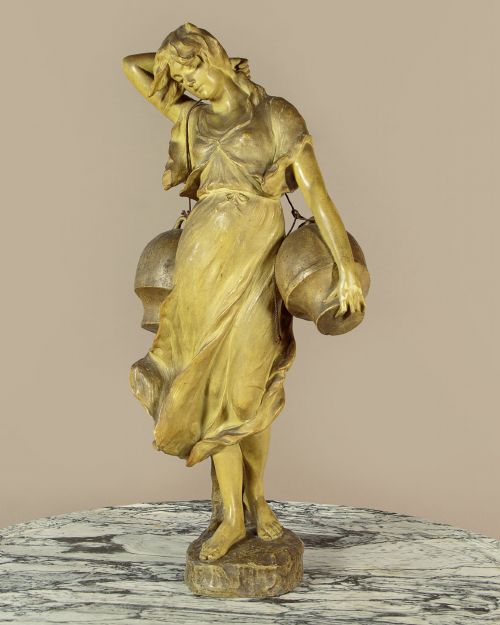
European antique ceramics encompass figures, chargers, punch bowls and jugs originating from continental factories during the eighteenth and nineteenth centuries. Collectors encounter Meissen porcelain groups, Vienna chargers and Goldscheider terracotta sculptures alongside Delft faience and slipware jars.
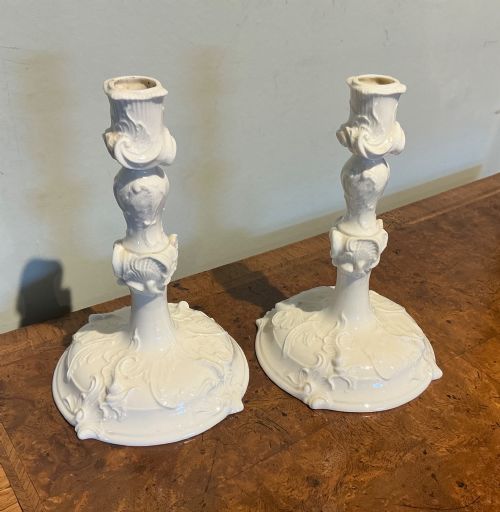
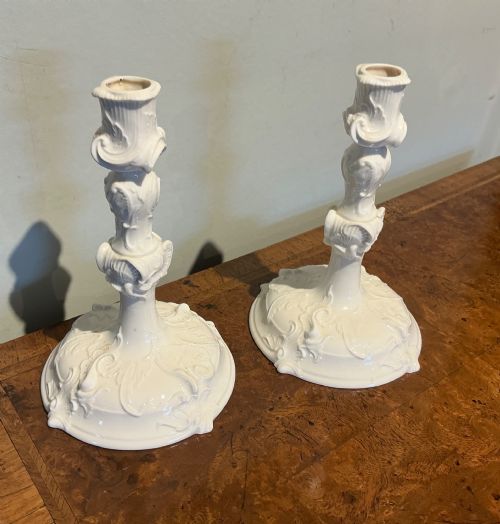
The pieces on this page lean heavily towards German hard-paste porcelain figures, Dutch tin-glazed earthenware and monumental terracotta works from the nineteenth century. Candlesticks, chocolate cups and wall plaques provide domestic utility and decorative wall presence in equal measure.
Materials and production
Potters shaped hard-paste porcelain, earthenware and terracotta using moulds and wheel-throwing techniques before applying complex hand-painted enamel decoration. Gold leaf accents and polychrome glazes required multiple kiln firings to fuse the colours onto the ceramic body.
Tin glazes provided an opaque white surface suitable for painting historical scenes and botanical motifs directly onto Dutch and continental pottery. Modelled elements such as tree trunks and mask spouts were formed separately and luted to the main body prior to glazing.
The listings span the seventeenth through the twentieth centuries, featuring hard-paste porcelain, terracotta, earthenware and tin-glazed faience.
Assessing quality
Fine detail in the modelling of fingers, drapery and facial expressions distinguishes superior figures from simpler production pieces. Crisp definition in the moulded relief and precision in the hand-painted polychrome enamel work indicate skilled factory output.
The preservation of original enamels and gilding without excessive rubbing affects the standing of a piece. Early factory marks, such as period swords or shield stamps, point to authentic manufacture and distinct historical eras.
Nymphenburg·Meissen·Goldscheider·Royal Vienna·Ludwigsburg·Royal Dux
The European Ceramics Glossary
- Hard-paste porcelain
- A vitrified ceramic composed of kaolin and petuntse fired at high temperatures. It forms the durable, bright white body seen in many eighteenth and nineteenth-century German figures.
- Faience
- Tin-glazed earthenware produced in continental Europe, particularly in France, Germany and the Netherlands. The porous clay body is covered in an opaque white tin glaze that accepts painted pigments.
- Polychrome
- Decoration employing multiple colours on a single ceramic object. Artisans applied these mineral pigments by hand over or under the glaze before firing.
- Charger
- A large decorative plate intended for display on a sideboard or wall rather than for dining use. These pieces often feature mythological or allegorical scenes painted across the wide central surface.
European Ceramics: Frequently Asked Questions
How do I clean antique ceramics?
Dust these objects gently with a soft, dry brush to prevent the accumulation of dirt in recessed crevices and modelled foliage. Avoid harsh chemical cleaners and do not submerge items with fragile hand-painted enamel or gold leaf.
Water can weaken historic repairs or penetrate unglazed clay bodies found in terracotta and earthenware. Spot clean only when strictly necessary using a damp cloth on fully glazed hard-paste surfaces.
Were these figures meant for display?
Porcelain groups and terracotta sculptures served primarily as decorative ornaments for dining tables, mantelpieces and cabinets in wealthy European homes. Their intricate modelling and allegorical subjects made them conversation pieces for guests rather than functional utensils.
Items like chocolate cups, punch bowls and jugs combined utilitarian service with high artistic display during formal gatherings. Candlesticks similarly provided ambient lighting while contributing sculptural form to a room.
How do I identify factory marks?
Factories stamped, incised or painted their specific symbols directly onto the unglazed base or underside of the ceramic body before the final firing. These blue crossed swords, shields or impressed numbers connect individual pieces to specific European kilns and historical periods.
Reference marks require careful comparison against standard factory registers because many nineteenth-century workshops imitated earlier styles and marks. Secondary impressed numbers often indicate model codes, size designations or thrower ciphers.
What is the difference between porcelain and earthenware?
Porcelain is a vitrified ceramic fired at extremely high temperatures until the clay body becomes dense, non-porous and translucent. Earthenware utilises a more porous clay body that remains opaque and requires a complete glaze coating to hold liquids.
Hard-paste porcelain resists scratching and staining far better than softer earthenware and tin-glazed faience. Continental potteries utilised both materials depending on the functional requirements and regional traditions of the workshop.