




Ethnic Wool Tapestry
These ethnic wool tapestry pieces bring rich tribal texture and bold geometric design directly into your interior.
Ethnic Wool Tapestry
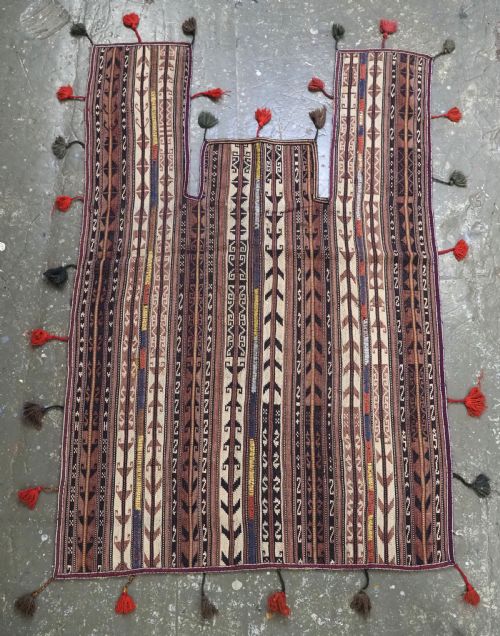
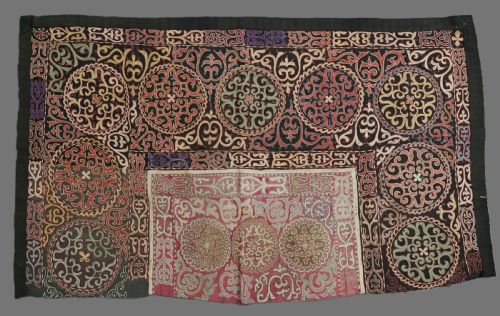
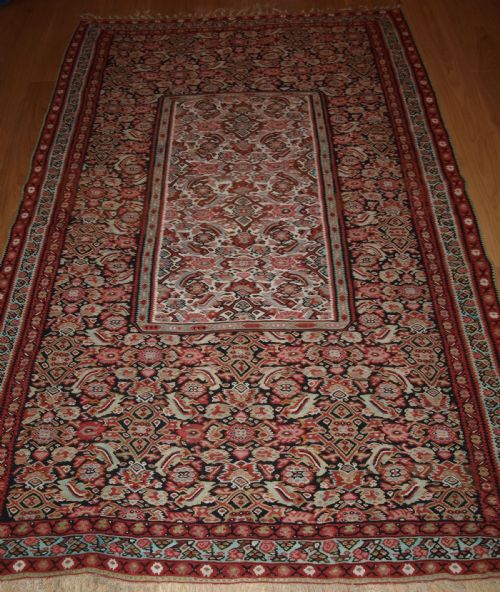
When you search for ethnic wool tapestry, you are looking at handwoven tribal textiles, flatweave kilims, embroidered wall hangings, and ceremonial horse covers originating from Central Asia, the Balkans, and Anatolia. These pieces range in date from the mid-nineteenth century through the early twentieth century.
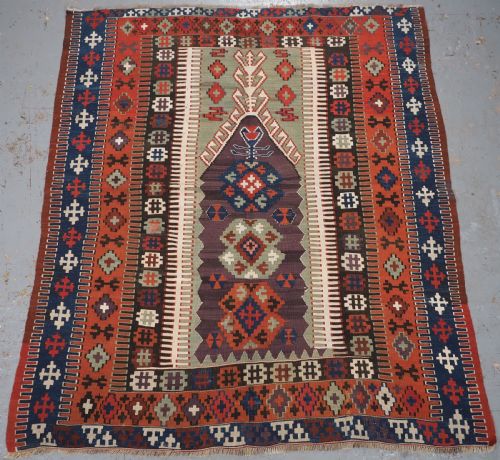
The most common forms you will encounter on this page include Uzbek kilim panels, Kyrgyz yurt wall hangings, and Turkish prayer kilims. They serve as functional floor coverings, decorative cushions, and striking wall art.
Materials and construction
These textiles rely primarily on wool, often combined with cotton and silk for embroidery work and structural detail. Artisans constructed flatweaves and embroideries by hand using traditional regional techniques passed down through generations.
The materials used dictate the weight and texture of each piece, from heavy tent bands and horse blankets to finely worked wall hangings and cushions.
Listings span the nineteenth and early twentieth centuries, featuring wool, cotton, and silk across Balkan, Anatolian, and Central Asian styles.
Assessing quality
Quality in these textiles rests upon the clarity of the graphic design and the integrity of the weave. Bold, well-balanced patterns and tightly packed structural structures distinguish the superior examples.
The saturation and warmth of the palette also separate pieces, with harmonious hues and complex repeating motifs indicating a higher standard of regional craftsmanship.
The Ethnic Wool Tapestry Glossary
- Kilim
- A flatwoven carpet or rug made without a pile. These are produced across Anatolia, the Balkans, and Central Asia with distinctive geometric patterns.
- Tush Kyiz
- A large, elaborately embroidered wall hanging traditionally made by Kyrgyz women to commemorate the marriage of a son or daughter.
- Tent Band
- A long, narrow woven strip used to secure nomadic yurt structures. They feature dense geometric patterning across their entire length.
- Prayer Kilim
- A small rug featuring a mihrab or niche design used for daily prayers. Turkish regions are particularly known for these forms.
- Ceremonial Cover
- A textile created for significant cultural events, such as horse blankets or saddle covers adorned with extensive embroidery.
Ethnic Wool Tapestry: Frequently Asked Questions
How do I hang a heavy textile on the wall?
Heavier pieces require even weight distribution to prevent distortion of the fabric over time. A professional conservator or framer can apply a supportive cotton sleeve or backing.
Alternatively, a padded wooden cleat system allows the textile to hang flat without piercing the original wool fibres.
How should I clean my antique wool tapestry?
Regular, gentle surface cleaning is best to preserve the natural lanolin in the wool fibres. Vacuuming with a mesh screen attachment helps remove dust without pulling loose threads.
Wet cleaning should be left entirely to specialist textile conservators to prevent dye bleeding and shrinkage.
Can these kilims be used on the floor?
Flatwoven kilims and horse covers were originally made for functional daily use in nomadic or traditional domestic settings. Lighter wall hangings and embroidered panels, however, lack the structural durability required for heavy foot traffic.
Use flatweave rugs in low-traffic areas with a suitable underlay to prevent slipping and reduce friction.
How do I identify a Central Asian piece?
Central Asian textiles often feature bold graphic designs, distinct tribal motifs, and specific regional techniques like the intricate embroidery found on Kyrgyz wall hangings.
Materials and colour palettes also point toward specific origins, such as the characteristic styles of Uzbek and Kazakh workshops.