



Ethnic Pattern Carpet
These ethnic pattern carpet examples bring genuine tribal character and rich wool texture into modern interiors.
Ethnic Pattern Carpet
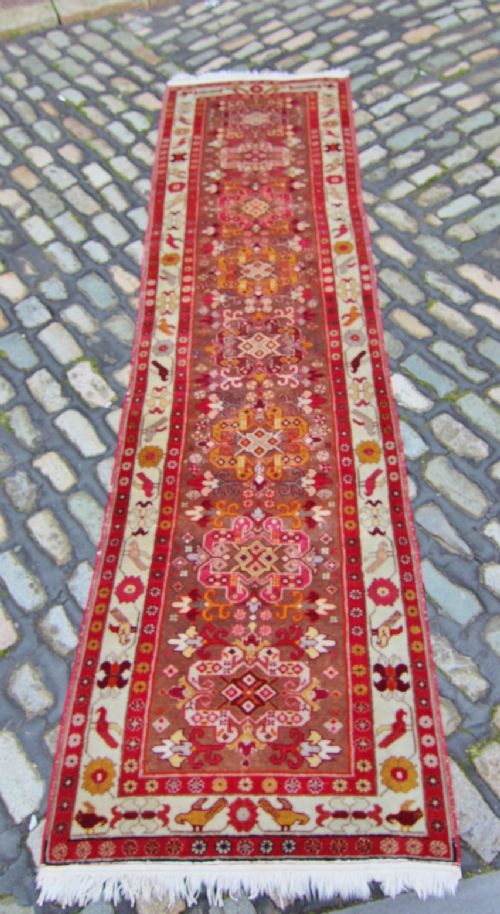
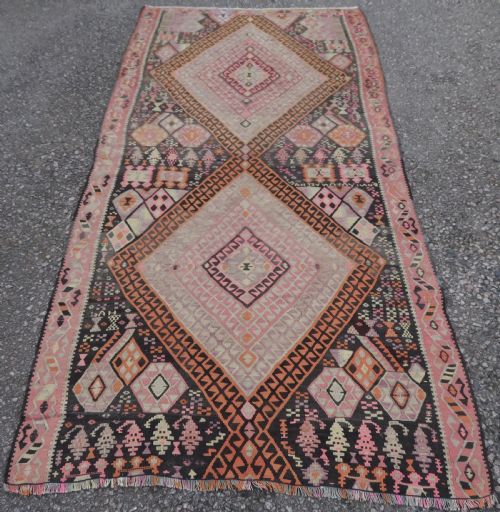
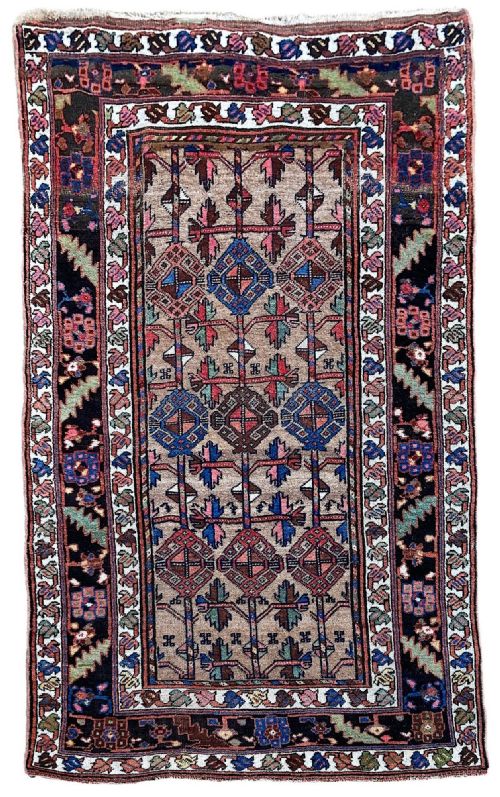
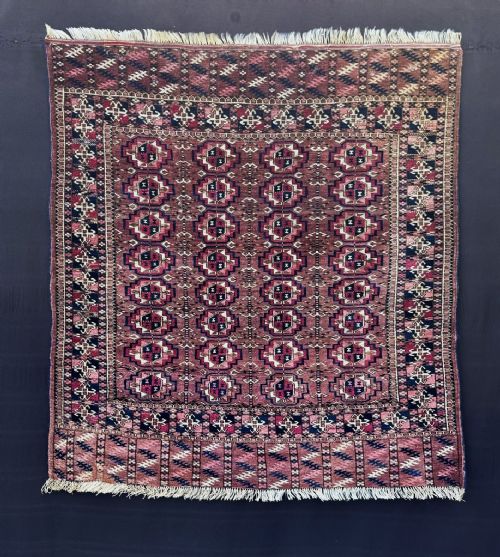
When you search for an ethnic pattern carpet, you are looking at woven textiles bearing traditional tribal and folk designs. The selections here span the late nineteenth century through to the interwar period, capturing rug-making traditions from Anatolia, Central Asia, Kurdistan, Persia, and the Balkans.
You are most likely to meet flat-woven kilims, village rugs, and regional carpet cushions on this page. These pieces range from large signed Turkish kilims and Turkmen wedding rugs to smaller Afghan village runners and repeat medallion designs.
The regional variety is wide, encompassing Kurdish, Persian, Afghan, and Balkan folk art aesthetics. Each piece reflects the specific weaving grammar and cultural heritage of its maker and origin.
How they were made
The construction of these textiles relies primarily on wool and cotton foundations, with many examples utilising hand-spun wool for the pile or flat weave. Weavers knotted or flat-wove the fibres by hand on traditional vertical and horizontal looms.
Natural dyeing techniques produced the varied colour palettes seen across the pieces, ranging from soft tones to very colourful traditional compositions. The handling of the warp and weft threads determines whether the textile is a piled rug or a flat-woven kilim.
Ethnic Pattern Carpet Retail Price Guide 2026
Typical asking prices for ethnic pattern carpet among the pieces listed under this phrase on Sellingantiques today, from the lower quarter to the upper quarter. They describe what is for sale here now, not the wider market.
Tekke brides rode beneath specially woven wedding rugs that fluttered on camel back.
What varies in quality
Quality in these woven works is measured by the tightness of the weave, the precision of the tribal motifs, and the integrity of the material. Finer hand-spun wool and well-executed repeat medallion designs demonstrate superior craftsmanship.
The sophistication of the colour palette and the clarity of regional attribution also separate standard village pieces from finer tribal examples. Preserved edges and signed elements further distinguish the upper tier of these textiles.
The Ethnic Pattern Carpet Glossary
- Kilim
- A flat-woven carpet or rug produced without a pile. These pieces rely on interlocking weft techniques to create crisp geometric patterns.
- Warp
- The vertical threads stretched tightly on a loom before weaving begins. The warp threads form the structural foundation of the rug.
- Weft
- The horizontal threads passed through the warp to create the fabric and pattern. In flat-weaves, the weft threads are beaten down tightly to hide the warp.
- Medallion
- A central ornamental motif placed in the field of a carpet. Repeat medallion designs feature multiple instances of this focal element.
- Pile
- The upright cut or uncut loops of yarn that form the soft surface of certain rugs. Flat-weaves lack this raised surface entirely.
Ethnic Pattern Carpet: Frequently Asked Questions
Where were these rugs made?
The pieces originate from various regions including Anatolia, Central Asia, Kurdistan, Persia, and the Balkans.
Each area developed distinct tribal weaving practices, motifs, and material preferences.
How do I care for a wool rug?
Vacuum gently without a rotating brush to protect the natural fibres from excessive wear. Keep the textile away from direct sunlight to preserve the natural dyes.
Professional cleaning suited for antique wool is recommended when necessary.
What is the difference between a kilim and a rug?
A kilim is flat-woven without any raised pile, resulting in a lighter and thinner textile. Piled rugs feature a dense surface of knotted yarn.
Both types utilise traditional ethnic patterns characteristic of their region.
How do I date an antique carpet?
Dating relies on stylistic analysis, structural examination of the wool and cotton, and regional design traits. Historical markers help narrow the period down to specific decades.
Many examples on this page date from the late nineteenth century through the 1930s.