
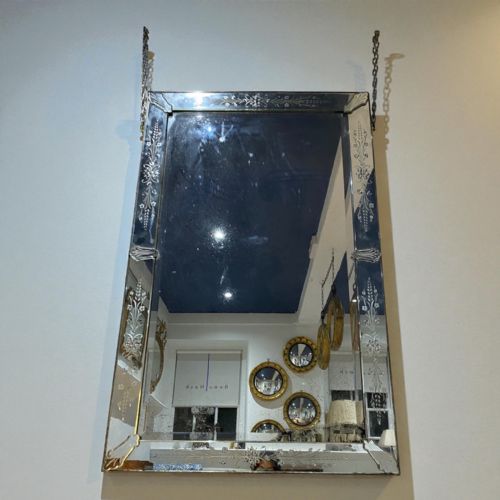
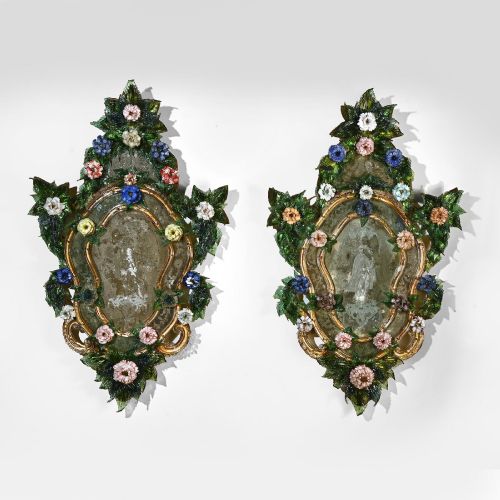
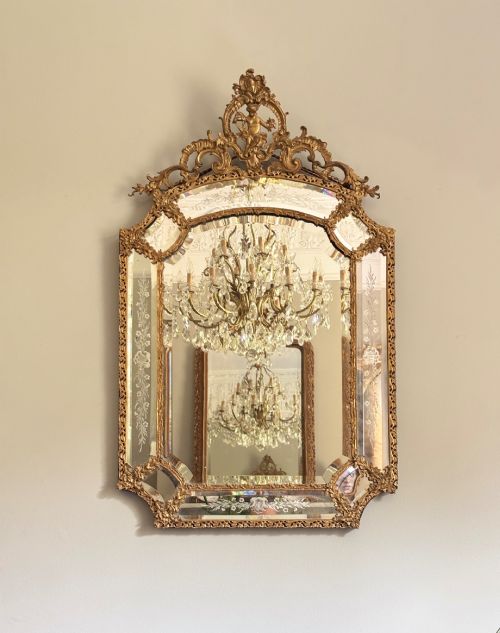
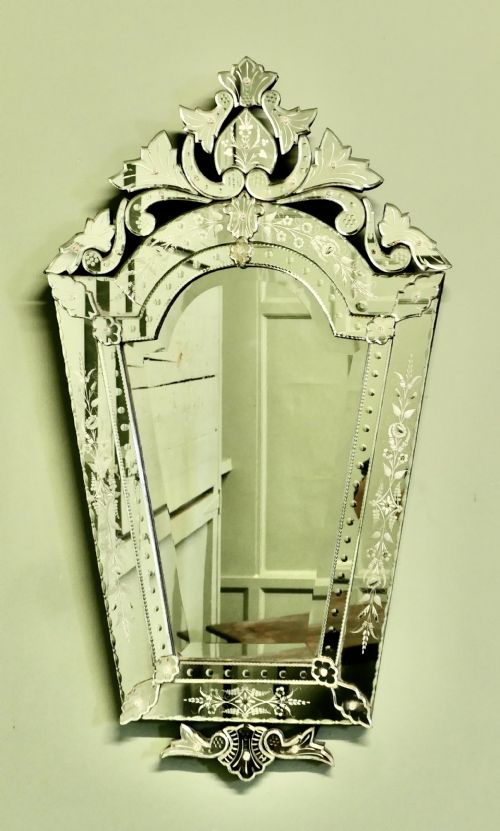




Etched Venetian Mirror
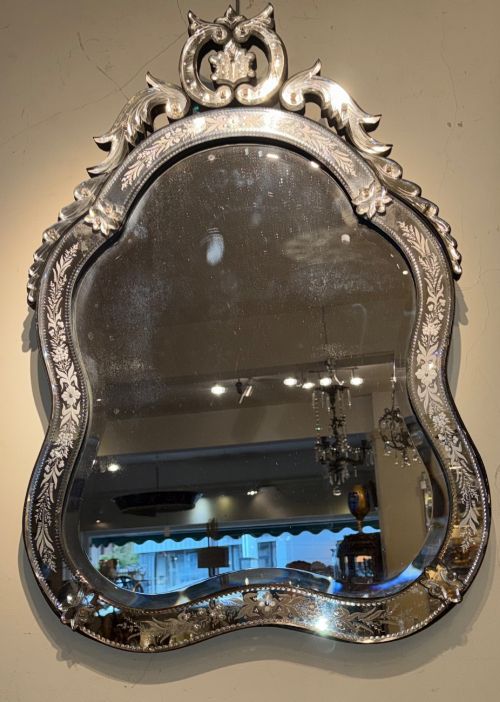
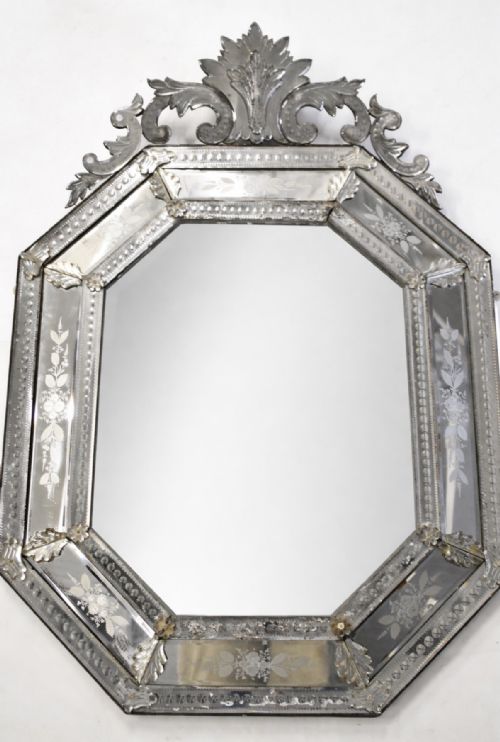
An etched venetian mirror brings striking light and intricate engraved detail into a room, offering the decorative brilliance collectors seek.
Etched Venetian Mirror
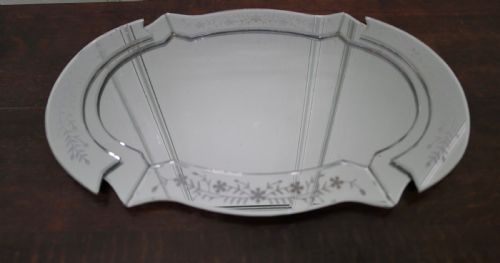
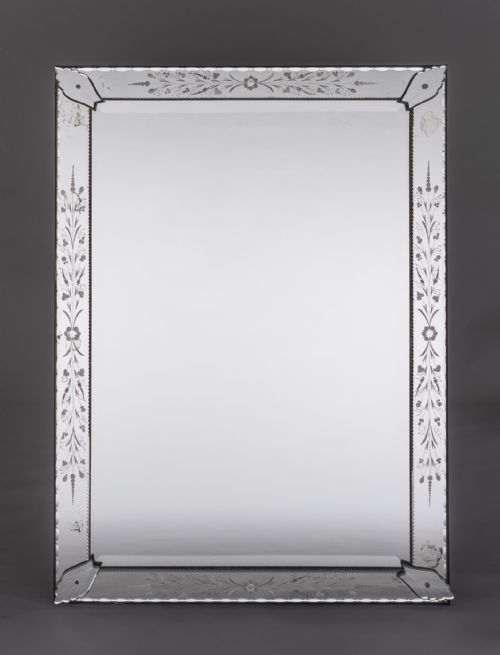
An etched venetian mirror combines decorative glass plates with elaborate engraved floral or geometric motifs, originating primarily from Italy and France across multiple centuries. Buyers searching for an etched venetian mirror encounter wall mirrors, overmantle pieces, cushion frames, and occasional glass trays in styles ranging from Rococo and Victorian to Art Deco.
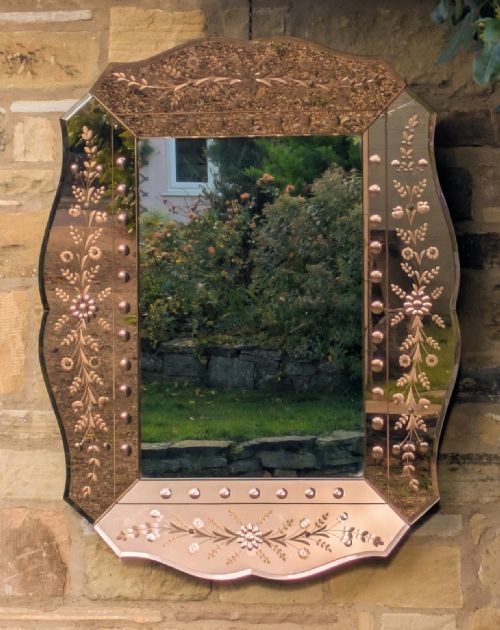
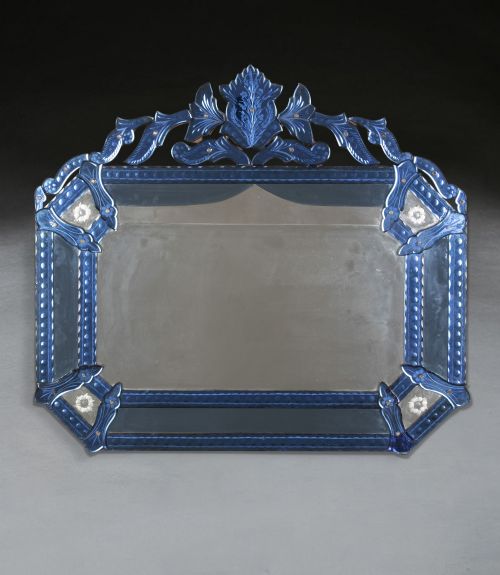
The pieces on this page span the eighteenth, nineteenth, and twentieth centuries, including Edwardian and nineteen-thirties examples. Wall mirrors dominate the selection, often featuring carved giltwood, ebonised elements, or coloured glass borders in blue, peach, and ruby red.
How They Were Made
Glass plates are shaped and hand-etched with floral or scroll decorations, then mounted onto wooden frames constructed from materials such as giltwood, ebonised wood, and standard timber. Many examples integrate silvered glass, mirrored glass, and specialised coloured glass plates secured with decorative metal elements.
Makers shaped the glass through cutting and bevelling techniques, adding engraved surface details to borders and central plates. Frames often incorporate carved polychrome wood, gilt bronze, or integrated glass panels fixed to a supportive backing.
Several mirrors include ruby red and peach glass borders, proving that past interiors welcomed a splash of colourful drama.
What Varies in Quality
Quality rests upon the depth and clarity of the glass etching and the crispness of the hand-carved wooden or gilt frames. Superior examples display finely detailed floral engraving on the plates alongside well-preserved silvering and robust structural framing.
The complexity of the glass work defines the upper tier, particularly pieces featuring multi-part cushion frames, bevelled edges, and scarce coloured borders like ruby red or deep blue. Simpler constructions with basic cut glass plates occupy the accessible end of the range.
The Etched Venetian Mirror Glossary
- Cushion mirror
- A mirror with a convex profile where the outer frame panels angle outward from the central plate. This style creates additional light reflection.
- Overmantle mirror
- A wide horizontal mirror designed to sit above a fireplace mantel. These pieces often feature extensive etched glass frames.
- Bevelling
- The angled edge cut around the perimeter of a glass plate. It refracts light and adds depth to the reflection.
- Giltwood
- Wood carved and coated with a thin layer of gold leaf or gilt preparation. It provides a bright decorative border for glass plates.
- Girandole
- A wall sconce fitted with candle branches attached to a mirrored backplate. The etched glass reflects the candlelight.
Etched Venetian Mirror: Frequently Asked Questions
Where should I hang an etched venetian mirror?
These mirrors function effectively above fireplaces as overmantle centrepieces or on drawing room walls where they capture and multiply natural light. Their reflective glass borders suit spaces requiring additional illumination.
Ensure the wall structure supports the weight of the wooden backing and glass plates safely. Position the piece at eye level to appreciate the engraved floral and geometric details.
How do I date an antique etched venetian mirror?
Dating relies on examining the construction of the wooden backing, the type of silvering on the glass, and the stylistic cues of the frame. Eighteenth and nineteenth-century examples often feature hand-bevelled plates and distinct carving styles.
Twentieth-century pieces from the nineteen-twenties and thirties frequently incorporate geometric Art Deco motifs or coloured glass borders in peach and ruby red.
What is foxing on a mirror plate?
Foxing refers to the small brown spots and patches that develop on older mirror plates as the silver backing ages and oxidises. This natural ageing process creates a mottled appearance across the glass.
Many collectors value foxing as evidence of high age and authenticity. It distinguishes antique silvered glass from modern manufactured alternatives.
Are these mirrors fragile?
The combination of glass plates, delicate etched borders, and wooden frames requires careful handling during placement and transport. Wall mounting demands secure fixings suited to the weight of the specific piece.
Routine maintenance involves gentle dusting with a dry cloth and avoiding harsh chemical cleaners on the etched and silvered surfaces.