



Etched Globe Shade Lamp
An etched globe shade lamp brings warm period character to a room, combining tactile glasswork with solid brass or ceramic bases.
Etched Globe Shade Lamp
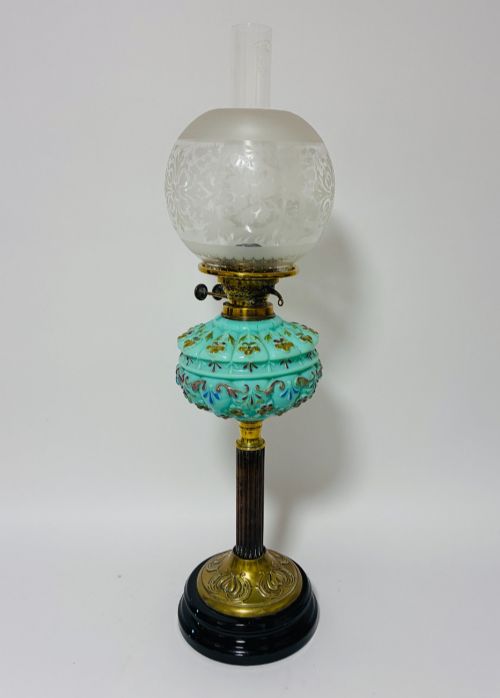
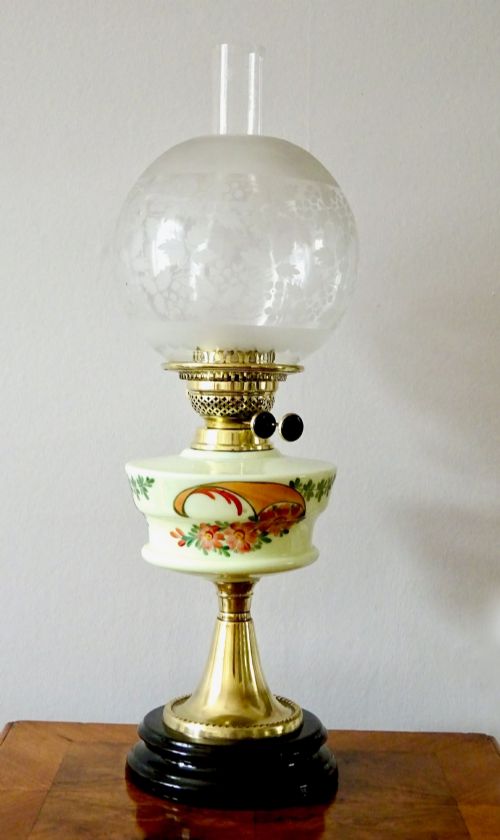
An etched globe shade lamp represents a distinct category of domestic lighting originating primarily from the Victorian and Edwardian eras. Buyers searching for an etched globe shade lamp typically encounter table models, oil lamps with decorative fonts, and occasional ceiling fixtures. These pieces utilise spherical or tulip-shaped glass shades mounted above brass, bronze, ebonised wood, or ceramic bases.
Makers such as Hinks of Birmingham, Messengers, and retailers like Harrods appear in the historical record for these lighting forms. The surviving pieces demonstrate the evolution from nineteenth-century oil-burning domestic illumination to later electrified table and ceiling configurations. Each lamp combines functional engineering with decorative glass artistry characteristic of its period.
Materials and construction
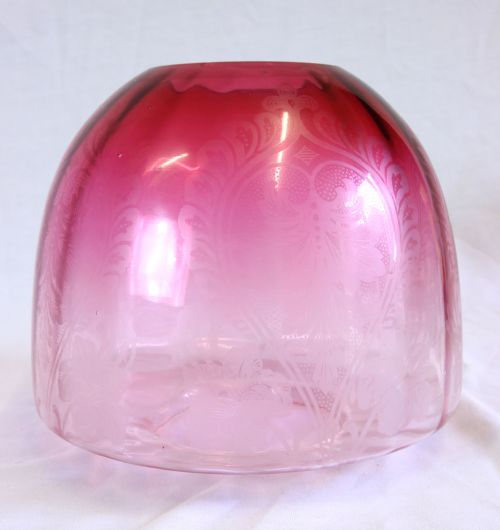
Makers produced the glass shades through mouth-blowing before applying surface decoration via wheel-cutting, acid-etching, or frosting techniques. Coloured glass recipes incorporated minerals to achieve deep cranberry and green hues, while clear crystal allowed for crisp, light-catching incisions. These delicate glass globes sat securely within metal galleries attached to the lamp body.
Bases and reservoirs relied on cast brass, turned bronze, and glazed ceramics, sometimes supported by ebonised wood plinths. Metal components were cast, hand-finished, and threaded to assemble sturdy columns capable of supporting heavy fuel fonts and glass shades. Many surviving oil lamps have since been safely converted to electricity while retaining their original structural integrity.
Assessing quality in period lighting
The distinction between standard domestic lighting and finer examples lies in the depth and precision of the glass etching and the weight of the metal mountings. Superior glass shades display crisp, detailed surface carving and rich, even coloration without cloudiness. Heavy cast brass bases with well-defined chased detailing signal superior workshop execution compared to lighter, mass-produced counterparts.
Proportion and material harmony further separate ordinary pieces from exceptional ones. Matching font and shade colours, such as complementary cranberry or green tones, indicate careful original pairing. Maker attribution through stamped burner galleries or maker's marks adds significant historical weight to an object.
Hinks of Birmingham·Messengers·Harrods
The Etched Globe Shade Lamp Glossary
- Gallery
- The metal ring with tightening screws that holds the glass shade securely above the burner or lamp body. It must match the collar diameter of the shade.
- Cranberry glass
- A rich red-pink glass created by adding gold chloride to the molten batch. It was widely used for Victorian oil lamp shades and vessels.
- Acid-etching
- A decorating technique using acid to eat away exposed glass surfaces, leaving a frosted pattern in relief. This method produced intricate floral and geometric motifs on globes.
Etched Globe Shade Lamp: Frequently Asked Questions
How do I date an oil lamp with a glass shade?
Dating relies on examining the burner mechanism patents, the manufacturing style of the brass collar, and the colour chemistry of the glass font. Victorian examples often feature specific maker stamps on the thumbwheels.
Later Edwardian and Art Deco pieces show shifts toward simpler brass mountings and heavier crystal forms. Comparing the decorative motifs on the etched shade to prevailing Art Nouveau or Victorian design helps narrow the production window.
Can these old oil lamps be used safely today?
Most surviving oil lamps have been converted to electricity by professional electricians to allow safe daily use in modern homes. This process preserves the antique brass and glass exterior while concealing modern wiring.
Original oil-burning mechanisms can sometimes be retained for display purposes, but conversion is standard for practical lighting. Buyers should inspect the stability of the base and the fitting of the gallery before use.
What caused the different glass colours in these shades?
Victorian and Edwardian glassmakers added specific metallic oxides and minerals to the molten batch to achieve vibrant hues. Cranberry glass derived its red tone from gold, while green shades utilised copper or iron oxides.
Frosted finishes were achieved through acid treatment or sandblasting to diffuse the harsh glare of the flame or early bulb. These distinct coloration methods help identify period production techniques.
How do I match a replacement shade to an antique base?
Matching a replacement shade requires measuring the outer diameter of the fitter rim to ensure it fits the metal gallery correctly. The physical weight and colour of the glass must also complement the proportions of the font.
Period-appropriate etching styles should correspond to the era of the base to maintain visual authenticity. Consulting reference guides helps identify correct pairings for specific Victorian and Edwardian models.