




Etched Georgian Glass
Etched georgian glass pieces are historic drinking vessels and mirrors carrying period ornamentation that bring tangible eighteenth century character to a room.

Etched Georgian Glass
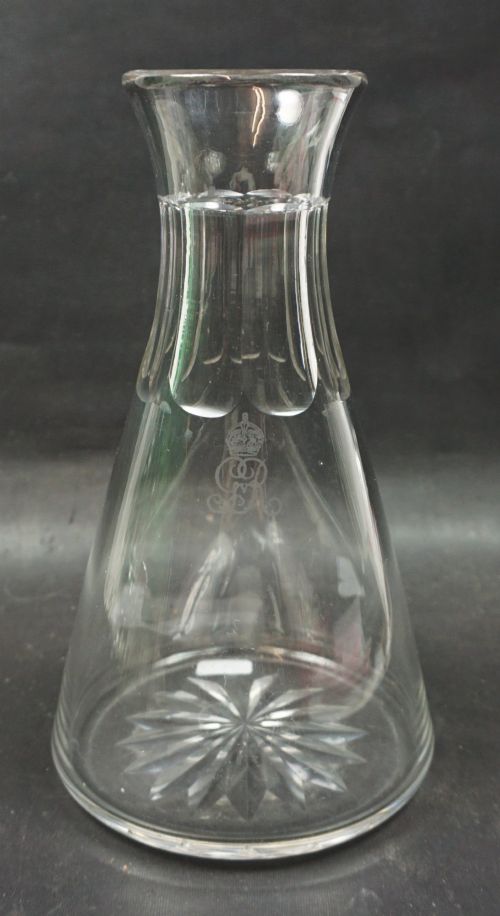
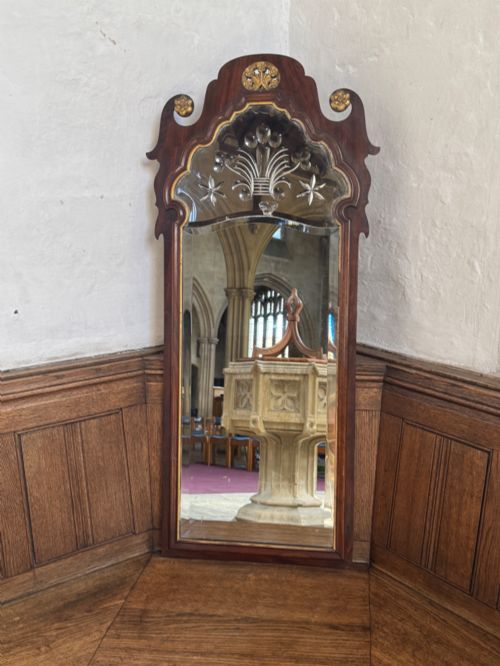
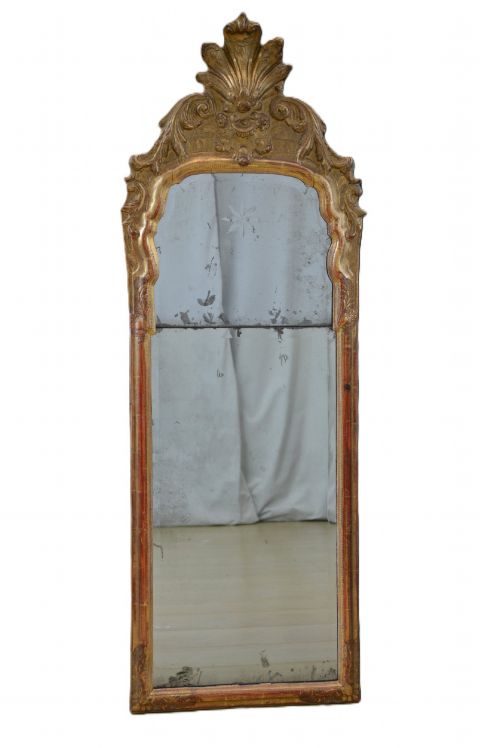
When you search for etched georgian glass, you encounter items ranging from drinking vessels like rummers and decanters to mirrors framed in gesso and giltwood. The selection combines genuine eighteenth century survivals with pieces created during later revival periods, spanning Georgian, Victorian, and Edwardian eras.
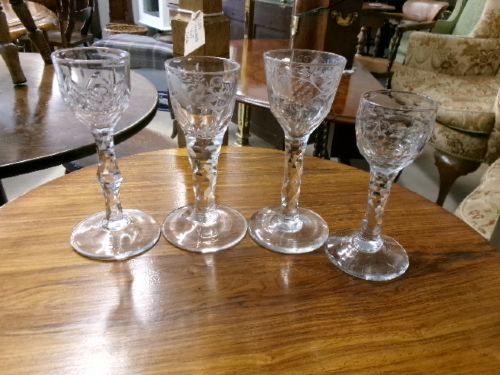
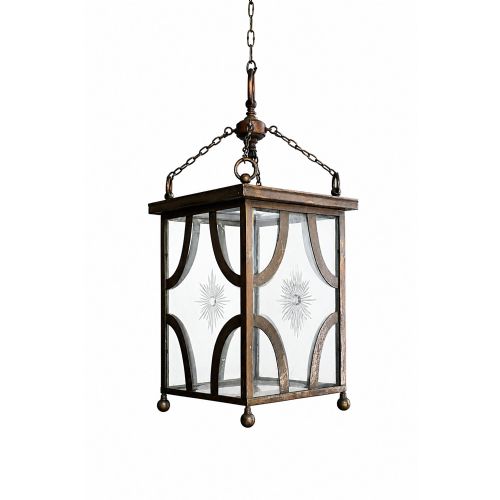
Drinking glasses dominate the functional glassware, featuring faceted stems, wide foot bases, and decorated bowls with hunting scenes or naïve motifs. Alongside these vessels, the category includes pier mirrors with reverse cut plates and wall lanterns that showcase the period aesthetic in different household forms.
Materials and construction methods
The glassware relies heavily on clear glass, lead glass, and lead crystal, shaped through hand blowing and faceted cutting techniques. Artisans applied surface decoration by etching scenes directly onto the material of rummers, gin glasses, and decanters.
For items like pier mirrors and wall lanterns, makers utilised mahogany, brass, gesso, and giltwood. These framed pieces often involved carved woodwork finished with gilt details to support the cut glass plates.
Etched Georgian Glass Retail Price Guide 2026
Typical asking prices for etched georgian glass among the pieces listed under this phrase on Sellingantiques today, from the lower quarter to the upper quarter. They describe what is for sale here now, not the wider market.
Materials recorded across the selection include lead glass, clear glass, brass, mahogany, gesso, and giltwood.
Assessing quality in the range
Quality reveals itself in the crispness of the glass cutting and the delicacy of the etched details on bowls and decanters. Superior drinking vessels display well proportioned stems and stable wide foot bases that balance the weight of the lead glass.
In framed objects, the depth and precision of the gesso and giltwood carving distinguish finer examples from simpler alternatives. The clarity of the glass plate and the integration of the reverse cut work further separate standard pieces from exceptional ones.
The Etched Georgian Glass Glossary
- Rummer
- A large heavy drinking glass popular in the Georgian period, often featuring a short stem and wide foot base. These vessels were typically used for wine, beer, or punch.
- Pier mirror
- A tall wall mirror designed to hang on the pier or wall space between windows. They frequently feature ornate gesso and giltwood frames with cut plates.
- Lead crystal
- A heavy variety of glass containing lead oxide, which increases brilliance and makes the material softer for cutting and etching. This composition gives period glassware its characteristic weight and clarity.
- Gesso
- A plaster based material applied to wooden frames before gilding. It provides a smooth surface for intricate carving in styles reminiscent of eighteenth century design.
- Reverse cut plate
- A mirror glass technique where the design is cut into the rear surface of the glass rather than the front. This creates depth and protects the ornamentation from damage.
Etched Georgian Glass: Frequently Asked Questions
What is a rummer?
A rummer is a sturdy drinking glass from the Georgian era designed for daily use with ale, wine, or spirits. They typically feature a short stem and a broad foot for stability.
These vessels often showcase etched decoration on the bowl, ranging from simple floral patterns to elaborate hunting scenes.
Are all these items from the eighteenth century?
The selection includes genuine eighteenth century pieces alongside items made during later revival periods such as the Victorian and Edwardian eras. Nineteenth and twentieth century makers often produced mirrors and glassware in earlier Georgian styles.
Examining the materials, construction methods, and wear helps determine the exact period of manufacture.
How were pier mirrors used?
Pier mirrors were hung on the narrow wall space between windows to reflect light around period rooms. Their tall proportions suited the vertical architecture of Georgian interiors.
They frequently combined carved gesso and giltwood frames with specialised glass plates to enhance illumination.