




Estate Gold Jewellery
Estate gold jewellery brings together decades of rings, necklaces and brooches crafted in yellow and white gold.
Estate Gold Jewellery
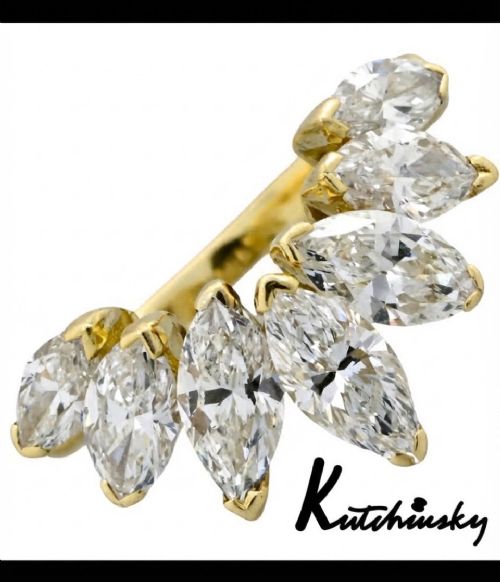
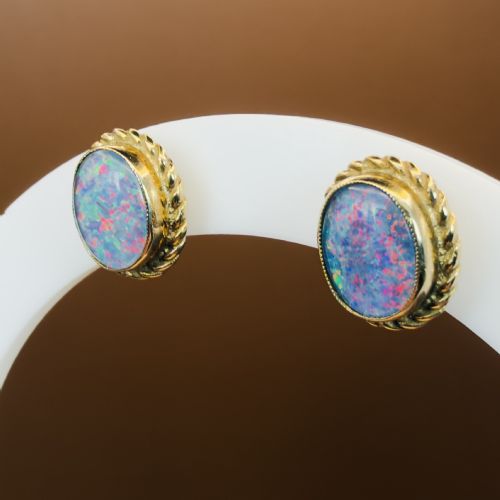
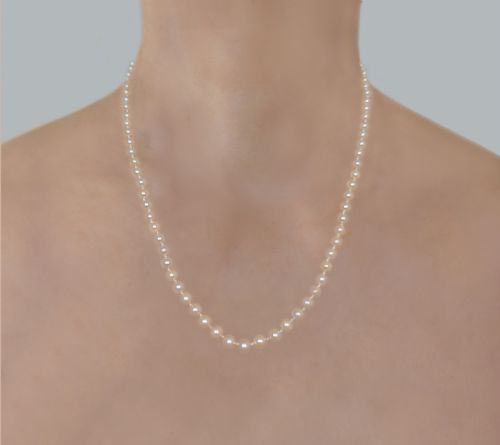
Estate gold jewellery encompasses a broad range of previously owned adornments spanning the Victorian period through to the late twentieth century. Pieces appearing in this selection include diamond rings, pearl necklaces, gemstone earrings and floral spray brooches.
The assortment relies heavily upon mid-century designs alongside earlier Art Deco and Victorian pieces. Buyers frequently encounter items fashioned from nine-carat, fourteen-carat and eighteen-carat gold set with diamonds, sapphires, rubies and pearls.
How these pieces were made
Goldsmiths utilised yellow and white gold alloys of nine, fourteen and eighteen carats to form the structural foundations for rings, bracelets and brooches. Metal was cast, drawn into wire or beaten into sheet settings to hold various stones.
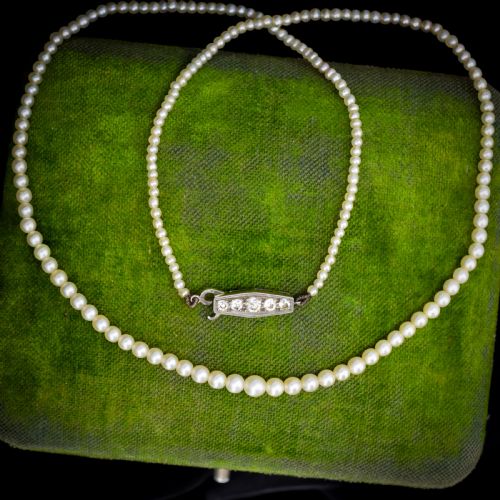
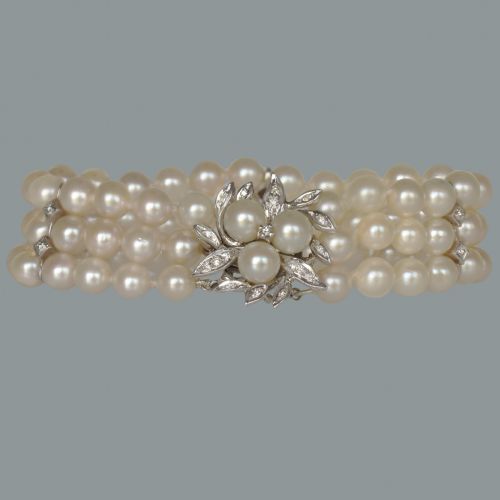
Gemstones including old-cut and modern brilliant-cut diamonds, rubies, sapphires and emeralds were secured using claw, cluster and bezel settings. Pearls were strung onto durable cords, often incorporating gold clasps adorned with pavé diamonds.
What varies in quality
The calibre of estate gold jewellery rests upon the precision of stone selection, such as the matching of pearl strands or the clarity of cluster diamonds. Weight and substantial metal gauge also elevate certain pieces above lighter counterparts.
Artisanal distinction separates standard production items from signed works originating from established houses. Superior construction involves careful hand-finishing of metalwork alongside secure claw settings for larger central gems.
Kutchinsky·Chaumet·Le-Gi Italy
The Estate Gold Jewellery Glossary
- Art Deco
- A design style spanning the 1920s and 1930s characterised by geometric symmetry and crisp lines. It frequently manifests in white gold mountings set with diamonds and calibre-cut gemstones.
- Cabochon
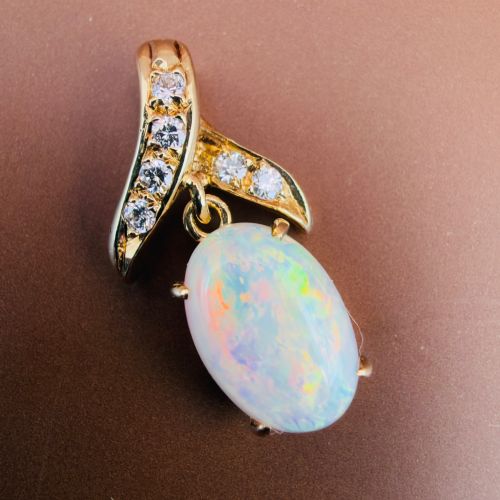
- A gemstone shaped and polished with a smooth, convex domed surface rather than faceted. This cut is often utilised for opals, turmalines and star stones.
- Cluster
- An arrangement of smaller gemstones clustered tightly around a larger central stone or grouped in a floral formation. This setting style maximises overall visual presence.
- Carat
- A unit of weight used for measuring gemstones, or a measure of the purity of gold used in jewellery. Eighteen-carat gold contains seventy-five percent pure gold.
- Eternity ring
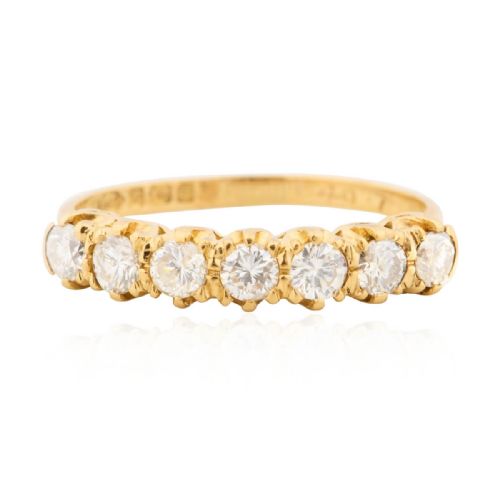
- A band set continuously with gemstones around the entire circumference. These pieces symbolise unending love and typically feature diamonds.
- Bezel
- A collar of metal that holds a gemstone in place by folding over its edge. This technique provides a secure and smooth mounting.
Estate Gold Jewellery: Frequently Asked Questions
How do I care for pearl necklaces?
Pearl necklaces require gentle maintenance because organic gems are softer than diamonds or precious metals. Wiping pearls with a soft, damp cloth after wearing removes natural oils and cosmetic residues.
Storing pearls flat prevents undue stretching of the silk cord. Periodic restringing by a specialist ensures the safety of the beads, particularly for multi-strand vintage pieces.
How can I date vintage gold jewellery?
Dating vintage gold jewellery involves examining stylistic markers, gemstone cuts and manufacturing techniques. Art Deco pieces often display geometric white gold mounts, while mid-century designs frequently incorporate floral cluster motifs and textured gold finishes.
Assay marks, maker stamps and hallmarks stamped onto the metal provide definitive clues regarding origin and period. Comparing the construction methods to known chronological eras helps narrow down the year of creation.
What is the difference between white gold and yellow gold?
Yellow gold is an alloy created by mixing pure gold with proportioned amounts of silver and copper. This combination retains the warm, natural hue associated with traditional precious metalwork.
White gold is formed by alloying pure gold with white metals such as palladium, silver or nickel, and is frequently plated with rhodium for a bright finish. Both variations offer the same structural durability depending on their carat rating.