


9ct Aquamarine Jewellery
These pieces of 9ct aquamarine jewellery combine cool blue beryl with low-carat gold, offering accessible elegance from Edwardian and mid-century workshops.
9ct Aquamarine Jewellery
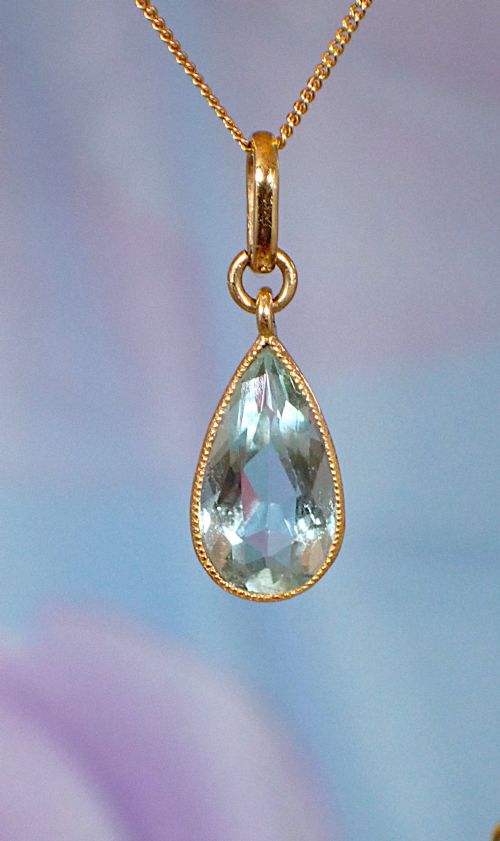
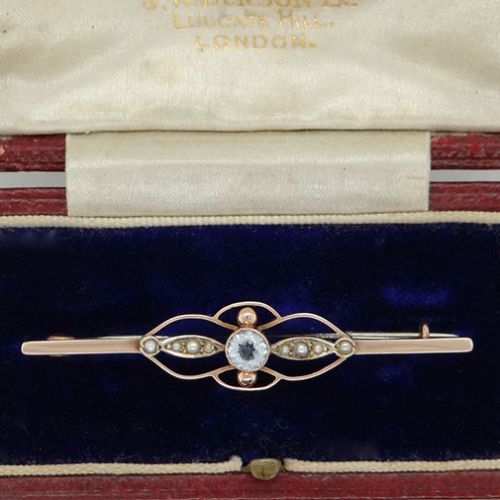
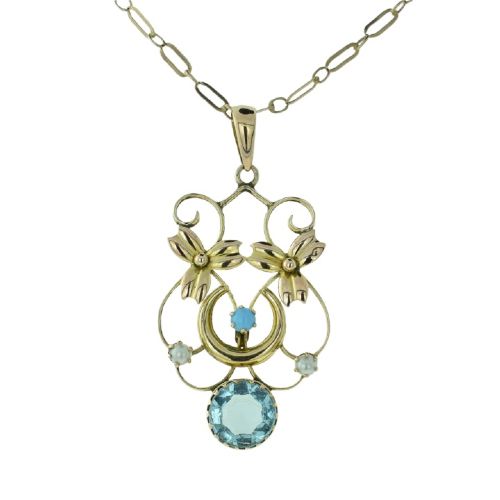
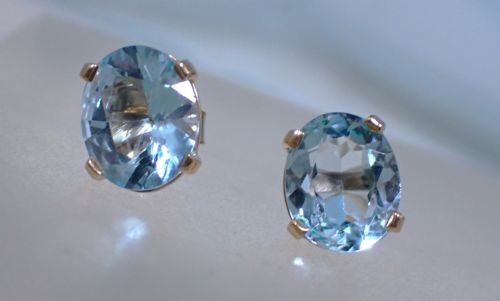
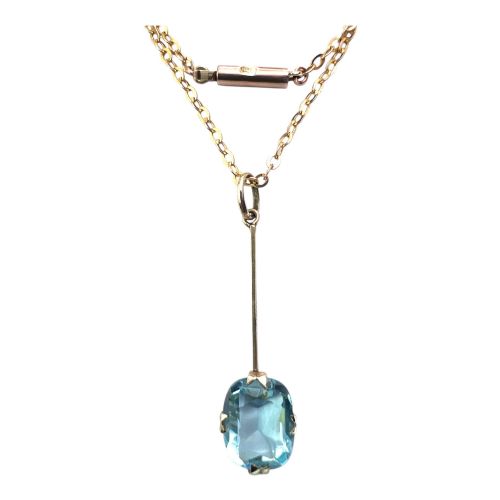
When you search for 9ct aquamarine jewellery, you encounter a selection spanning the Edwardian era through to the mid-century and modern periods. The objects range from drop necklaces and pendants to brooches and stud earrings.
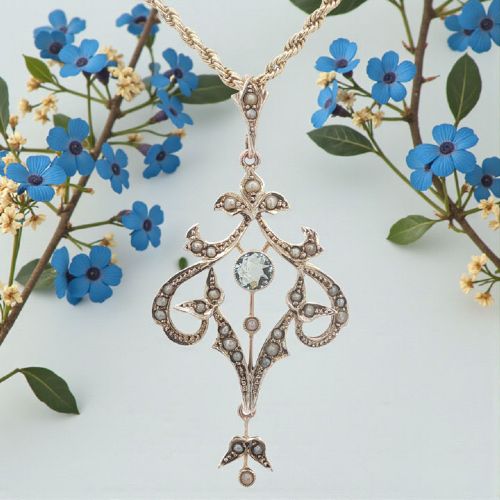
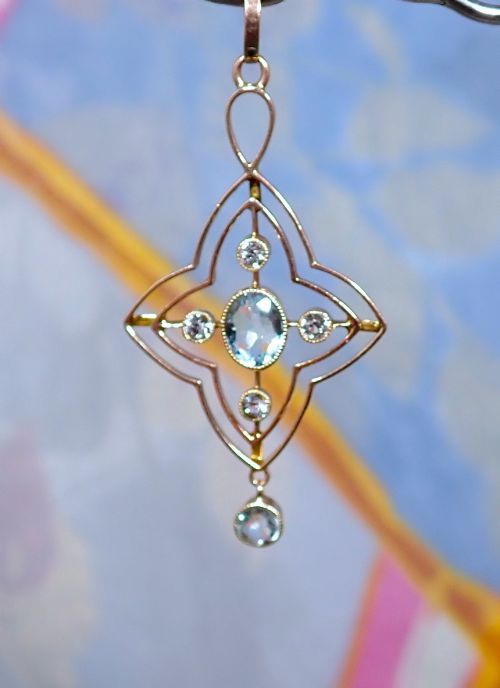
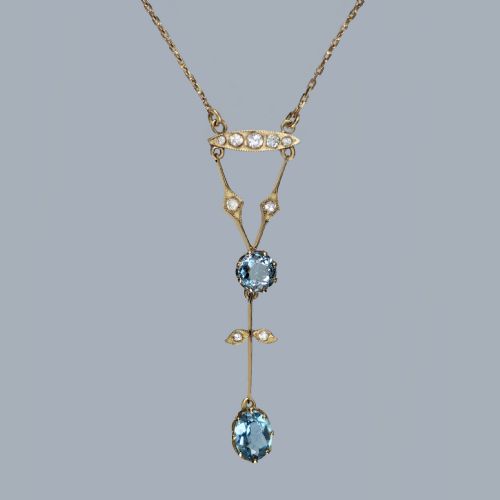
Edwardian examples frequently pair pale blue aquamarines with seed pearls and yellow or rose gold. Mid-century items often present cleaner lines in drop earrings utilising square or pear-cut stones.
The materials recorded in these listings rely consistently on nine-carat gold settings paired with aquamarine, occasionally accompanied by diamonds, white sapphires, or blue topaz.
How these pieces were made
Goldsmiths set aquamarine stones into nine-carat gold alloys, which appear in yellow, rose, and white tones depending on the period. Seed pearls and diamonds are frequently integrated into the designs as accent stones.
Edwardian makers employed delicate wirework and millegrain edging to frame aquamarines and pearls. Later mid-century pieces turned toward simpler claw and stud settings that showcase faceted cut stones.
Materials appearing across the inventory include yellow gold, rose gold, white gold, seed pearls, diamonds, and blue topaz.
What varies in quality
Quality rests on the depth of colour in the aquamarine and the crispness of the surrounding goldwork. Edwardian pieces rely on intricate wire assembly, whereas later examples depend on the precision of the stone cut.
The condition of accompanying seed pearls and the original integrity of the nine-carat gold chains or pin mechanisms separate finer examples from standard workshop output.
The 9ct Aquamarine Jewellery Glossary
- Aquamarine
- A blue to bluish-green variety of beryl used as the primary gemstone in these settings. Its colour typically suggests the clear waters of the sea.
- 9ct Gold
- An alloy containing thirty-seven point five percent pure gold, widely utilised in British jewellery manufacturing for durability. It appears in yellow, rose, and white variations.
- Seed Pearl
- A very small natural or cultured pearl, often undrilled or half-drilled, clustered around central stones in Edwardian designs. These add a soft luminous contrast to bright beryl.
- Millegrain
- A decorative jewellery technique involving a line of tiny raised metal beads bordering a setting. This method softens edges and defines Edwardian motifs.
- Drop Pendant
- A suspended ornament hanging from a necklace chain or brooch frame. These items allow the central gemstone to move independently.
9ct Aquamarine Jewellery: Frequently Asked Questions
How do I care for 9ct aquamarine jewellery?
Clean these pieces using warm soapy water and a soft brush to remove everyday oils from the stone and setting. Avoid harsh chemical dips, particularly if the piece incorporates delicate seed pearls.
Store items individually in fabric-lined boxes to prevent the nine-carat gold and harder accent stones like diamonds from scratching softer gems.
Are these pieces made from solid gold?
Yes, the metal used is nine-carat solid gold, stamped or tested accordingly, rather than plated base metal. This alloy provides the structural strength required for slender Edwardian settings and everyday earrings.
Over the decades, solid nine-carat gold develops a warm patina while maintaining its structural integrity through normal wear.
How can I tell an Edwardian piece from a mid-century one?
Edwardian items typically feature intricate yellow or rose gold wirework, millegrain details, and secondary stones like seed pearls. The overall aesthetic leans towards ornate floral or garland motifs.
Mid-century pieces generally favour streamlined geometric settings, pear or square-cut stones, and sometimes white gold or simpler stud arrangements.
Can I wear these necklaces every day?
Aquamarine is a durable gemstone suitable for regular wear, though older chains and settings require gentle handling. Brooches and drop earrings need basic checks to ensure pin mechanisms and jump rings remain secure.
Removing your jewellery before swimming or heavy physical work protects both the gold claws and any delicate pearl accents.