


Equestrian Wall Decor Art
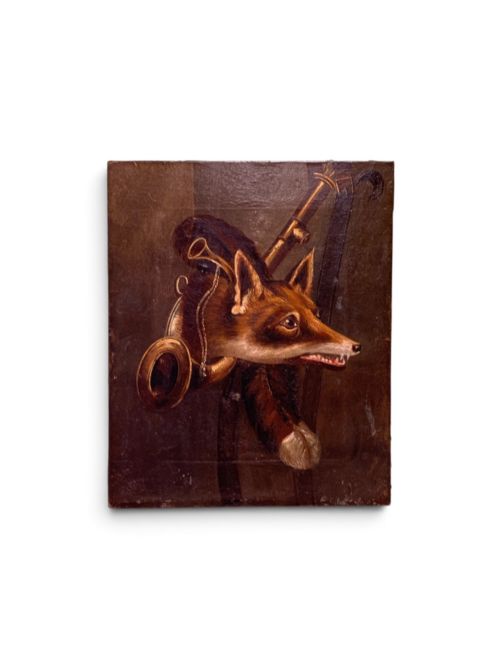
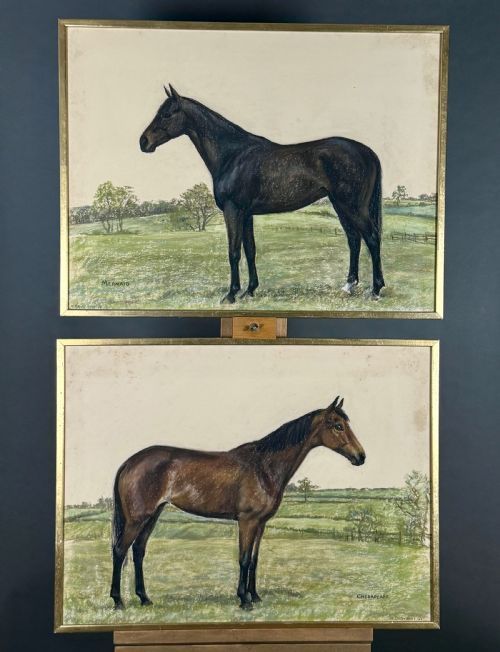
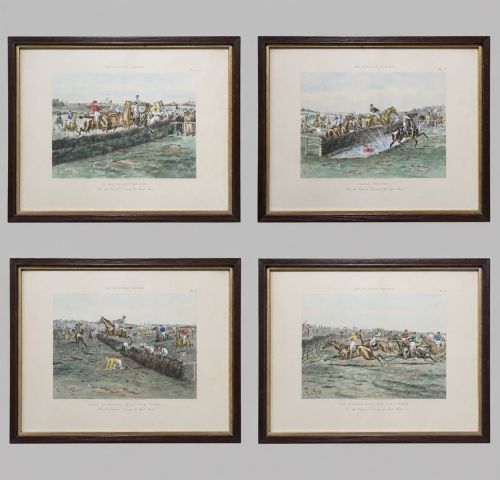
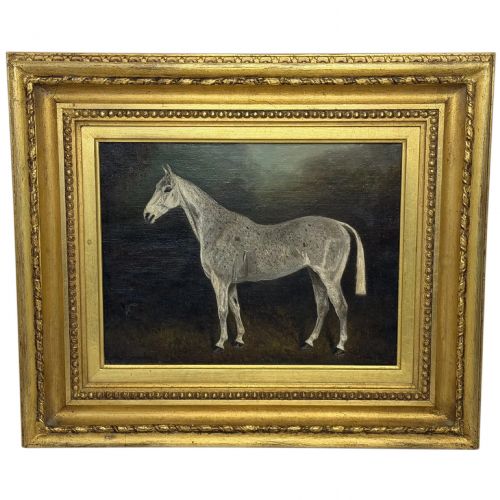
When you search for equestrian wall decor art, you are tracking down centuries of sporting history, racing scenes, and horse portraits captured in oil, pastel, and ink.
Equestrian Wall Decor Art
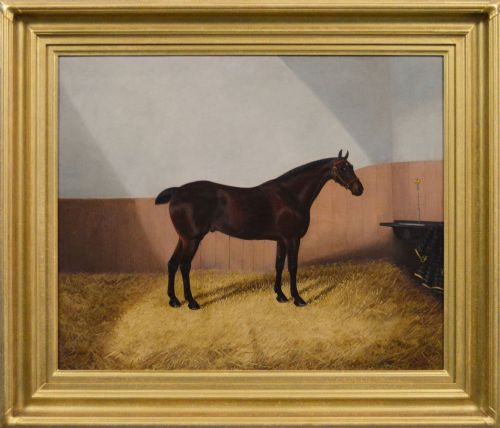
Equestrian wall decor art encompasses framed oil paintings, watercolours, chalk drawings, pastels, engravings, and aquatints spanning multiple centuries from the Georgian period to the mid-twentieth century.
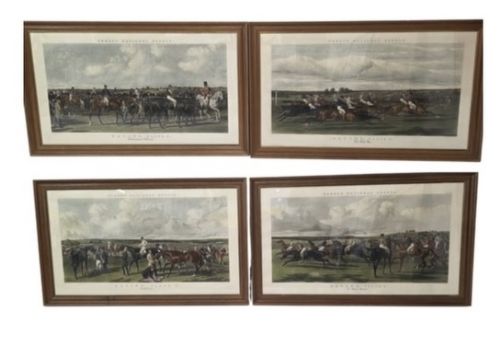
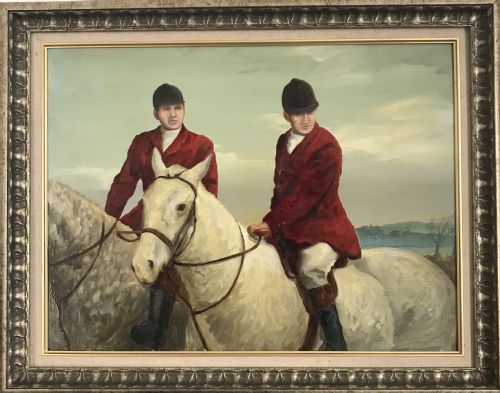
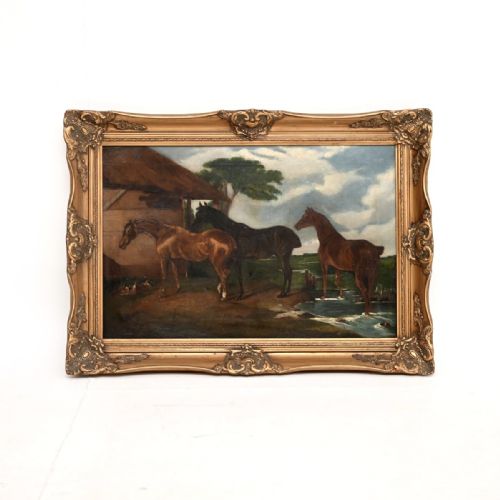
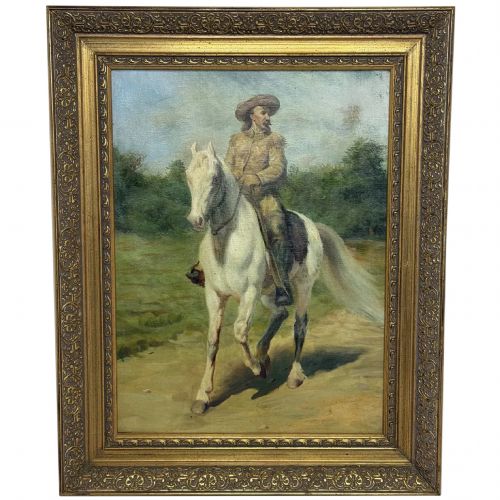
The selections on this page lean heavily towards nineteenth-century British sporting art, Victorian oil portraits of individual horses, hunting scenes, and racing prints.
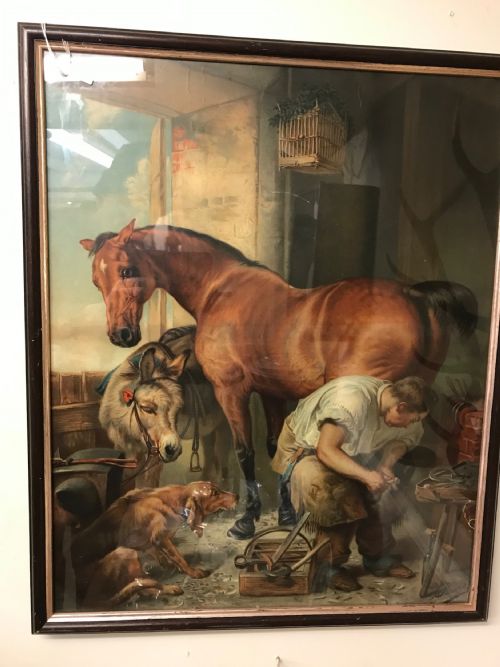
Buyers will encounter single horse portraits in stables, expansive fox hunting meets, and dynamic racing sequences created by recorded artists and printmakers.
Materials and Construction
Oil on canvas remains a dominant medium, alongside oil on pine panel, delicate chalk drawings, pastel on paper, and sheet metal relief.
Prints and illustrations utilise ink and aquatint methods, frequently housed in traditional wooden, walnut, or gilt wood frames that complement the age of the artwork.
Listings feature works spanning the 18th, 19th, and 20th centuries, executed in oil on canvas, watercolour, chalk, and sheet metal.
Distinctions in Quality
Quality rests upon the artist's ability to render the anatomy, muscle tone, and movement of the horse with anatomical precision.
The distinction between a mass-produced reproduction and an original hand-painted oil or signed chalk drawing determines the piece's standing.
George Finch Mason·Edwin Henry Landseer·Cecil Charles Windsor Aldin·Raimond Louis Lecourt·John Frederick Herring Jnr·Basil Nightingale·William Williams·Abraham Cooper·Charles Faulkner·Benjamin Cam Norton·Gilbert Scott Wright·John Atkinson·Charles Johnson Payne Snaffles·George Goodwin Kilburne
The Equestrian Wall Decor Art Glossary
- Aquatint
- An intaglio printmaking technique that produces areas of tone resembling watercolour washes. This method was widely used for reproducing sporting and racing art in the nineteenth century.
- Gilt Wood
- Wood that has been coated with a thin layer of gold leaf or gold paint. Frames utilising this finish are common on nineteenth-century oil paintings.
- Eglomise
- A technique where a design is painted or gilded on the reverse side of glass. It provides a reflective, glossy finish often used for decorative reproductions.
- Pastel on Paper
- An artwork created using dry pigment sticks blended on a paper surface. This medium captures soft textures and atmospheric lighting in animal studies.
Equestrian Wall Decor Art: Frequently Asked Questions
What periods do these pieces span?
The selections span from the eighteenth century through the Victorian era and into the mid-twentieth century. You will find Georgian prints alongside Edwardian drawings and 1960s French expressionist canvases.
This broad timeline reflects shifting artistic approaches to capturing horses, from formal stable portraits to dynamic racing scenes.
How do I identify a print from an oil painting?
Oil paintings feature visible brushstrokes and texture upon canvas or pine panels where the pigment sits on the surface. Prints, including aquatints and engravings, present a flat inked surface often protected beneath glass.
Examining the piece closely under a strong light will usually reveal the dot patterns of print reproduction or the raised ridges of dried oil paint.
Where were these artworks created?
The pieces originate primarily from British and French artistic traditions, reflecting the deep cultural roots of hunting and racing in those regions. English sporting art forms a major part of the selection.
Workshops and studios across Europe produced these framed works to document famous racehorses, hounds, and rural farmyard scenes.
How should I frame and hang these works?
Many items arrive in period wooden, walnut, or gilt wood frames that suit their age and character. Protecting works on paper and pastel from direct sunlight helps preserve the pigments.
Heavy oil paintings on canvas require sturdy wall fixings commensurate with their wooden stretcher frames and historic surrounds.