
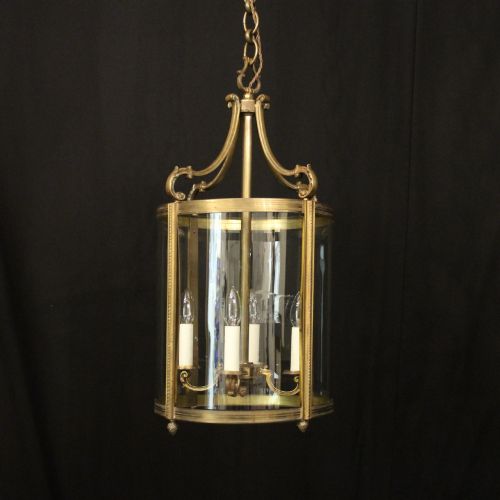
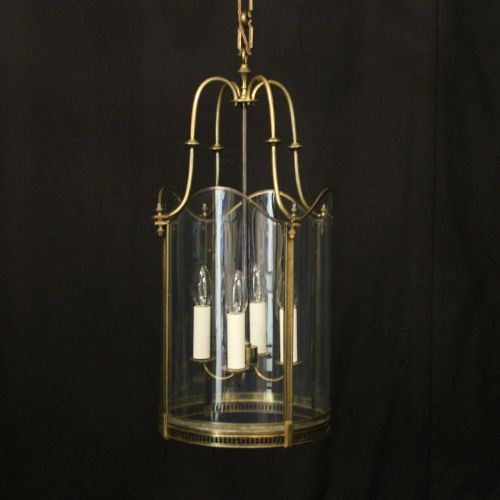
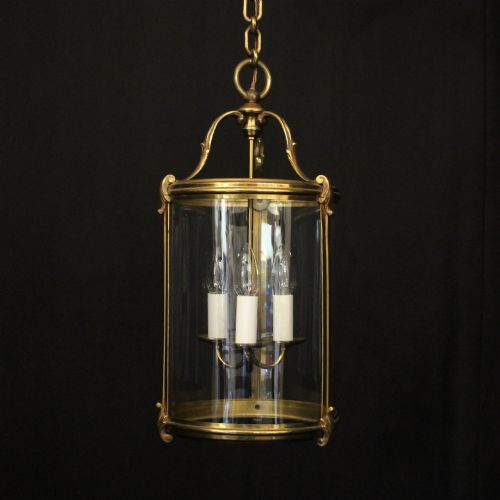
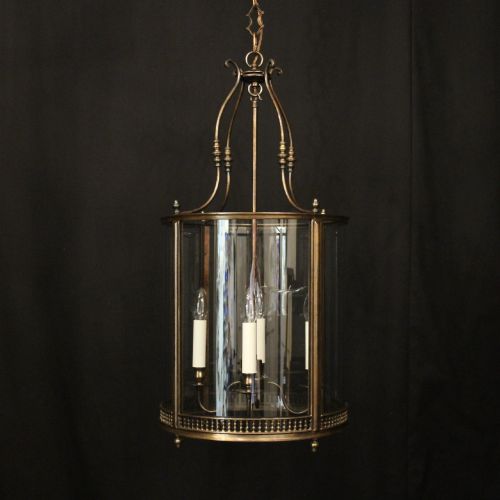


Entryway Hanging Light
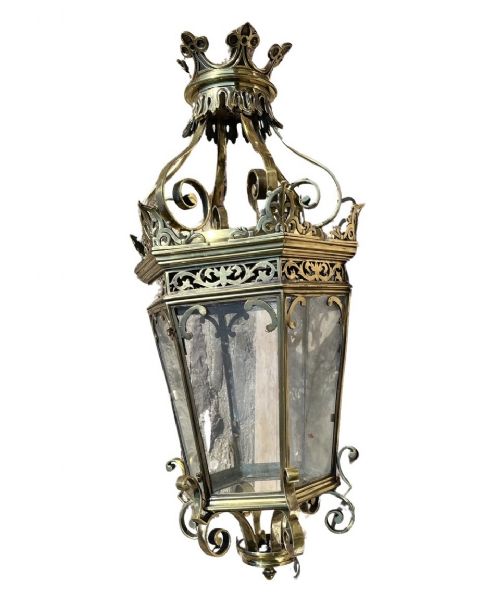
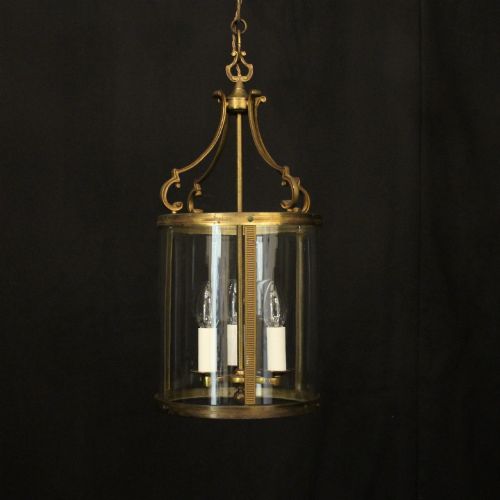
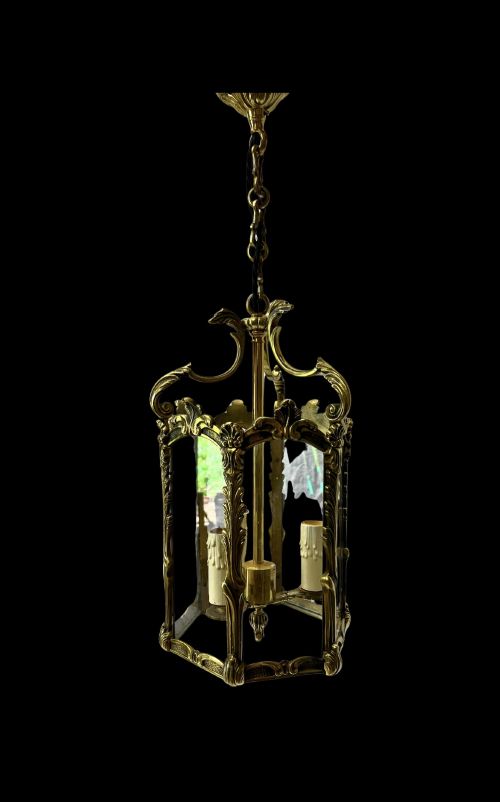
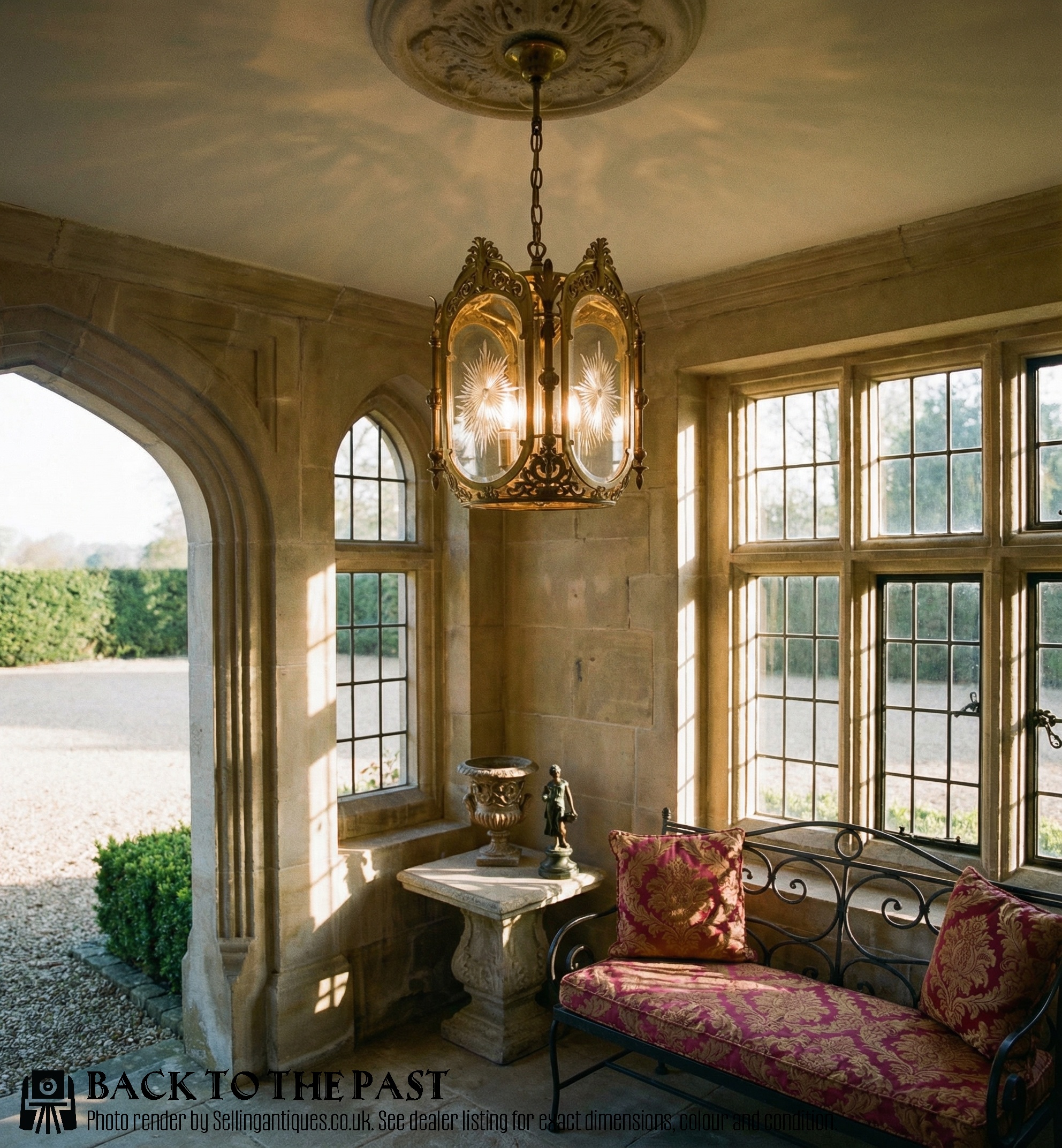
An entryway hanging light welcomes visitors with genuine period character, casting an inviting glow through glass panels framed in brass, bronze, or wrought iron.
Entryway Hanging Light
An entryway hanging light serves as the principal illumination for hallways, corridors, and entrance porches, drawing the eye upward while lighting the threshold. These fixtures take the form of hall lanterns, ceiling lights, and pendant lights designed to hang overhead from ceilings and porches.
The pieces available here lean heavily towards French designs from the early twentieth century, alongside English and Italian examples. Buyers will frequently encounter convex hall lanterns featuring multiple internal lights and glazed panels, originating from the 1900s, 1910s, 1920s, and 1930s.
Earlier nineteenth century examples also appear, utilising sturdy wrought iron, copper, and brass constructions with simpler or more robust industrial and gothic silhouettes. These overhead fixtures range from single light fittings to large multi-bulb chandeliers suited to grander entrance spaces.
How they were made
Metalwork forms the skeletal structure of these fixtures, utilising cast brass, gilt bronze, silvered bronze, and forged wrought iron shaped to hold the glass securely. Smiths and metalworkers hammered iron and cast bronze into decorative frames, incorporating doors for internal access to the bulbs or candles.
Glass panels, often curved or convex, were fitted into the metal frameworks to diffuse the light evenly across the hallway. Gilding was frequently applied to brass and bronze surfaces to catch and reflect the illumination from within.
The listings span the nineteenth and early twentieth centuries, featuring materials from simple wrought iron to fine gilt bronze.
What varies in quality
The distinction between standard production and superior craftsmanship lies in the weight of the metal and the precision of the casting or forging. Finer examples display crisp detail in the chased bronze and gilt work, substantial brass frames, and thick, distortion-free glass panels.
Proportion and scale also dictate quality, with larger multi-light lanterns requiring balanced framing to support heavy glass and metal components gracefully. Lesser pieces may feature thinner pressed sheet metal and simpler soldered joints rather than hand-finished casting.
The Entryway Hanging Light Glossary
- Hall lantern
- A ceiling-suspended light fixture specifically designed for entrance corridors and vestibules, usually enclosed in glass and metal. These fixtures often feature hinged doors to allow access for maintenance.
- Gilt bronze
- Bronze that has been coated with a thin layer of gold or gold leaf, providing a rich and reflective metallic surface. This material was widely favoured in French decorative arts for its durability and lustre.
- Convex glass
- Glass panes that curve outward, designed to disperse light across a wider angle and magnify the internal glow. This technique requires skilled glassblowing or pressing.
- Wrought iron
- Iron that has been heated and hammered by hand into shape, identifiable by its textured surface and organic irregularities. It provides sturdy structural support for heavier outdoor and porch lanterns.
Entryway Hanging Light: Frequently Asked Questions
How do I choose the right size?
Consider the proportions of your hallway and the height of the ceiling. Larger multi-light fixtures suit spacious entrances, while single light lanterns work best in compact porches.
Ensure there is adequate clearance beneath the fixture for people to walk underneath comfortably.
Can these lights be wired for modern use?
Most antique fixtures are adapted or electrified to meet contemporary wiring standards safely. Professional installation ensures the heavy brass or bronze frames are securely anchored to ceiling joists.
Internal fittings can usually accommodate standard modern LED or incandescent bulbs.
What is the difference between brass and bronze?
Brass is an alloy of copper and zinc, typically possessing a brighter, warmer golden hue. Bronze is an alloy of copper and tin, offering greater strength and a deeper tone.
Both metals were frequently gilded or silvered in period pieces to enhance their decorative appeal.
How do I date a hanging lantern?
Dating relies on stylistic clues, manufacturing techniques, and materials such as wrought iron, gilt bronze, or steel. Early twentieth-century pieces often reflect French styles like Rococo Revival or Arts and Crafts movements.
Nineteenth-century examples tend to display heavier ironwork and simpler Gothic Revival or utilitarian forms.