

Antique Lighting Fitting
An antique lighting fitting brings genuine period character to a room, spanning grand crystal chandeliers and industrial ceiling fixtures.
Antique Lighting Fitting
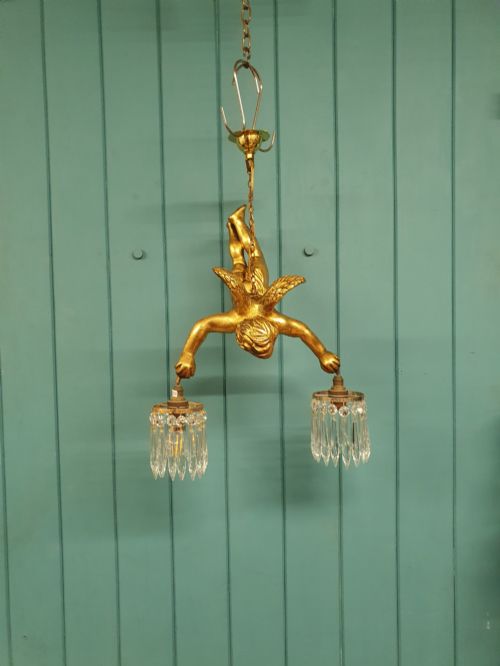
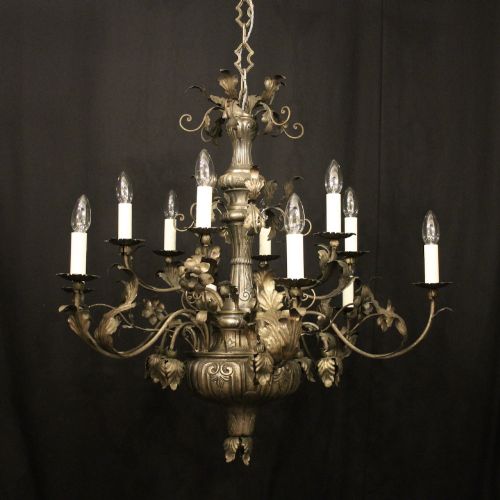
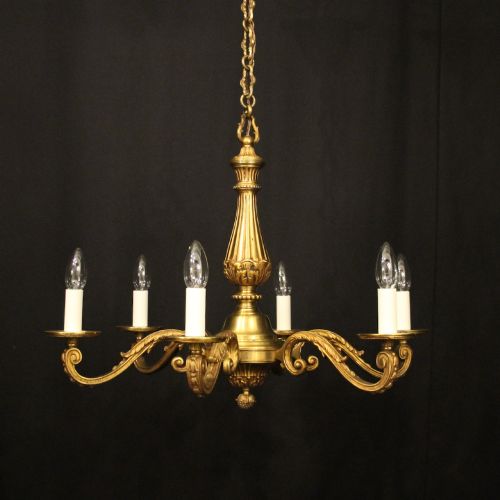
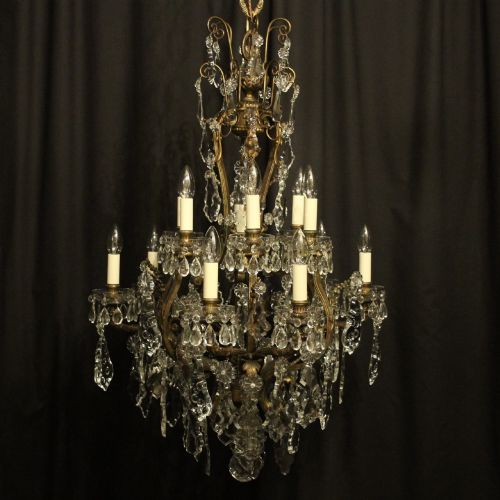
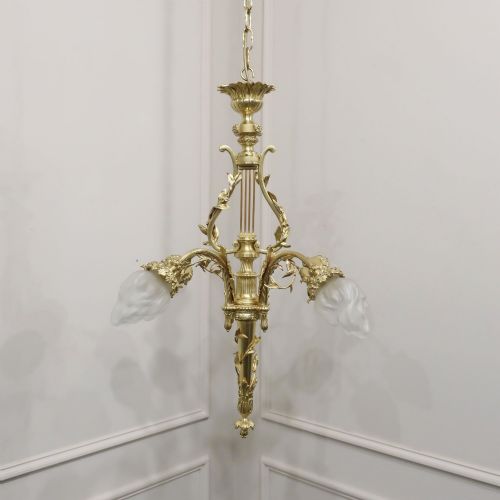
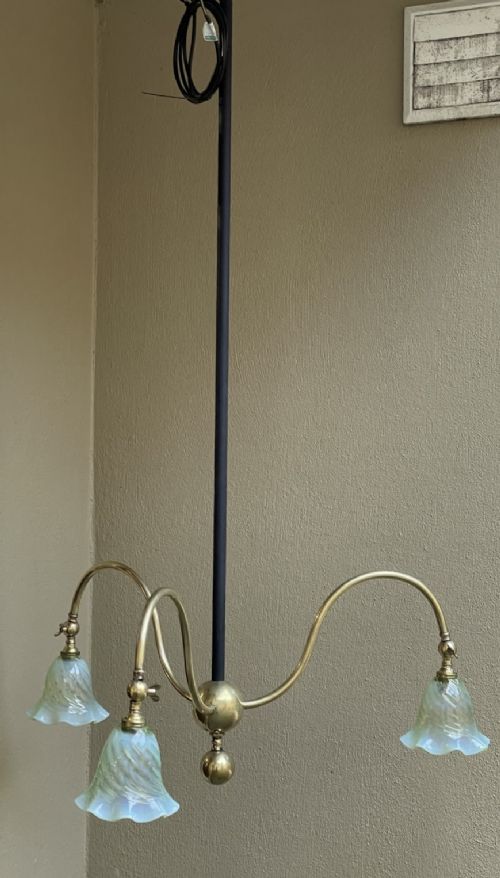
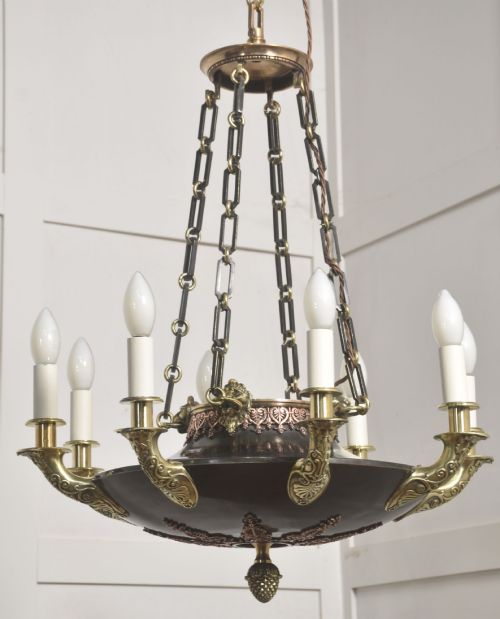
An antique lighting fitting encompasses diverse ceiling lights, wall lights, and chandeliers originating from the nineteenth century up through the nineteen-thirties. Buyers seeking an antique lighting fitting most frequently encounter French and Italian multi-arm chandeliers, alongside English brass and bronze fixtures. These items served both domestic and civic spaces, ranging from intimate residential rooms to grand town halls.
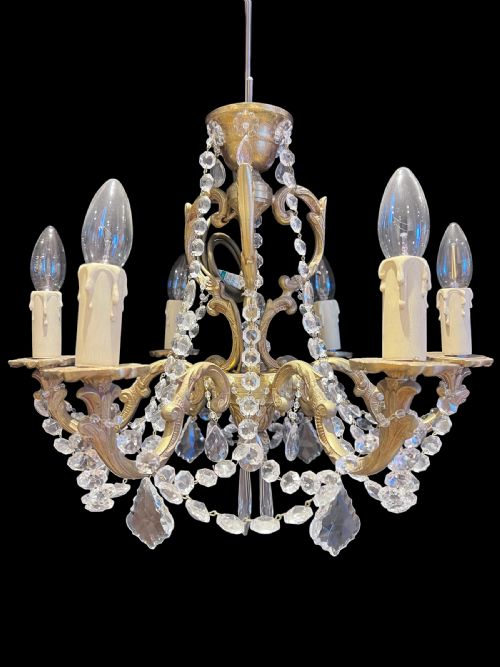
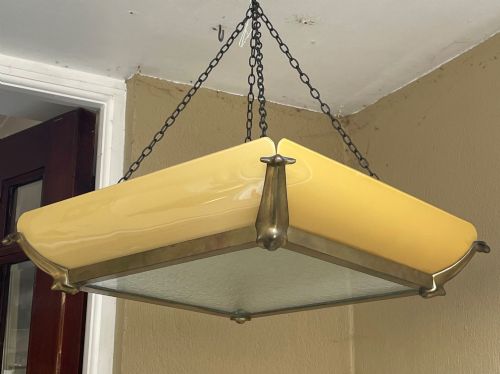
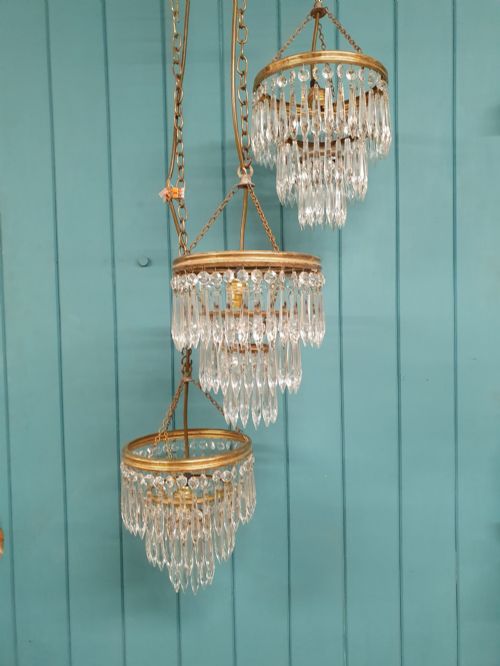
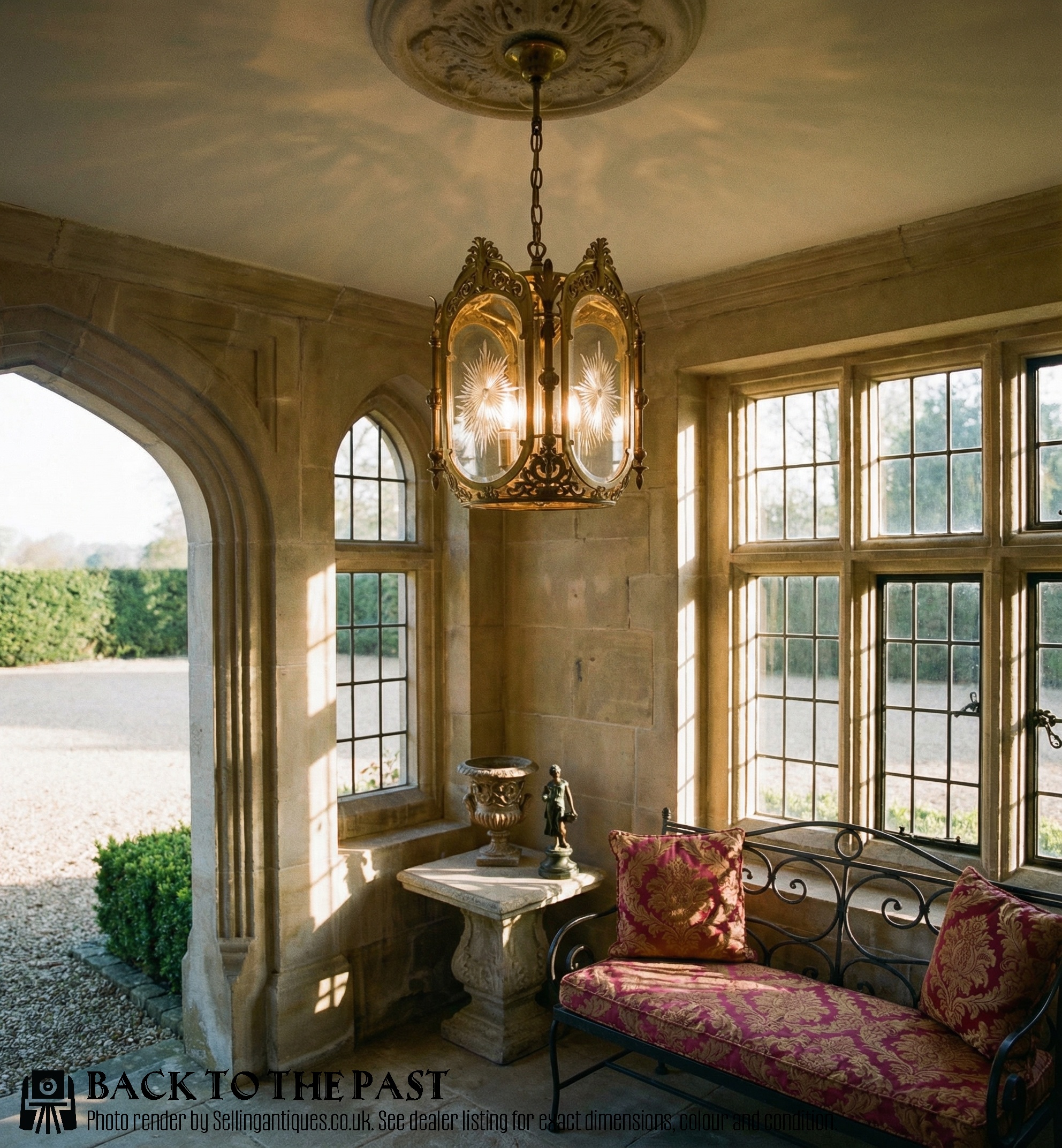
The selection includes specialised forms such as flush mount plafonieres, hall lanterns, and tent and waterfall chandeliers adorned with crystal drops. Wall lights and pendants appear alongside robust industrial and Arts and Crafts ceiling fixtures. Each style reflects the design vocabulary of its decade, from Edwardian restraint to ornate French Empire and Rococo revivals.
How they were made
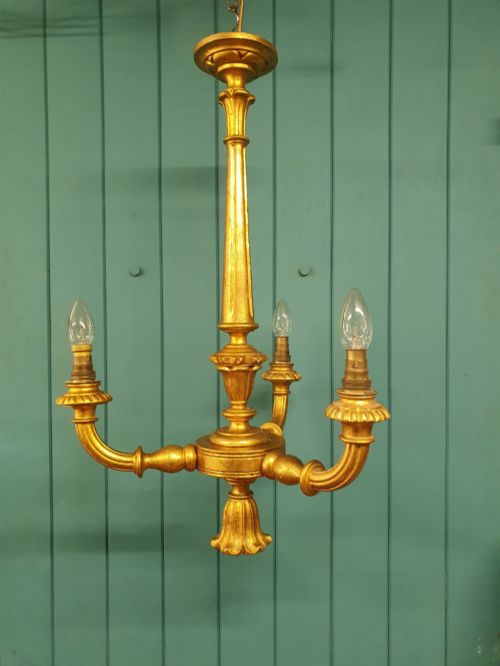
Makers utilised cast and spun brass, bronze, and gilt metal as structural foundations, shaping arms and frames through traditional metalworking techniques. Gilded bronze and giltwood surfaces received applied gold leaf or surface finishes to achieve decorative brilliance. Iron and copper appear in utility and industrial contexts where structural durability governed construction.
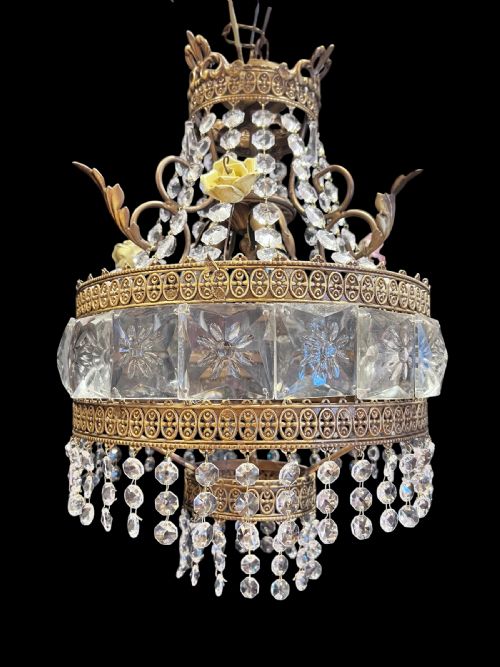
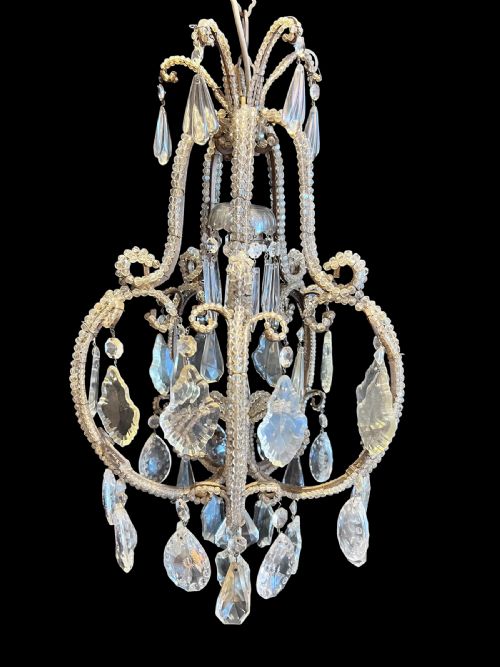
Glass and crystal components were hand-cut, moulded, or beaded to refract illumination from candles or early electric bulbs. Certain examples integrate porcelain flowers, ceramic elements, or carved wooden details alongside the primary metal frames. Wiring and electrical components in surviving examples often reflect subsequent period adaptations.
Listings feature periods spanning from the Victorian era through the nineteen-thirties, with materials including brass, crystal, gilt bronze, and iron.
What varies in quality
The sophistication of the metal casting and the crispness of surface chasing separate standard production from superior examples. Elaborate hand-carving on giltwood frames and the purity of cut glass crystals dictate the visual impact of a fixture. Original surface gilding and the integrity of structural joins indicate superior workshop execution.
Cohesion of design, such as matched crystal drops and harmonious arm proportions, defines the distinction between assembled fixtures and unified creations. The presence of specialised details like porcelain floral elements or documented civic provenance elevates the character of a fitting.
The Antique Lighting Fitting Glossary
- Chandelier
- A branched ceiling-mounted lighting fixture designed to hold multiple bulbs or candles. They often incorporate glass crystals or decorative metal arms.
- Plafoniere
- A ceiling light fitting mounted flat or close to the surface, frequently featuring glass bowls held in metal frames.
- Tent and waterfall
- A chandelier style characterised by strings of crystal beads forming an upper tent shape that cascades into a wider lower tier.
- Gilt bronze
- Bronze metal treated with a gold wash or mercury gilding to produce a rich metallic gold finish.
- Arts and Crafts
- A design movement prioritising traditional craftsmanship, simple forms, and honest expression of materials.
Antique Lighting Fitting: Frequently Asked Questions
How do I hang a heavy antique chandelier safely?
Heavy fixtures require direct anchoring to ceiling joists using steel brackets rather than relying on standard electrical boxes. Professional installation ensures the weight of brass and crystal structures is properly supported.
Weight distribution matters significantly with multi-arm chandeliers from the nineteenth century. Consult a qualified electrician experienced with vintage hardware to evaluate load capacity.
Can I convert these fittings for modern electricity?
Most antique lighting fittings adapt readily to modern electrical standards by replacing perished internal wiring. Rewiring preserves the external historical appearance while ensuring safety compliance.
Professional rewiring also allows the integration of appropriate bulb holders for contemporary domestic use. Original sockets are often retained where historical integrity demands it.
How do I clean crystal drops without damage?
Crystal elements benefit from gentle cleaning using warm water and mild soap while attached to the frame, or removed for careful washing. Harsh chemical cleaners strip protective finishes from surrounding metalwork.
Allowing crystals to dry naturally prevents water spotting on cut glass surfaces. Support delicate brass arms firmly while wiping suspended droplets.
What distinguishes Edwardian lighting from Victorian designs?
Edwardian lighting fittings generally favour lighter proportions and cleaner neoclassical or Arts and Crafts lines compared to heavy Victorian metalwork. Softer brass tones and simplified geometric forms began replacing ornate nineteenth-century casting.
Victorian fixtures often display denser ornamentation and darker bronze or cast iron structures. Transition periods overlap, but overall heft and decorative restraint separate the eras.