

Entryway Coat Stand
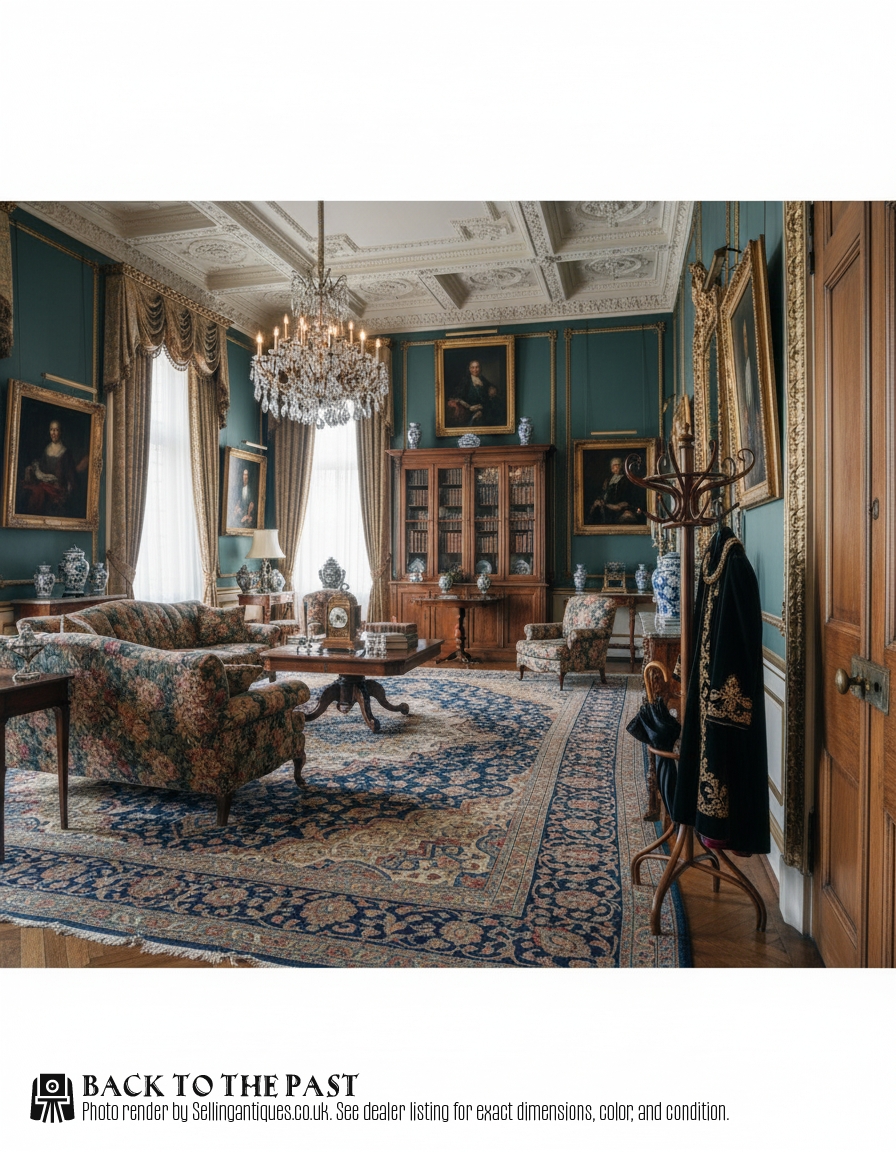
An entryway coat stand organises the threshold of a house, offering a practical place for hats, umbrellas, and coats as guests step inside.
Entryway Coat Stand
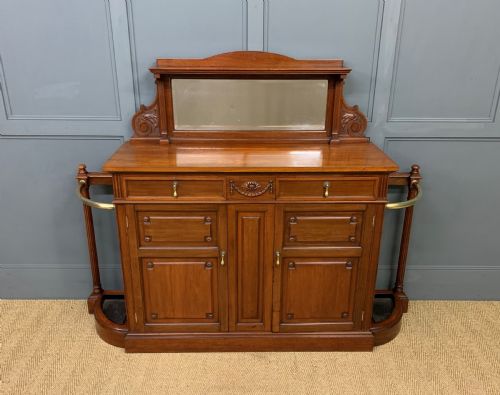
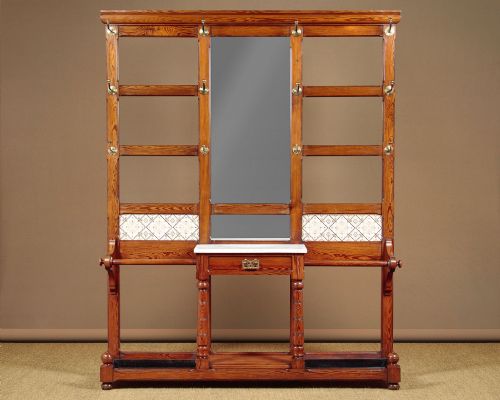
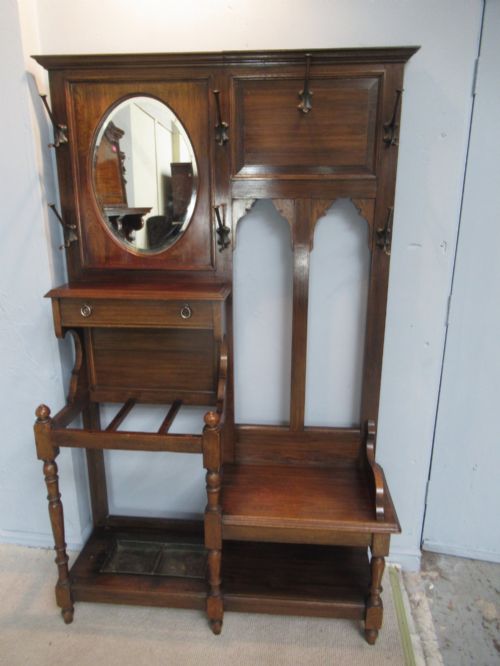
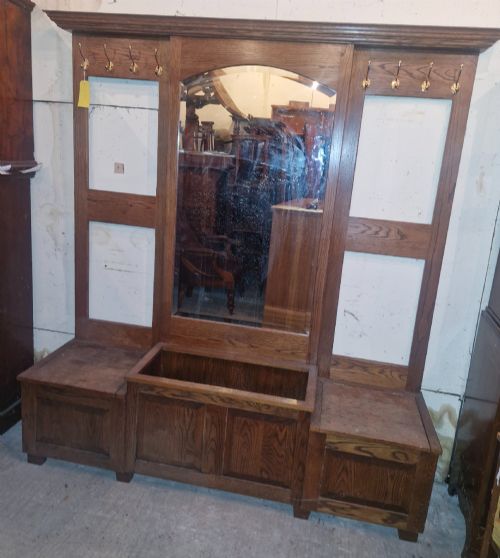
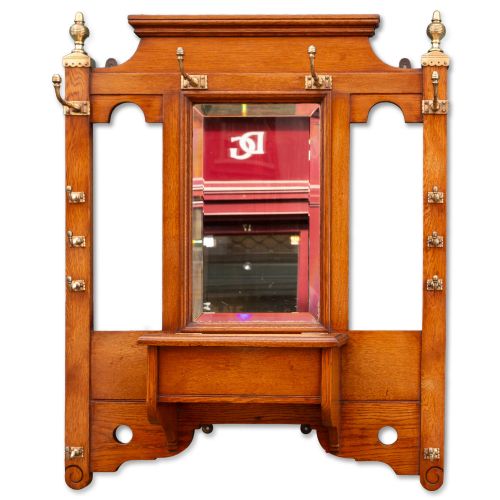
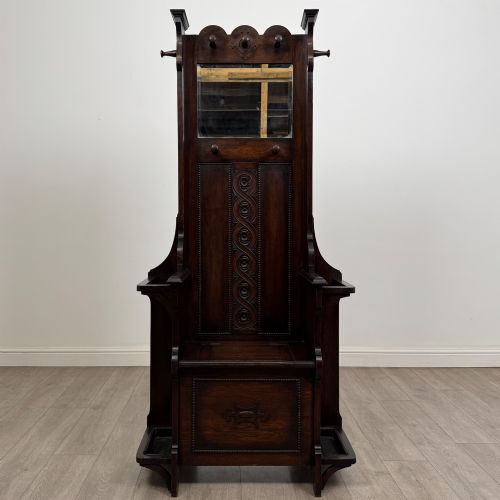
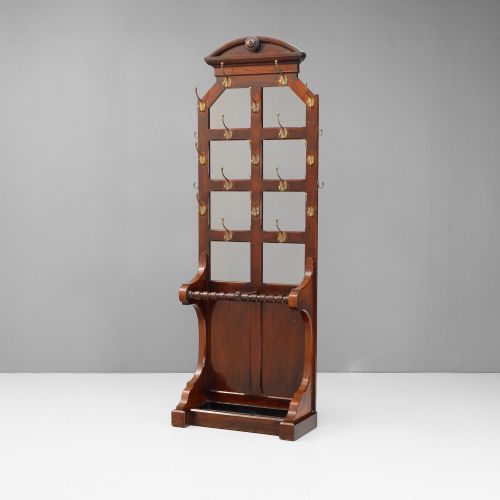
An entryway coat stand encompasses a wide variety of furniture designed for the hallway, ranging from wall-mounted racks to large, multi-functional pieces incorporating seats, mirrors, and umbrella trays. The pieces you encounter span the Victorian and Edwardian eras down through the early twentieth century, reflecting the domestic habits of earlier households.
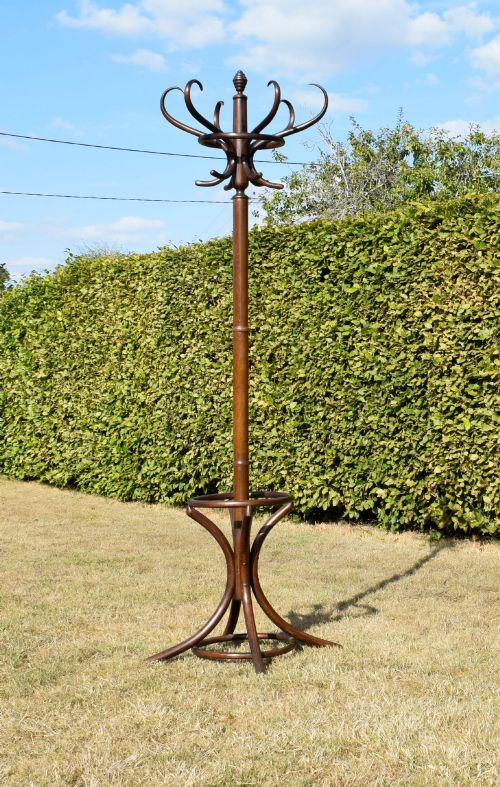
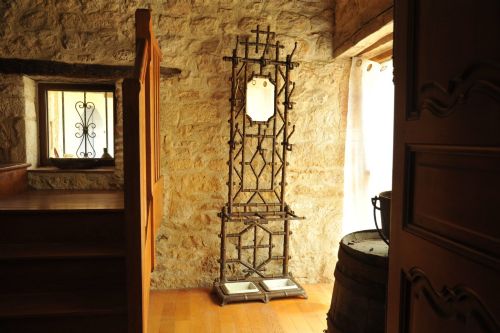
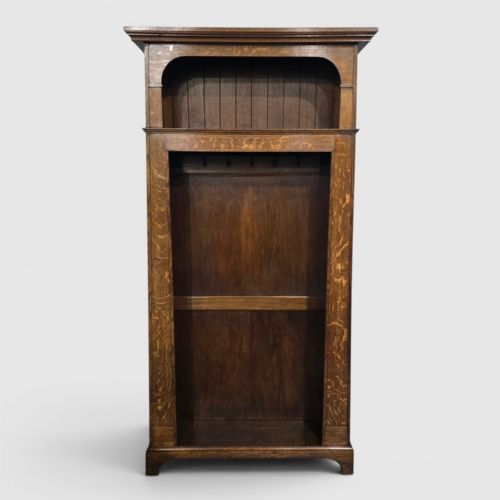
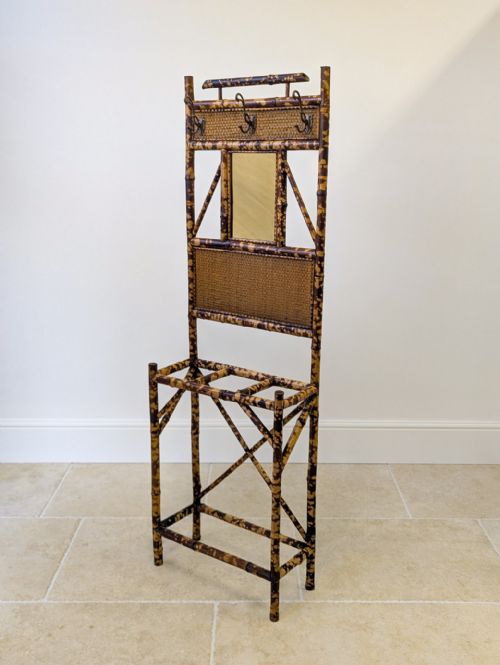
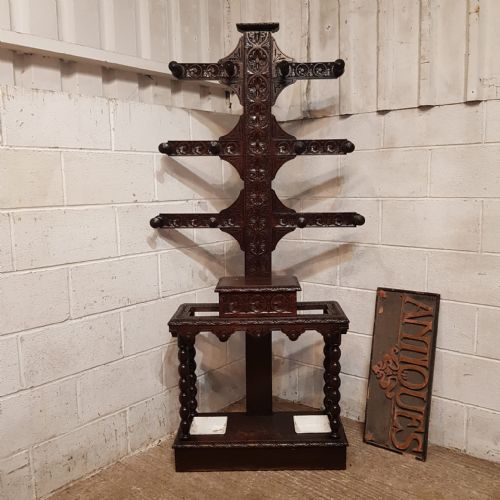
You will frequently meet oak and mahogany hall stands from the late nineteenth century, alongside lighter bentwood designs and bamboo examples influenced by the Aesthetic Movement. Many feature integrated brass hooks and drip pans, combining seating or storage in a single footprint tailored to the entrance hall.
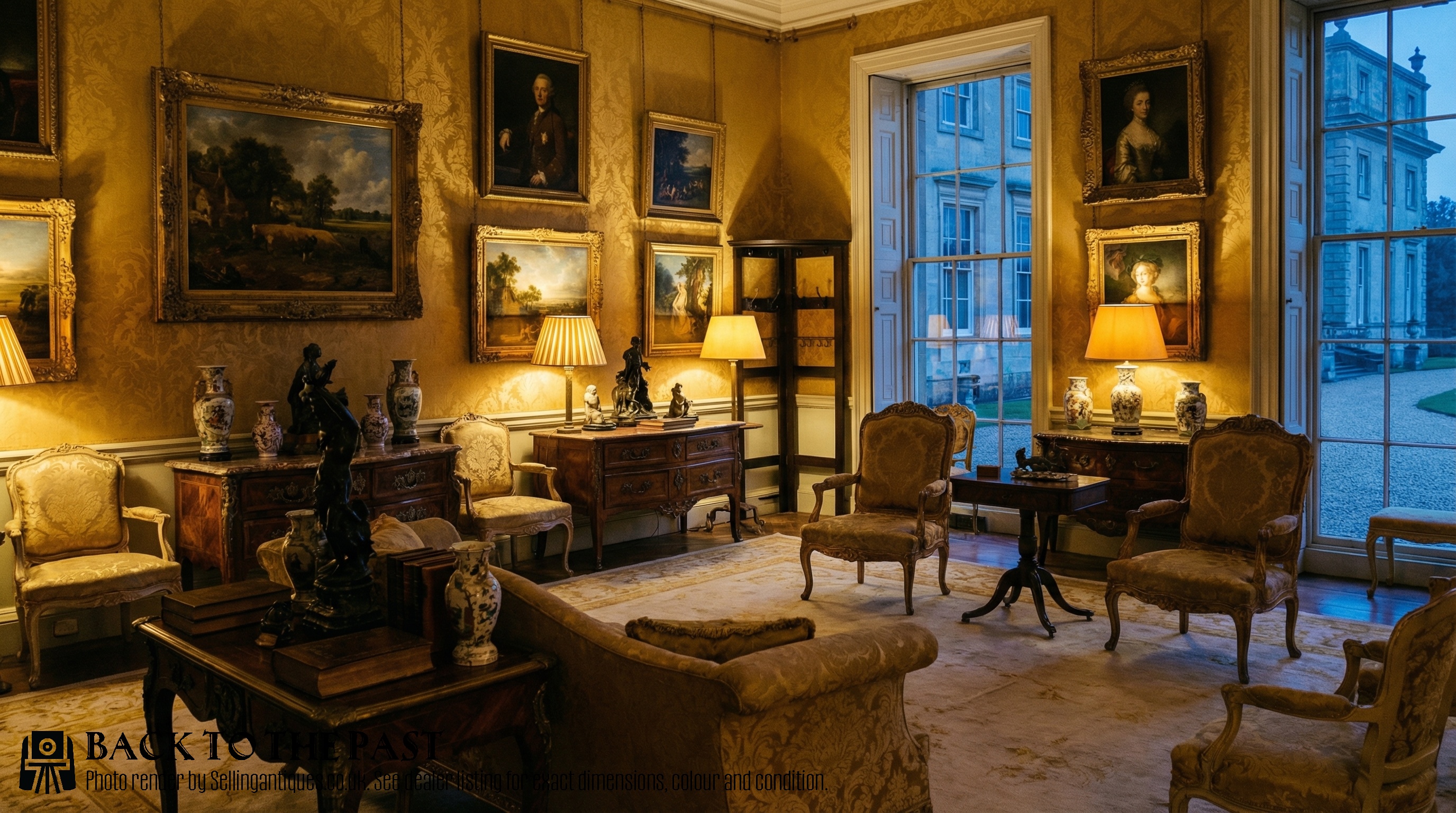
Materials and Construction
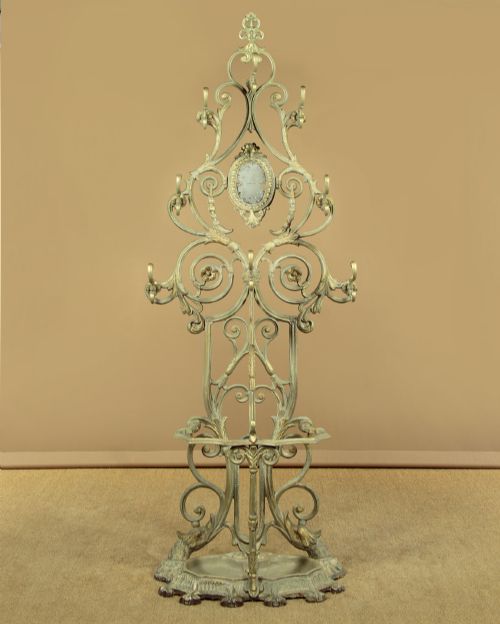
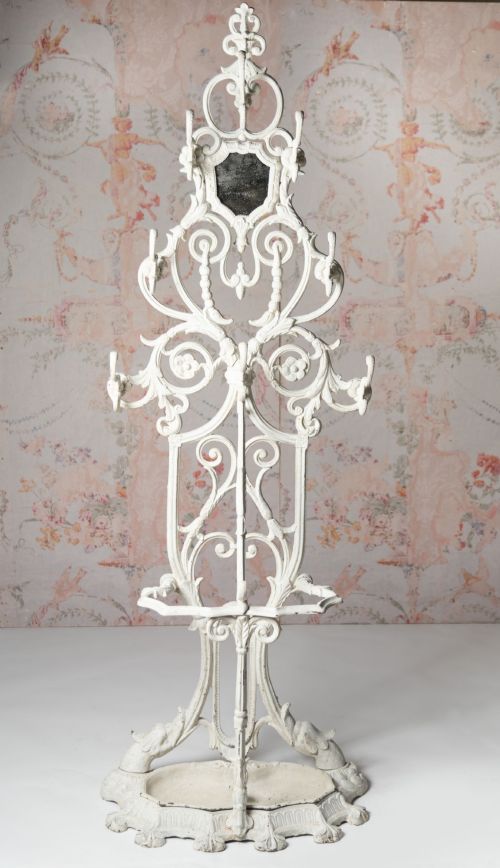
Cabinetmakers relied heavily on durable timbers like oak, walnut, mahogany, and pine, often turning solid stock for structural uprights and carving decorative panels. Metal elements such as cast iron and brass provided robust hanging points and structural integrity for heavy outerwear.
Alternative techniques appear in the use of steam-bent beech for curved bentwood frames and split bamboo secured with lacquer and pins. Mirrors were frequently bevelled and set into carved wooden frames to check appearances before leaving the house.
Entryway Coat Stand Retail Price Guide 2026
Typical asking prices for entryway coat stand among the pieces listed under this phrase on Sellingantiques today, from the lower quarter to the upper quarter. They describe what is for sale here now, not the wider market.
Listings feature oak, mahogany, walnut, and pine, alongside cast iron, brass, glass, marble, and beech.
Distinctions in Manufacture
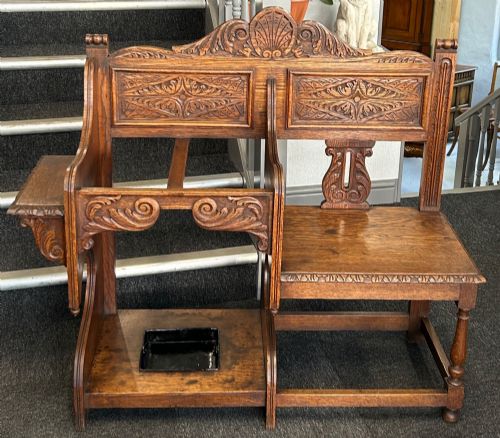
The distinction between ordinary and superior pieces lies in the depth of carving, the choice of timber figure, and the integration of hardware. Heavier construction using dense oak or walnut with substantial brass hooks indicates robust commercial manufacture, whereas finer examples show meticulous hand-carving and thoughtful proportions.
Practical fittings such as removable metal drip pans for wet umbrellas and secure wall-fastening points separate utilitarian workshop output from domestic furniture intended to impress visitors upon entry.
Shoolbred & Co.·Falkirk Foundry
The Entryway Coat Stand Glossary
- Hall stand
- A multi-functional piece of hallway furniture combining coat hooks, a mirror, and often a seat and umbrella wells. It anchors the entryway of a traditional home.
- Bentwood
- Wood softened by steam and bent into curved shapes under pressure, commonly utilised in lightweight hat and coat stands.
- Aesthetic Movement
- A late nineteenth-century design style emphasising visual beauty over narrative content, often seen in bamboo and ebonised hall furniture.
- Faux bamboo
- Wood turned and carved to resemble natural bamboo stalks, popular in Victorian cast iron and wooden hall furniture.
- Drip pan
- A removable metal tray placed at the base of a stand to catch water from wet umbrellas and walking sticks.
Entryway Coat Stand: Frequently Asked Questions
What is an entryway coat stand used for?
These pieces provide dedicated storage for outerwear, hats, walking sticks, and umbrellas immediately inside the front door.
They keep hallways tidy by centralising daily outdoor accessories in a single piece of furniture.
How do I identify a Victorian hall stand?
Victorian examples frequently display rich timber grains such as mahogany or carved oak, often incorporating central mirrors and heavy brass hooks.
Many pieces from this period also feature built-in umbrella stands with metal drip trays at the base.
Are bentwood coat stands sturdy?
Steam-bent beech construction offers surprising resilience and strength despite the slender profile of the uprights.
These pieces rely on curved wooden tension to support coats and hats without excessive bulk.
What is an Aesthetic Movement hall stand?
These pieces often utilise bamboo or ebonised wood to reflect late nineteenth-century artistic tastes and Japanese design influences.
They tend to appear lighter in scale compared to heavy carved oak or mahogany Victorian equivalents.