



Engraved Wine Decanter
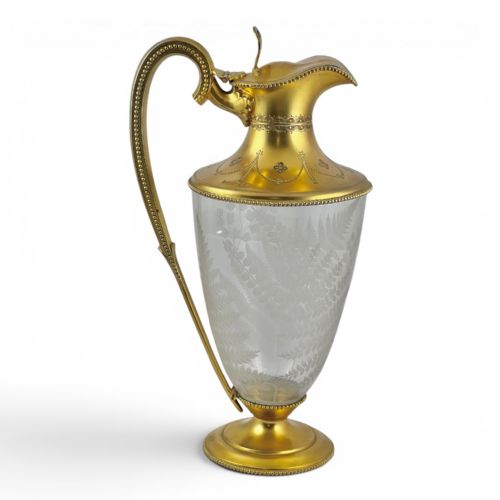
An engraved wine decanter brings tactile weight and bright wheel-work to the dining table, pairing clear crystal or coloured glass with polished silver.
Engraved Wine Decanter
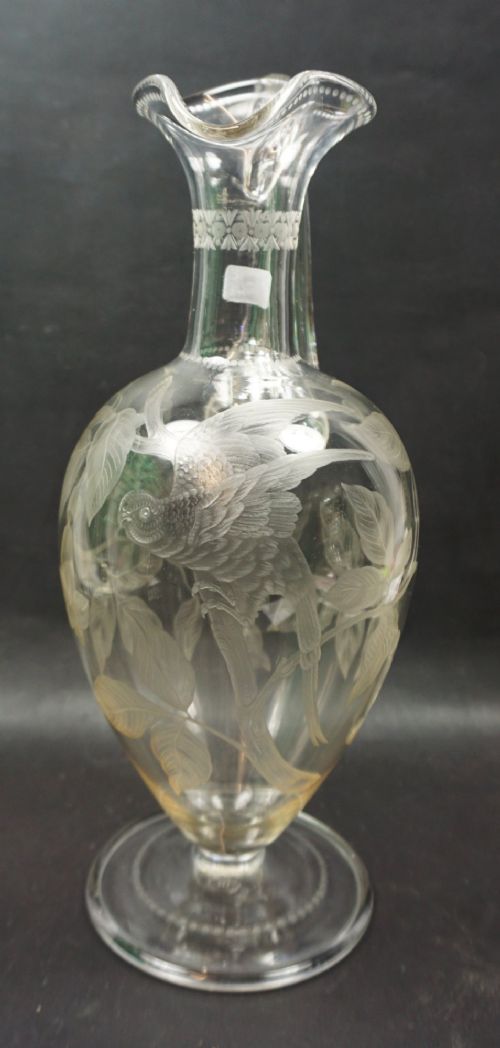
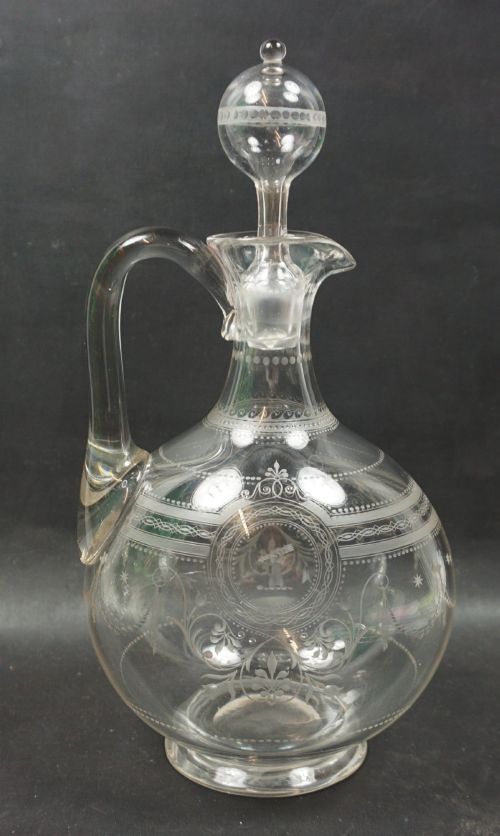
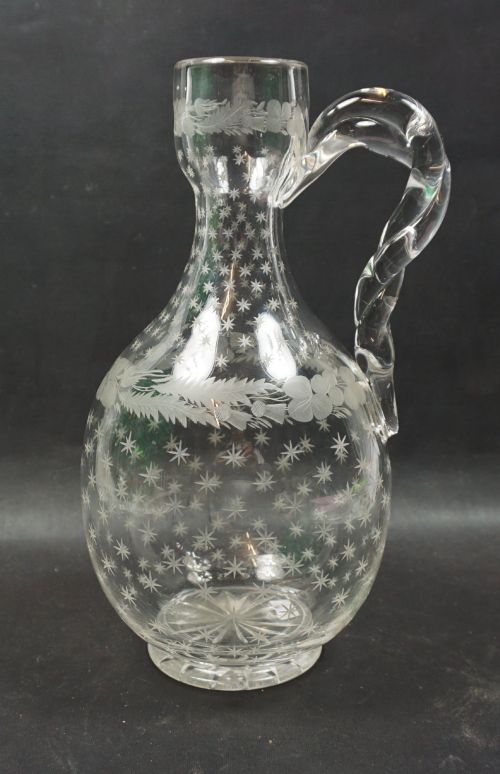
When you search for an engraved wine decanter, you encounter vessels designed to hold and pour port, sherry, claret, and Madeira. The forms span tall crystal jugs with serpent handles, heavy shaft and globe vessels, and slender mell decanters intended for nineteenth-century dining.
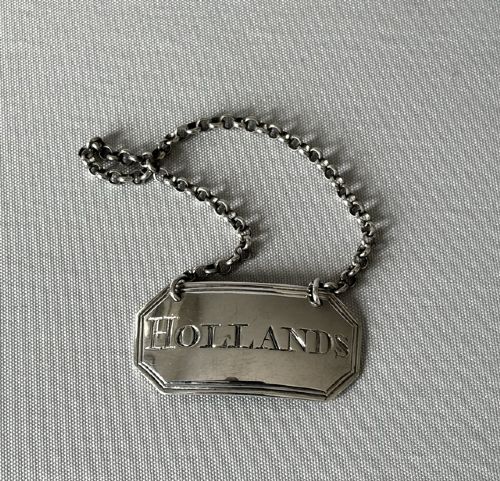
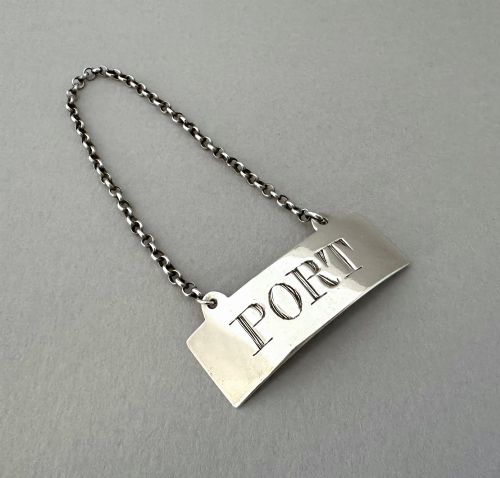
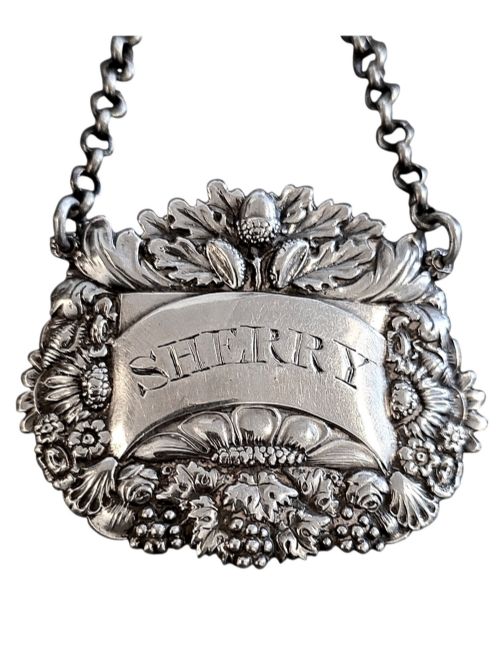
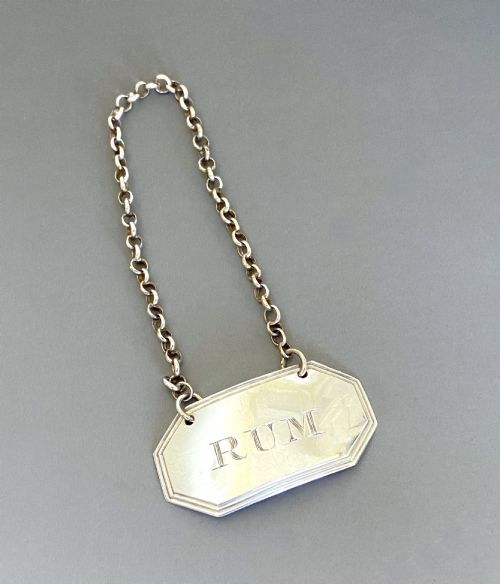
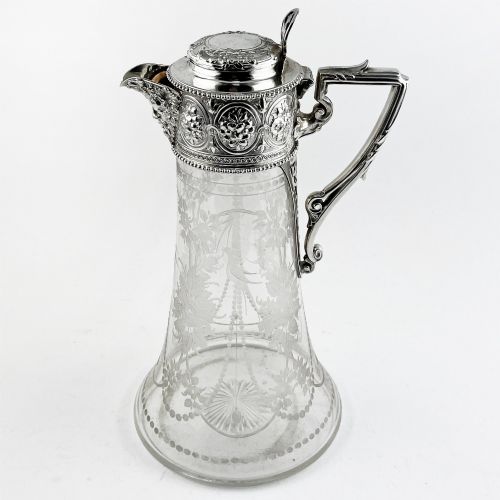
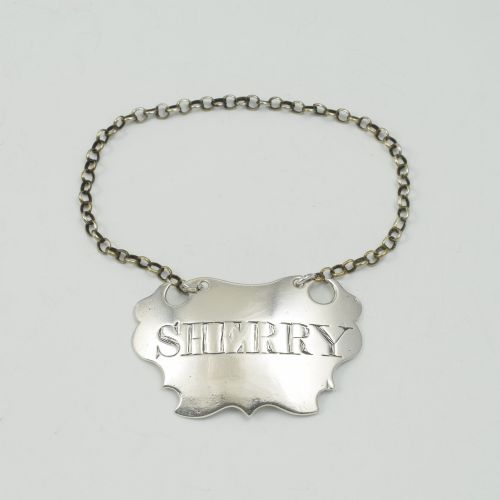
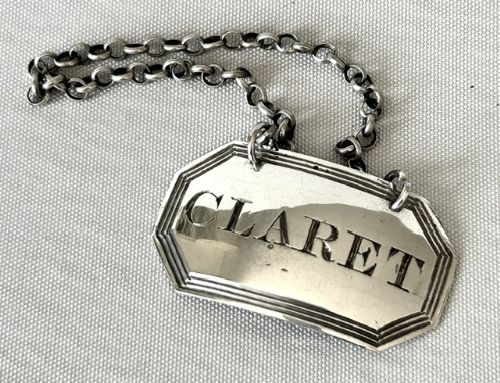
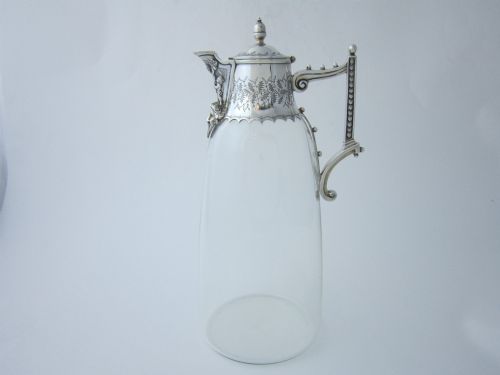
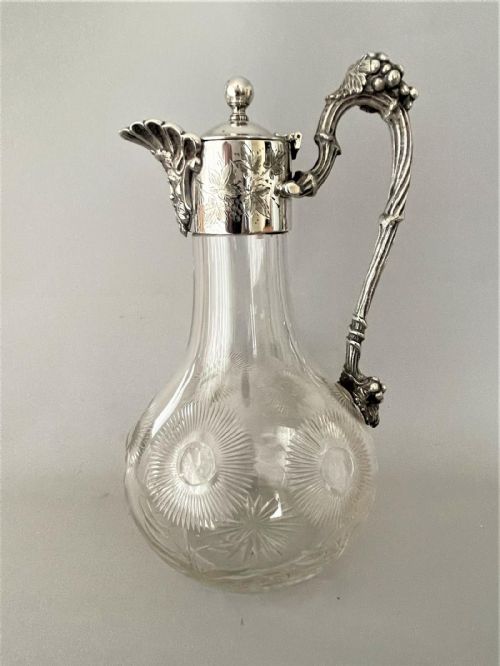
The objects on this page include glass ewers and claret jugs fitted with sterling silver or silver-plated mounts, alongside standalone decanter labels cast and engraved in silver. Georgian, Victorian, and Edwardian periods dominate the selection, showing floral motifs, crests, and national emblems worked directly into the material.
Materials and Craftsmanship
Makers shaped these vessels using lead crystal or coloured glass, blowing the bodies into moulds or free-blowing them before applying hand-cut facets and intaglio wheel engraving. Artisans cut deep floral patterns, birds, and crests into the surface with rotating abrasive wheels, leaving matte or polished incisions.
Metal mounts, handles, and collars employ sterling silver, silver gilt, or silver plate, often cast with masks or floral scrolls. Silversmiths constructed hinged lids and mounts to secure the glass securely, pairing the cold brilliance of polished metal with the warmth of deep-toned glass.
Engraved Wine Decanter Retail Price Guide 2026
Typical asking prices for engraved wine decanter among the pieces listed under this phrase on Sellingantiques today, from the lower quarter to the upper quarter. They describe what is for sale here now, not the wider market.
Certain Victorian claret jugs feature ferocious serpent handles that coil upward as if guarding the wine inside.
Distinctions in Quality
Quality rests upon the depth and precision of the wheel engraving on the glass and the crispness of casting in the silver mounts. Fine examples display clean, fluid lines in the intaglio work, where birds or floral motifs possess distinct dimensionality rather than shallow surface scratching.
The weight and clarity of the crystal vessel and the substantial gauge of the sterling silver or silver plate dictate the standard of the piece. Superior items maintain a balanced proportion between the glass body and the metal handle, without looseness in the hinged mounts.
William Barrett II·William Comyns·Elizabeth Morley·Asprey and Co. Ltd·John Reily
The Engraved Wine Decanter Glossary
- Intaglio
- A design carved into the surface of the glass so that the pattern sits below the outer plane. This technique gives depth to floral and avian scenes.
- Claret jug
- A tall pouring vessel with a handle and hinged metal lid, specifically utilised for serving red wine at the table. These often combine cut glass bodies with silver mounts.
- Escutcheon
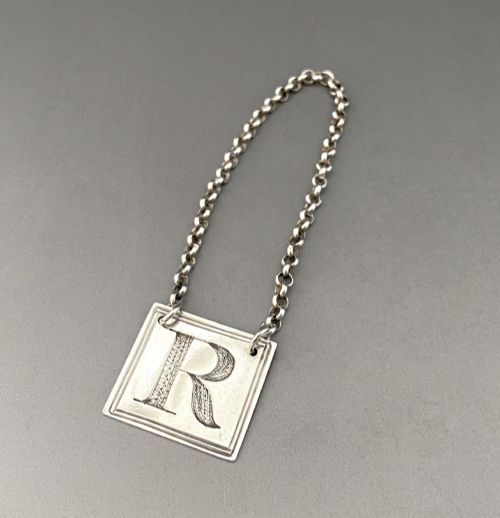
- A shield-shaped silver label hung around the neck of a decanter to identify the contents. They bear engraved titles such as Madeira or Sherry.
- Cranberry overlay
- A dual-layer glass technique where a thin casing of deep red glass covers a clear crystal core. Cutting through the outer layer reveals the clear glass beneath.
- Mell decanter
- A tapered, mallet-like glass decanter form popular in the Georgian era. Its low centre of gravity provided stability during transit on the dining table.
Engraved Wine Decanter: Frequently Asked Questions
What is an engraved wine decanter used for?
These vessels were created to decant and serve wines like port, claret, and sherry at the dining table, separating the liquid from sediment.
The engraved decoration and precious metal labels identified the specific vintage or spirit contained within, adding formality to the service.
How do I distinguish Georgian from Victorian decanters?
Georgian pieces often feature simpler mallet or shaft and globe forms with delicate, refined wheel-engraved labels or crests.
Victorian and Edwardian examples tend toward heavier cut crystal, more elaborate floral or union engravings, and extensive silver-plated or sterling mounts.
Are silver labels part of the decanter?
Silver decanter labels were frequently made independently by specialist silversmiths and hung from chains around the necks of various bottles.
Over time, collectors and previous owners have paired these labels with matching decanters and jugs to complete the traditional table setting.
How should I care for antique glass and silver?
Wash the glass by hand in lukewarm water using mild soap, avoiding sudden temperature changes that can stress old material.
Polish the silver mounts gently with a soft cloth, keeping cleaning creams away from the glass surface to protect the engraved areas.