




Engraved Wax Seal
These engraved wax seal pieces offer a tangible connection to personal correspondence from Georgian and Victorian desks.
Engraved Wax Seal
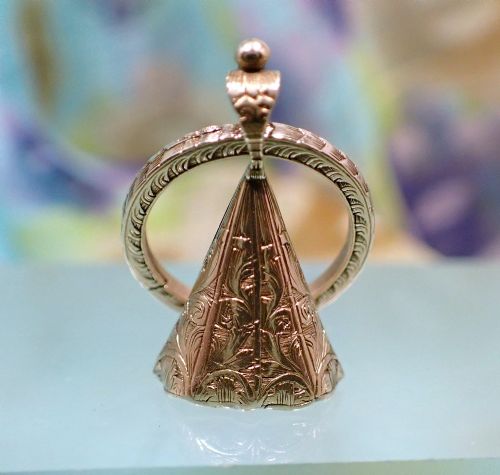
When you search for an engraved wax seal, you are looking at small personal instruments used to impress hot wax on letters and documents. The pieces appearing here range from desk accessories to fob seals designed to hang from a pocket watch chain.
You are most likely to meet gold or silver fob seals suspended as pendants, often set with stones such as carnelian or bloodstone. These items date primarily from the Georgian and Victorian periods, reflecting the eras when personal correspondence required formal sealing.
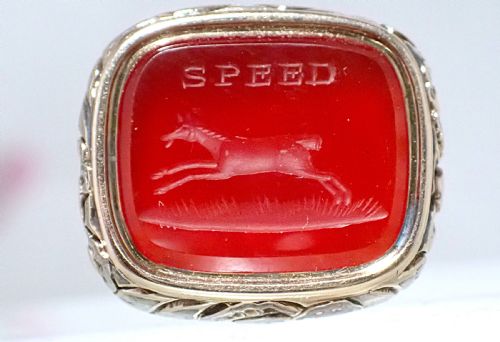
The matrices at the base of these seals carry intaglio carvings, ranging from initials and names like Ann and Jane to classical figures, animals, and mottos such as SPEED. This variety shows how personal identity and sentiment were pressed into everyday communication.
How they were made
Makers shaped these objects using precious metals including nine-carat and fifteen-carat gold, silver, and gold-cased metal alongside steel and gilt metal. These durable metals formed the fob mounts, handles, and sealing heads designed to withstand repeated pressure against hot wax.
Hardstones such as carnelian and bloodstone were set into the base of the seals and carved in intaglio to create reversed designs that would read correctly once impressed in wax. Metal seals were also directly engraved with names, initials, or pictorial motifs like galleon ships and horses.
Engraved Wax Seal Retail Price Guide 2026
Typical asking prices for engraved wax seal among the pieces listed under this phrase on Sellingantiques today, from the lower quarter to the upper quarter. They describe what is for sale here now, not the wider market.
Listings here feature materials spanning carnelian, gold, silver, and bloodstone across Georgian and Victorian periods.
What varies in quality
The refinement of the intaglio carving determines much of the distinction in these pieces, separating simple initials from detailed classical figures or animals. Crisp lines in hardstones like carnelian and bloodstone demonstrate the hand of a skilled lapidary.
The weight and elaboration of the metal mounts also set examples apart, moving from plain gilt metal and gold-cased versions to ornate silver holders and heavy fifteen-carat gold fob pendants. Proportion and balance in the mount contribute to the presence of the piece.
The Engraved Wax Seal Glossary
- Intaglio
- A design carved into a hardstone or metal so that the impression appears in relief. This technique is essential for the matrix of any wax seal.
- Fob seal
- A small seal designed to hang from a watch chain or fob ribbon. These pieces allowed individuals to carry their personal mark at all times.
- Carnelian
- A brownish-red variety of chalcedony frequently used for the base of seals. Its smooth surface made it an ideal stone for intaglio carving.
- Bloodstone
- A dark green jasper flecked with red spots of hematite. It provided a striking contrasting surface for nineteenth-century seal engravings.
- Matrix
- The engraved face of a seal that presses into the wax. It carries the reversed monogram, crest, or figure.
Engraved Wax Seal: Frequently Asked Questions
What is an engraved wax seal?
An engraved wax seal is a small handheld tool or pendant featuring a carved design on its base. This carved surface was pressed into molten sealing wax to close documents securely.
Examples from the Georgian and Victorian eras often double as decorative fob pendants set with hardstones like carnelian.
How were fob seals worn?
Fob seals were typically attached to a pocket watch chain, hanging alongside other charms and keys. Gentlemen and gentlewomen carried them as both functional stationery items and decorative accessories.
The metal mounts often include loops or swivels specifically designed for attachment to a ribbon or chain.
What materials are used in these seals?
These pieces incorporate metals such as gold, silver, steel, and gilt metal alongside hardstones like carnelian and bloodstone. Higher-end pieces utilise solid nine-carat or fifteen-carat gold mounts.
The choice of material often indicates the status of the original owner and the period of manufacture.
How do I date a wax seal?
Dating relies on the stylistic clues of the metalwork, the mounting design, and the nature of the engraving. Georgian pieces often display neoclassical motifs or simple gold fob structures, while Victorian examples can be more ornate.
Inscribed names and hallmarks, where present, help narrow down the decade of production.