
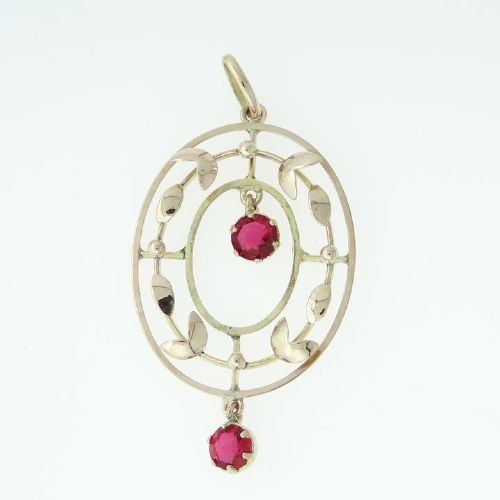
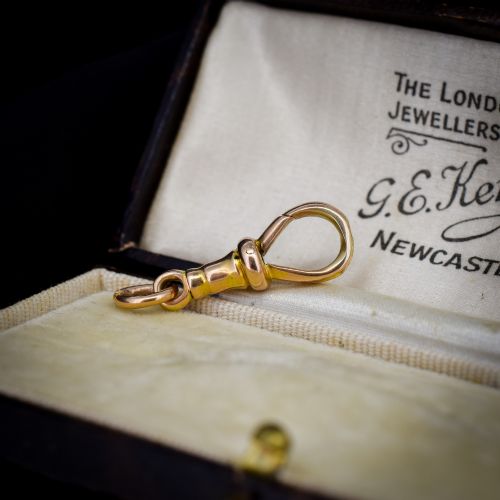
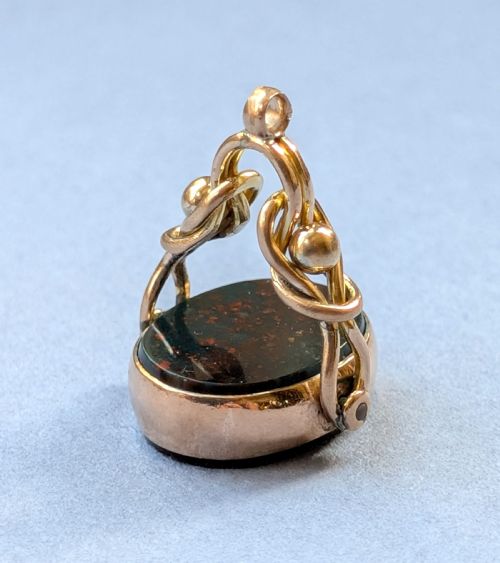
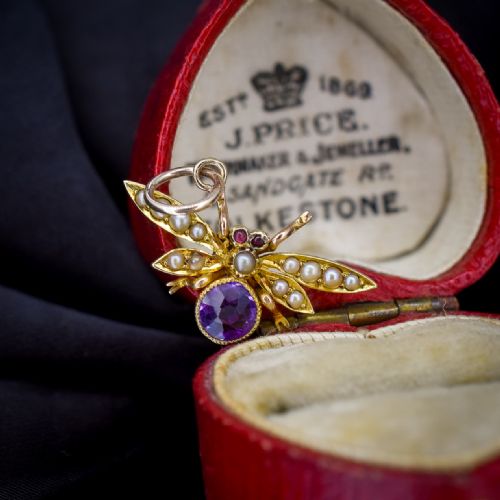

Victorian Charm Pendant
A victorian charm pendant brings miniature storytelling to the neckline, combining period sentimental motifs with wearable utility.
Victorian Charm Pendant
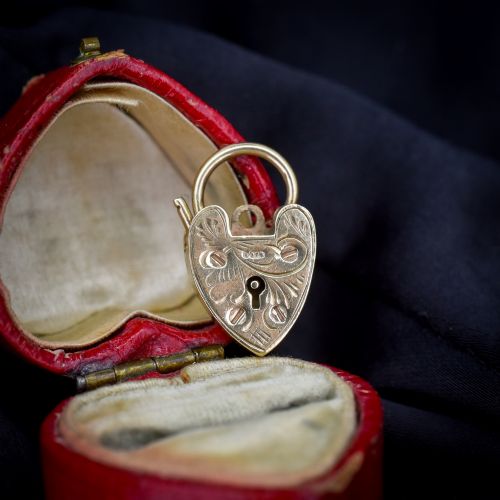
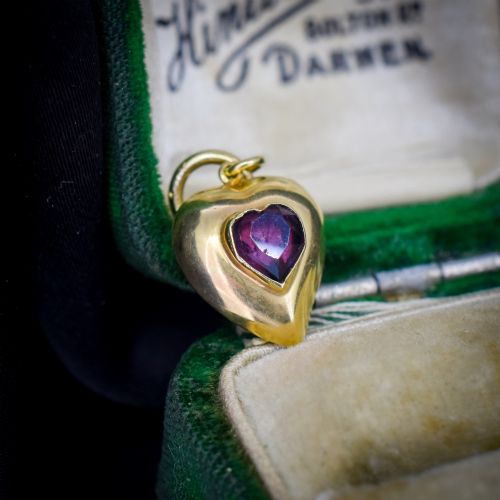
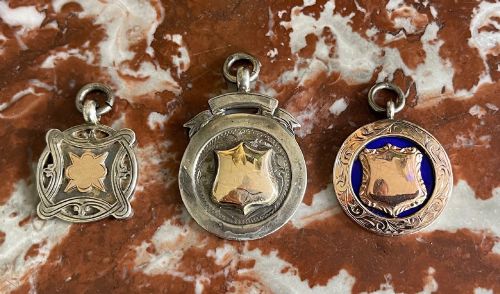
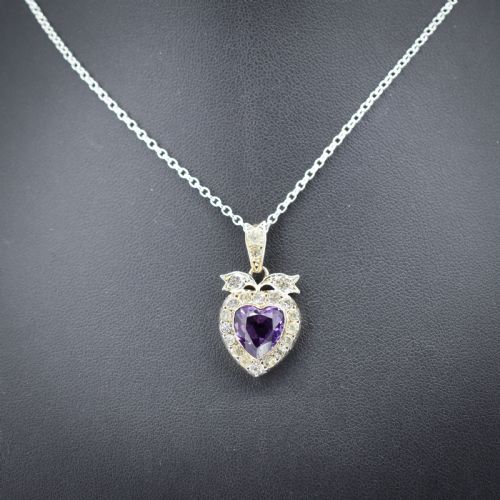
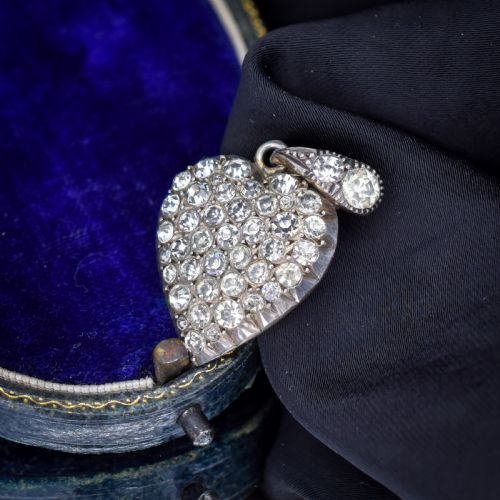
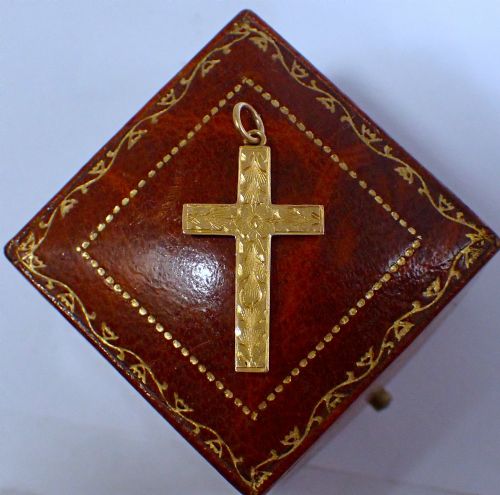
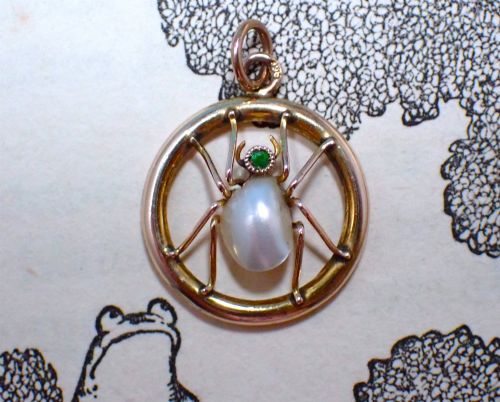
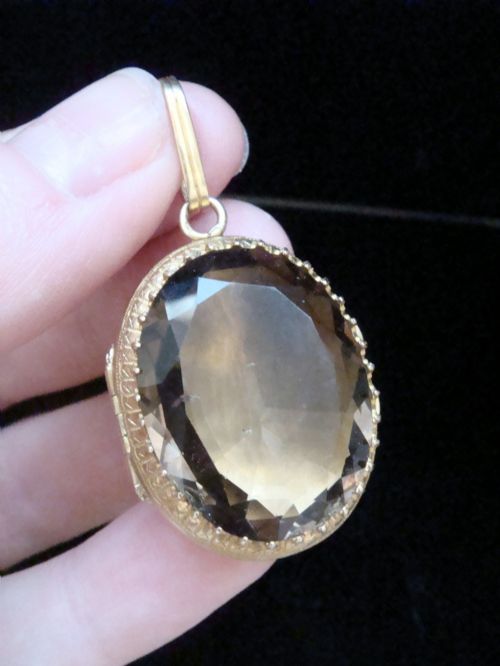
A victorian charm pendant spans diverse miniature forms, including engraved padlocks, puffed hearts, seals, lockets, and functional items such as propelling pencils and vinaigrettes.
The pieces emerge predominantly from the Victorian and Edwardian eras, alongside related nineteenth and early twentieth century examples featuring padlock and heart motifs.
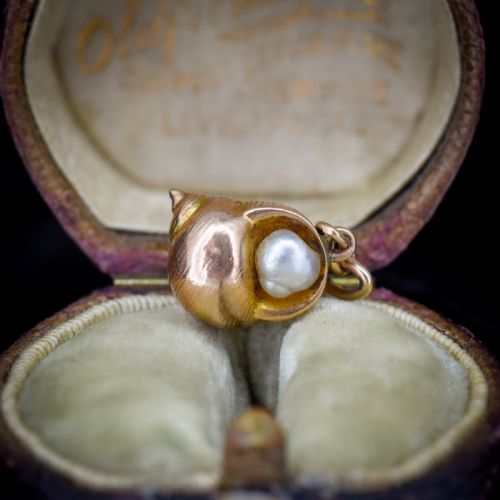
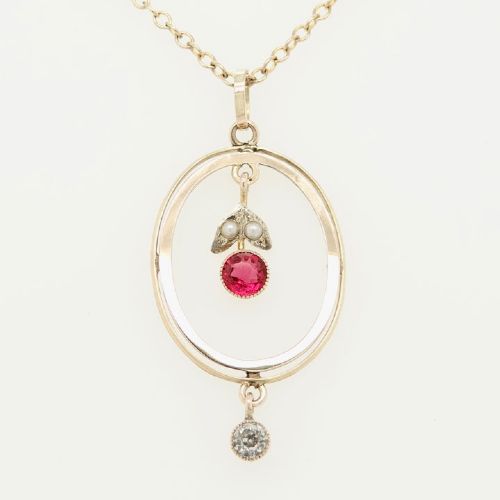
Makers utilised gold, silver, pearl, glass, and hardstones like bloodstone, carnelian, and agate to construct these small decorative objects.
Materials and construction
Goldsmiths worked with nine-carat, fifteen-carat, and eighteen-carat yellow and rose gold, often pairing precious metals with sterling silver settings for gems.
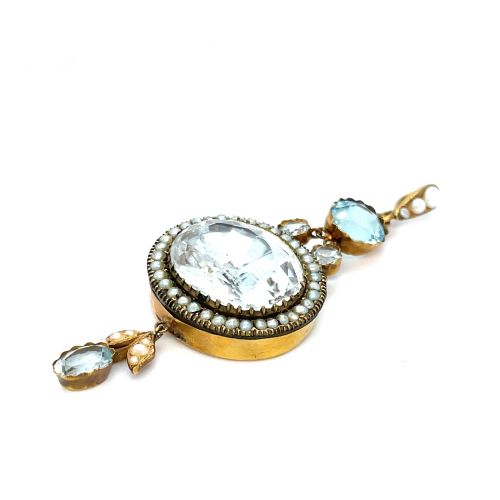
Lapidaries carved hardstones including bloodstone, carnelian, and agate into seals and crosses, while jewellers set paste, seed pearls, and foil-backed aquamarines into gold and silver frames.
Materials span nine-carat, fifteen-carat, and eighteen-carat gold, sterling silver, pearls, glass, and hardstones including bloodstone, carnelian, and agate.
Distinctions in craftsmanship
Quality rests on the crispness of hand engraving, the secure flush of stone settings, and the structural integrity of tiny mechanical elements like spinning fobs and working pencils.
Superior examples maintain original split rings, crisp hallmarks, and well-preserved internal components, while simpler items rely on cast rather than hand-finished details.
The Victorian Charm Pendant Glossary
- Padlock charm
- A small padlock-shaped pendant, frequently engraved, used during the nineteenth century to secure charm bracelets or worn directly on chains.
- Puffy heart
- A hollow, three-dimensional heart pendant made from two stamped metal halves joined together, often embellished with engraving or gemstones.
- Watch key
- A small functional key designed to wind pocket watches, suspended as a decorative pendant once watch winding stems became common.
- Foil back
- A historical technique where a thin sheet of coloured metallic foil is placed behind a gemstone or paste to enhance its brilliance and hue.
- Vinaigrette
- A small ornamental hinged box containing a perforated grill, once soaked in aromatic vinegar to revive wearers in crowded rooms.
Victorian Charm Pendant: Frequently Asked Questions
What is a victorian charm pendant?
A victorian charm pendant is a small decorative ornament from the nineteenth or early twentieth century, designed to be worn on a necklace or bracelet. These pieces encompass miniature padlocks, hearts, seals, and functional items like pencils.
They reflect the sentimental and practical tastes of the period, often carrying personal engravings, hidden compartments, or symbolic motifs like clover and ivy.
How do I wear a victorian charm pendant?
These pendants suspend easily from standard chains, ribbon sliders, or split rings, allowing you to wear them singly as focal points or grouped together on a heavier chain.
Because many pieces originated as watch fobs, seals, or opening lockets, they retain small functional loops that adapt well to modern neckwear.
How are gold purities marked on these pieces?
British pieces from the Victorian era commonly feature standard karat marks such as nine-carat, fifteen-carat, or eighteen-carat gold, often accompanied by anchor or leopard head assay office stamps.
Some items use gold-cased or silver-gilt construction, where a thin layer of precious metal covers a base metal core.
How do I tell a Victorian piece from a later one?
Dating relies on hallmarks, maker stamps, the style of the split ring, and the specific construction techniques used for hinges, bezels, and clasps. Pieces from the Victorian period frequently feature hand engraving and specific gemstone cuts like old mine or old European cuts.
Later Edwardian and mid-century items often introduce different closure mechanisms, lighter stampings, or distinct alloy colours.