
Engraved Victorian Silver Case
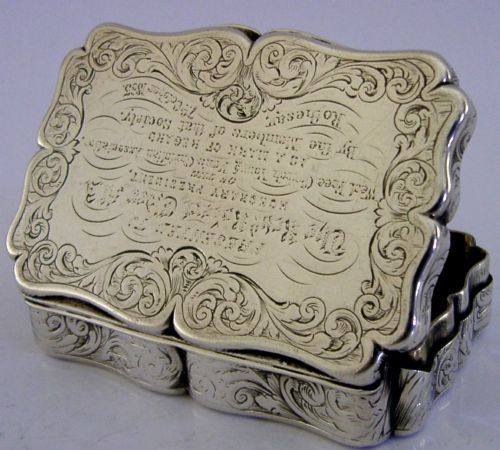
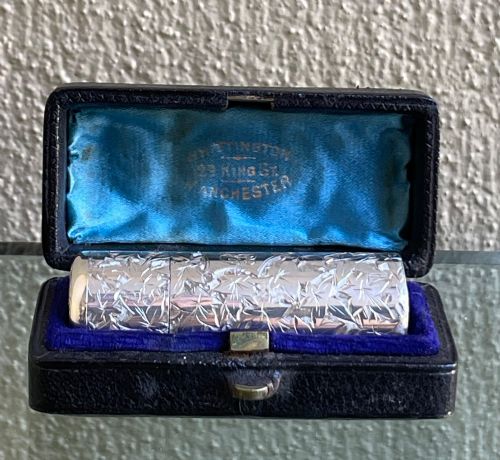
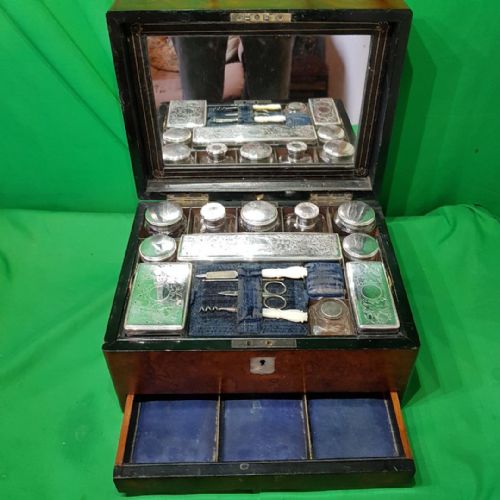
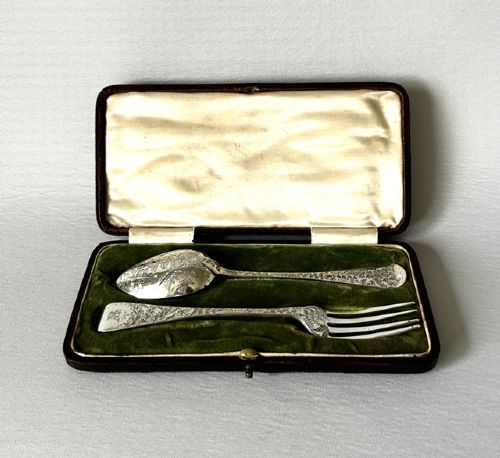
An engraved Victorian silver case brings intricate foliate scrolls, architectural landmarks and personal crests into the palm of the hand.
Engraved Victorian Silver Case
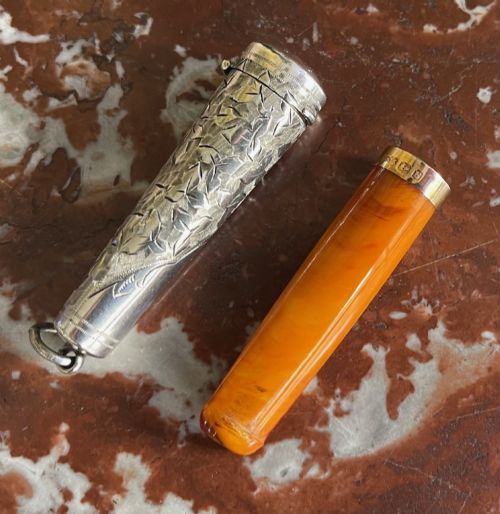
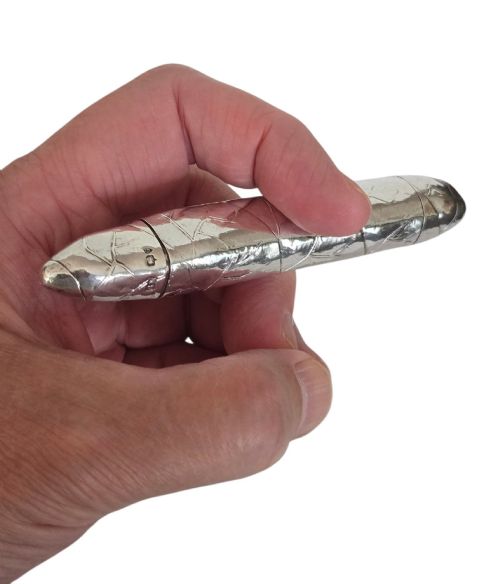
When searching for an engraved victorian silver case, buyers encounter a diverse selection of small, highly decorated personal accessories designed to hold calling cards, matches, cigars, stamps or prayer books. The most common forms on this page are card cases, vesta cases for matches, and cigar or cheroot holders.
These pieces originate predominantly from the Victorian period, with notable examples spanning from the middle decades of the nineteenth century into the Edwardian era. Makers in assay office hubs such as Birmingham, London and Chester produced these silver containers to satisfy the demands of polite society.
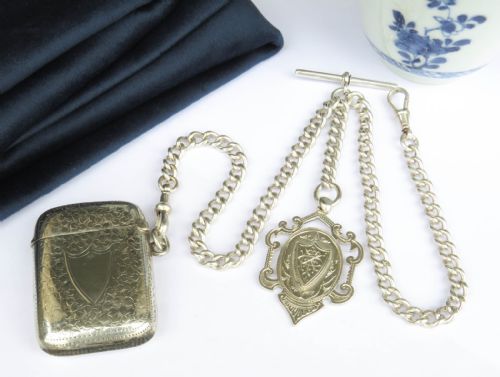
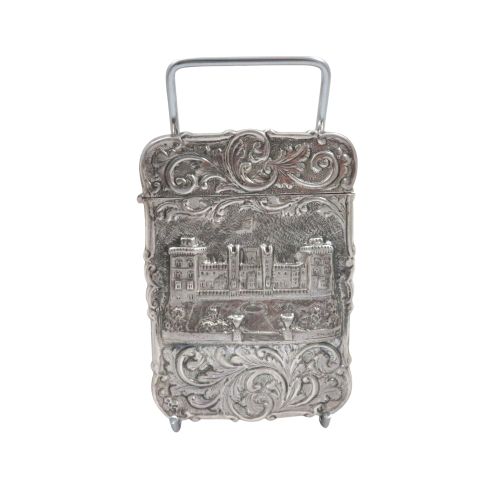
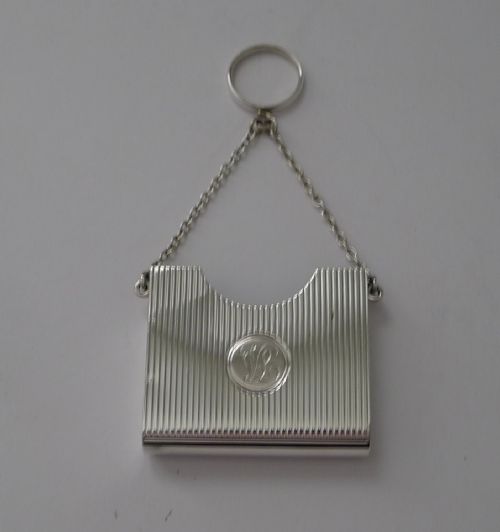
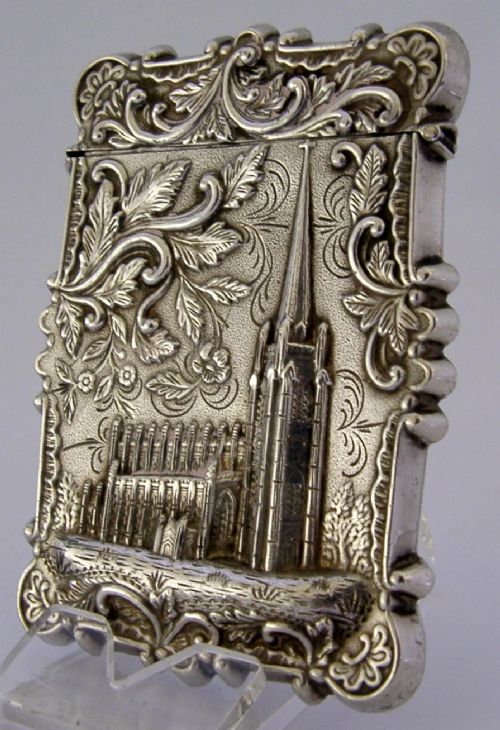
Beyond standard flat cases, the selection includes specialised items such as aide-memoires, double pocket watch chains combined with vestas, stamp cases, and architectural castle top card cases featuring notable buildings like Windsor Castle or Trinity Church.
Materials and Technique
The foundation of these pieces is solid sterling silver, occasionally accompanied by silver plate, gold mounts, steel, glass, or internal linings of velvet, leather and silk. Metalworkers shaped the silver sheet through pressing, stamping or casting before applying surface ornamentation.
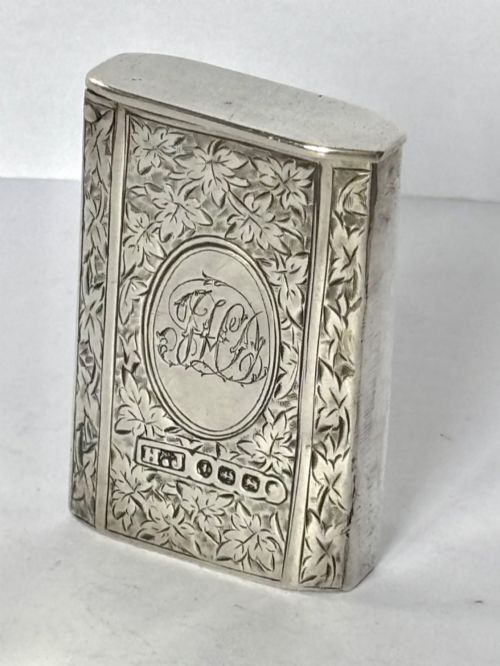
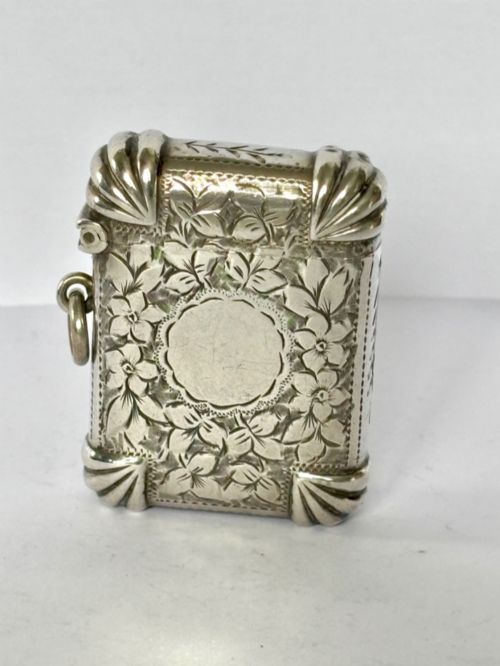
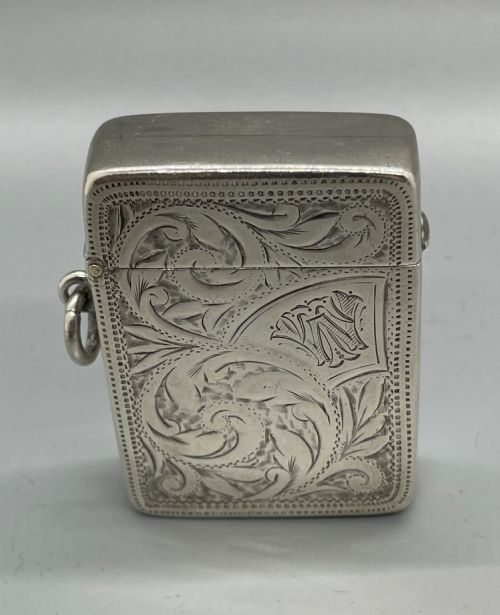
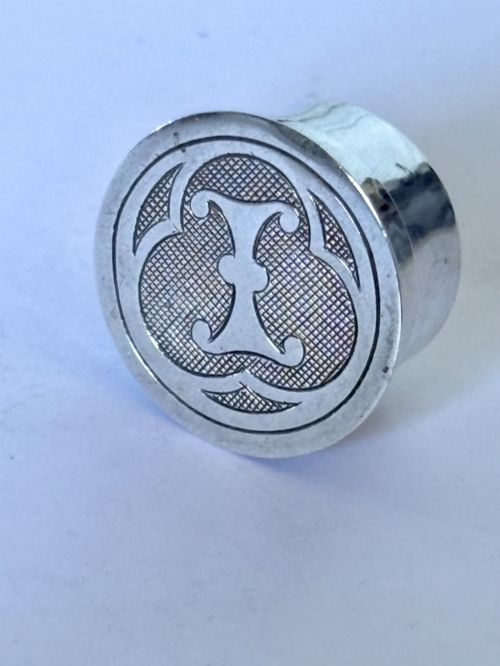
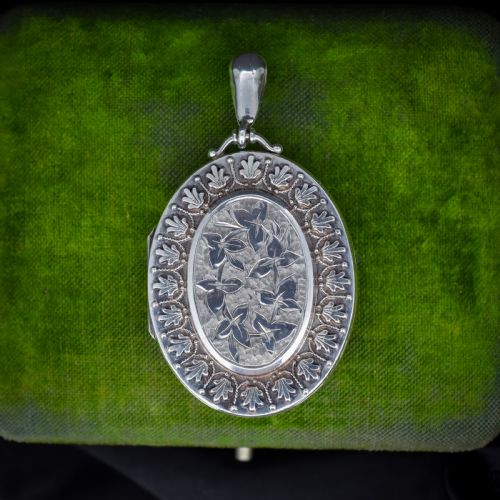
Surface decoration relies heavily on hand-engraving techniques such as bright-cut scrolling, floral motifs, ivy leaves, geometric patterns, and detailed pictorial scenes. Master silversmiths also incorporated structural elements like flip-top lids, concertina interiors, and hinged clasps to ensure everyday utility.
Assessing the Standard
Quality in an engraved Victorian silver case rests upon the depth, crispness and ambition of the hand-engraved design. Surface work that remains sharp and deep against the polished metal indicates superior craftsmanship compared to shallow or worn machine-assisted marking.
The substance of the silver itself also distinguishes the tier of a piece, with heavier gauges of metal resisting dents and maintaining structural integrity around hinges. Furthermore, named maker marks from distinguished workshops add a layer of distinction to the craftsmanship.
Nathaniel Mills·Sampson Mordan And Co·Howard James·Ev Pledge And Son·Horton And Allday·Fa Barrett·George Unite·Alfred Taylor
The Engraved Victorian Silver Case Glossary
- Castle Top
- A style of card case featuring a high-relief architectural engraving of a famous landmark or building on the front panel. These scenes often depict specific structures like Windsor Castle or Trinity Church.
- Vesta Case
- A small pocket container designed to hold matches and strike them on an integrated serrated panel. They often feature spring-loaded lids and hinged loops for watch chains.
- Bright-cut
- An engraving technique utilising faceted angled cuts to create sparkling reflective geometric or floral patterns on the silver surface. It enhances the visual texture of scrolls and leaves.
- Aide-Memoire
- A pocket notebook or memorandum case fitted with internal leaves of silk, card or bone alongside a small pencil. They served as portable diaries for Victorian engagements and calling notes.
- Assay Mark
- An official stamp indicating the metal standard, the town of testing, and the year of manufacture. These hallmarks allow buyers to trace the exact provenance of a silver piece.
Engraved Victorian Silver Case: Frequently Asked Questions
How were vesta cases used?
Vesta cases were carried in pockets or attached to watch chains to safely store matches and protect them from moisture. The base typically included a striated friction area for striking the match before lighting a cigar or candle.
These small containers became essential everyday accessories during the Victorian era as tobacco consumption and street lighting increased. Their compact size encouraged intricate engraving across every available surface.
What is an aide-memoire?
An aide-memoire functioned as a pocket-sized memorandum book for recording daily appointments, calling lists, or social notes. They often combined silver covers with internal silk, bone, or paper leaves.
Carried primarily by ladies and gentlemen in polite society, these hybrid items sometimes doubled as card cases. Their survival often depends on the condition of the delicate internal compartments.
How do I date a silver case?
Dating a silver case involves reading the official hallmarks stamped into the metal by an assay office. These marks include letters indicating the specific year of production and symbols for the testing town.
Additional clues come from the overall style of engraving, the form of the object, and any accompanying maker marks. Comparing these details against established registry records narrows down the era of manufacture.