


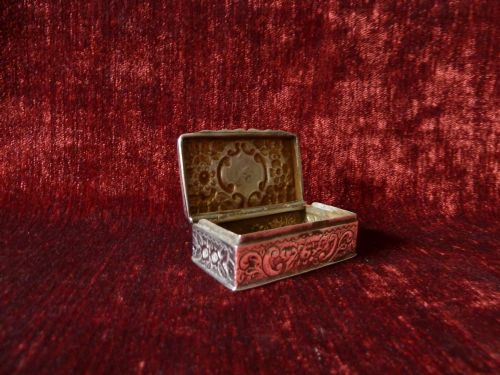


Engraved Tobacco Container
An engraved tobacco container brings pocket-sized craftsmanship to daily life, offering tactile storage for tobacco, snuff or cigars.
Engraved Tobacco Container
When you search for an engraved tobacco container, you are looking at small functional vessels designed to hold tobacco, snuff, or cigars. These pieces range from pocket snuff boxes and cheroot cases to larger desk top boxes and tea caddies.
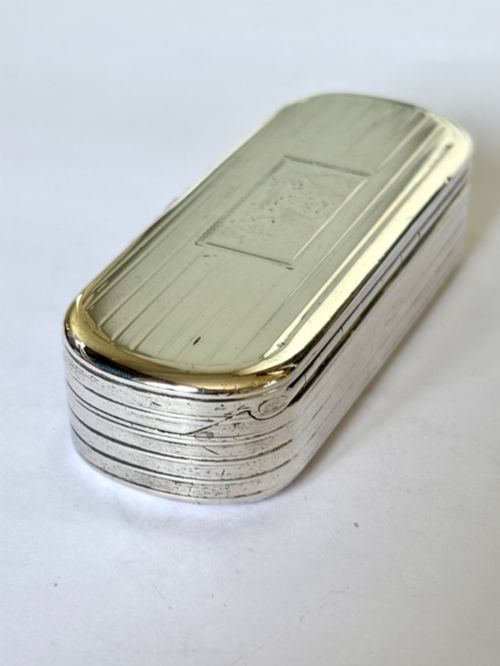
The versions you are most likely to meet on this page hail from the Victorian, Georgian, and Regency periods, alongside 18th-century German and Dutch examples. They appear in forms such as snuff boxes, tobacco boxes, and cigar cases.
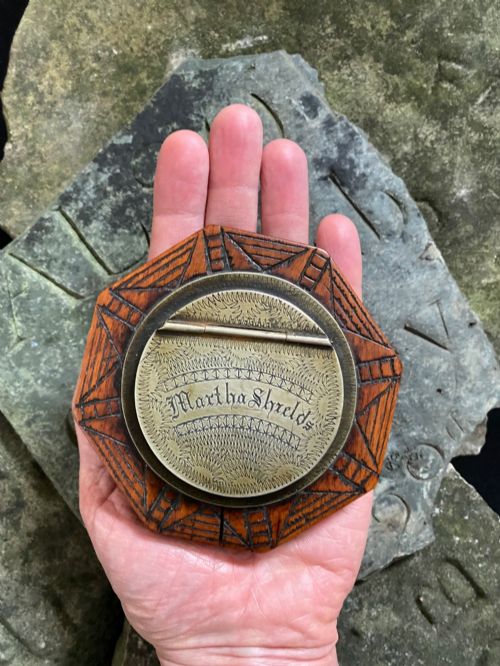
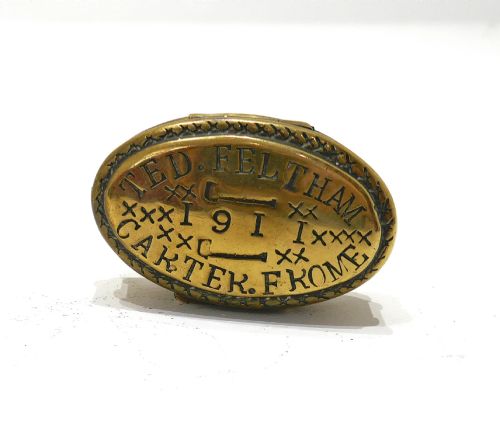
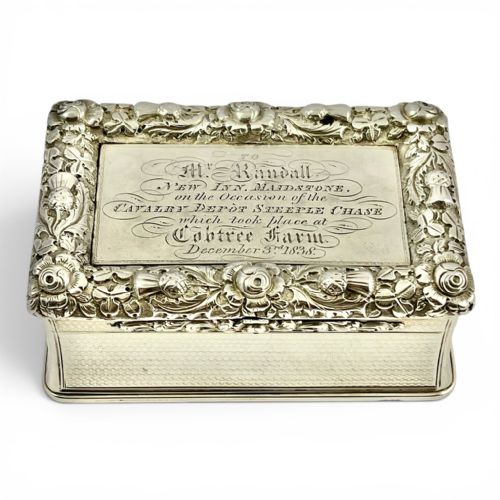
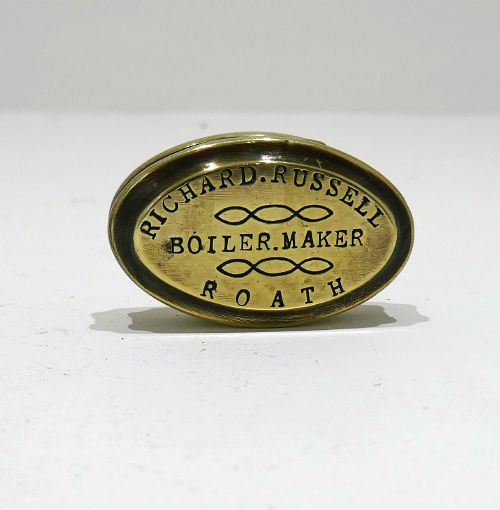
Makers fashioned these containers to be carried or displayed, often adding personal inscriptions, names, or crests. Their utility matched their decorative appeal, serving gentlemen and ladies alike in domestic and social settings.
Materials and construction
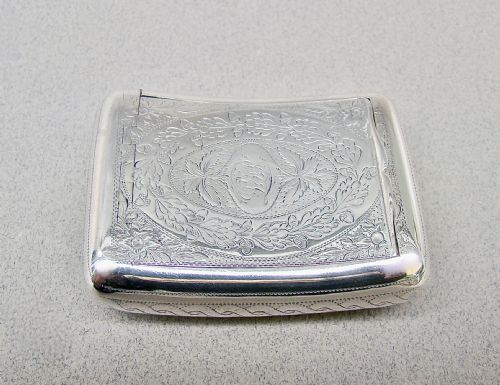
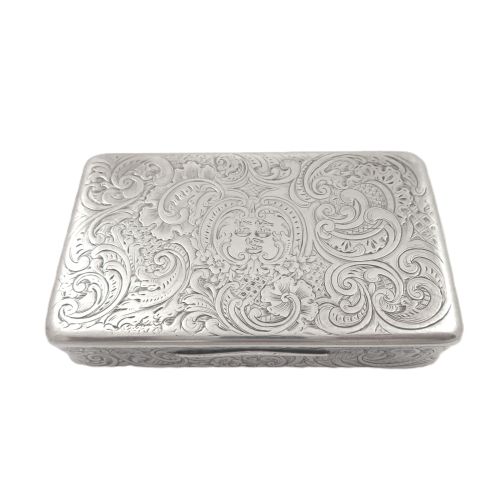
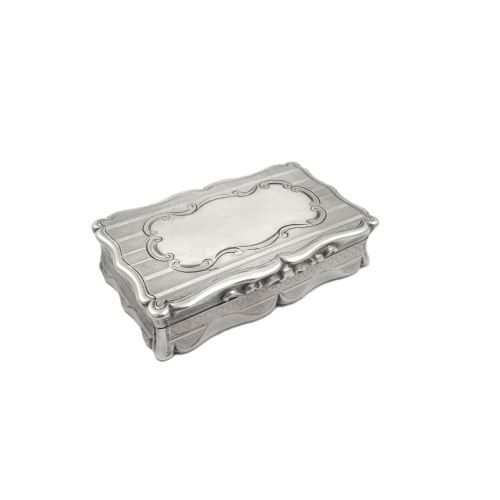
Silversmiths and metalworkers utilised sterling silver, silver-gilt, copper, and brass, shaping them through casting, hammering, and assembly. Many surfaces received detailed hand engraving, creating crests, floral motifs, or commemorative inscriptions.
Alternative materials like leather and gilt metal appear among the listings, sometimes paired with precious metals or coin embellishments. Interior gilding often protected silver boxes from the corrosive oils of tobacco.
Engraved Tobacco Container Retail Price Guide 2026
Typical asking prices for engraved tobacco container among the pieces listed under this phrase on Sellingantiques today, from the lower quarter to the upper quarter. They describe what is for sale here now, not the wider market.
Listings feature sterling silver, brass, copper, leather, and 14ct gold across periods from the 18th century to the early 20th century.
Distinctions in quality
The crispness and depth of the hand engraving set superior pieces apart from simpler production. Fine work displays confident lines, well-defined lettering, and balanced decorative borders that integrate seamlessly with the form of the box.
Substantial metal weight and precise lid closures indicate higher craftsmanship. Makers who incorporated silver-gilt interiors or mixed metals achieved a level of refinement absent in standard utility pieces.
Robert Thornton·Frederick Mason·James Phipps I·Nathaniel Mills
The Engraved Tobacco Container Glossary
- Snuff box
- A small pocket container specifically designed to hold powdered tobacco. These items often feature hinged lids and intricate engraved lids.
- Silver-gilt
- Silver that has been coated with a thin layer of gold on its interior or exterior surfaces. This technique added a rich colour and protected the underlying metal.
- Tobacciana
- An umbrella term for antiques and collectibles connected with the consumption of tobacco. It encompasses boxes, cases, and associated smoking paraphernalia.
- Table snuff box
- A larger version of the pocket snuff box meant to sit stationary on a dining or drawing-room table for communal use.
- Caddy
- A small container originally used for storing tea, though similar vessel forms appear in the broader category of storage boxes.
Engraved Tobacco Container: Frequently Asked Questions
What is an engraved tobacco container?
An engraved tobacco container is a small portable or desk box used historically to store snuff, loose tobacco, or cigars. Artisans decorated the exterior surfaces with names, crests, or patterns.
These pieces reflect the personal tastes and social habits of past centuries, functioning as both practical items and portable art.
How were these containers used?
Owners carried pocket versions in waistcoats or pockets for quick access during social gatherings. Larger desk boxes remained in rooms for communal access.
They provided a secure, airtight environment to keep tobacco or snuff fresh while on the move or at home.
How do I care for silver tobacco boxes?
Keep silver and brass boxes in stable humidity conditions away from direct sunlight. Gentle cleaning with a soft cloth prevents damage to the delicate hand engraving.
Avoid harsh chemical polishes that can wear away thin silver-gilt layers or soften crisp engraved lines over time.
How can I tell the period?
Examine the style of the decoration, the manufacturing techniques, and any accompanying hallmarks stamped into the metal. Georgian and Victorian pieces often bear distinct regional assay office marks and date letters.
Comparing the object type and script style of inscriptions also helps narrow down the decade of manufacture.