


Engraved Sterling Vesta Case
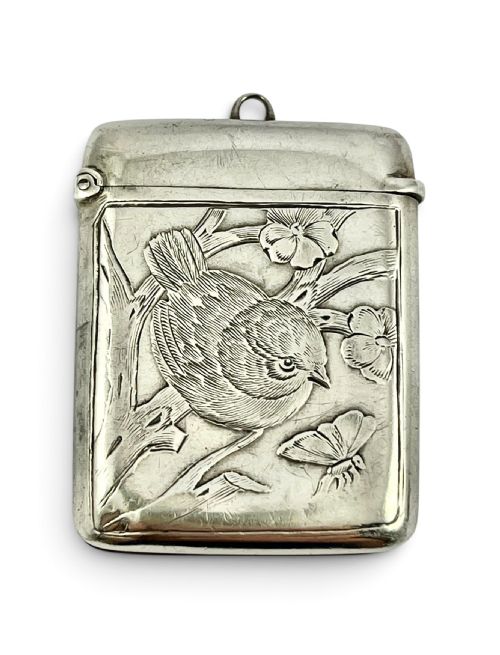
An engraved sterling vesta case is a small pocket-sized container designed to hold matches, carrying intricate surface decoration from the late nineteenth and early twentieth centuries.
Engraved Sterling Vesta Case
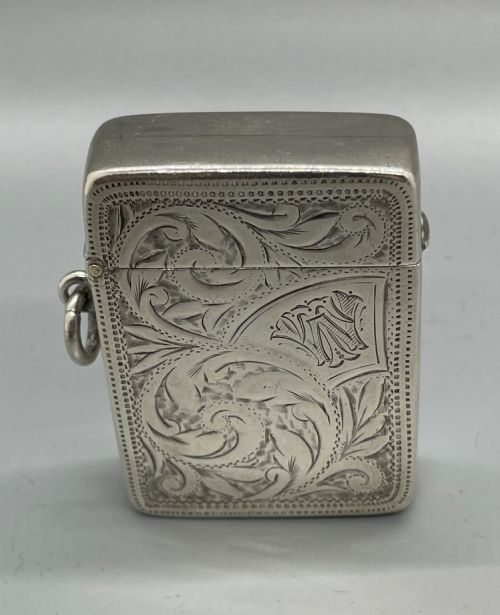
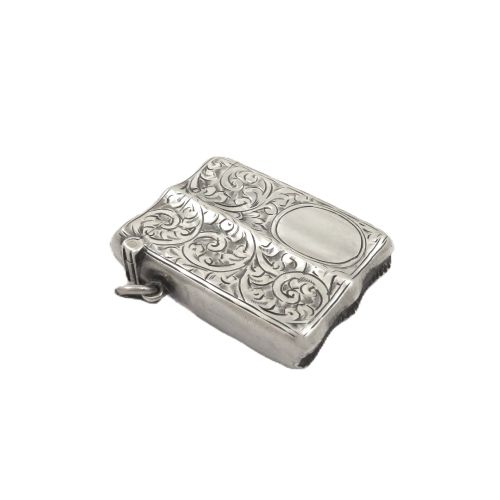
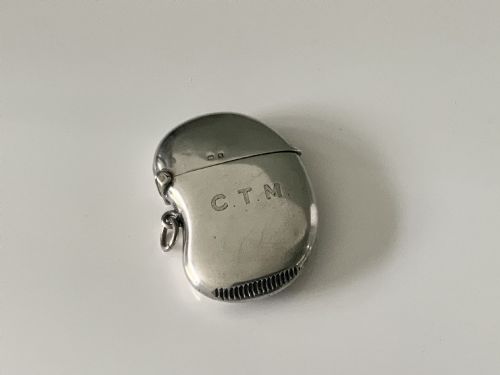
When you search for an engraved sterling vesta case, you examine pocket match safes produced primarily during the Victorian and Edwardian periods. These portable containers feature hinged lids and integrated strikers on the base, designed to keep matches dry and ready for use.
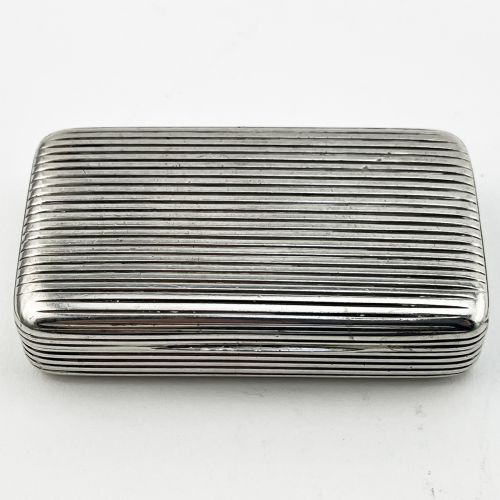
The versions most commonly met on this page date from the late nineteenth century up to the 1920s, originating from major silversmithing centres such as Birmingham and London. Formats range from standard rectangular boxes to novelty shapes including boots, boars, and horseshoes.
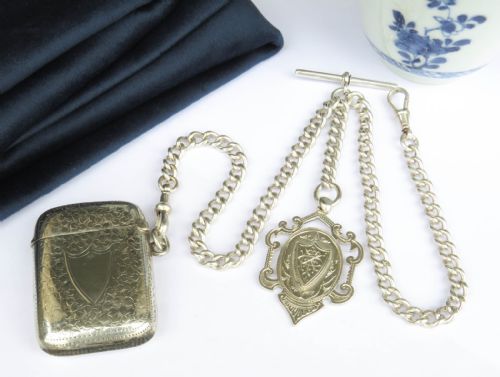
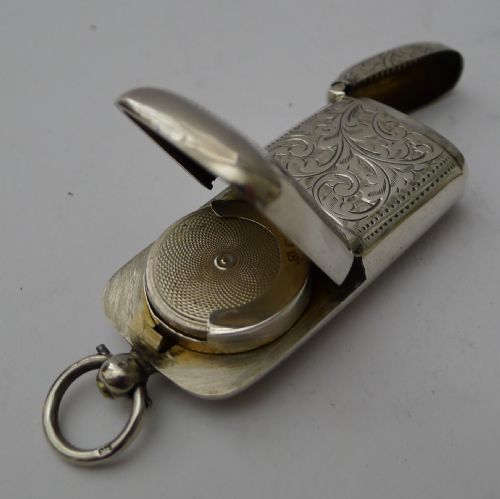
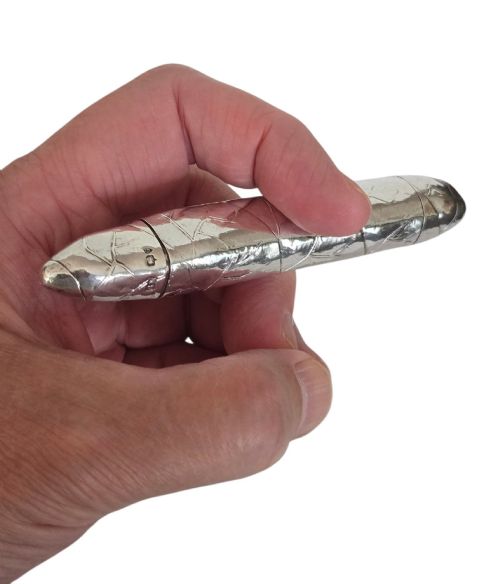
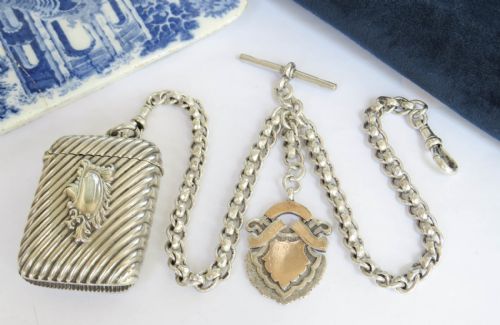
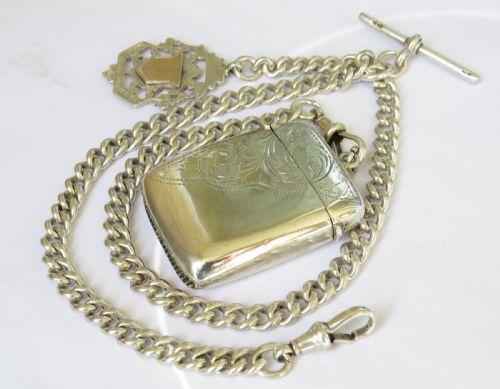
Many examples are accompanied by pocket watch chains or combine multiple functions into a single piece, housing sovereigns, stamps, or double compartments for cigars and matches. Surface decoration on these items typically displays scrollwork, geometric patterns, or specific pictorial subjects like golfers and pug dogs.
Materials and construction
Makers constructed these match holders predominantly from sterling silver, occasionally incorporating rose gold accents, enamel details, or internal suede linings. The primary metal body provides a rigid protective shell for matches while offering a receptive surface for ornamentation.
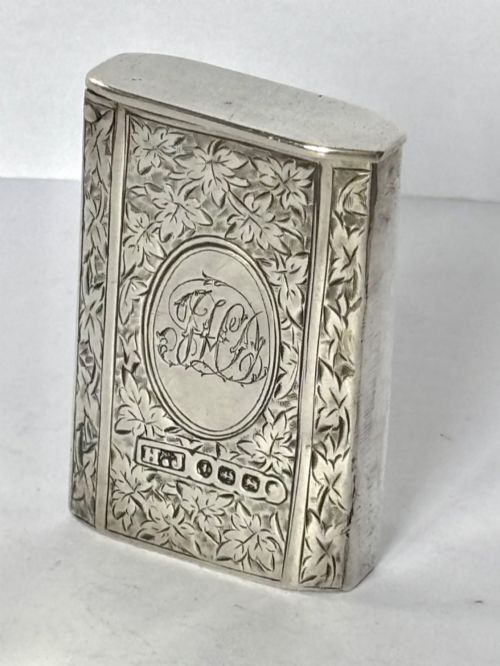
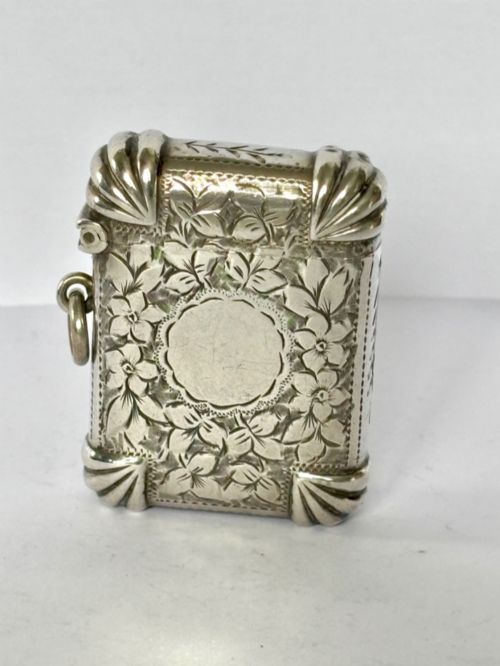
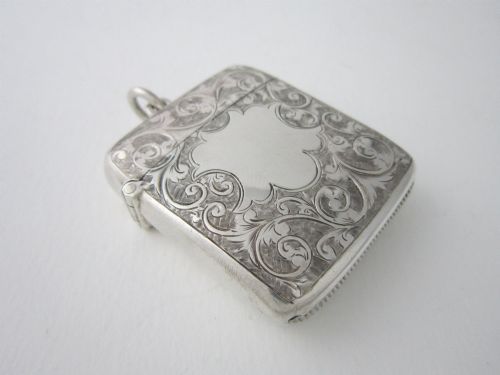
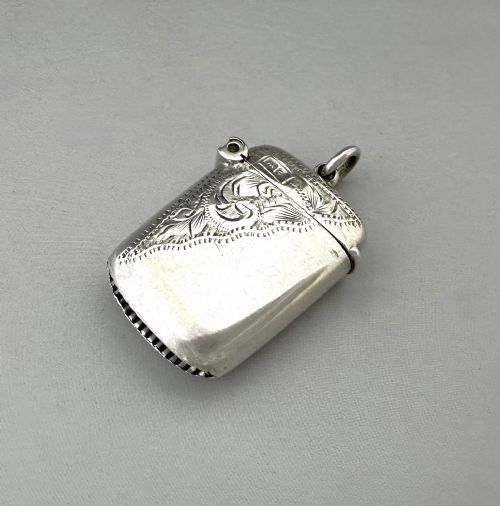
Surface patterns were applied using manual techniques such as hand engraving, chasing, and engine turning to create textured backgrounds and decorative motifs. Each case relies on a tightly sprung hinged lid to ensure a secure closure and protect the contents from moisture.
Distinctions in quality
Quality in these pocket containers rests on the depth and crispness of the hand engraving, alongside the structural integrity of the spring hinge. Superior examples maintain a crisp definition in their patterns without excessive wear to the high points of the metal.
Novelty forms and pieces bearing maker marks from renowned firms command greater attention due to their sophisticated engineering and sculptural detail. The thickness of the silver gauge also contributes to the tactile solidity and longevity of the object.
HOWARD JAMES BIRMINGHAM·EV PLEDGE AND SON·Sampson Mordan and Co·Alfred Clark·William Hair Haseler
The Engraved Sterling Vesta Case Glossary
- Vesta case
- A small pocket container specifically made to hold wooden match matches and feature a striking surface. They gained widespread popularity during the nineteenth century with the invention of safety matches.
- Hallmark
- An official stamp applied to precious metals indicating the standard of purity, the assay office, and the year of manufacture. These marks provide definitive historical documentation for British silver.
- Sovereign case
- A small circular or double-compartment pocket holder engineered to fit gold sovereign coins precisely. Some combination pieces integrate this storage alongside a match compartment.
- Match safe
- An alternative term originating in America for a pocket match container. These items serve the identical functional purpose as British vesta cases.
- Albert
- A chain attached to a pocket watch, frequently paired with vesta cases or sovereign holders. They thread through a waistcoat buttonhole.
Engraved Sterling Vesta Case: Frequently Asked Questions
What is a vesta case?
A vesta case is a small, portable container designed to hold matches safely in a pocket or on a watch chain. They became essential personal accessories in the nineteenth century.
Most feature a hinged lid and a striated surface on the bottom for striking matches. Collectors value them for their diverse shapes and decorative engraving.
How do I read silver hallmarks?
British silver hallmarks typically include a maker mark, a standard mark denoting sterling purity, an assay office symbol, and a date letter. These stamps reveal exactly where and when an item was made.
Reference charts help decode the specific shapes of letters and shields. This allows you to trace the exact year of production for Victorian and Edwardian pieces.
Were these cases only for matches?
While primarily made for matches, many historical examples served multiple purposes in daily life. Combination pieces housed sovereigns, stamps, or cigars alongside the match compartment.
Some double-ended designs kept different items separated within the same portable housing. This multifunctionality made them popular everyday carry items.
How do I care for antique silver?
Antique silver benefits from gentle cleaning using a soft cloth and specialised silver cleaner formulated to preserve delicate engravings. Avoid harsh abrasive substances that can wear away thin surface details.
Storing pieces in dry conditions prevents tarnishing and protects the internal springs of the hinges. Regular handling also helps maintain a natural, attractive finish on the metal.