


Engraved Silver Drinking Vessel
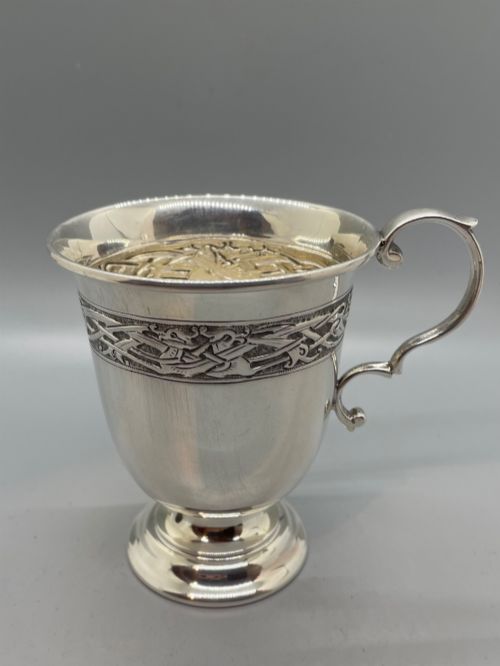
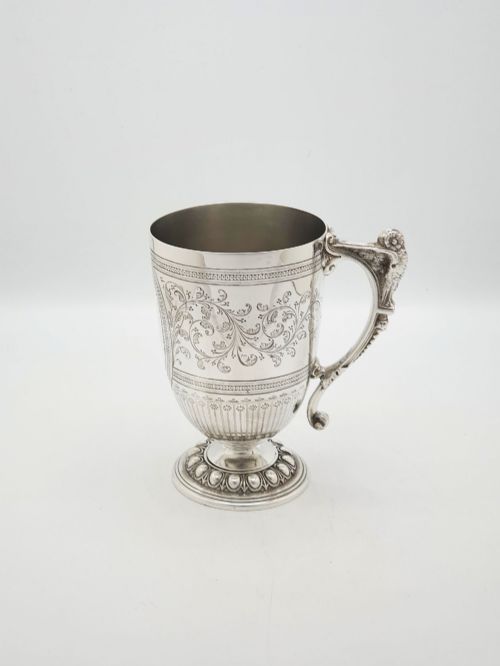
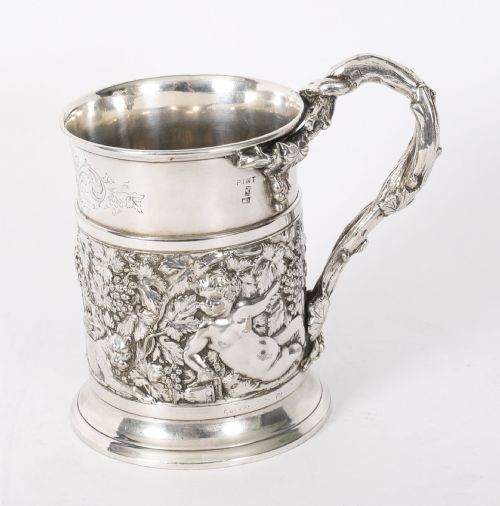
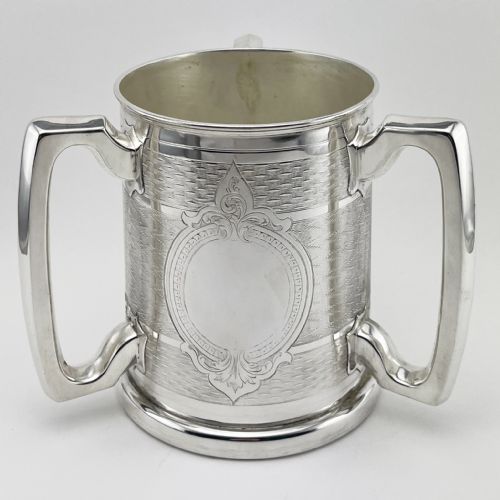
These engraved silver drinking vessel examples are tactile historical objects that bring centuries of drinking culture straight to the modern table.
Engraved Silver Drinking Vessel
An engraved silver drinking vessel is a functional container meant for holding liquids, which appears in forms ranging from christening mugs and tankards to loving cups, wager cups, and beakers. When searching for an engraved silver drinking vessel, collectors frequently encounter Victorian and Edwardian examples alongside pieces from the Georgian period and the year 1800.
The objects listed display diverse origins and regional characteristics, including Australian sterling silver and Anglo-Indian sterling silver alongside domestic British output. Makers such as G R Collis and Bernard Muller produced distinct variants, while vernacular pieces like a Georgian folk art horn beaker expand the definition of the form.
Forms vary from robust lidded tankards with figural handles to slender beakers and ceremonial loving cups. Each piece reflects the social habits of its period, whether intended for daily domestic use, a christening ceremony, or a communal toast.
Materials and construction methods
Construction relies heavily on sterling silver, silver plate, and old Sheffield plate, supplemented by nickel silver, white metal, and electroplated nickel silver. Certain vessels feature gold plate or silver gilt finishes that highlight the engraved surface details.
Engraving techniques define the decoration, combining embossed motifs with linear hand-carved patterns. Specialist makers applied these embellishments to sheet metal bodies, forming handles and mounts separately before soldering them securely into place.
An owl handle stares unblinkingly from one Edwardian plated tankard, ready to join every toast.
Assessing quality in silver drinking vessels
Quality rests on the crispness and depth of the engraving, where hand-chased botanical or geometric patterns remain sharp rather than worn down by excessive cleaning. The weight of the metal and the balance of handles, such as figural owl designs, dictate the tactile success of the piece.
The integrity of the construction, including flush seams and clean interior gilding, separates standard production items from masterwork creations. Hallmarks or maker stamps that remain legible add documentary value to the physical substance.
G R Collis·Bernard Muller
The Engraved Silver Drinking Vessel Glossary
- Sterling silver
- A silver alloy containing 92.5 percent pure silver by mass and 7.5 percent other metals, usually copper. This standard ensures structural durability for functional drinking vessels.
- Silver plate
- A layer of pure silver bonded to a base metal core such as copper or nickel silver. This technique provided an accessible alternative to solid silver.
- Old Sheffield plate
- An early form of plated metal created by fusing a sheet of silver to a thick copper ingot before rolling them together. It is recognisable by the subtle bleed of copper visible at the cut edges.
- Silver gilt
- Sterling silver that has been coated with a thin layer of gold on its interior or exterior surfaces. This finish prevented the acidic contents of drinks from tarnishing the metal.
- Loving cup
- A large drinking vessel equipped with two or more handles, designed to be passed around a company of people. These cups often featured elaborate engraving for communal toasts.
Engraved Silver Drinking Vessel: Frequently Asked Questions
What is an engraved silver drinking vessel?
An engraved silver drinking vessel is a historical container made from silver, plated metal, or alternative materials designed for consuming liquids. These items include tankards, mugs, beakers, and ceremonial cups decorated with surface engraving.
They reflect the metalworking standards and social customs of periods ranging from the Georgian era through to the early twentieth century.
How were these vessels used historically?
These vessels served everyday dining functions, celebratory toasts, and significant family milestones such as christening ceremonies. Loving cups and wager cups played specific roles in formal gatherings and social drinking games.
Their substantial construction allowed them to handle regular use before transitioning into display and collectible objects.
How do I care for a silver drinking vessel?
Maintenance requires gentle cleaning with appropriate silver care products that do not abrade the fine engraved details. Avoid harsh chemical dips that strip desirable age patina from the recessed lines of the decoration.
Store the vessel in a stable environment away from direct moisture to preserve both the metal surface and any interior gilding.
How do I identify the period of a vessel?
Dating relies on reading physical hallmarks, maker marks, and stylistic indicators such as Aesthetic Movement or Chinoiserie motifs. Comparing the form, handle construction, and engraving style against known chronological examples provides an accurate date.
Materials like old Sheffield plate or specific regional hallmarks further narrow down the decade of production.