



Engraved Silver Carafe
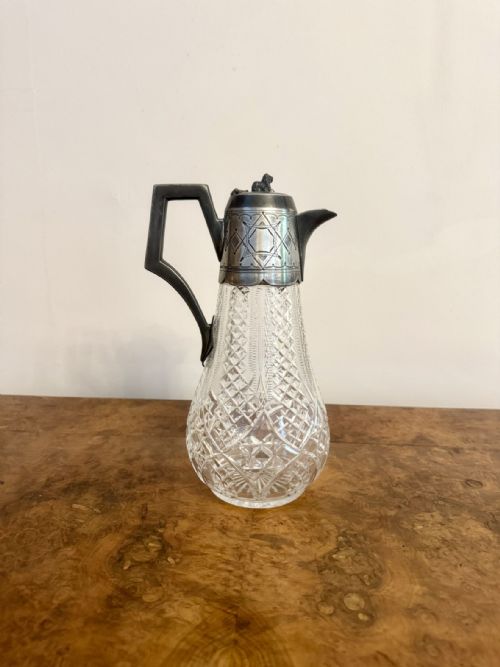
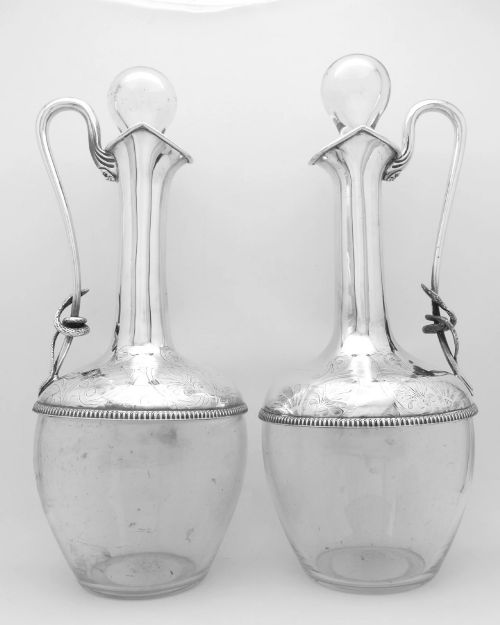
An engraved silver carafe brings weight and polish to the table, combining cut crystal or glass with gleaming metal mounts.
Engraved Silver Carafe
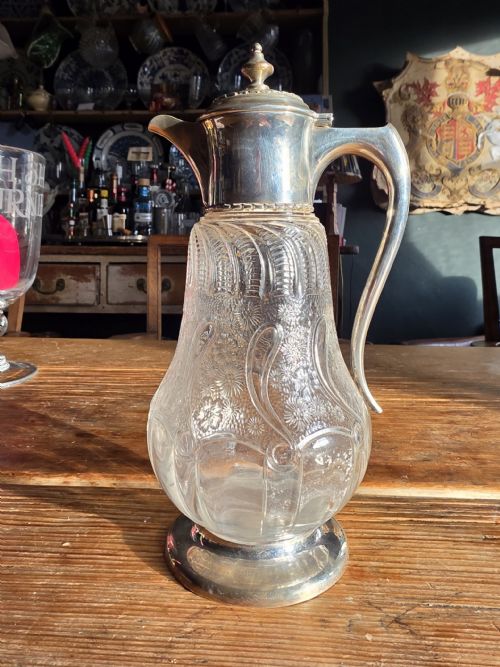
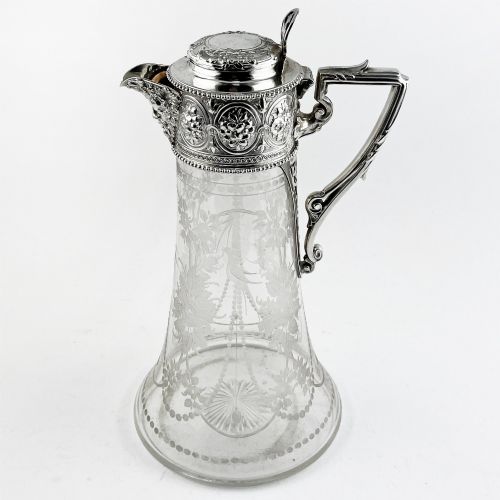
An engraved silver carafe encompasses a variety of serving vessels primarily recorded as claret jugs, wine decanters, and ewers. When exploring this selection, buyers frequently encounter Victorian and Edwardian examples featuring elaborate floral or pattern work upon the glass.
The forms span from sturdy nineteenth-century silver-plated mounts paired with cut crystal to later twentieth-century sterling silver designs. Makers utilised glass bodies ranging from clear cut crystal to coloured cranberry and amethyst tones.
Objects on offer extend across decades including the Victorian era, the Edwardian period, and mid-century modern releases. Each piece functions as both a functional pouring vessel and a decorative centrepiece.
Materials and construction
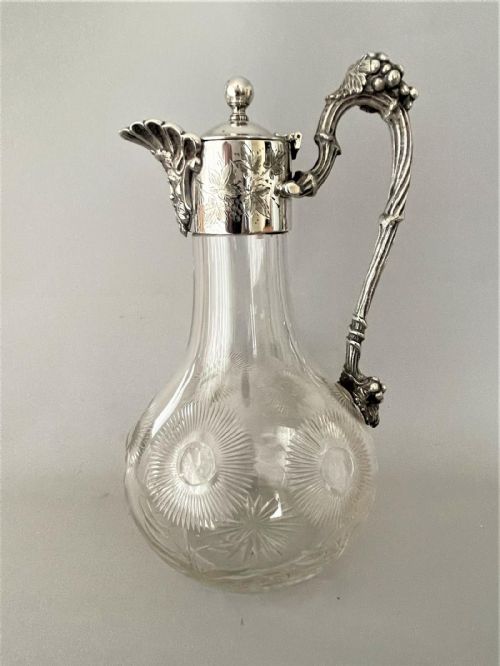
Silver mounts were cast, chased, or embossed with detailed motifs such as Bacchus masks, serpents, or floral scrolls before being securely fixed to the glass necks. Artisans integrated secure spouts and thumbpieces into the metal mounts to facilitate smooth pouring.
Listings feature vessels spanning from the Victorian period through to the 1960s, constructed in silver plate, sterling silver, and cut or engraved glass.
Assessing quality and execution
Quality rests upon the crispness of the glass cutting and the depth of the metal engraving on the silver collars and mounts. Superior pieces display harmonious proportions between the heavy crystal body and the cast silver handle.
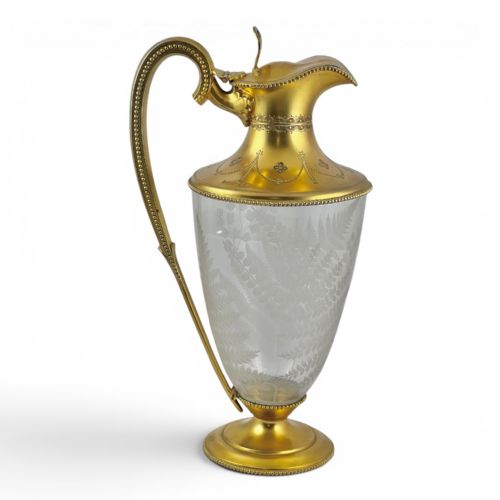
The distinction between standard silver-plated items and solid sterling silver or silver gilt mounts alters the weight and longevity of the piece. Maker signatures and clear hallmarks on the silver components elevate the standing of an individual vessel.
William Comyns·Asprey and Co. Ltd·William Davenport
The Engraved Silver Carafe Glossary
- Claret jug
- A specialised pouring vessel designed for red wine, typically featuring a handle, hinged lid, and a narrow neck.
- Silver gilt
- Silver that has been coated with a thin layer of gold on its surface, creating a warm, dual-toned metallic appearance.
- Crystal
- A high-clarity form of glass containing lead oxide, which permits deeper, sharper wheel-cutting and light refraction.
- Ewer
- A large pitcher with a flared spout and a curved handle, often used historically for water or wine at the dining table.
- Hallmark
- An official stamp applied to precious metals indicating the standard of purity, the assay office, and the date of manufacture.
Engraved Silver Carafe: Frequently Asked Questions
How do I date a silver claret jug?
Dating relies primarily on the hallmarks stamped into the silver collars, mounts, or lids, which indicate the assay office and year of production. Stylistic clues such as Victorian floral engraving or Art Nouveau curves also assist in placing the piece within a specific decade.
Without legible hallmarks, examining the thickness of the glass, the cut of the crystal, and the construction method of the hinged lid provides a reliable secondary guide to the manufacturing period.
Are these jugs safe for serving wine today?
Most antique glass and silver vessels remain structurally sound for holding and pouring wine during modern dining occasions. Gentle hand washing ensures the antique silver plate or sterling mounts and the engraved glass surfaces stay protected.
Harsh chemical detergents and dishwashers should be avoided to preserve the integrity of the vintage metalwork and the clarity of the glass.
Why do some jugs feature coloured glass?
Coloured glass variations, such as cranberry or amethyst hues, became popular during the nineteenth century to add visual richness to the dining table. These tinted vessels were achieved by adding specific metallic oxides to the molten glass batch before blowing.
Such colours complement the reflective qualities of the silver or silver-plated mounts attached to the neck.