





Engraved Art Pair
An engraved art pair brings balance to a wall or table, offering matching subjects from centuries past.
Engraved Art Pair
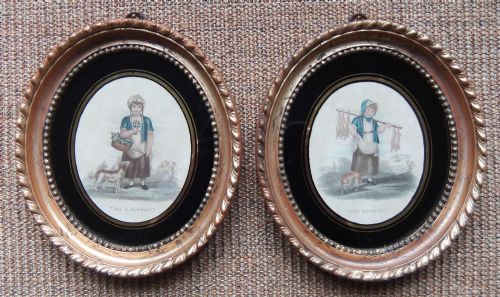
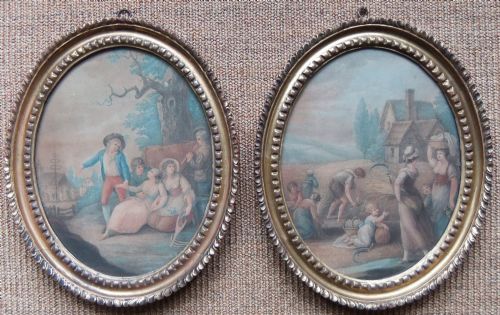
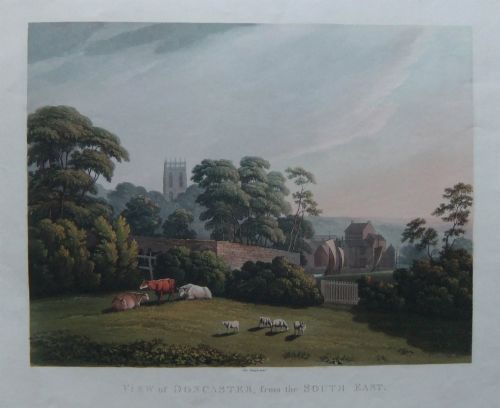
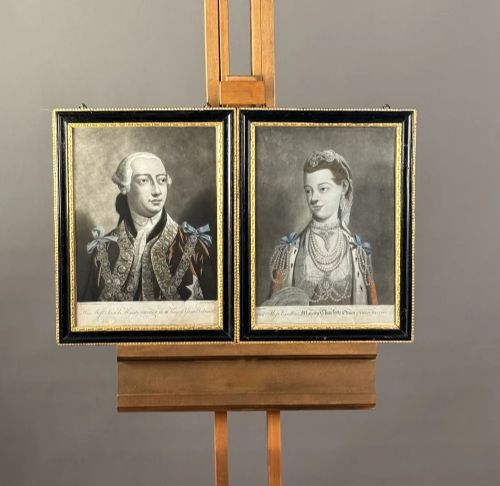
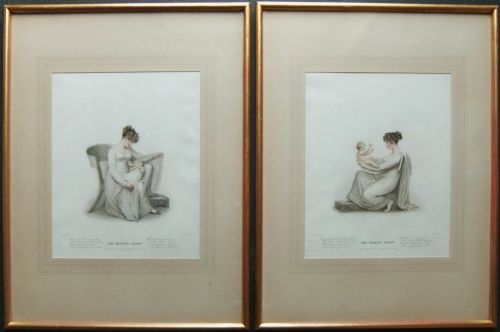
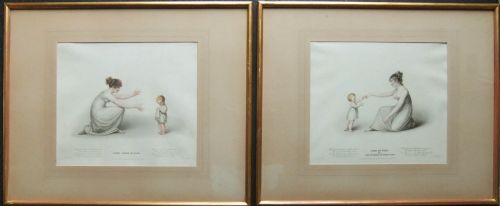
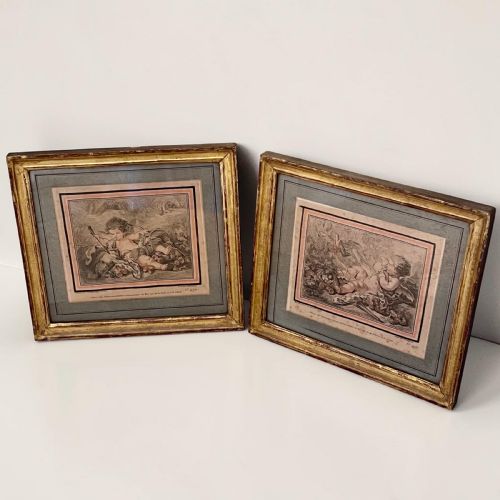
When you search for an engraved art pair, you encounter matched sets of framed prints, mezzotints, and etchings spanning the eighteenth and nineteenth centuries. These works include royal portraits, classical scenes, animal studies, and architectural views designed to hang together as a pair.
The selections most frequently met on this page include Georgian and Regency portrait pairs, alongside French engravings and nineteenth-century animal subjects. Domestic items such as crystal decanters and silver serving spoons also appear as matched sets.
Makers and artists represented range from eighteenth-century printmakers to nineteenth-century etchers, often framed in wood, gilt wood, or ebonised wood. Each matched pairing preserves historical imagery executed on paper or rendered through metalwork.
How they were made
Paper works rely on ink applied through line engraving, mezzotint, stipple engraving, or etching techniques. These methods allow artists to transfer detailed portraits and anatomical studies onto paper sheets.
Physical framing utilises wood, gilt wood, gold leaf, and ebonised wood to protect the works on paper. Metal items such as sterling silver serving spoons and crystal decanters employ smithing and optical glassblowing techniques.
Makers transfer fine lines and tonal gradients onto plates before pressing the ink onto paper sheets. Glass and metal objects receive direct hand engraving to label contents or ornament surfaces.
Engraved Art Pair Retail Price Guide 2026
Typical asking prices for engraved art pair among the pieces listed under this phrase on Sellingantiques today, from the lower quarter to the upper quarter. They describe what is for sale here now, not the wider market.
A rhinoceros skeleton anatomical engraving shares space with portraits of kings and queens.
What varies in quality
The quality of the framing materials, from simple wood mouldings to elaborate gilt wood and gold leaf surrounds, alters the visual weight of the matched pieces. Original frames maintain the historical context of the paper works.
In metal and glass items, the weight of the sterling silver and the precision of the hand-engraved lettering dictate the standard of craftsmanship. Crystal decanters show refinement through optical glassblowing clarity.
Thomas Frye·Richard Purcell·Adam Buck·Jacobus Houbraken·Robert Sayer·James Powell·Pierre Buillon·Henri Chatillon·Herbert Dicksee·Hans Holbein·Bartolozzi·Henry Wilkinson
The Engraved Art Pair Glossary
- Mezzotint
- A printmaking process where the copper plate is roughened to produce rich tones and subtle gradations of light and dark. This technique creates velvety dark backgrounds suited for portraits.
- Stipple engraving
- A method of producing prints by building up images with small dots rather than continuous lines. Artists use this to render soft skin textures and fabrics.
- Etching
- A technique where acid bites into metal plates to form the lines that hold ink for printing. The resulting prints capture fine illustrative detail.
- Ebonised wood
- Timber treated with a finish to imitate ebony wood, producing a dark black surface. This treatment appears frequently on nineteenth-century picture frames.
- Grand Tour
- The traditional travel itinerary undertaken by upper-class Europeans to view classical antiquities. Souvenirs from this period often include classical engravings.
Engraved Art Pair: Frequently Asked Questions
What is an engraved art pair?
An engraved art pair consists of two related prints, etchings, or mezzotints created to be displayed together. They often feature matching portraits, architectural views, or animal studies from the eighteenth and nineteenth centuries.
Collectors prize these matched sets for their balanced symmetry on a wall. The pairing maintains the original curatorial intent of the publisher or artist.
How were old engravings produced?
Printmakers worked directly onto metal plates using engraving tools, acid, or rocker blades to create textured surfaces that held ink. The inked plate was then pressed onto paper under heavy pressure.
This labor-intensive process allowed workshops to produce detailed runs of portraits and classical scenes. Skilled artisans often finished or hand-tinted the impressions afterwards.
How do I care for framed engravings?
Keep works on paper away from direct sunlight to prevent the ink and paper from fading over time. Maintain stable indoor humidity levels to protect both the paper and the wooden frames.
Display the pieces using UV-filtering glass if possible. Avoid hanging them in damp rooms like kitchens or bathrooms.
Are all pairs printed at the same time?
Most historical pairs were published together from the outset as companion pieces. Publishers frequently issued portraits of royal couples or contrasting allegorical scenes in tandem.
Checking the paper type and plate marks helps confirm that both items share the same printing era. Some matched sets bring together works published within a similar timeframe.