



English Yew Wood Furniture
English yew wood furniture brings rich golden grain and deep character to a room, offering sturdy seating and tables shaped by centuries of country craftsmanship.
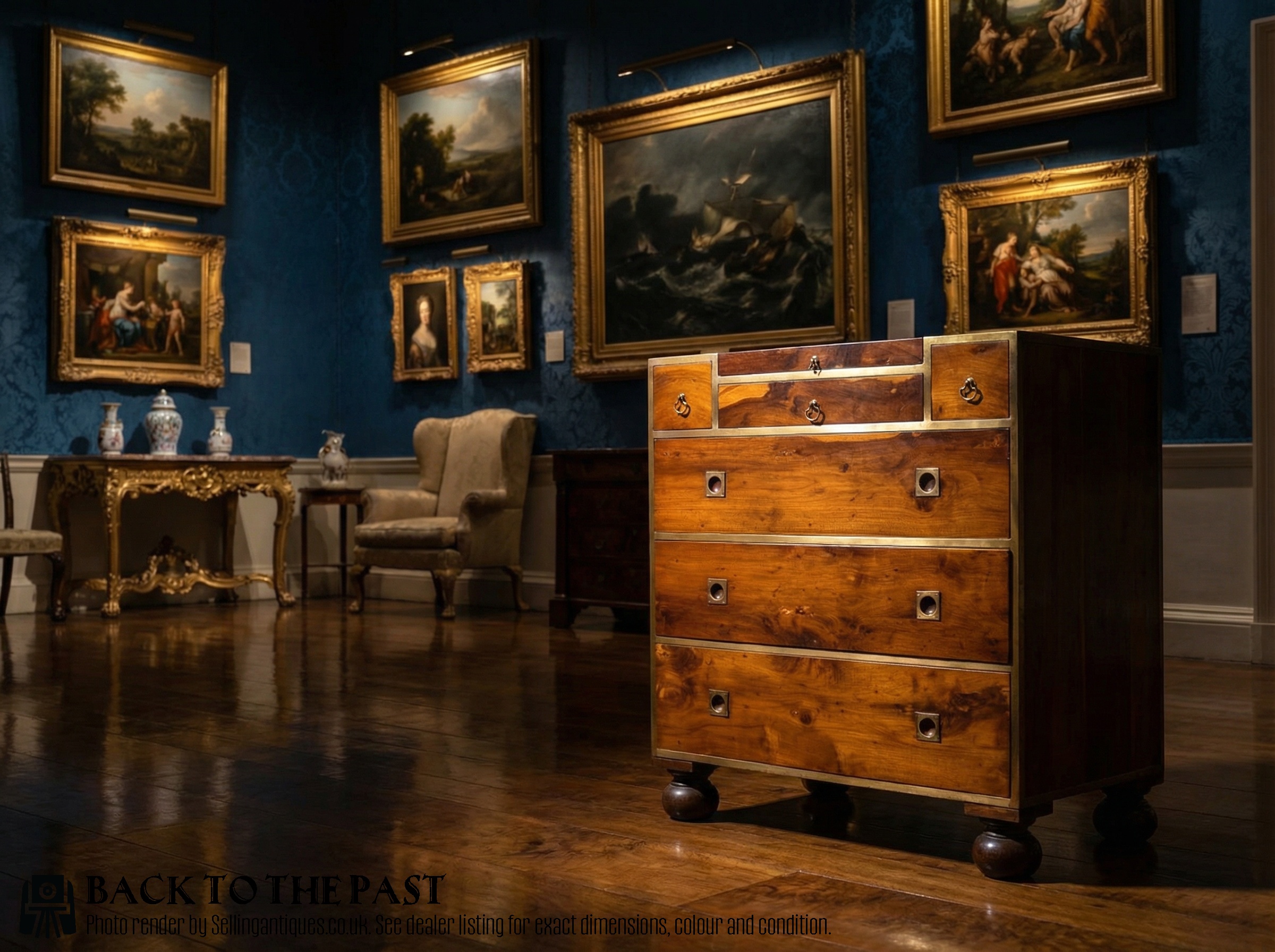
Understanding English Yew Wood Furniture
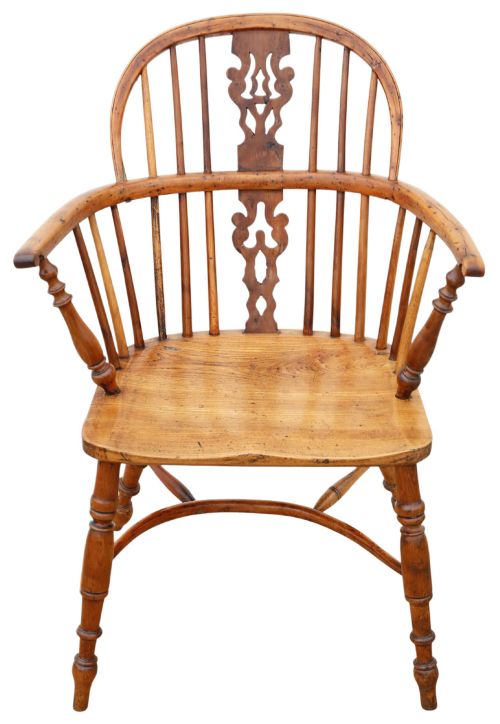
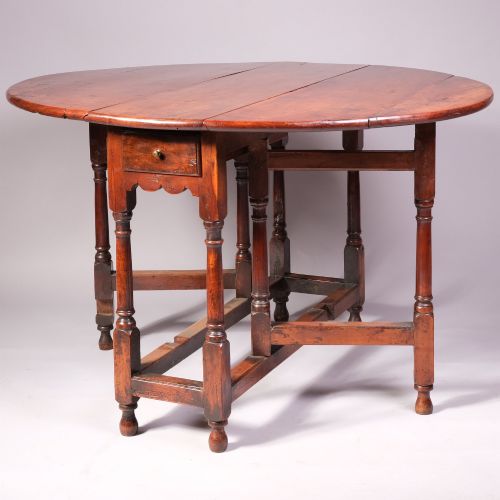
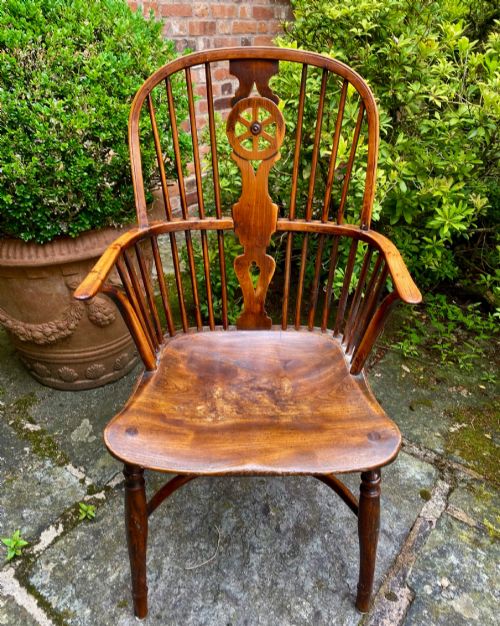
English yew wood furniture encompasses practical forms shaped largely for country interiors, spanning Windsor chairs, occasional tables, cabinets and small stools. When searching for english yew wood furniture, a buyer meets seating most frequently, particularly high and low back Windsor chairs alongside tripod tables.
The pieces appearing across our records bridge several distinct eras, stretching from the Georgian period through the nineteenth century into early twentieth-century revivals like George V and Jacobean styles. This broad timeline reflects the enduring appeal of native yew, which makers valued for its striking visual figure and resilience.
Materials and Construction
Makers built these pieces primarily from native yew wood, frequently combining it with elm, fruitwood and brass fittings to achieve durable construction. Turning techniques shaped the legs and spindles of chairs and stools, while solid timber formed the tops of occasional tables and serving cabinets.
Joinery methods relied on traditional country woodworking practices, ensuring stability in heavy-use items such as Windsor armchairs and tripod tables. Brass mountings appeared on specialised items like serving cabinets, adding functional reinforcement alongside decorative contrast.
Retail Price Guide 2026
Typical UK retail prices for english yew wood furniture, calculated from the Sellingantiques database of over a million retail prices indexed since 2003. This retail price guide relies exclusively on Sellingantiques data; no external sources or auction records are used, so the figures do not describe the wider market.
Recorded materials include yew wood, elm, fruitwood and brass, spanning the Georgian period, the nineteenth century, and early twentieth-century styles.
Judging Quality and Character
Quality in these items rests upon the natural figuring of the timber and the strength of the original construction rather than uniform perfection. Pieces featuring richly patterned yew grain combined with complementary secondary woods like elm display a superior visual depth.
The finesse of the turned elements, from chair spindles to table legs, distinguishes finer examples from heavier utility items. Original surface patination and honest signs of age elevate an object, showing how the timber has mellowed over generations of use.
The English Yew Wood Furniture Glossary
- Windsor chair
- A wooden chair featuring a solid saddle-shaped seat into which the back and legs are directly wedged. These chairs often combine yew and elm.
- Brass bound
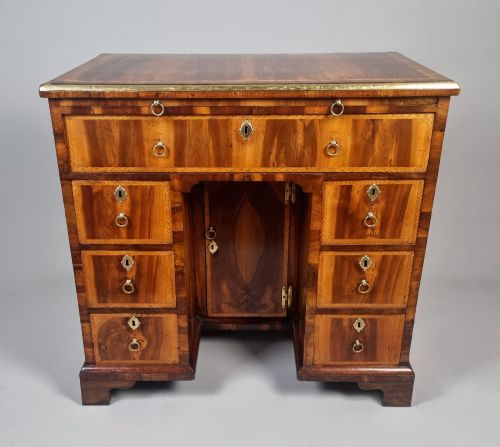
- A descriptor for furniture featuring protective or decorative brass bands along edges or corners. This treatment appears on serving cabinets.
- Lacemakers stool
- A low seating form designed for traditional hand-craft work. Examples in the record feature turned legs and yew wood construction.
Frequently Asked Questions
How do I date a Windsor chair?
Dating relies on examining construction methods, tool marks and the species of timber used in the undercarriage and seat. Earlier examples often show more tapered spindles and distinct saddle carving.
Comparing the turned leg profiles and stretcher arrangements against documented period styles helps narrow down the decade of manufacture.
Where were these pieces used?
Most of these items originated in rural and domestic settings, serving practical daily functions in farmhouses and country cottages. Windsor chairs sat around farmhouse tables, while tripod tables held lamps or books.
Cabinets and specialised stools fulfilled specific storage and utility roles within the traditional English interior.
Does yew furniture require special care?
Keeping the wood away from direct heat sources and strong sunlight preserves the natural colour and prevents the timber from splitting. Regular dusting and occasional application of appropriate wax maintain the surface finish.
Gentle handling ensures that historic joints and turned elements remain stable over time.