


English Yew Wood Chair
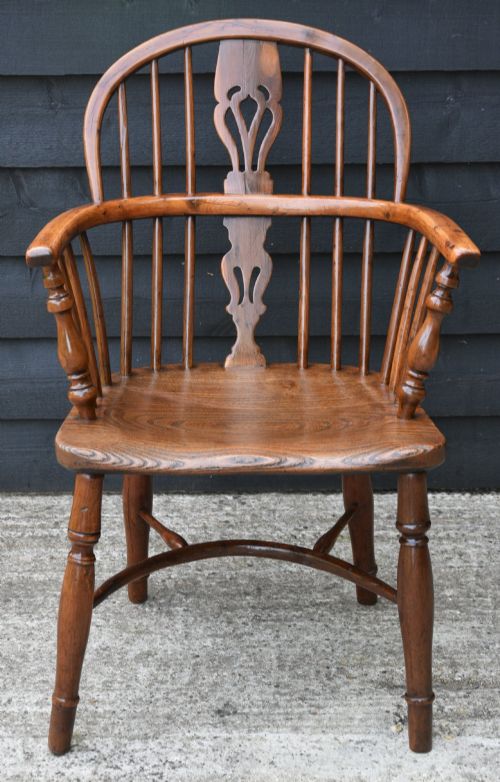
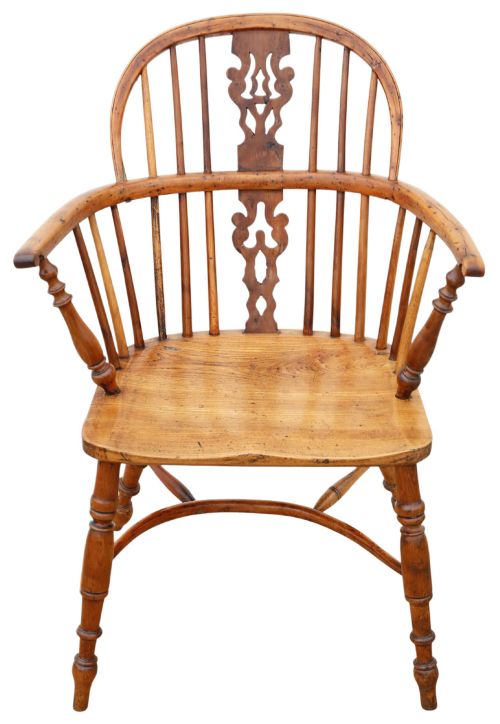
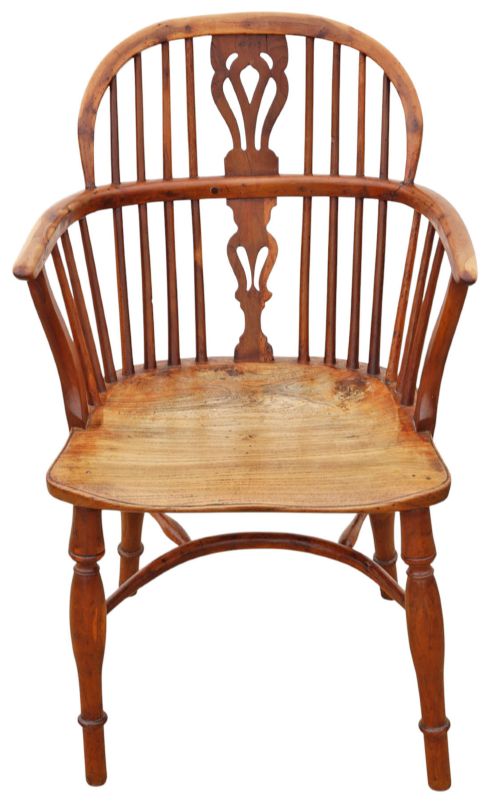
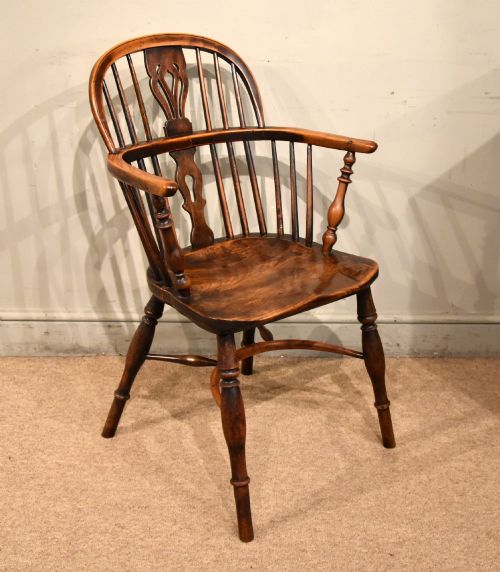
An english yew wood chair brings the warmth of country craftsmanship and deeply figured timber directly into a room.
English Yew Wood Chair
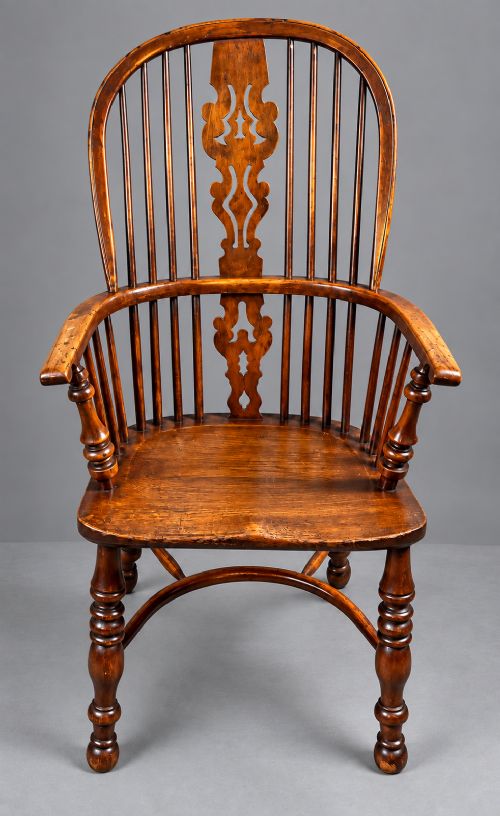
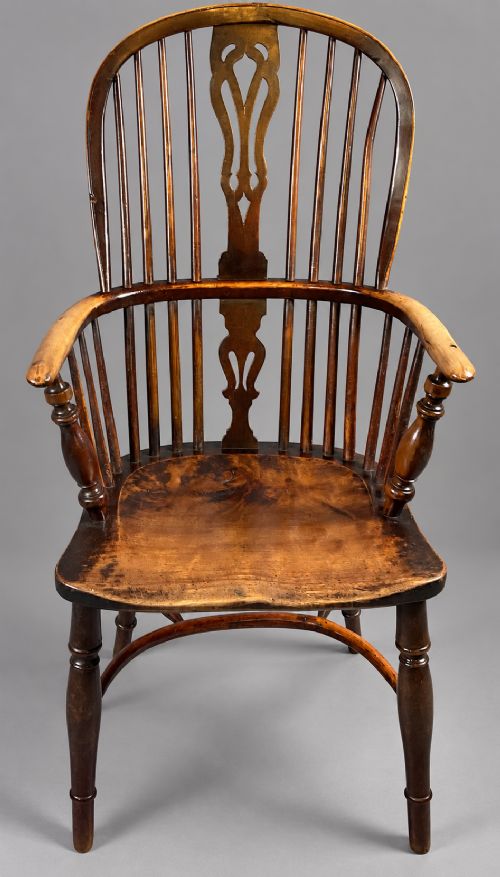
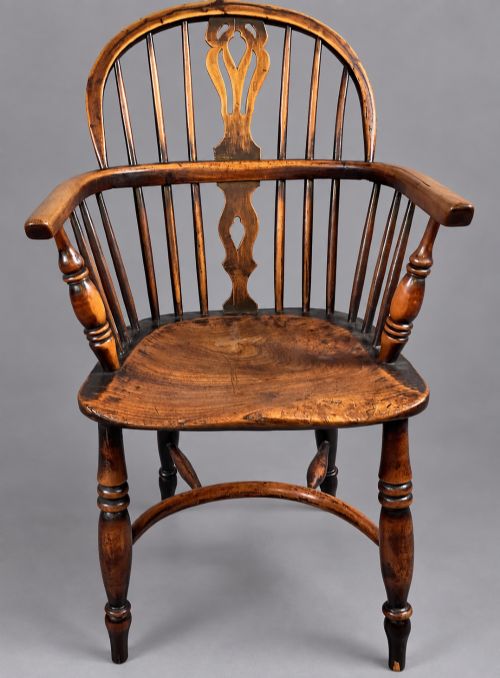
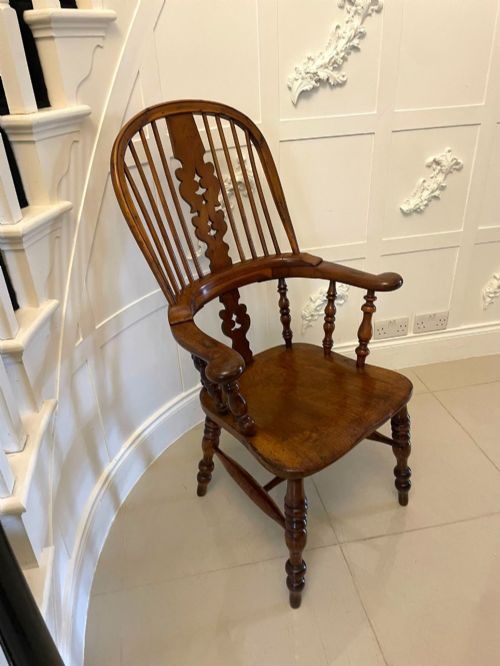
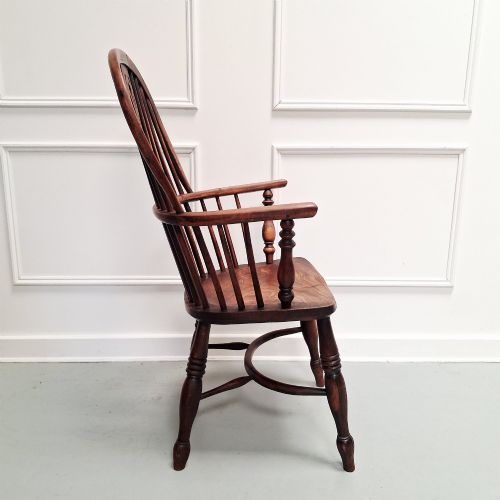
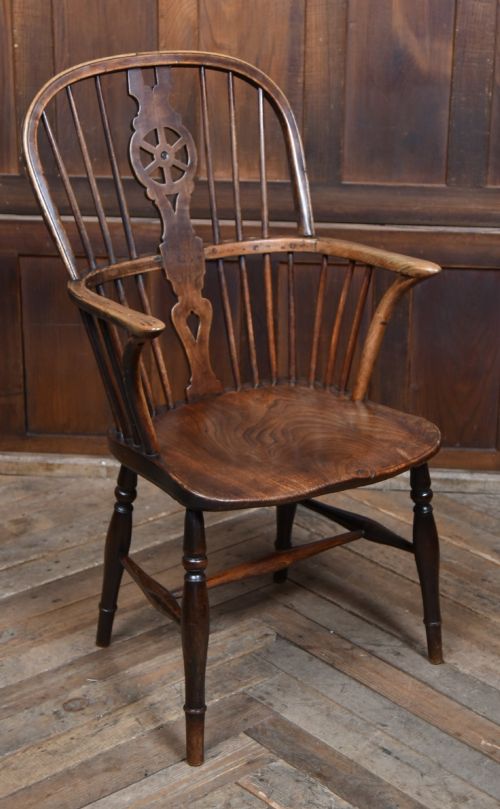
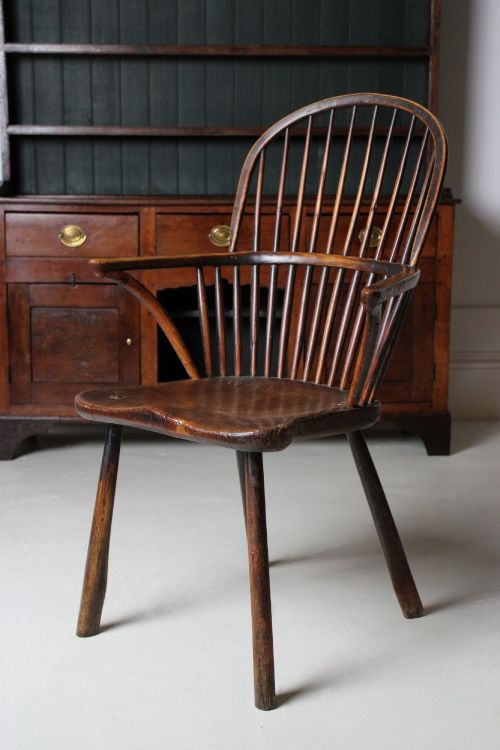
An english yew wood chair typically takes the form of a Windsor armchair, combining regional vernacular design with robust country seating. These pieces emerge predominantly from the eighteenth and nineteenth centuries, spanning Georgian and Victorian eras of domestic production.
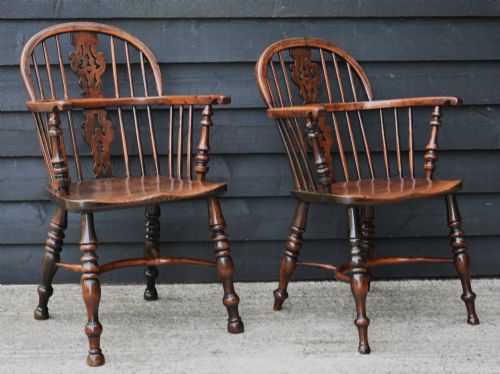
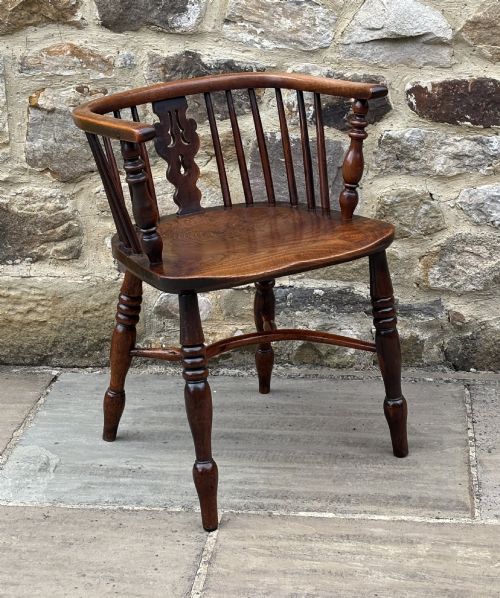
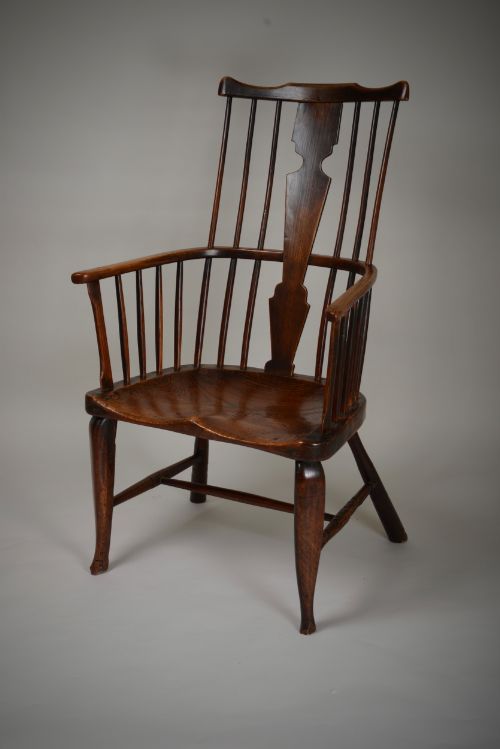
The selection centres heavily on comb-back, hoop-back, and high-back Windsor armchairs, often paired with elm seats and supported by crinoline stretchers. Makers across English provincial districts, including the Thames Valley and workshops in Worksop, produced these sturdy domestic forms for everyday farmhouse and country house use.
How they were made
Makers utilised a combination of native timbers, pairing figured yew wood for the bentwood bows and spindles with solid elm for the sculpted seats. Additional structural elements frequently incorporate ash, beech, and oak to provide rigid underframing and turned legs.
Construction relies on traditional stick-built joinery where spindles and legs fit into bored holes within a solid wooden seat block. Steam bending shapes the characteristic hoops and arms, while comb-back variations integrate a central splat carved from burr timber.
Provincial workshops across the Thames Valley and Worksop produced distinct regional variations.
What varies in quality
The distinction between standard examples and superior pieces rests on the grain configuration and the richness of the yew timber utilised in the bow. Highly figured timber with deep reddish-brown tones elevates the visual impact of the chair.
Proportion and structural retention also dictate standing, with well-balanced arm supports and intact crinoline stretchers marking out finer provincial work. Maker stamps or regional attribution add historical weight to specific Windsor forms.
J Spencer·Gabbitass Worksop·John Brand of Sleaford
The English Yew Wood Chair Glossary
- Windsor chair
- A wooden seating form featuring a solid carved seat into which the legs and back spindles are directly tenoned. These chairs rely on a stick-built construction method rather than a traditional frame.
- Crinoline stretcher
- A curved underframe brace linking the legs of a Windsor chair to provide structural rigidity. It often takes a sweeping loop shape reminiscent of a hooped petticoat.
- Comb back
- A Windsor chair back design where the vertical spindles rise to support a horizontal top rail resembling the teeth of a comb. This style frequently incorporates a central decorative splat.
- Hoop back
- A continuous bentwood rail forming both the arms and the upper back of an armchair. Steam is applied to render the timber flexible enough to shape into this sweeping curve.
- Broad arm
- An armchair featuring widened, flat wooden armrests designed for writing or comfort. These generous arms are pinned directly to the seat and back spindles.
English Yew Wood Chair: Frequently Asked Questions
How do I spot a Thames Valley chair?
Thames Valley pieces often display characteristic comb-back designs with finely turned spindles and substantial yew wood components.
They represent some of the most refined vernacular seating produced in English provincial workshops during the eighteenth century.
Why are elm seats paired with yew?
Elm provides a tough, interlocking grain that resists splitting when the legs and spindles are driven into the seat.
Yew offers high flexibility for steam-bent hoops alongside a striking decorative grain that enhances the upper portion of the chair.
Are crinoline stretchers structurally important?
These curved braces tie the legs together to prevent lateral movement and distribute weight evenly across the underframe.
Their presence indicates a more complex assembly method typical of higher quality nineteenth-century Windsor production.
How should I care for yew wood?
Keep wooden seating away from direct heat sources and sudden humidity shifts to prevent timber shrinkage or cracking.
Apply a traditional wax polish occasionally to maintain the natural lustre of the grain without sealing the surface.