


English Wood Box
An english wood box brings centuries of domestic storage into a room, offering small containers and large coffers fashioned from robust timber.
English Wood Box
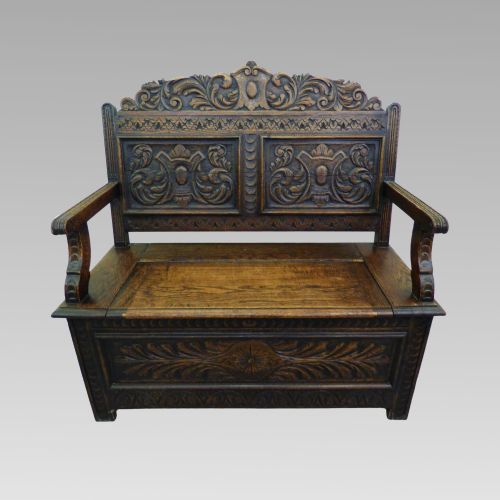
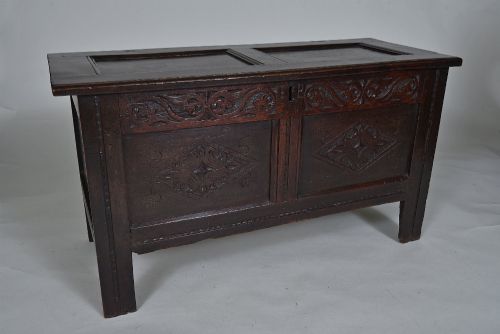
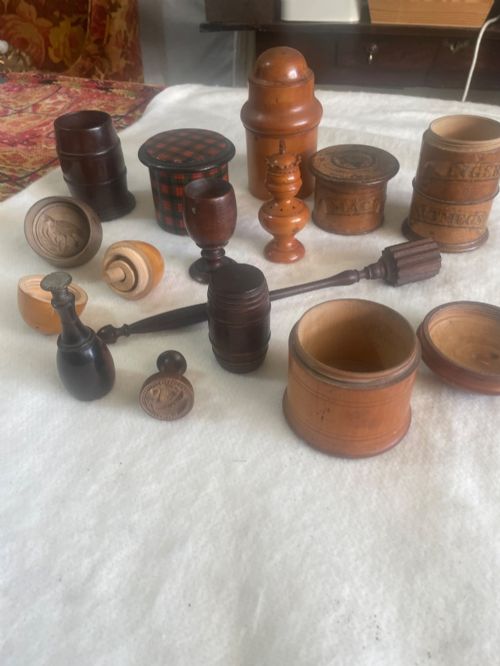
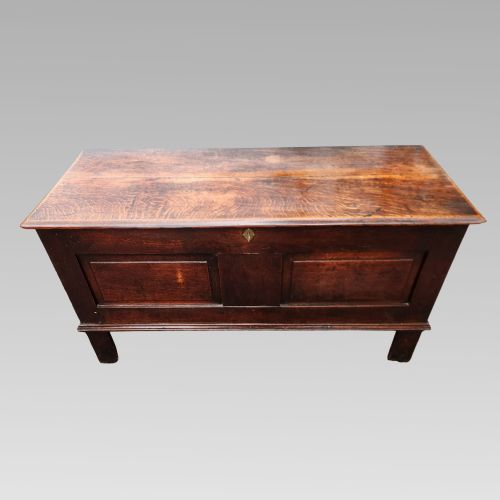
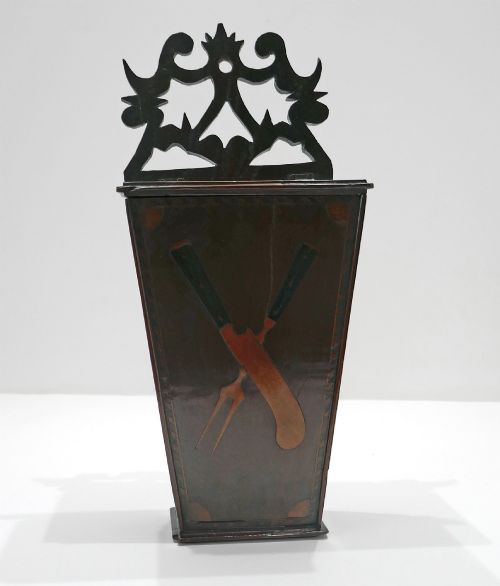
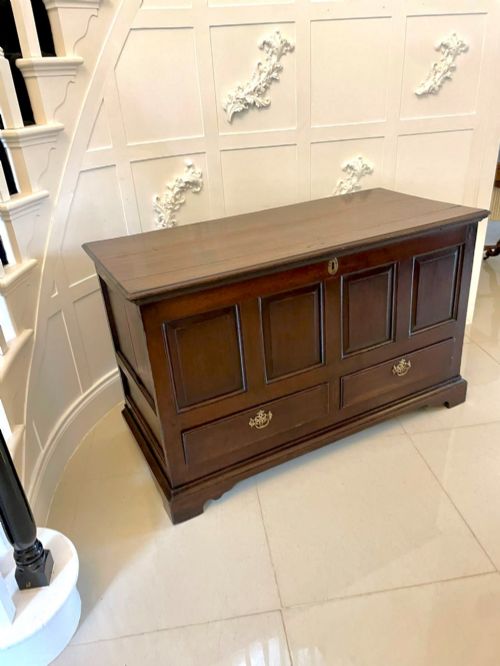
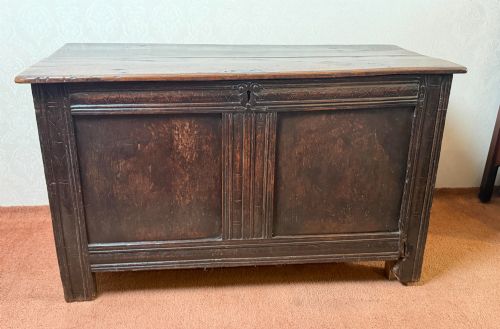
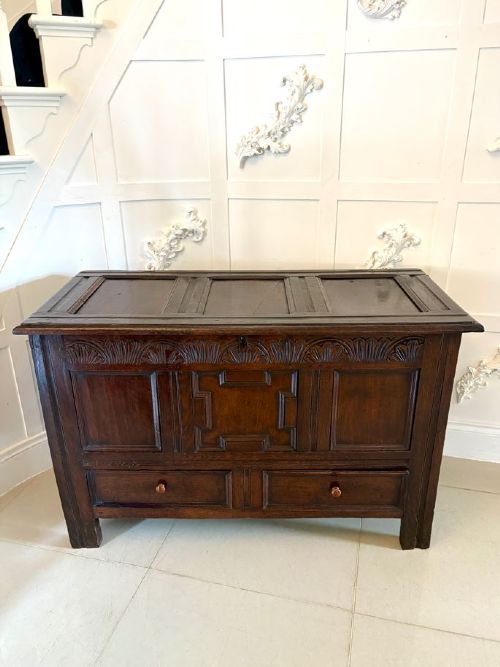
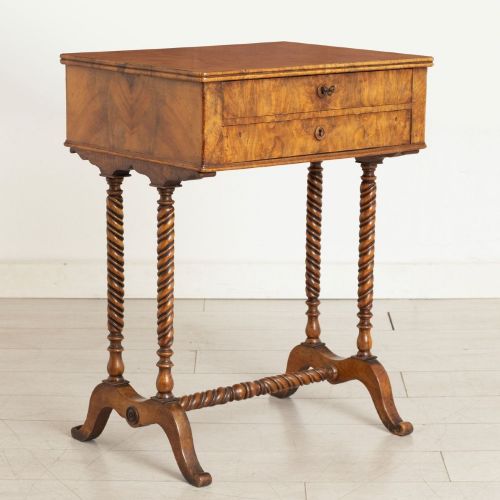
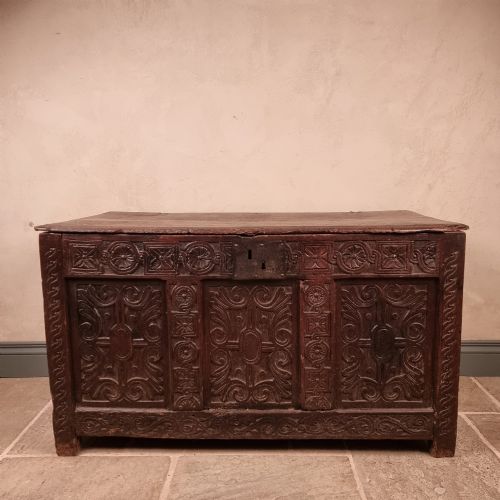
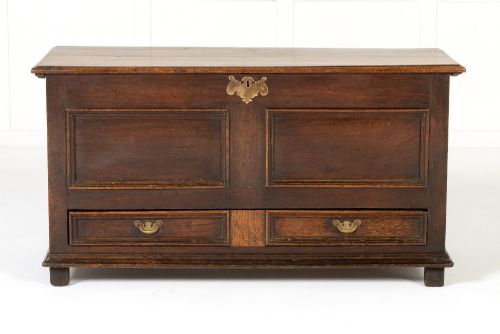
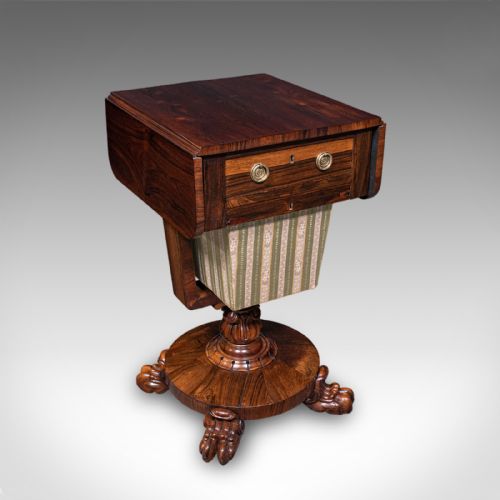
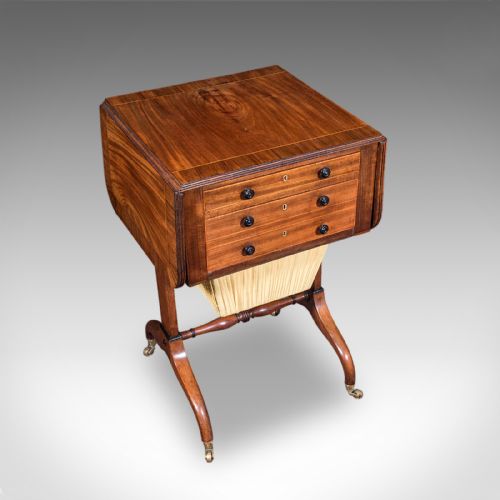
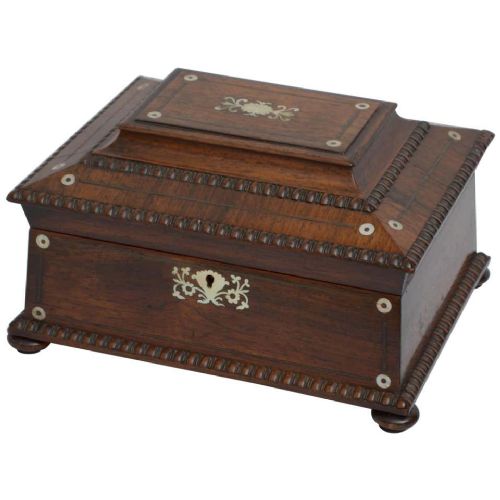
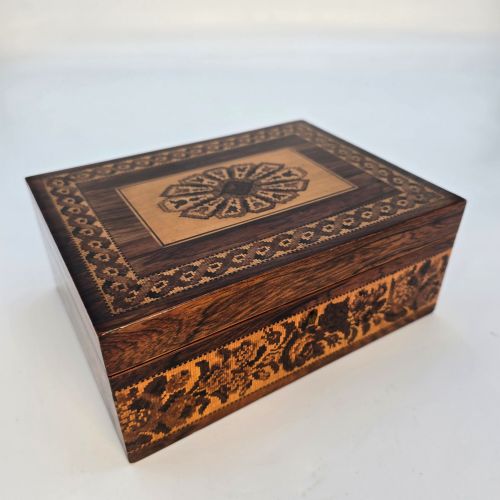
When searching for an english wood box, buyers encounter everything from intimate tabletop tea caddies and spice towers to substantial seventeenth-century oak coffers and mule chests. The domestic items span Georgian cutlery boxes, Regency rosewood tea-poys with brass inlay, and intricate Victorian Tunbridge ware trinket boxes.
The selections on this page lean heavily towards sturdy seventeenth-century oak storage pieces alongside nineteenth-century personal containers. Smaller items such as fruitwood tobacco jars and satinwood miniature chests sit alongside larger seating and storage combinations like lambing chairs and sewing tables.
Materials and Technique
Cabinetmakers utilised native and exotic timbers including oak, walnut, mahogany, rosewood, and fruitwood to construct these containers. Surface decoration relied on contrasting boxwood and ebony inlays, alongside the meticulous geometric mosaic work seen in Tunbridge ware.
Metal elements such as brass hinges, escutcheons, and stringing provided functional reinforcement and visual contrast to the polished timber surfaces. Structural joinery for the earlier chests depended on traditional pegged framing and robust hand-carving directly into the solid wood.
English Wood Box Retail Price Guide 2026
Typical asking prices for english wood box among the pieces listed under this phrase on Sellingantiques today, from the lower quarter to the upper quarter. They describe what is for sale here now, not the wider market.
Distinctions in Execution
The distinction between standard containers and finer works rests on the precision of the timber selection and the complexity of the surface ornamentation. Burr veneers, intricate marquetry panels, and well-executed brass inlay separate standard utility pieces from high-status decorative objects.
Structural integrity and the retention of original hardware govern the standing of earlier pieces. Items that retain their fitted interior compartments, original locks, and unblemished surface patination command greater appreciation among collectors.
A. F. Lloyd·Edmund Nye·Henry Hollamby
The English Wood Box Glossary
- Coffer
- A large wooden chest used for domestic storage, often constructed with heavy frame-and-panel techniques in the seventeenth century.
- Tea Caddy
- A small container designed specifically to store loose tea leaves securely, frequently featuring interior subdivisions and a lock.
- Tunbridge Ware
- A form of decorative woodwork originating from Kent, characterised by tiny mosaic tiles assembled to create pictorial or geometric surface patterns.
- Treen
- Small handmade wooden household objects produced before the widespread adoption of mass manufacturing.
- Mule Chest
- A storage chest fitted with one or more drawers at the base beneath the main interior compartment.
English Wood Box: Frequently Asked Questions
What is an english wood box used for?
These containers served practical domestic functions such as storing tea, cutlery, sewing implements, and personal valuables.
Today they function as decorative accent pieces and functional storage containers for contemporary living spaces.
How do I date an antique oak coffer?
Dating relies on observing construction methods, such as hand-cut pegged joinery, tool marks, and the style of any carved ornamentation.
Earlier pieces from the seventeenth century display simpler, heavier framing while later iterations incorporate refined mouldings and applied panels.
What makes Tunbridge ware different?
Tunbridge ware utilises thousands of tiny tinted wood blocks arranged by hand to form detailed mosaic pictures on the surface.
This technique creates characteristic geometric borders and pictorial scenes depicting castles, butterflies, or floral motifs.
How should I care for antique wood?
Maintain stable indoor humidity levels and keep wooden items away from direct sunlight and extreme temperature fluctuations.
Apply occasional appropriate wax polish to preserve the finish without sealing moisture into the aged timber grain.