
English Victorian Lamp
When choosing an english victorian lamp, you encounter pieces that illuminate historical interiors through functional design and enduring materials.
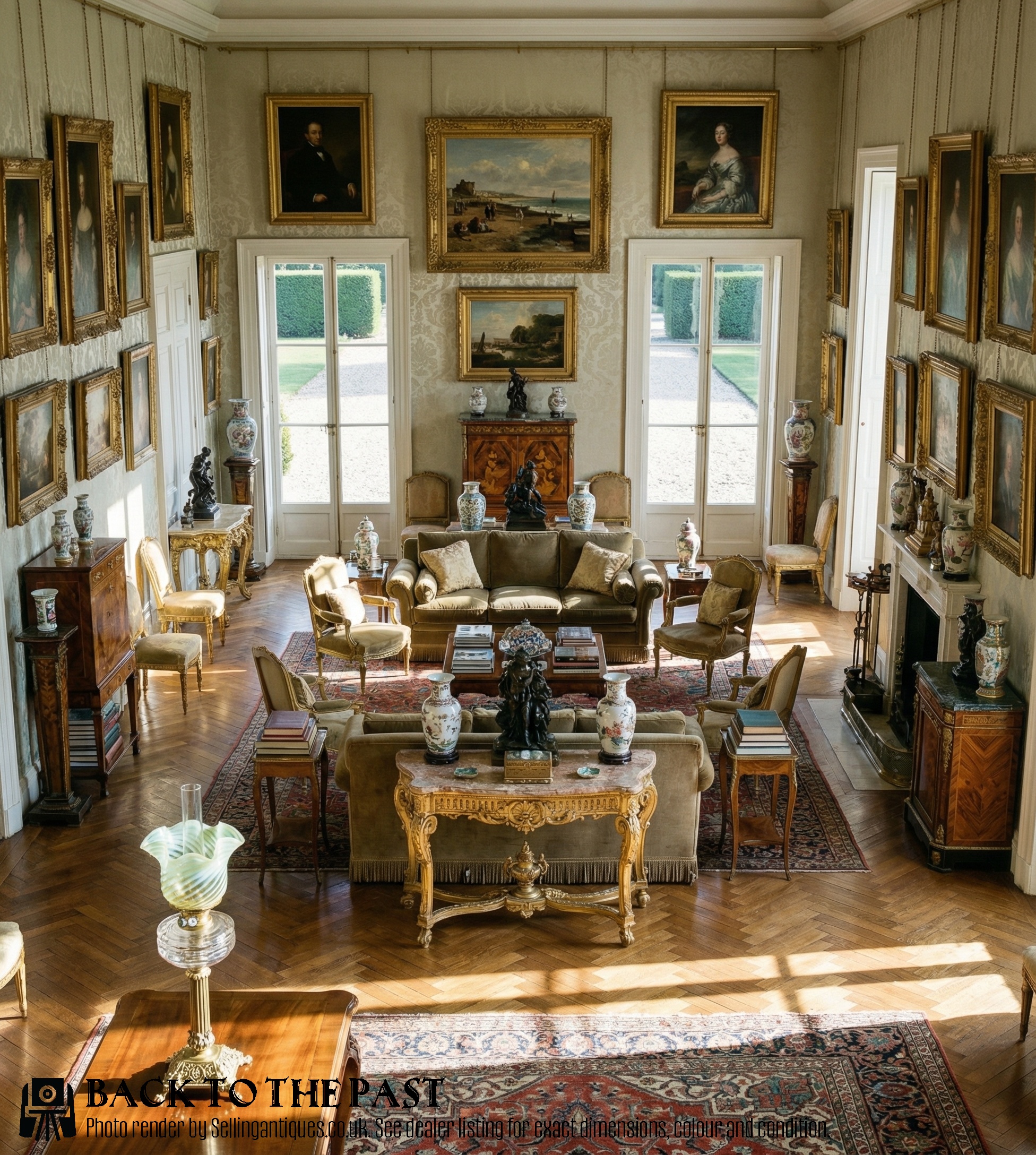
English Victorian Lamp
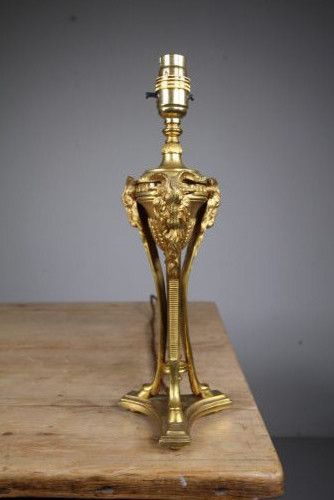
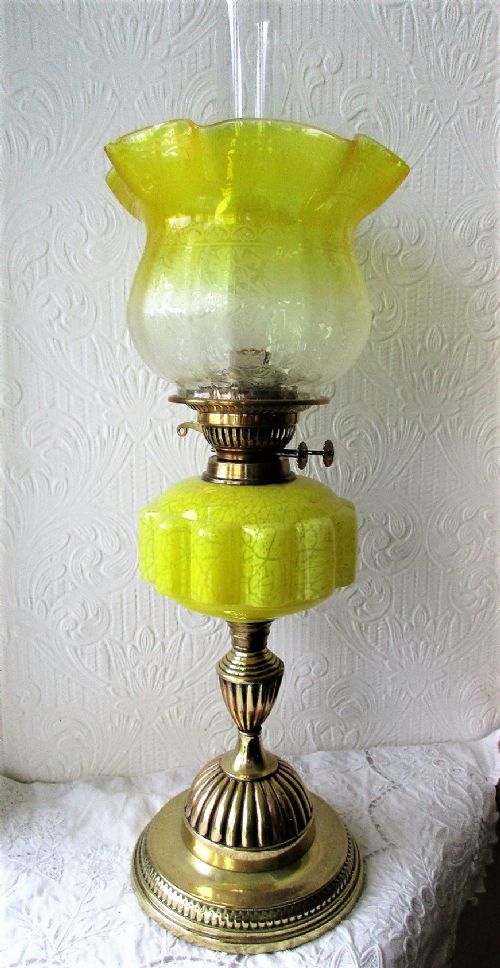
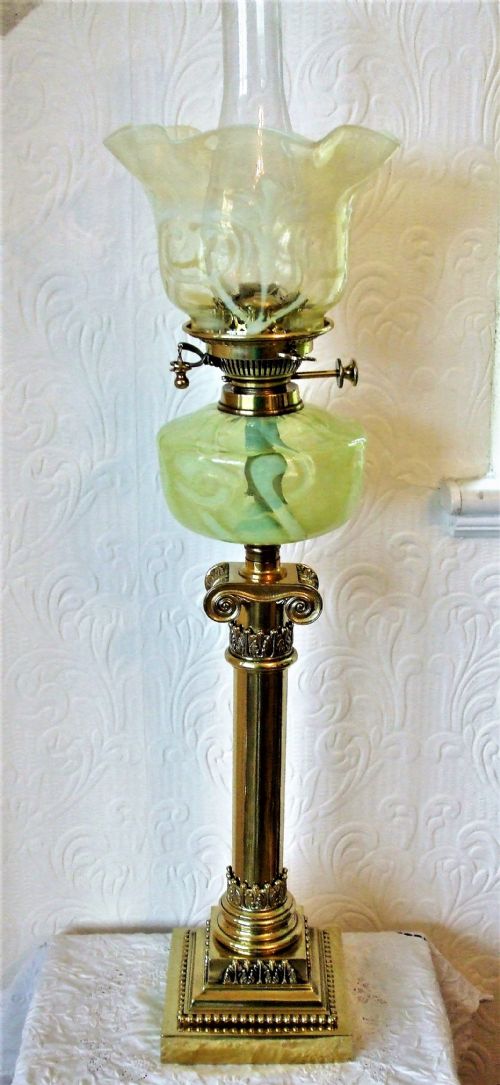
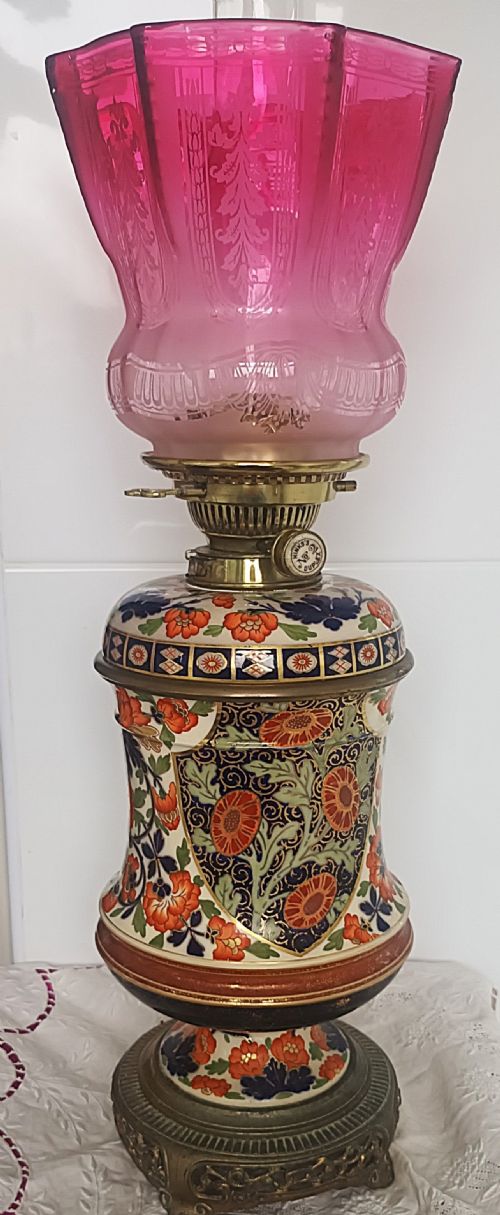
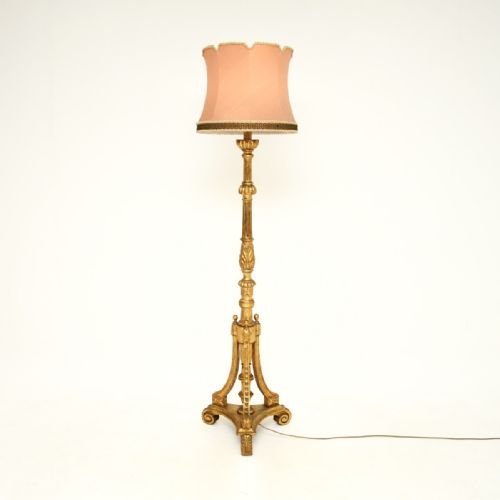
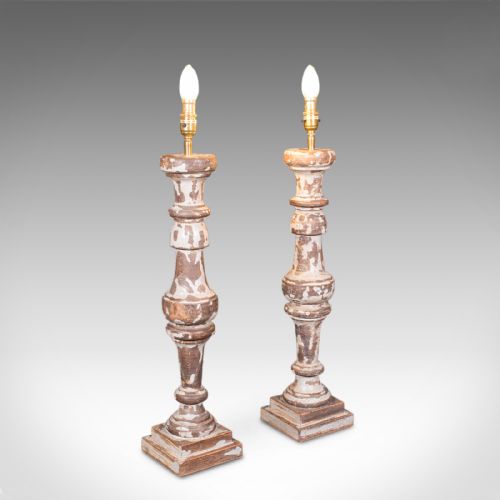
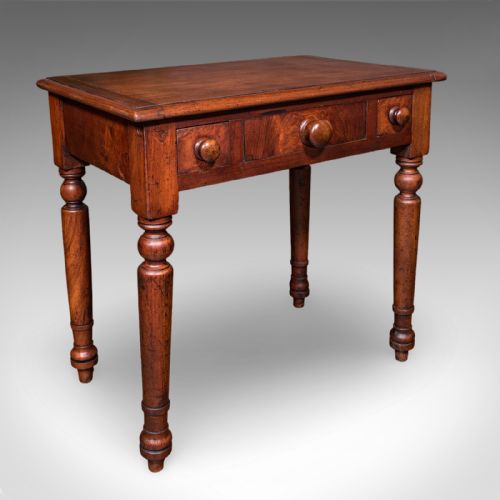
An english victorian lamp encompasses functional oil lighting units alongside small tables utilised to support them within domestic settings. Buyers encounter brass columns, ceramic fonts, and wooden occasional stands designed for nineteenth-century rooms.
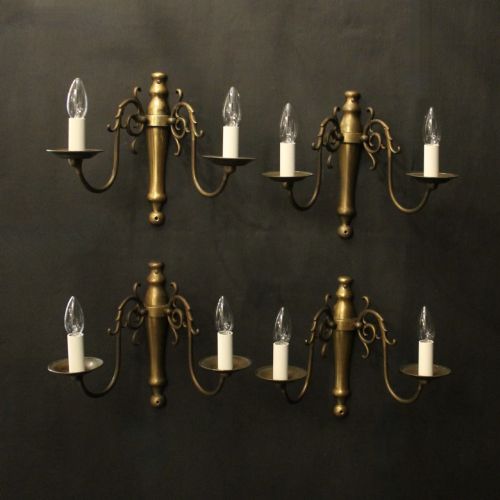
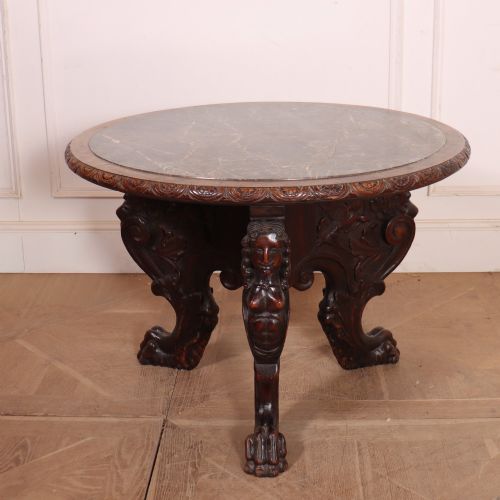
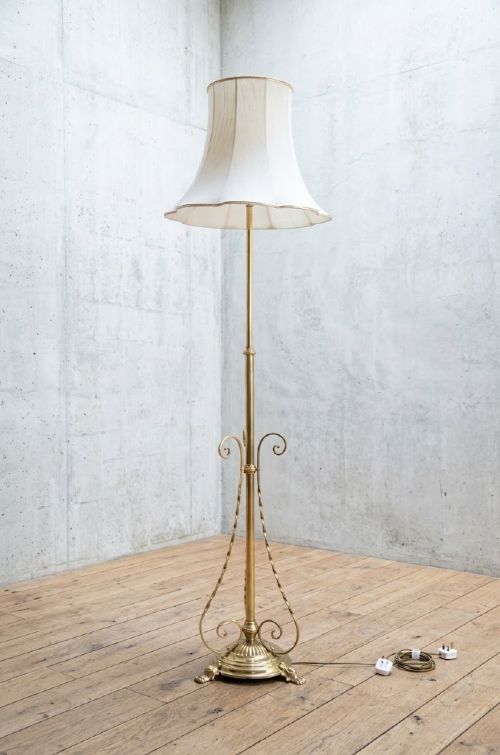
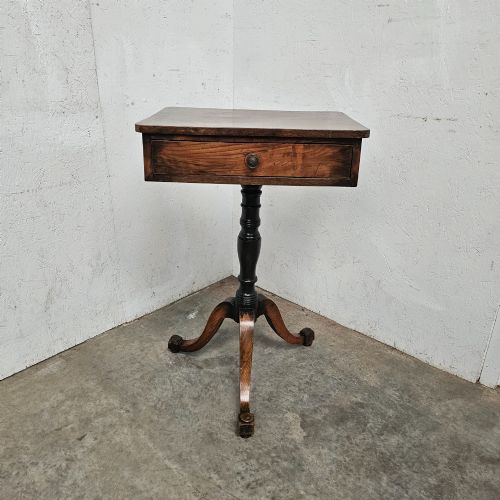
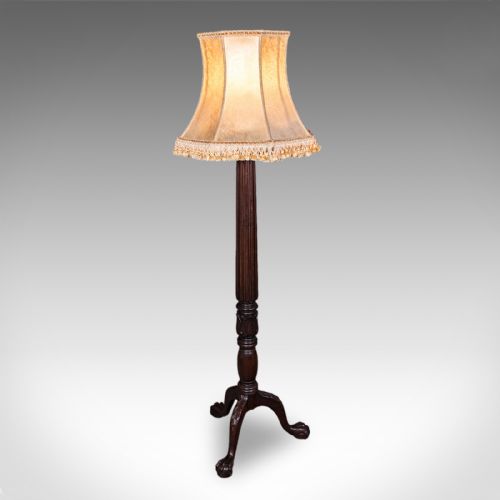
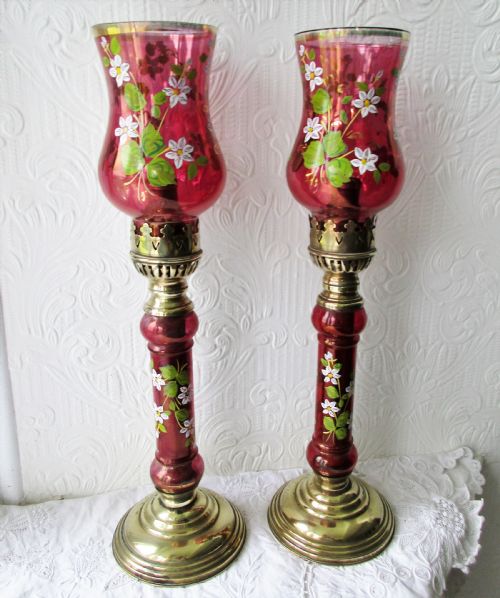
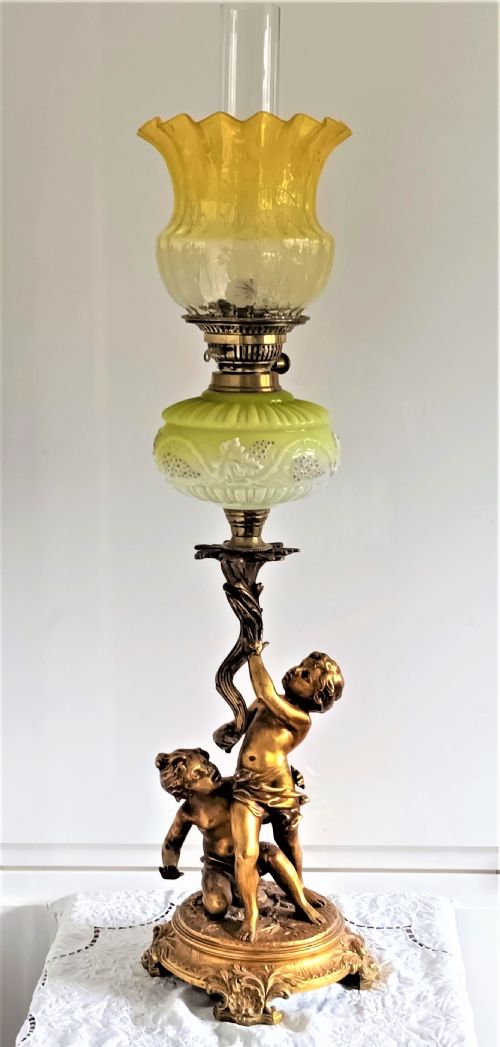
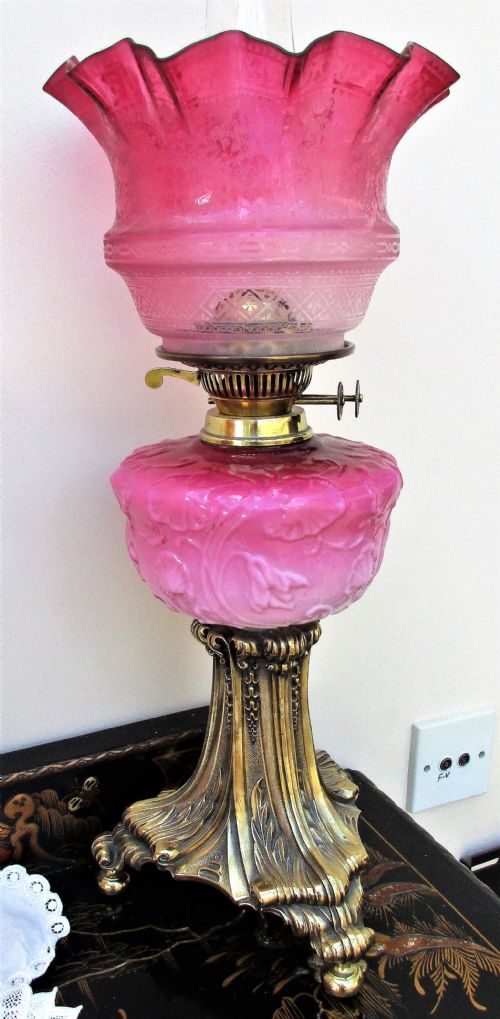
The surviving forms range from adjustable standard floor lamps and wall lights to tabletop oil burners featuring cranberry or opaline glass reservoirs. Small occasional and wine tables frequently share this category due to their historical proximity to bedside and parlour lighting.
Origins trace directly to nineteenth-century British workshops, spanning early Victorian periods through the turn of the twentieth century. These objects reflect the changing domestic technology of domestic illumination and room furnishing.
Materials and Construction
Brass and bronze form the structural backbone of metal lighting fixtures, frequently paired with cast iron or copper for weighted bases and lanterns. Workshops utilised turning, casting, and repoussé techniques to shape columns, burners, and decorative mounts.
Glass production played a vital role, yielding coloured cranberry reservoirs, cut crystal columns, and opaline shades. Cabinetmakers constructed matching tables using mahogany, burr walnut, oak, and elm, employing traditional joinery like tripod bases and tilt mechanisms.
Gilding and ormolu finishes appear across metallic surfaces, while ceramic elements from makers like Hinks or Taylor Tunnicliff integrate directly into font assemblies.
Candlemakers apparently needed tiny desks too, judging by the occasional surviving scholar's table built explicitly for small spaces.
Assessing Standards
Quality rests upon the weight of the metal castings and the crispness of chased or carved ornamentation. Superior examples display substantial brass or bronze components, intricate Corinthian capitals, and unblemished glass reservoirs without interior clouding.
Timber selection distinguishes ordinary tables from exceptional ones, with burr walnut and figured mahogany showing deliberate grain matching and stable tripod construction. The integration between burner mechanisms and original glass chimneys indicates higher manufacturing standards.
Hinks·Taylor Tunnicliff·WF Needham·Pugin
The English Victorian Lamp Glossary
- Column lamp
- A lighting fixture featuring a classical architectural shaft, often styled after the Corinthian or Ionic orders. These heavy metal bases provide stability for tall oil reservoirs.
- Cranberry glass
- A rich red glass created by adding gold chloride to the molten batch during nineteenth-century production. It appears frequently in oil lamp fonts and decorative shades.
- Tripod table
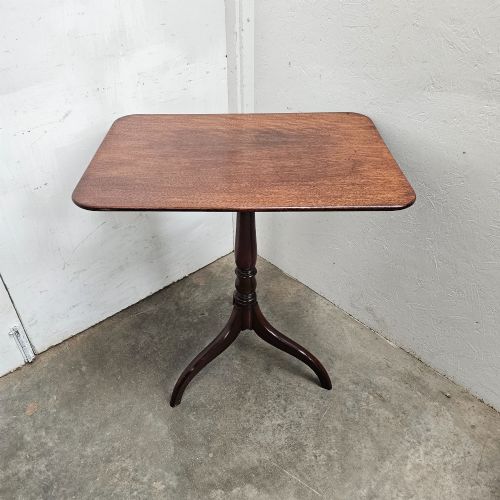
- A small occasional stand supported by three legs radiating from a central pillar. These were built to hold portable lamps beside armchairs or beds.
- Standard lamp
- A tall floor-standing lighting fixture designed to illuminate a larger area. Nineteenth-century versions often incorporate telescopic brass mechanisms for height adjustment.
- Tilt-top table
- A wooden stand equipped with a hinged mechanism allowing the tabletop to fold vertically when not in use. This conserved space in crowded Victorian drawing rooms.
English Victorian Lamp: Frequently Asked Questions
What is an english victorian lamp?
An english victorian lamp is a nineteenth-century lighting device, such as a brass oil burner or standard lamp, designed to illuminate domestic interiors.
These pieces utilise materials like cast brass, coloured glass, and ceramics to combine utility with decorative presence.
How were oil lamps used?
Oil lamps provided portable illumination across nineteenth-century rooms before widespread domestic electricity.
They stood on dedicated tables, mantelpieces, or floor stands, requiring regular trimming of wicks and replenishment of fuel.
How do I live with one?
Integrating these items into modern spaces involves placing them on sturdy side tables or utilising them as converted electric sources.
Their substantial metal and glass bodies anchor traditional and eclectic interior schemes alike.