
English Victorian Furniture
English victorian furniture brings together robust timbers and meticulous craft, offering sturdy utility and distinct period character for any interior.
English Victorian Furniture
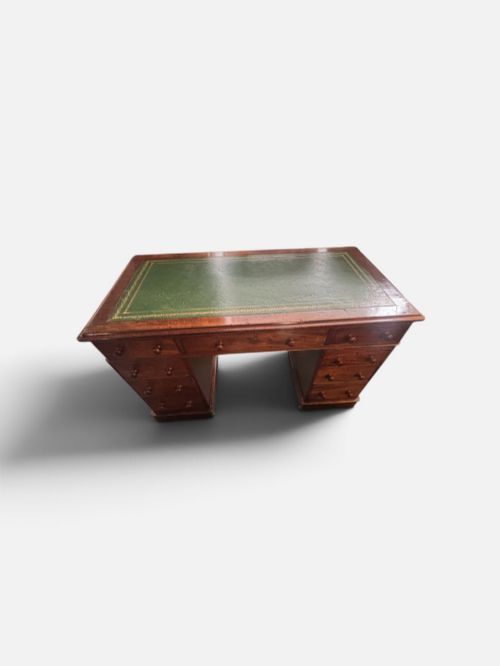
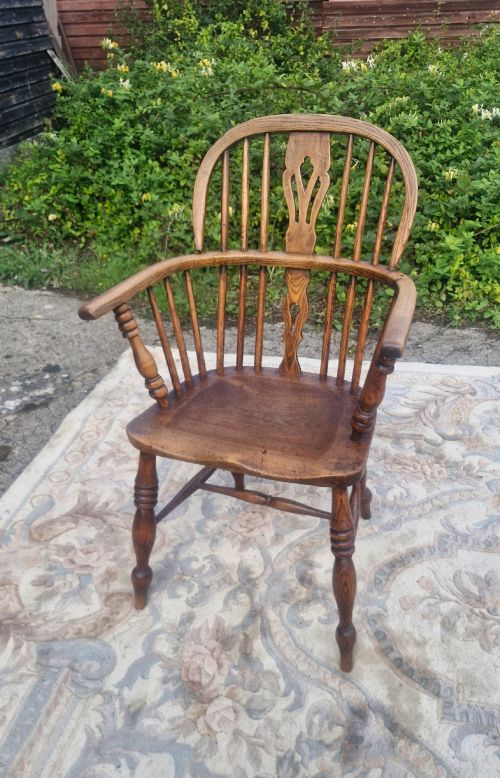
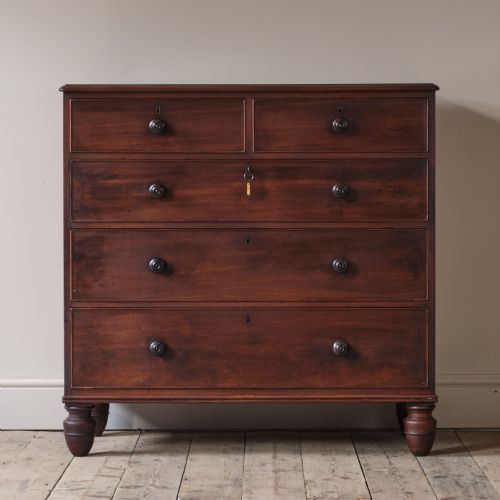
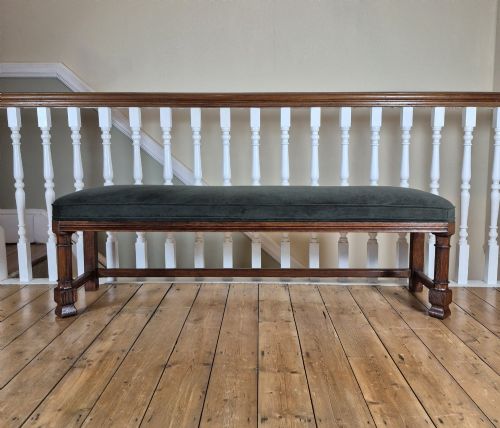
When searching for english victorian furniture, buyers encounter a diverse range of domestic items spanning seating, storage, and display forms produced during the nineteenth century. These pieces reflect the evolving tastes of the period, moving from heavy classical proportions to lighter revival styles and regional country variants.
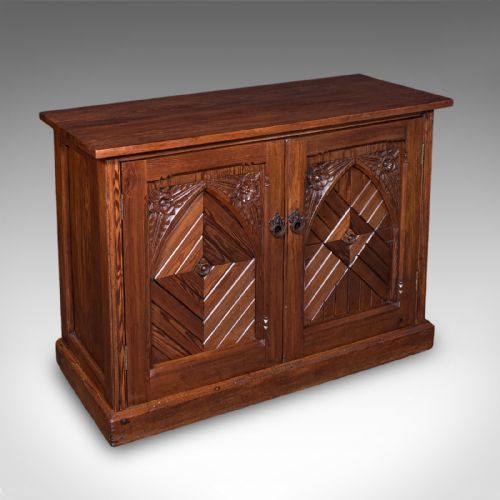
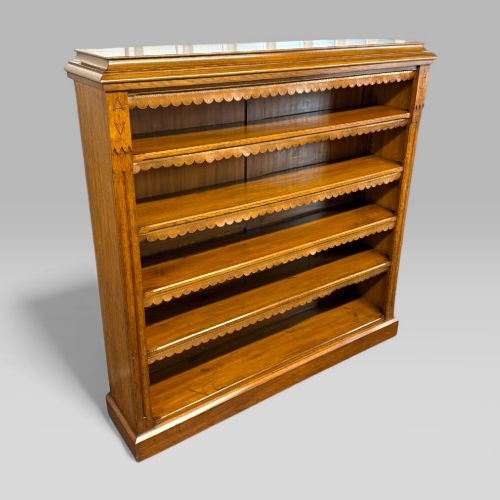
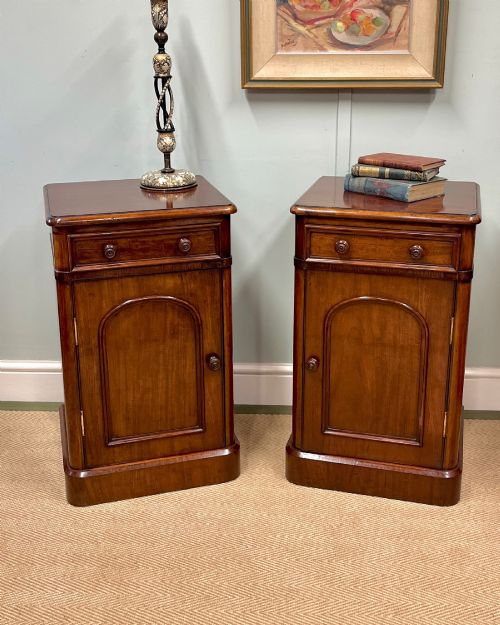
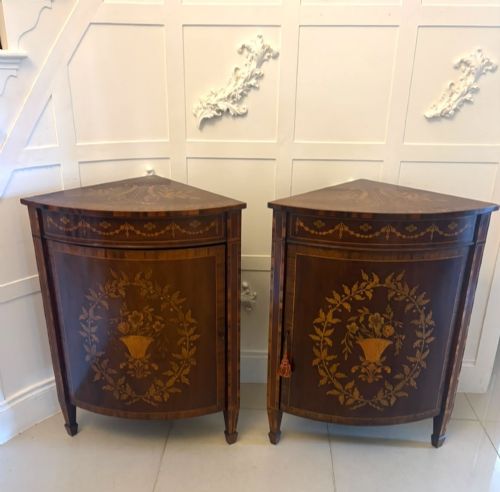
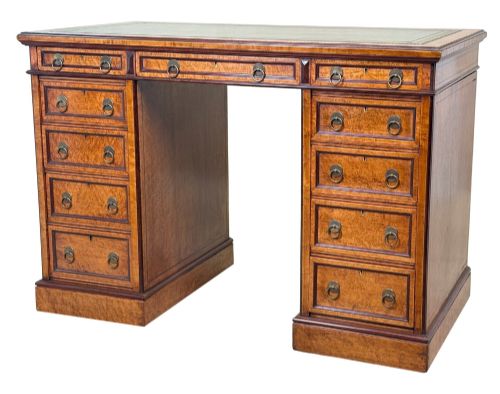
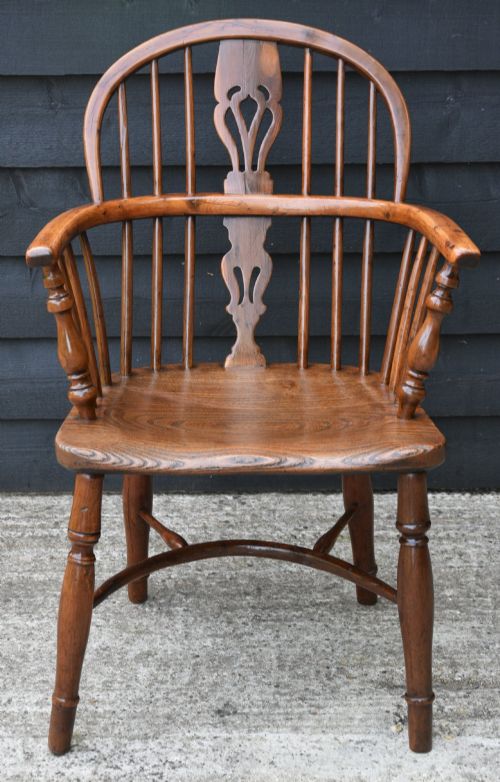
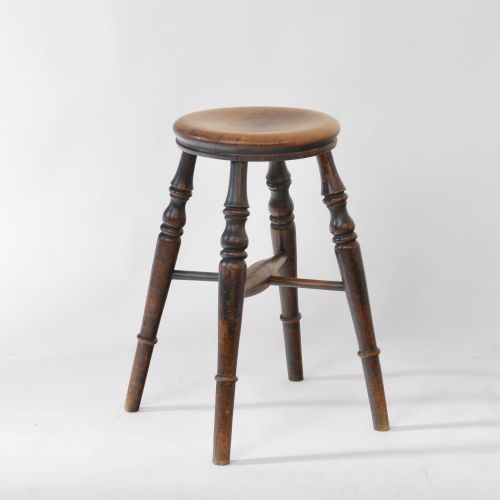
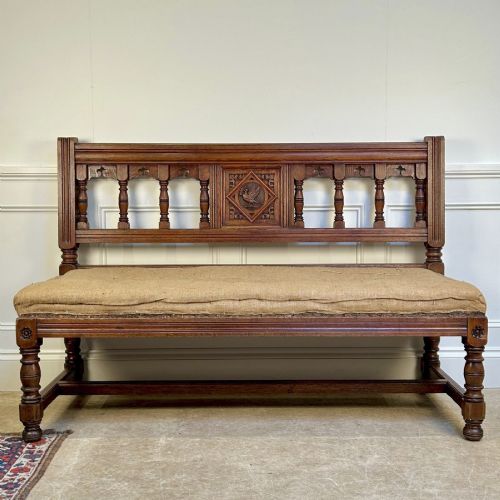
The selection on this page frequently includes chests of drawers, armchairs, benches, and sideboards executed in timbers such as mahogany, oak, walnut, and pine. Buyers will also find specialised items like canterpuries, corner cabinets, and library steps that served specific domestic functions in nineteenth-century households.
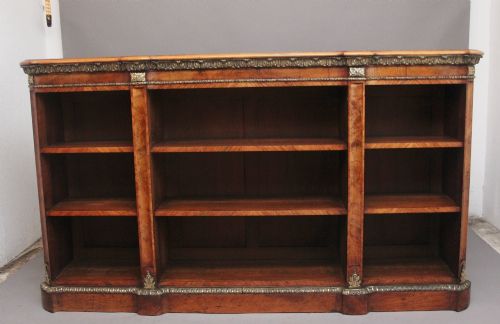
Originating largely from British workshops and provincial makers, these items combine practical utility with the decorative priorities of the Victorian era. Whether seeking a formal mahogany bookcase or a sturdy pitch pine chest, collectors engage with tangible domestic history.
Materials and Construction
Cabinetmakers utilised dense native and imported timbers, pairing structural hardwoods like oak and mahogany with softer pine or sycamore for secondary framing and drawer linings. Surface decoration often involved fine veneers such as burr walnut, satinwood, and pollard oak, sometimes enhanced by marquetry inlay or ormolu mounts.
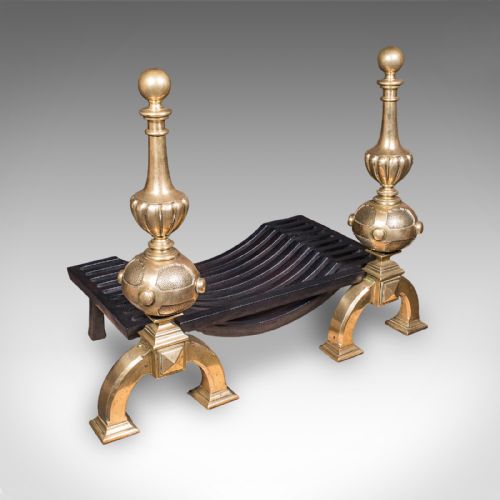
Construction relied on traditional joinery techniques including dovetailing for drawer construction and mortise and tenon joints for frames. Iron, brass, and cast metal hardware provided both structural reinforcement and decorative punctuation on handles, footmen, and umbrella stands.
Materials span common native hardwoods like oak and ash alongside exotic imports including rosewood and satinwood.
Determinants of Quality
The calibre of a piece rests heavily on the selection of timber and the precision of its grain matching, particularly in veneered surfaces where figured walnut or mahogany creates symmetrical patterns. Superior examples display restrained, well-executed carving and inlay rather than excessive or clumsy ornamentation.
Structural integrity also dictates worth, seen in the tightness of joints, the smooth operation of drawers, and the retention of original brass or iron hardware. Pieces attributed to notable workshops often demonstrate finer tolerances in secondary timbers and interior construction.
T & G Seddon·Johnstone and Jeanes·GIllows·Holland and sons·Howard & Sons
The English Victorian Furniture Glossary
- Compactum
- A large fitted wardrobe or combination closet designed to hold multiple types of clothing efficiently. These items typically feature internal shelving, hanging space, and small drawers.
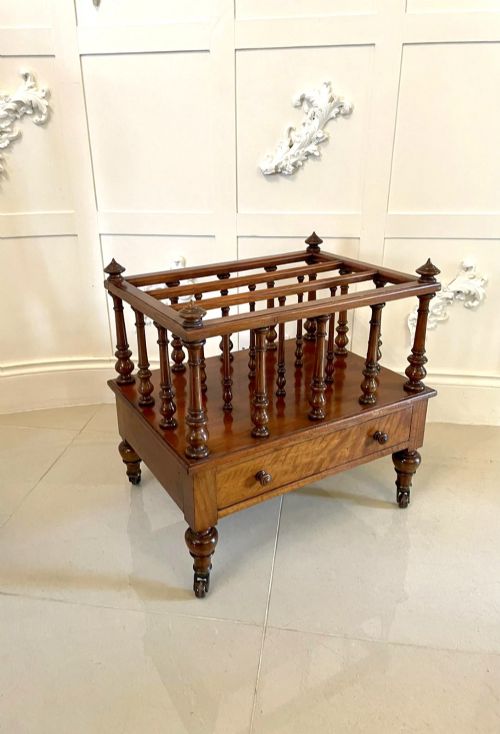
- Canterbury
- A low stand fitted with partitions for holding sheet music, newspapers, or magazines, usually featuring legs with castors. They often incorporate a small drawer beneath the vertical divisions.
- Pollard oak
- Oak timber taken from a tree that has been pruned close to the trunk to produce dense, gnarled grain patterns. Cabinetmakers prized this wood for its decorative mottled appearance on cabinet doors and panels.
- Marquetry
- The art of applying decorative pieces of veneer to a structure to form intricate pictorial designs or geometric patterns. Craftsmen used various contrasting timbers to achieve tonal depth.
- Footman
- A metal stand placed in front of a fireplace to keep food or kettles warm. These items are constructed from brass and steel.
- Etagere
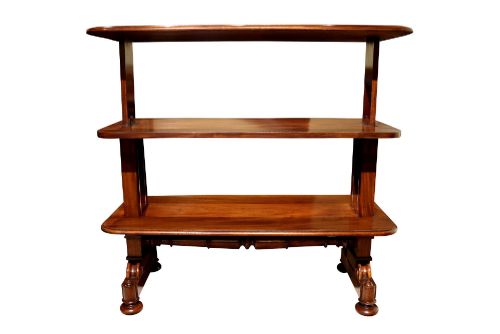
- A set of open shelves for displaying small ornaments or books, supported by slender pillars. The form developed in France and gained popularity in English drawing rooms.
English Victorian Furniture: Frequently Asked Questions
How do I identify Victorian oak from earlier periods?
Victorian oak furniture often exhibits the heavier proportions and darker finishes favoured during the nineteenth-century Gothic and Jacobean revivals. Cabinetmakers frequently paired these pieces with machine-sawn secondary timbers.
Closer inspection of construction marks, drawer linings, and hinge types helps separate mid-to-late nineteenth-century work from seventeenth- or eighteenth-century precedents.
What is a Davenport desk used for?
A Davenport is a compact Victorian writing desk featuring a sloping, hinged top inset with leather for correspondence. A set of small drawers typically opens to one side while the reverse remains panelled.
This form provided a practical writing surface and storage compartment that occupied minimal floor space in a Victorian parlour or drawing room.
Are Victorian wardrobes modular for moving?
Many large Victorian wardrobes and compactums were designed to dismantle into several sections, including a cornice, plinth, sides, and central carcase. This modular construction allowed heavy pieces to be transported up staircases and between rooms.
Screws, pegs, and tongue-and-groove joints secure the components together without permanent glueing.
How should I care for polished mahogany surfaces?
Polished mahogany benefits from regular dusting with a soft, dry cloth to prevent grit accumulation on the wax or shellac finish. Occasional application of quality beeswax maintains the moisture and lustre of the timber.
Direct sunlight and placement near heat sources should be avoided to prevent the wood from drying out or the veneer from lifting.