


English Vernacular Seating
English vernacular seating comprises chairs, settles and benches shaped by regional makers using local woods like elm, ash and yew.
English Vernacular Seating
English vernacular seating brings together unpretentious domestic furniture made outside metropolitan workshops, mostly taking the form of chairs, armchairs, settles and benches. When searching for english vernacular seating, buyers encounter pieces intended for everyday farmhouses, cottages, kitchens and rural taverns rather than formal drawing rooms.
The selections span several centuries, reaching from the seventeenth century through the Georgian and Regency periods into the Victorian and Edwardian eras. The most common forms on this page include Windsor chairs, ladderbacks, stickbacks and heavy settles, produced across regions such as the Thames Valley, West Country, Shropshire and Lancashire.
Makers often relied on regional traditions, creating distinctive local variations in spindle turning, comb pieces and seat shaping. These utilitarian objects served practical household needs, resulting in sturdy constructions that survive in daily use.
How they were made
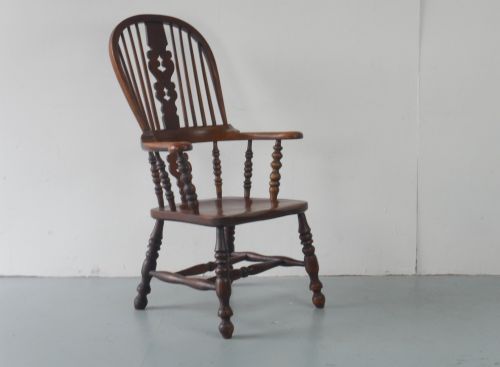
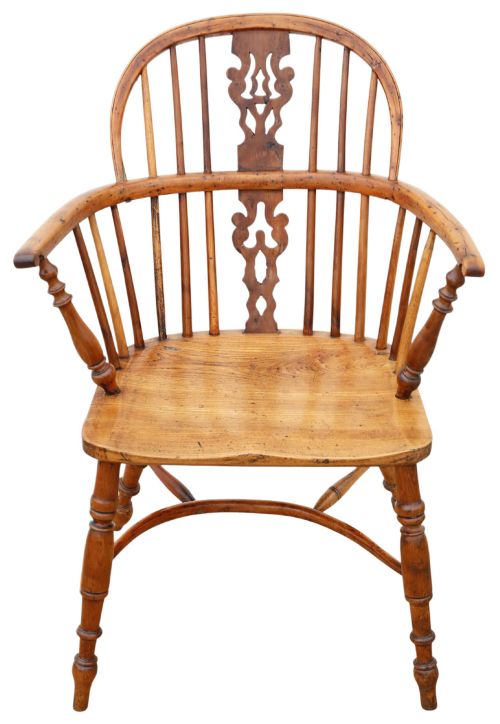
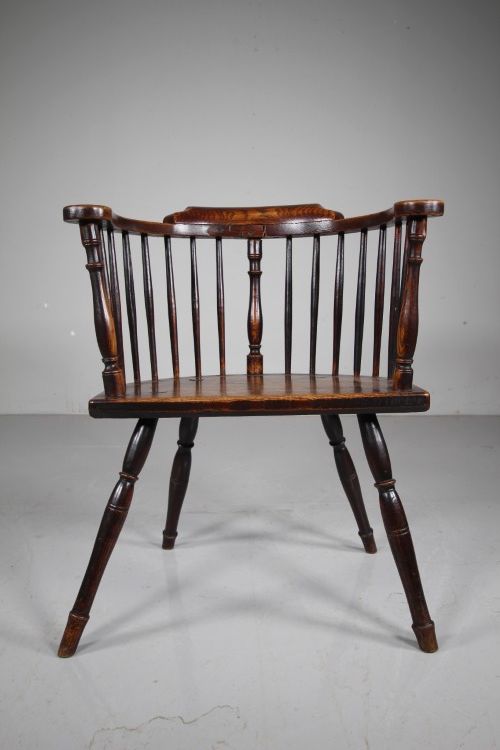
Regional makers combined native timbers by pairing durable woods for different parts of the same chair, frequently turning to elm for solid, carved seats that resist splitting. Ash, beech and fruitwood provided strong legs, spindles and bows, while yew was chosen for high-status Windsor arms and hoops.
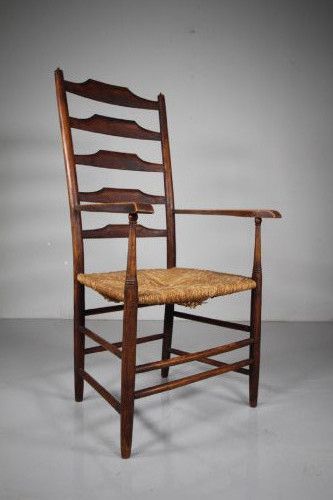
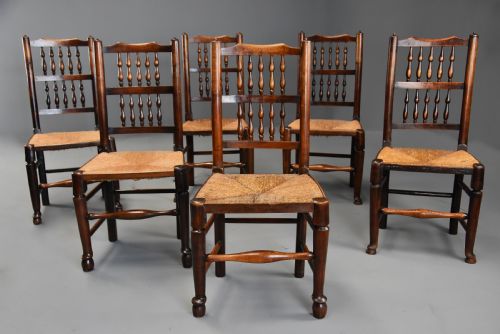
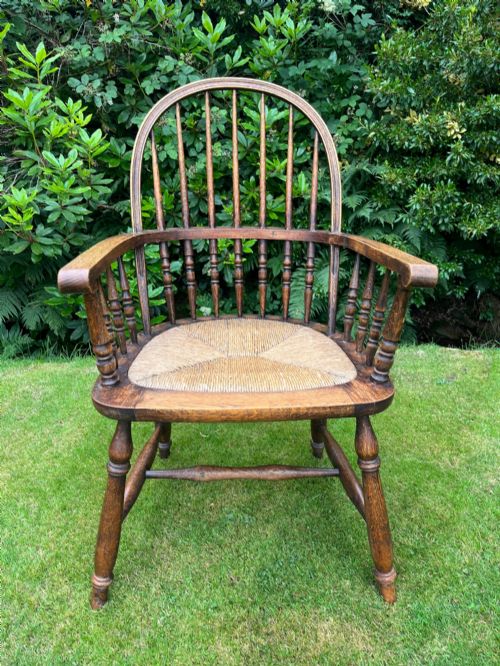
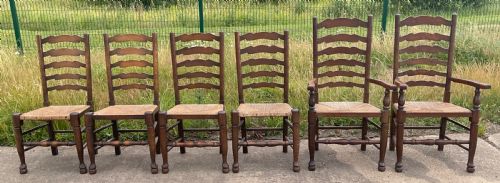
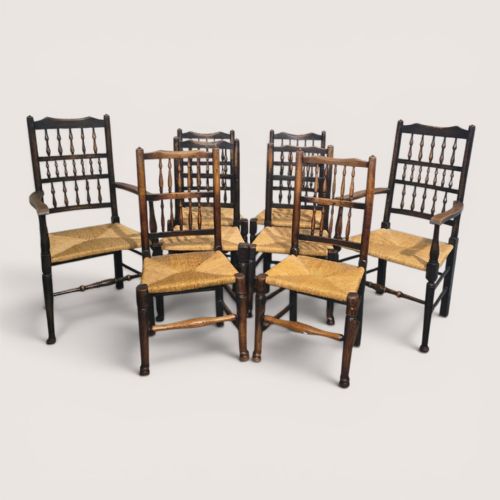
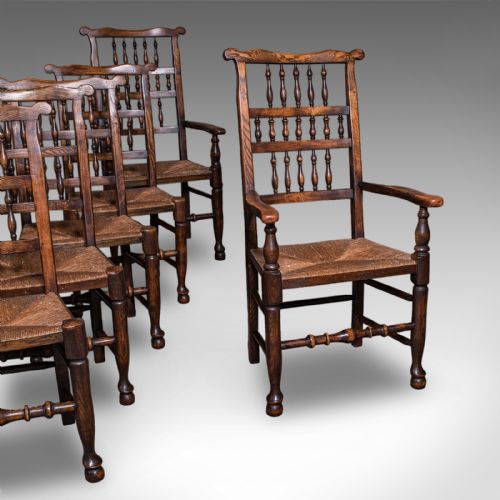
Construction techniques depended on straightforward joinery, utilising turned legs fitted directly into thick wooden seats, alongside steam-bent bows and spindle backs. Rush seating also appears on specific regional dining and hall chairs, offering a woven surface supported by sturdy frames.
English Vernacular Seating Retail Price Guide 2026
Typical asking prices for english vernacular seating among the pieces listed under this phrase on Sellingantiques today, from the lower quarter to the upper quarter. They describe what is for sale here now, not the wider market.
Listings feature elm, ash, beech, oak, yew and fruitwood across pieces spanning the seventeenth to the twentieth century.
What varies in quality
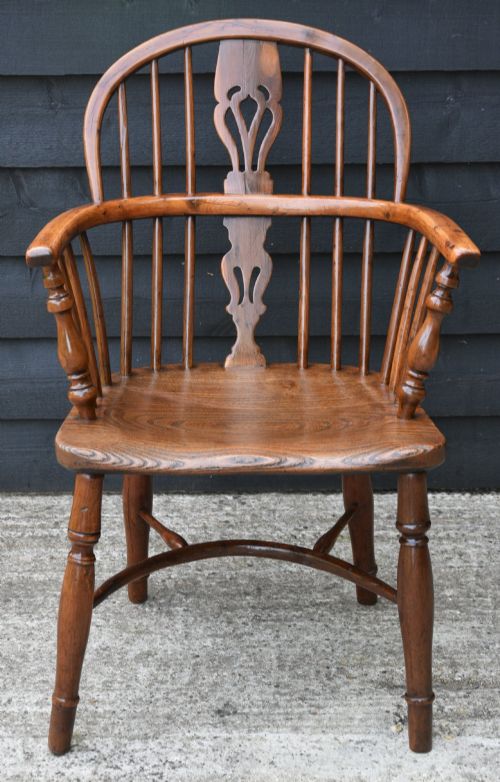
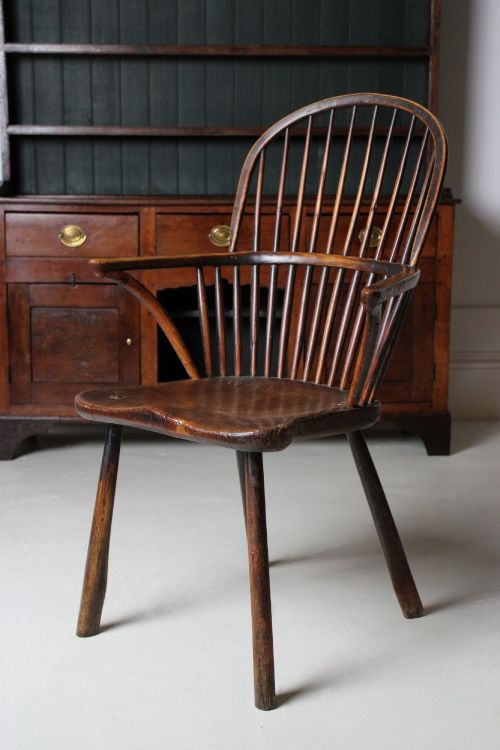
Quality in these pieces rests upon the harmony of the timber selection and the elegance of the turning. A superior Windsor chair displays balanced proportions in the hoop, crisp detail in the central splat and well-defined grain patterns across a thick elm seat.
The integrity of the original construction and the survival of a warm surface sheen distinguish better examples. Chairs retaining their original timber components without excessive replacement parts or clumsy repairs command greater attention from collectors.
Philip Clissett·Fred Walker Rockley
The English Vernacular Seating Glossary
- Windsor chair
- A chair built with a solid wooden seat into which the legs and back spindles are inserted directly. These heavy-bottomed seats often feature bentwood bows or comb pieces.
- Settle
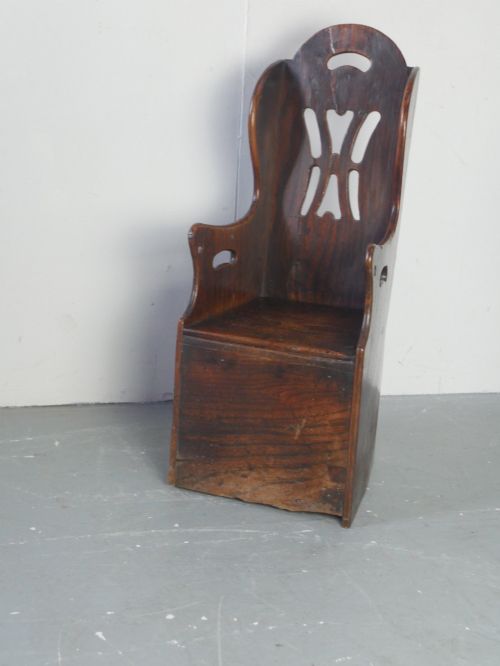
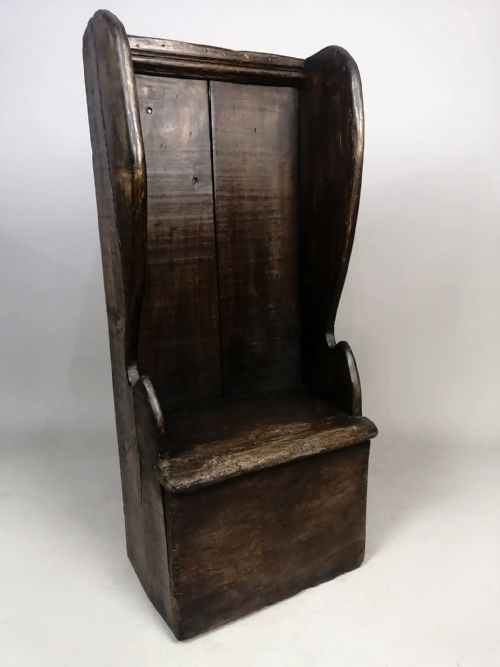
- A high-backed wooden bench with solid arms and a closed base designed to block draughts in farmhouse kitchens and taverns. Some examples incorporate storage compartments beneath the seat.
- Spindle back
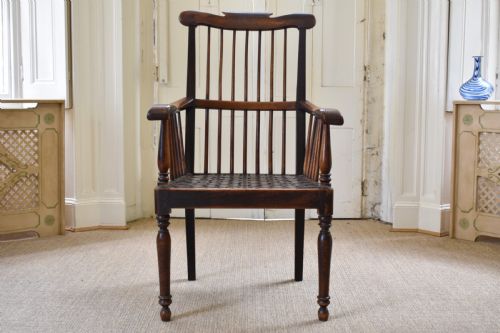
- A chair back constructed from a series of turned wooden rods fitted between a top rail and the seat. This lighter framing method appears across various regional styles.
- Lambing chair
- An enclosed wooden armchair featuring high wings and a low seat, historically used beside the hearth. Many versions include a hooded top or side panels for warmth.
English Vernacular Seating: Frequently Asked Questions
What is vernacular seating?
Vernacular seating refers to utilitarian wooden furniture produced by regional craftsmen for local use rather than high-style urban workshops. These chairs and benches reflect the materials and traditions available in specific English counties.
They prioritize function, strength and comfort, utilising native woods shaped with local woodworking techniques.
How do I identify a Windsor chair?
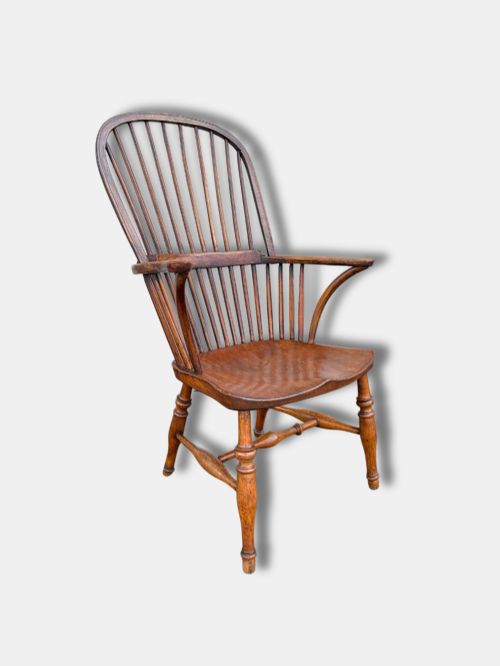
A Windsor chair is defined by its thick solid wooden seat, which acts as the central anchor for the legs below and the back spindles above. Unlike framed chairs, the structural parts are tenoned straight into the seat slab.
They often feature bowed backs, armrests and distinct regional characteristics in the shape of the central splat.
What woods were used?
Makers utilised native British hardwoods sourced from local woodlands, choosing different species for the specific stresses each part endured. Elm was the preferred timber for solid, dished seats because its interlocking grain resisted cracking.
Ash, beech, fruitwood and yew provided strong spindles, bent bows, turned legs and supportive armrests.
How do I date these chairs?
Dating relies on observing construction methods, tool marks, timber shrinkage and stylistic changes across different periods. Seventeenth-century examples often feature heavier framing and simpler joined panels, while eighteenth and nineteenth-century pieces show more refined turning.
Regional traits and specific vernacular forms also help place a piece within a broader historical timeframe.
Where were these pieces used?
These chairs and benches furnished rural farmhouses, country cottages, kitchens and public taverns across England. Their sturdy build suited the rigorous daily demands of working households and public gathering spaces.
Settles guarded against cold draughts near open hearths, while dining sets served around farmhouse tables.