

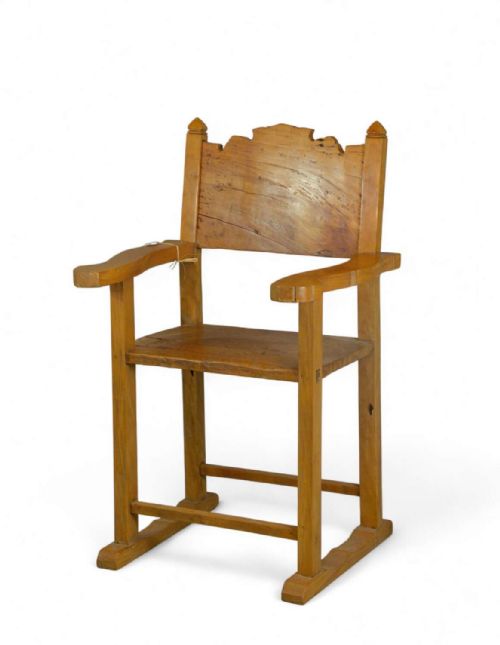


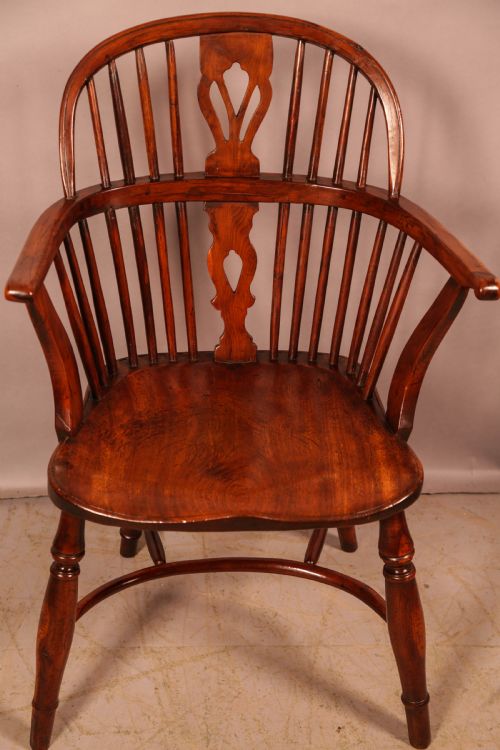


Solid Wood Arm Chair
A solid wood arm chair brings structural integrity and rich timber grain directly into a room, offering enduring seating built to last.
Solid Wood Arm Chair
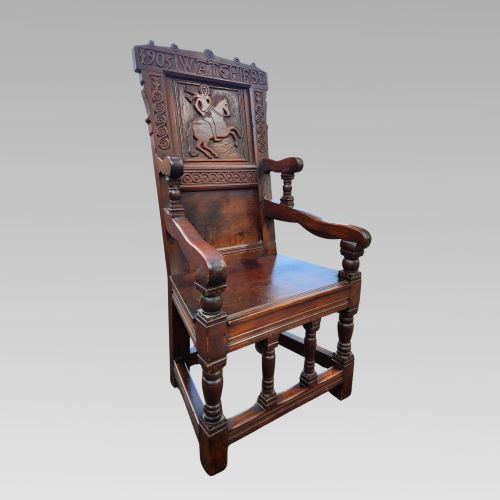
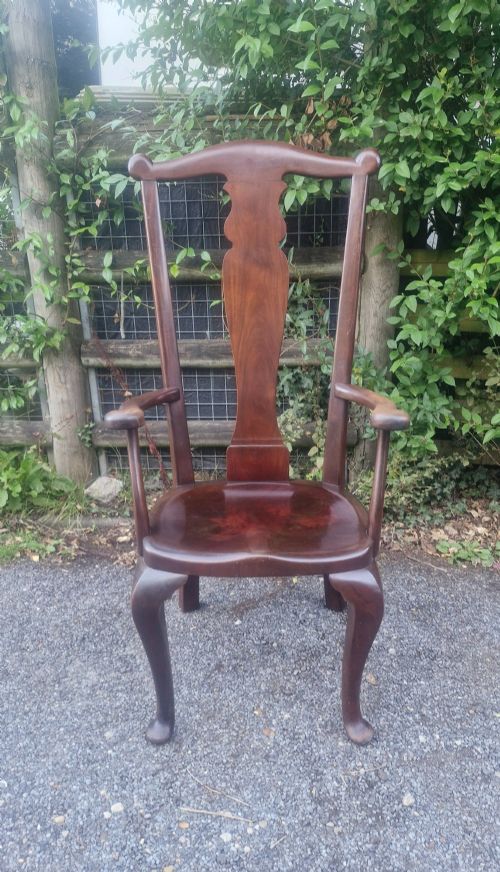
When you search for a solid wood arm chair, you find a diverse range of seating spanning from the seventeenth century through to the art deco period, constructed in regional vernacular traditions and formal cabinet styles alike. These pieces include sturdy country windsors, high-backed desk chairs, and carved oak library seating.
The most common examples on this page rely heavily on British and European country timbers, notably elm, ash, and oak, often shaped into traditional forms like low-back windsor chairs or nineteenth-century elbow chairs. Alongside these rural pieces, you encounter more formal iterations executed in mahogany, yew wood, and satinwood.
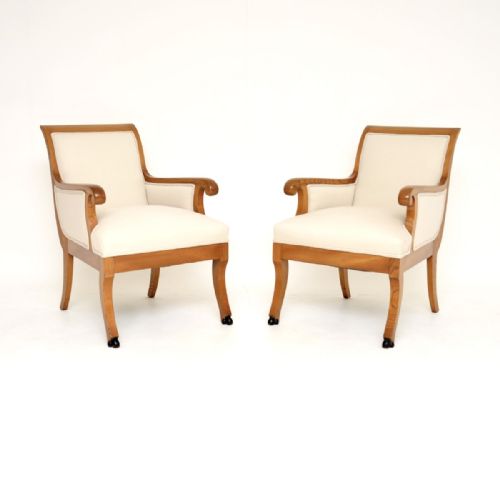
Origins vary widely across the inventory, taking in English country workshops, Swedish neoclassical design, and colonial pieces from the Philippines. This geographical spread ensures that whether a buyer seeks a rustic farmhouse seat or a refined George III gainsborough arm chair, the appropriate timber form is represented.
How they were made
Makers relied on durable native hardwoods such as oak, elm, and ash, selecting timbers for their strength in load-bearing legs, arm supports, and spindles. Cabinetmakers also utilised exotic and decorative hardwoods like mahogany, satinwood, and yew wood for formal commissions.
Construction techniques combined traditional joinery such as mortise and tenon frames with steam-bending for curved elements like Windsor bow backs. Surfaces were hand-finished, polished, or carved, occasionally incorporating brass details or upholstered pad seats in fabric.
Solid Wood Arm Chair Retail Price Guide 2026
Typical asking prices for solid wood arm chair among the pieces listed under this phrase on Sellingantiques today, from the lower quarter to the upper quarter. They describe what is for sale here now, not the wider market.
Listings feature periods spanning from the seventeenth century through to art deco, constructed in elm, oak, ash, yew wood, mahogany, and satinwood.
What varies in quality
The distinction between ordinary and exceptional seating lies in the selection of timber and the ambition of the carving. Finely figured yew wood or rich mahogany with deep patination sits well above standard utilitarian woods.
Execution of joinery and structural balance define the upper tier of the range. Chairs that retain crisp hand-carved details, balanced proportions, and integrated original wooden components command greater appreciation than later assembled or heavily restored variants.
The Solid Wood Arm Chair Glossary
- Wainscot chair
- An early heavy wooden armchair constructed primarily of oak, featuring panelled backs and solid armrests.
- Windsor chair
- A seat built with a solid wooden saddle-shaped seat into which the legs and back spindles are directly dowelled.
- Elbow chair
- A traditional term for a wooden armchair, often featuring a low back and curved arms designed to support the elbows.
- Vernacular furniture
- Domestic objects made by local tradesmen using regional materials and traditional techniques, independent of high-style urban fashions.
Solid Wood Arm Chair: Frequently Asked Questions
How do I identify an early wooden armchair?
Early wooden armchairs often display construction methods typical of their era, such as pegged mortise and tenon joints in seventeenth-century oak wainscot pieces. Tool marks and timber shrinkage patterns also indicate age.
Examining the underside of the seat and the wear on the foot terminals reveals how the chair was used over centuries.
What woods were commonly used for antique armchairs?
Makers utilised native hardwoods suited to the form and region, with oak and elm predominating in early country seating. Ash, beech, and fruitwood appeared frequently in provincial Windsor and farmhouse chairs.
More formal urban seating turned to imported or high-status timbers like mahogany, satinwood, and yew wood for superior grain and finish.
How should I care for a solid wood armchair?
Keep wooden seating away from direct heat sources and rapid humidity changes to prevent the timber from splitting or joints from loosening. Regular dusting with a dry cloth maintains the surface finish.
Applying a traditional beeswax polish occasionally helps nourish older wood surfaces without building up heavy chemical residues.
Are Windsor chairs comfortable for daily use?
Windsor chairs feature sculpted solid wood seats shaped to fit the body, offering surprising ergonomic support despite lacking deep upholstery. Their sturdy pegged construction ensures they withstand regular sitting.
Adding a loose cushion can increase comfort while preserving the original wooden saddle base.